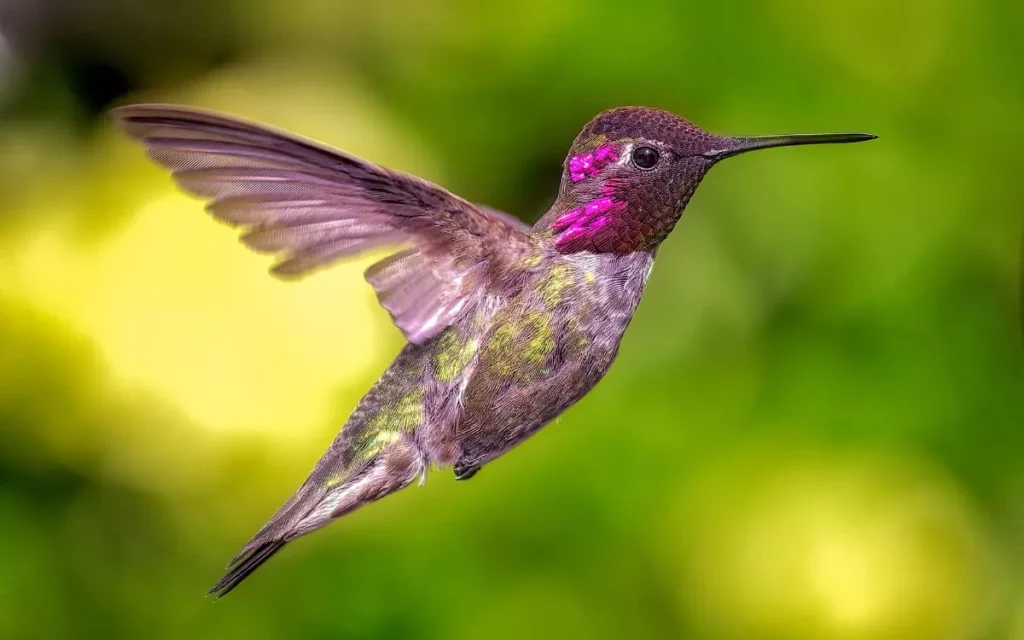
Hummingbird care involves providing clean nectar feeders, safe shelter, fresh water, and native plants to support these tiny birds. To care for hummingbirds properly, keep feeders clean, avoid red dye, and offer shallow water sources like misters or fountains. This guide covers feeding, bathing, safety tips, and what to do if you find an injured hummingbird.
Why Hummingbird Care Matters
Hummingbirds may be small, but they burn a tremendous amount of energy each day. By offering a reliable food source and a safe environment, you help them survive migration, harsh weather, and habitat loss. Providing clean feeders and chemical-free gardens also reduces their risk of disease or death from common threats like mold or predators.
What to Feed Hummingbirds

The best food for hummingbirds is homemade nectar made with 1 part white sugar to 4 parts boiled water (cooled before use). Do not use honey, artificial sweeteners, or red dye, as these can harm the birds.
How to Place and Maintain Feeders
Hang feeders in partial shade, ideally near flowers or natural cover. Keep them 4–6 feet off the ground to avoid cats and predators. In hot weather, change the nectar every 1–2 days; in cooler weather, every 3–5 days.
Common Feeder Problems and Fixes
If you notice mold, ants, bees, or cloudy nectar, take action immediately. Clean feeders with a vinegar-water solution weekly. Use ant moats and bee guards to reduce insect issues. Avoid overcrowding by spacing multiple feeders apart.

Bathing and Water Needs
Safety Tip: Avoid using deep birdbaths or those with slippery surfaces. Shallow, textured basins or misters are safer and more appealing to hummingbirds.
Do Hummingbirds Use Bird Baths?
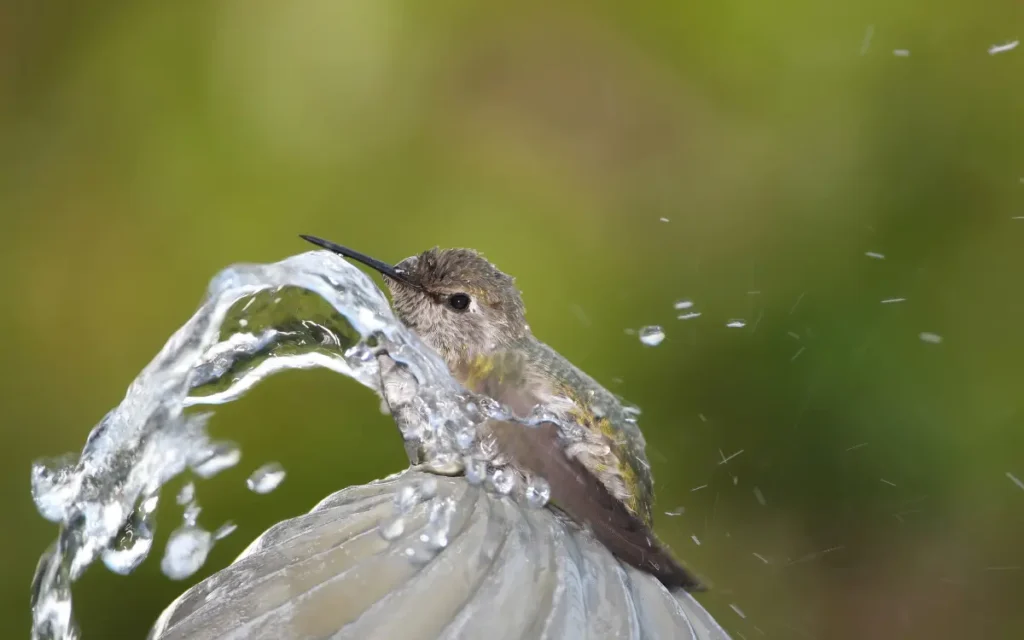
Yes! But they prefer shallow, moving water. Traditional birdbaths are often too deep. Instead, provide misters, drippers, or small fountains where hummingbirds can fly through and bathe mid-air.
Hummingbird Garden Water Features
Adding a misting sprinkler or solar-powered fountain can turn your garden into a hummingbird oasis. Position water sources near perches or feeders for maximum visibility.
Attracting Hummingbirds (Garden & Balcony Tips)
Safety Tip: If you’re placing feeders near windows or balconies, use window decals or UV patterns to prevent hummingbird collisions.
What Attracts Hummingbirds to Feeders
Bright colors, especially red, orange, and pink, naturally draw hummingbirds. They’re also attracted by movement and shiny surfaces. Nectar-rich flowers near feeders help establish your yard as a hummingbird hotspot.
Hummingbird Garden Ideas
Plant native species like bee balm, salvia, columbine, trumpet vine, and zinnias. Use layers—ground plants, shrubs, and small trees—to mimic natural habitats. Avoid pesticides and opt for organic growing methods.
How to Attract Hummingbirds to Your Balcony
Even apartment dwellers can welcome hummingbirds. Use railing-mounted feeders, hanging baskets with red flowers, and a small mister. Keep feeders away from glass windows to prevent collisions.
Hummingbird Rescue and First Aid Basics
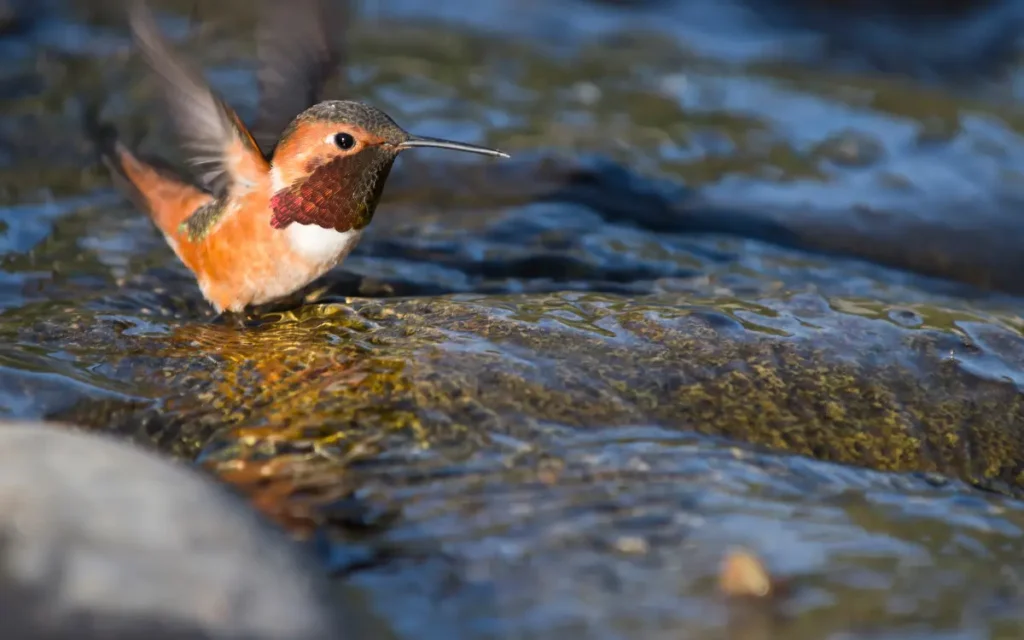
How to Tell if a Hummingbird Is Dying
A hummingbird that is fluffed up, sitting still for long periods, breathing heavily, or unable to fly may be ill or injured. Stunned birds may appear unconscious after hitting a window but can recover within 10–15 minutes.
How to Help a Hummingbird That Can’t Fly
Use a tissue to gently pick up the bird and place it in a ventilated box. Keep it warm and quiet. Do not try to force feed. Contact a licensed wildlife rehabilitator as soon as possible.
Injured Hummingbird Care
Don’t attempt long-term care at home. Injured hummingbirds require professional rehab. Search online for “hummingbird rescue near me” or contact your local animal control or wildlife center.
How to Feed an Injured Hummingbird
Feeding should only be done under expert guidance. If instructed, offer sugar water via a dropper near the bird’s beak. Never squirt liquid into its mouth. Note: Always check your local wildlife regulations—handling or feeding wild birds without proper authorization may be restricted in some areas.
Seasonal Care Tips

- Spring: Clean feeders and plant early bloomers
- Summer: Change nectar frequently, monitor for mold
- Fall: Keep feeders up until 2 weeks after the last sighting
- Winter (warm regions): Continue feeding if hummingbirds overwinter
Read also: Hummingbird Meaning & Symbolism
FAQs
How often should I change hummingbird nectar?
Every 1–2 days in hot weather; every 3–5 days when it’s cool.
What should I do if bees take over my feeder?
Use bee-proof feeders, move the feeder into more shade, and avoid yellow parts on feeders.
Can I hang a feeder in full sun?
Yes, but nectar will spoil faster. Partial shade is better.
What flowers attract hummingbirds best?
Bee balm, salvia, trumpet vine, and zinnias are top choices.
How do I tell if a hummingbird is stunned or dying?
Stunned birds usually recover in 10–20 minutes. Dying birds show labored breathing, limp wings, and unresponsiveness.
Should I try to feed a sick or injured bird?
Only under rehabber instruction. Improper feeding can do more harm than good.
Can I attract hummingbirds in a city or apartment?
Yes! Use balcony feeders, native flowers in pots, and misters to bring them in.
Final Thoughts
Hummingbird care is simple but incredibly rewarding. Whether you’re tending a full garden or just a small balcony, offering clean feeders, fresh water, and native plants can help these amazing birds thrive. And when a hummingbird needs help, knowing what to do could save a life. Want to dive deeper into their biology? Read our full Hummingbird Lifespan & Traits Guide.