9 Herons in Connecticut
Connecticut’s rivers, marshes, ponds, and coastal wetlands make it an excellent place to spot herons. These long-legged wading birds are most often seen standing quietly in shallow water, waiting patiently for fish, frogs, or insects. Some herons live in the state for much of the year, while others appear only during warmer months or migration.
This guide covers herons found in Connecticut, including common species, seasonal visitors, and night herons. You’ll also learn where and when to see them, plus how to tell similar species apart.
Common Herons Found in Connecticut
1.Great Blue Heron

The Great Blue Heron is the largest and most familiar heron in Connecticut. It can be seen near rivers, lakes, ponds, and coastal marshes. Even in colder months, some individuals remain as long as open water is available.
Quick facts
- Tall gray-blue body
- Slow, powerful wingbeats
- Seen year-round in many areas
- Feeds on fish, frogs, and small animals
2.Great Egret

Great Egrets are tall white herons often spotted in wetlands and along the coast. They are most common from spring through fall and are easy to identify by their long black legs and bright white feathers.
Quick facts
- Large white heron
- Black legs and yellow bill
- Common in warmer months
- Often seen wading in shallow water
3.Snowy Egret

Snowy Egrets are smaller and more active than Great Egrets. They are known for their quick movements and bright yellow feet, which they use to stir up prey.
Quick facts
- White body with yellow feet
- Smaller than Great Egret
- Active daytime feeder
- Mostly seen spring through fall
4.Green Heron

The Green Heron is compact and often seen alone. It prefers quiet pond edges, streams, and marshes where it can remain hidden among vegetation.
Quick facts
- Small, stocky heron
- Greenish-blue back
- Often solitary
- Common in warmer months
5.Little Blue Heron

Little Blue Herons are mostly seen during migration. Young birds are white, which often leads to confusion with egrets until they mature.
Quick facts
- Adults are slate-blue
- Juveniles are white
- Uncommon but regular migrant
- Found in wetlands and marshes
6.Tricolored Heron

Tricolored Herons are slim, graceful birds that appear occasionally in Connecticut, mainly along the coast. They are more common farther south.
Quick facts
- Blue-gray and white body
- Long neck and legs
- Rare but possible visitor
- Mostly coastal sightings
7.Cattle Egret
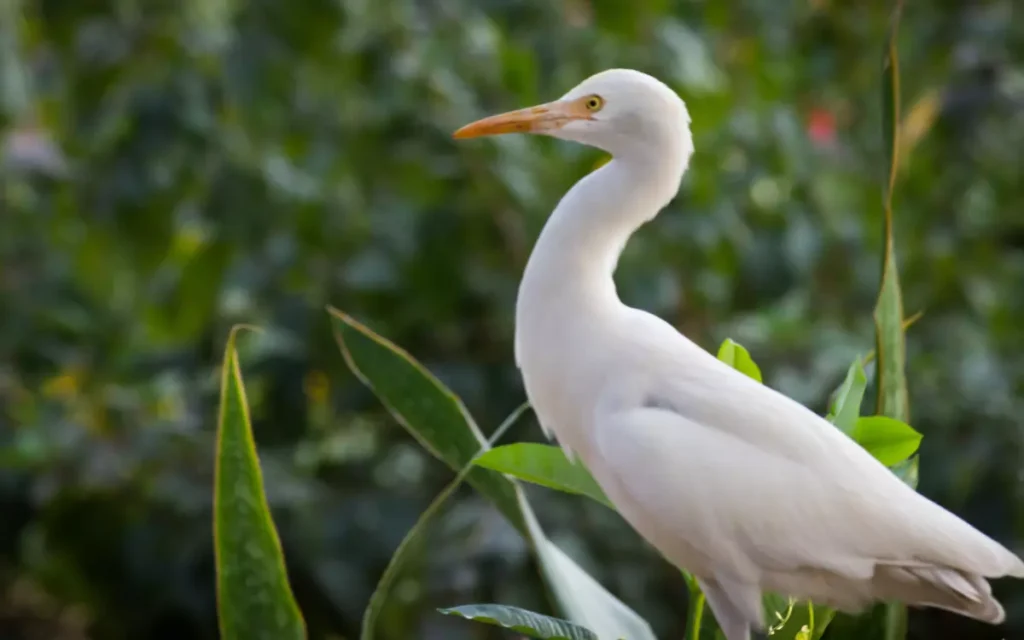
Unlike other herons, Cattle Egrets are often found in fields rather than water. They follow livestock and feed on insects stirred up by movement.
Quick facts
- Shorter neck and legs
- Found in open fields
- Seasonal visitor
- Often seen near farms
8.Black-crowned Night-Heron

Black-crowned Night-Herons are stocky birds that are most active at dusk and during the night. They are fairly common in Connecticut, especially near coastal wetlands.
Quick facts
- Gray body with black cap
- Red eyes
- Active at night
- Common near marshes
9.Yellow-crowned Night-Heron

Yellow-crowned Night-Herons are less common but have been increasing in parts of Connecticut. They often feed on crabs and are usually found near tidal areas.
Quick facts
- Yellow crown and black face
- Less common than black-crowned
- Coastal preference
- Mostly nocturnal
Where to See Herons in Connecticut
Herons can be found anywhere shallow water supports fish and other prey. Some of the best places include:
- Coastal marshes and estuaries
- Rivers and slow-moving streams
- Ponds, lakes, and reservoirs
- Wildlife refuges and protected wetlands
Early morning and evening are usually the best times to spot them.
When Are Herons Most Active in Connecticut?
Most herons are easiest to see from spring through early fall, which is their main feeding and breeding season. During hot summer days, they often stand still in shallow water, making them easier to observe. Night herons are more active around sunset and after dark.
How to Identify Herons vs Egrets
Herons and egrets belong to the same family, but there are a few easy ways to tell them apart:
- Color: Egrets are white; herons are usually gray, blue, or green
- Size: Great Blue Herons are much larger than most egrets
- Behavior: Snowy Egrets move actively; Great Blue Herons are slow and patient
Are Herons Protected in Connecticut?
Yes, herons are protected under state and federal wildlife laws. Disturbing nesting sites or harming these birds is illegal. Protecting wetlands is essential to keeping heron populations healthy.
FAQs
How many heron species are found in Connecticut?
Connecticut has around 9 heron species, including common residents, seasonal visitors, and night herons.
Are herons in Connecticut year-round?
Some species, like the Great Blue Heron, may be seen year-round, while most herons are present mainly from spring through fall.
What is the most common heron in Connecticut?
The Great Blue Heron is the most common and widespread heron in the state.
Where do herons nest in Connecticut?
Herons nest in wetlands, wooded swamps, and sometimes in colonies called rookeries near water.
Are herons and egrets the same bird?
They are closely related and belong to the same family, but egrets are usually white, while herons come in a variety of colors.