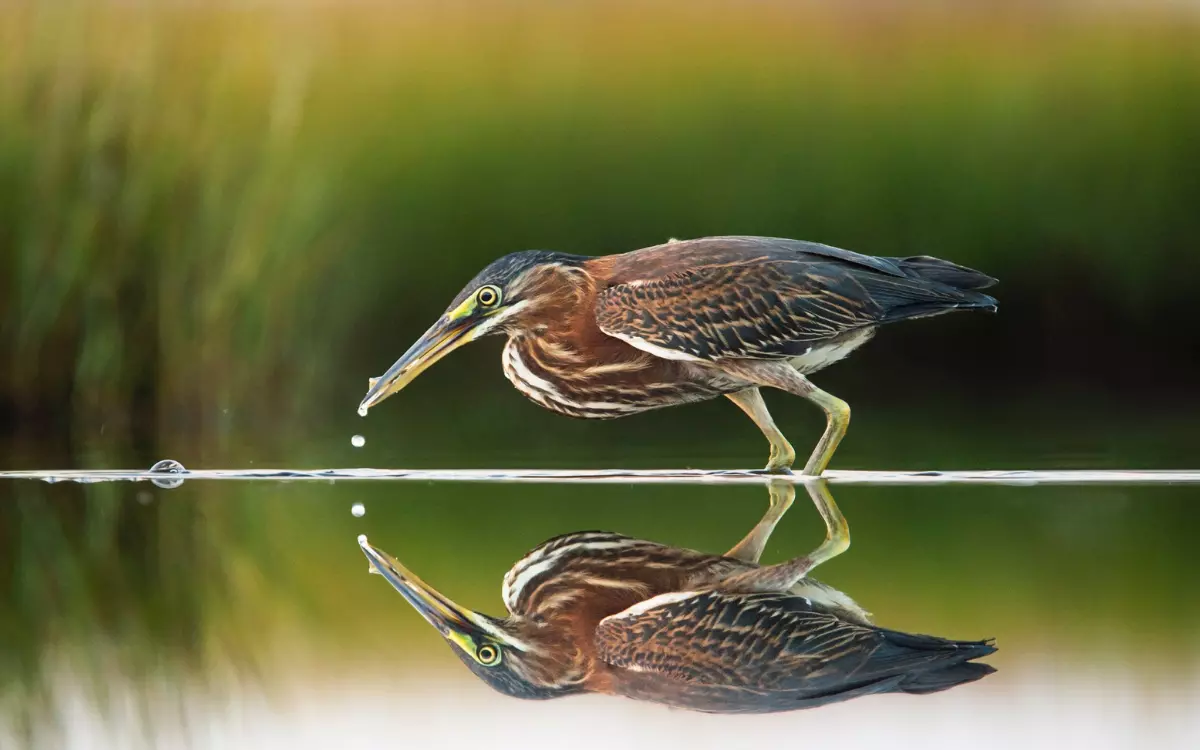
30 Ducks in Connecticut
Connecticut offers excellent opportunities for duck watching thanks to its mix of inland wetlands, rivers, reservoirs, farmland, and a long stretch of coastline along Long Island Sound. These varied habitats attract a wide range of ducks throughout the year, from familiar freshwater species to hardy sea ducks that arrive during colder months. While only a few ducks breed in the state, migration and winter bring a much greater variety.
In total, around 30 species of ducks are found in Connecticut, including dabbling ducks, diving ducks, mergansers, and sea ducks. Some are present year-round, while many appear only during fall migration, winter, or spring passage. This guide covers the ducks you’re most likely to see in the state, with Connecticut-specific notes to help you understand when and where each species occurs.
1.Mallard
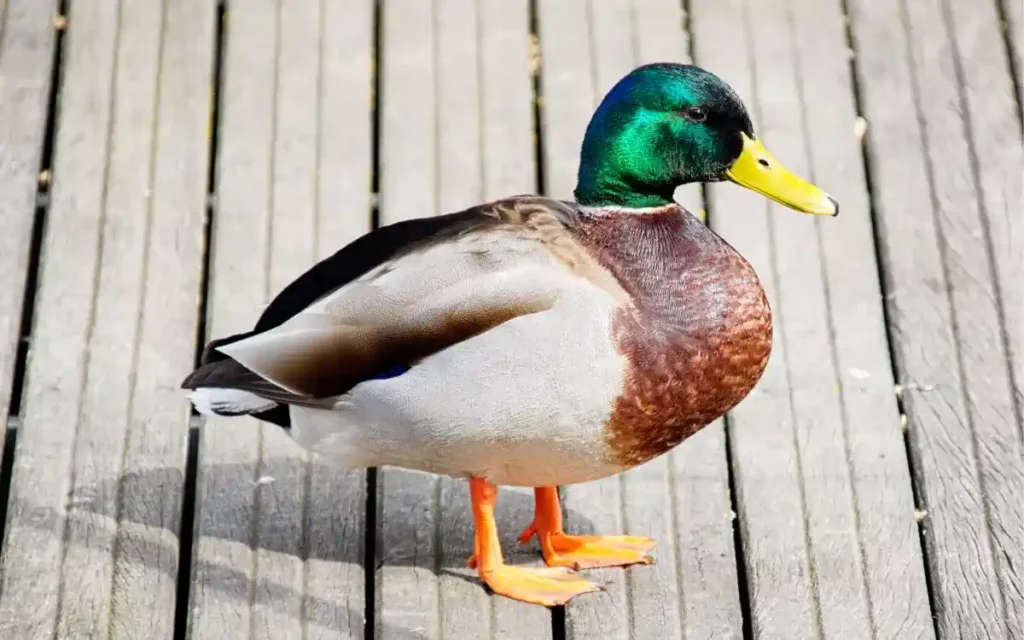
The Mallard is the most familiar and widespread duck in Connecticut. It can be seen throughout the year in a wide range of habitats, from quiet wetlands to busy city parks. Many Mallards breed locally, while large numbers also migrate through the state during fall and spring, increasing winter populations.
Quick facts
- Status: Very common, year-round
- Best season: All seasons (numbers highest in fall and winter)
- Habitat: Ponds, lakes, rivers, wetlands, parks, and farmland
- Behavior: Feeds by dabbling in shallow water and grazing on land
- Notes: One of the easiest ducks to identify and observe in the state
2.American Black Duck
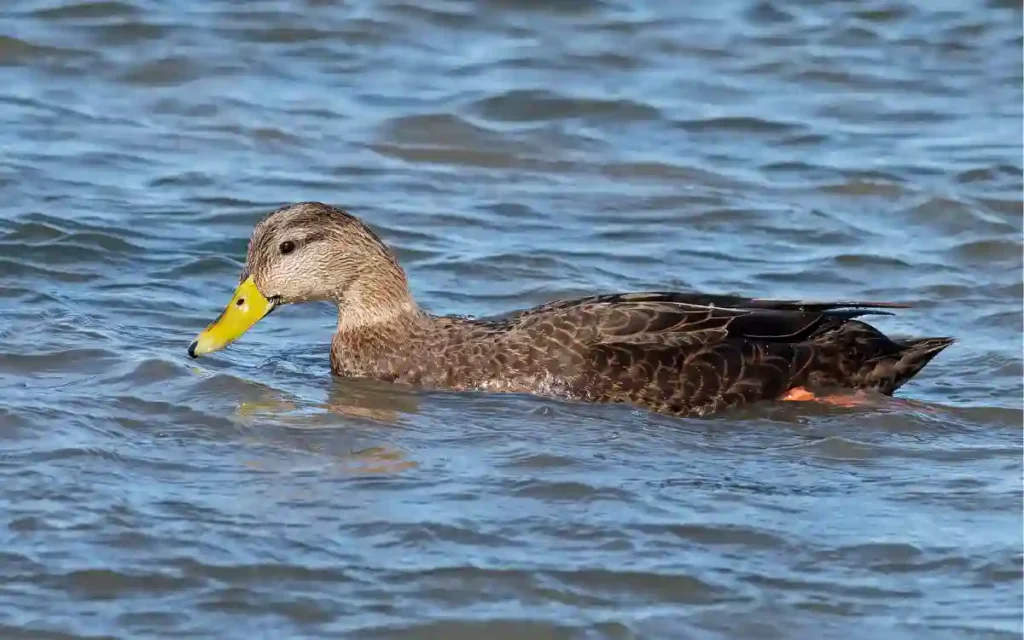
The American Black Duck is a classic coastal and wetland species in Connecticut. It is present year-round but becomes more noticeable in winter when northern birds move south. This duck is especially common along salt marshes and estuaries near Long Island Sound.
Quick facts
- Status: Common, year-round
- Best season: Fall through winter
- Habitat: Coastal marshes, estuaries, wetlands
- Behavior: Dabbling and grazing
- Notes: Often confused with female Mallards
3.Wood Duck
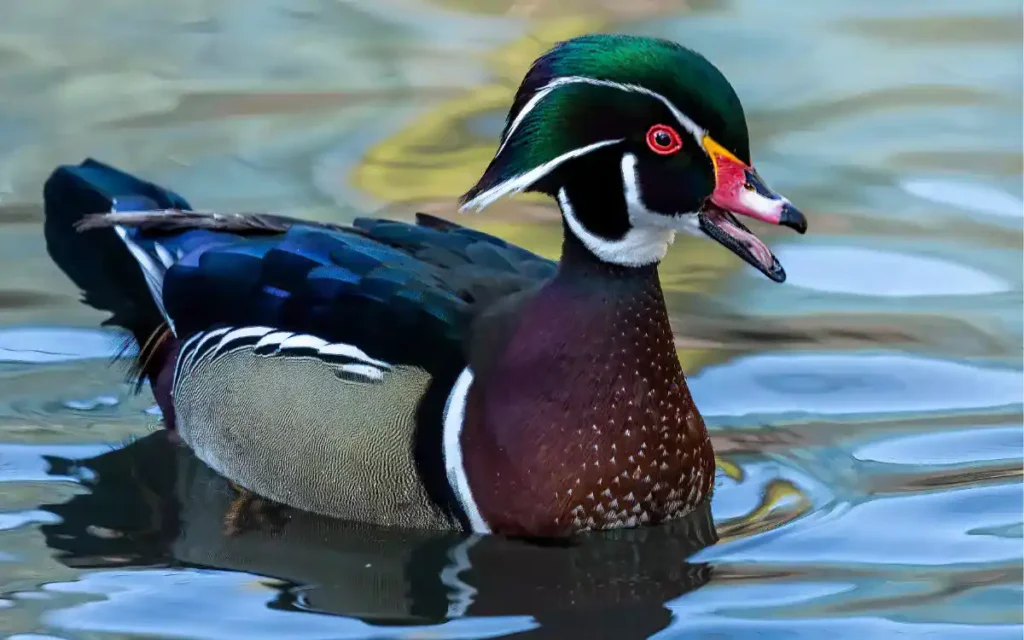
Wood Ducks are one of the most colorful ducks found in Connecticut and are common breeders in wooded wetlands. They nest in tree cavities and are most often seen from spring through early fall.
Quick facts
- Status: Common breeder
- Best season: Spring and summer
- Habitat: Wooded wetlands, slow rivers, swamps
- Behavior: Dabbling and perching
- Notes: Uses nest boxes readily
4.American Wigeon
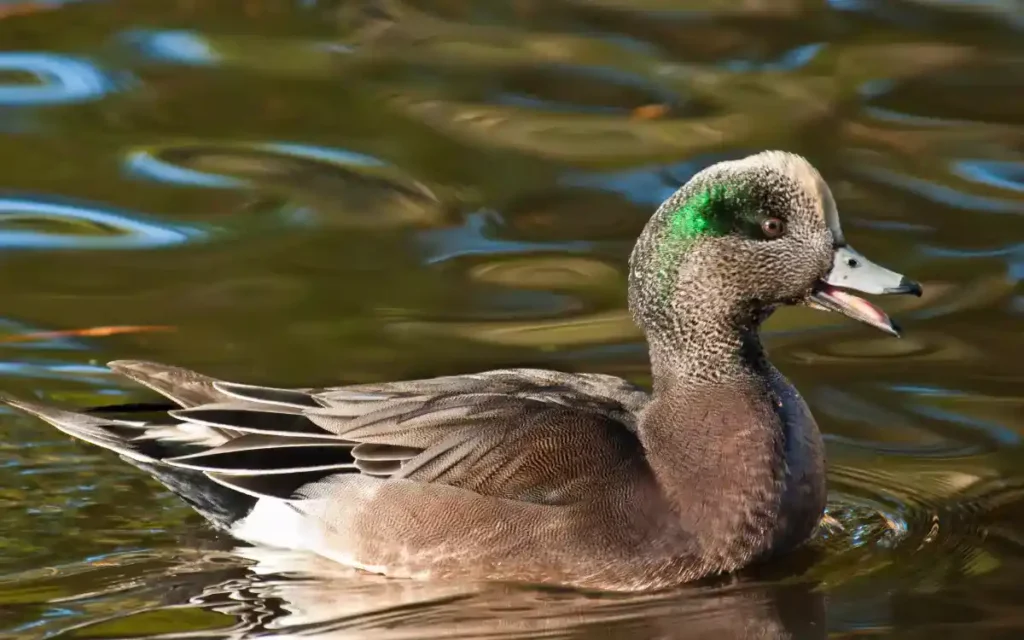
American Wigeons are regular migrants and winter visitors in Connecticut. They are often seen grazing on land or swimming with other dabbling ducks during colder months.
Quick facts
- Status: Common migrant and winter visitor
- Best season: Fall through early spring
- Habitat: Lakes, wetlands, flooded fields
- Behavior: Grazes and dabbles
- Notes: Often feeds on vegetation
5.Gadwall
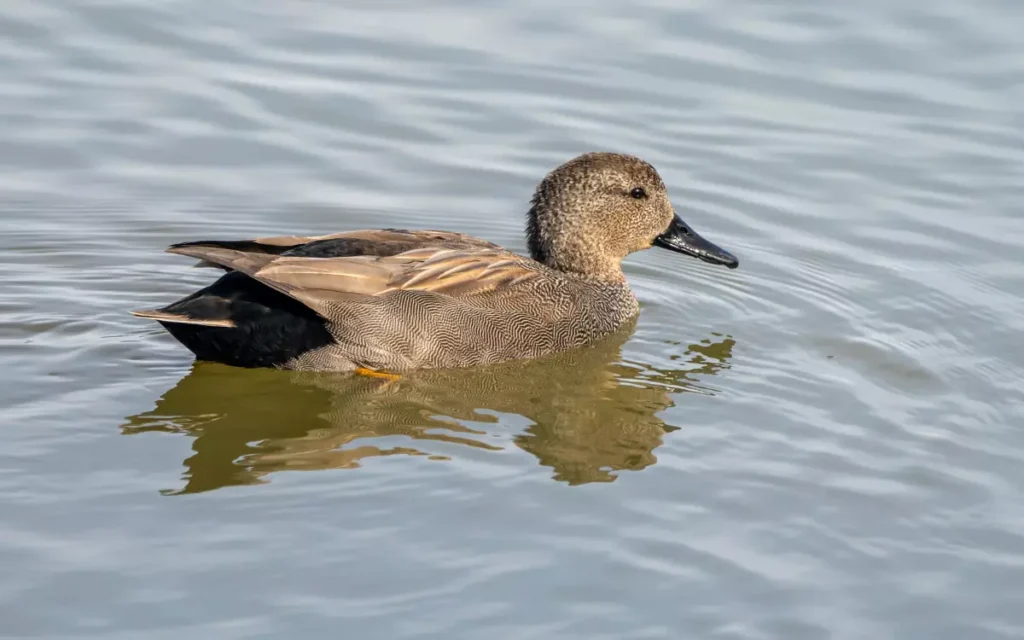
Gadwalls are subtle-colored ducks that pass through Connecticut mainly during migration and winter. They are often overlooked due to their plain appearance.
Quick facts
- Status: Regular migrant
- Best season: Fall and winter
- Habitat: Freshwater wetlands and reservoirs
- Behavior: Dabbling
- Notes: Often mixed with Mallards
6.Green-winged Teal
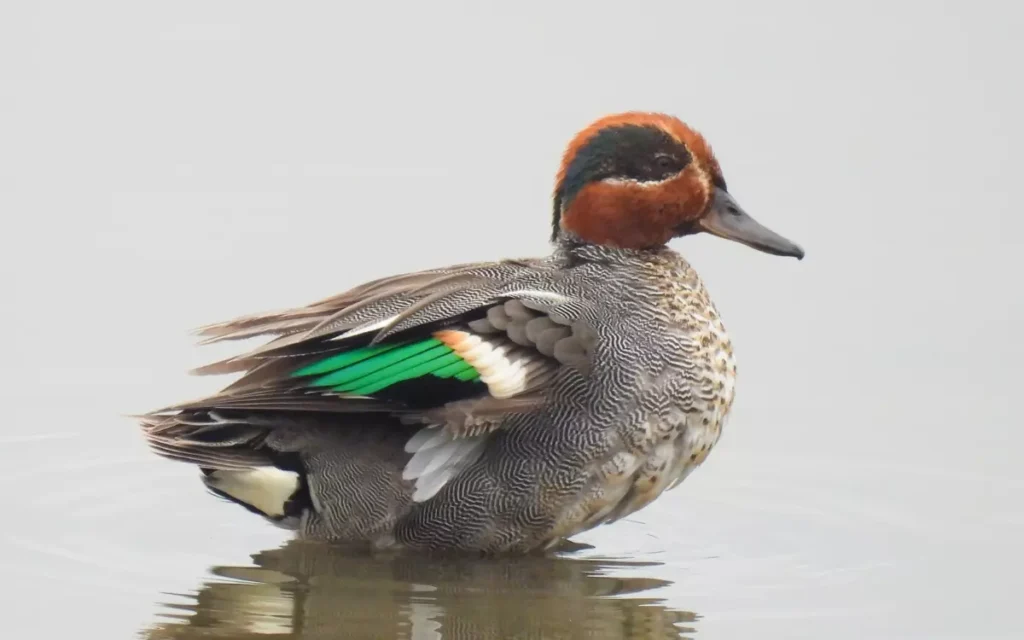
Green-winged Teal are among the smallest ducks found in Connecticut. They are common migrants and winter visitors, especially in shallow wetlands.
Quick facts
- Status: Common migrant and winter visitor
- Best season: Fall and winter
- Habitat: Marshes and shallow wetlands
- Behavior: Dabbling
- Notes: Often seen in tight flocks
7.Blue-winged Teal
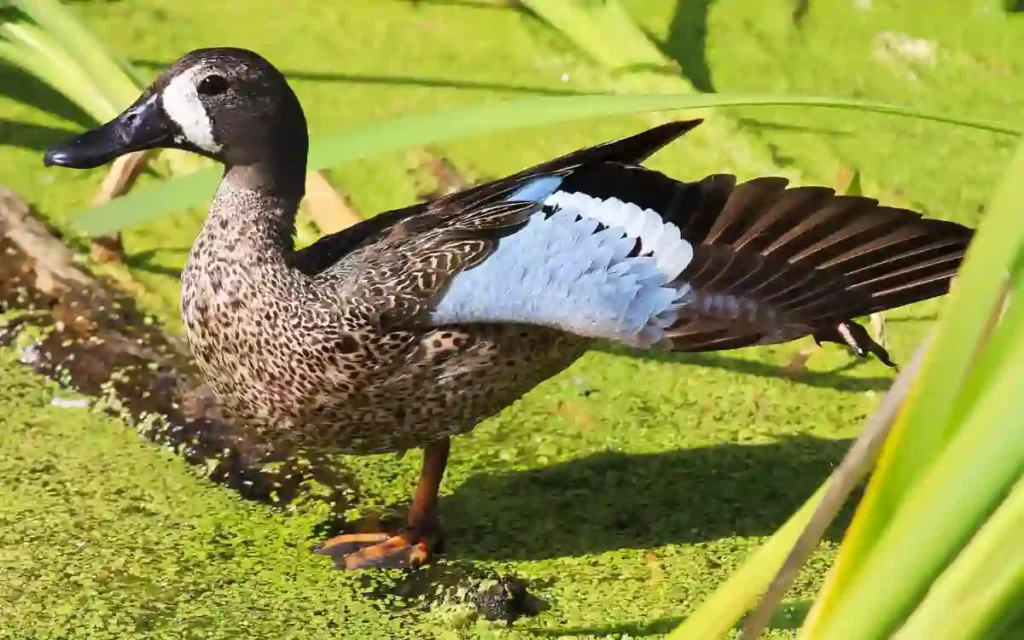
Blue-winged Teal move through Connecticut quickly during spring and fall migration. They are rarely seen in winter.
Quick facts
- Status: Migrant
- Best season: Spring and fall
- Habitat: Shallow wetlands
- Behavior: Dabbling
- Notes: Early spring arrival
8.Northern Pintail
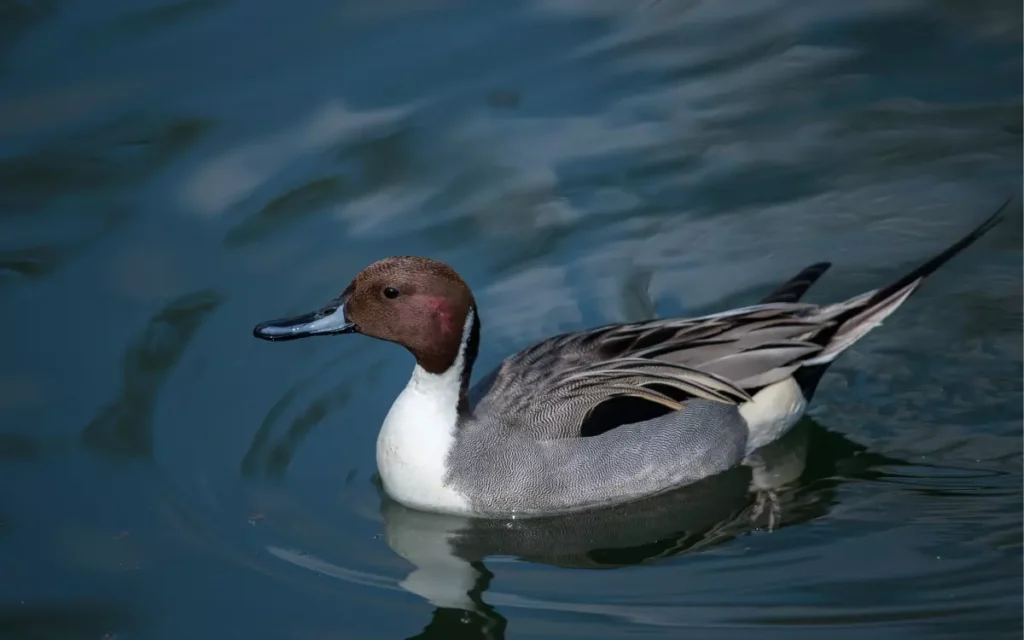
Northern Pintails are elegant migrants with long necks and tails. They are seen mainly during migration periods in Connecticut.
Quick facts
- Status: Migrant
- Best season: Fall and spring
- Habitat: Open wetlands, flooded fields
- Behavior: Dabbling
- Notes: Numbers drop in winter
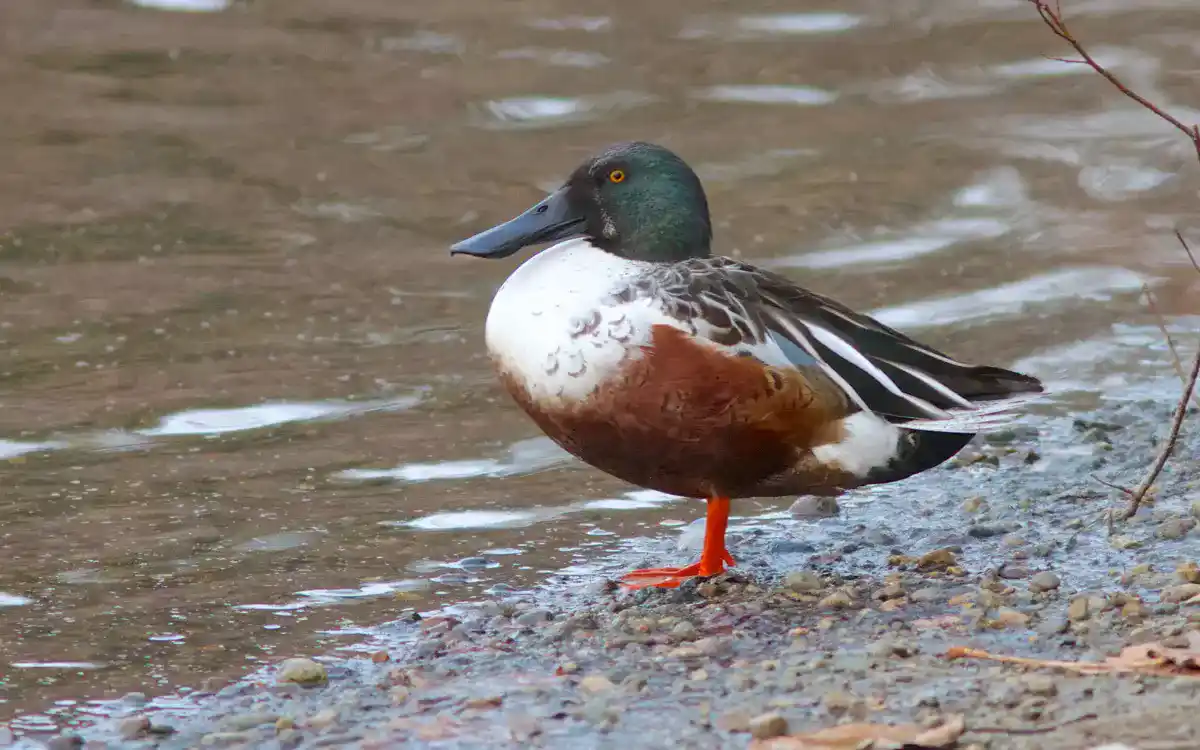
9.Northern Shoveler
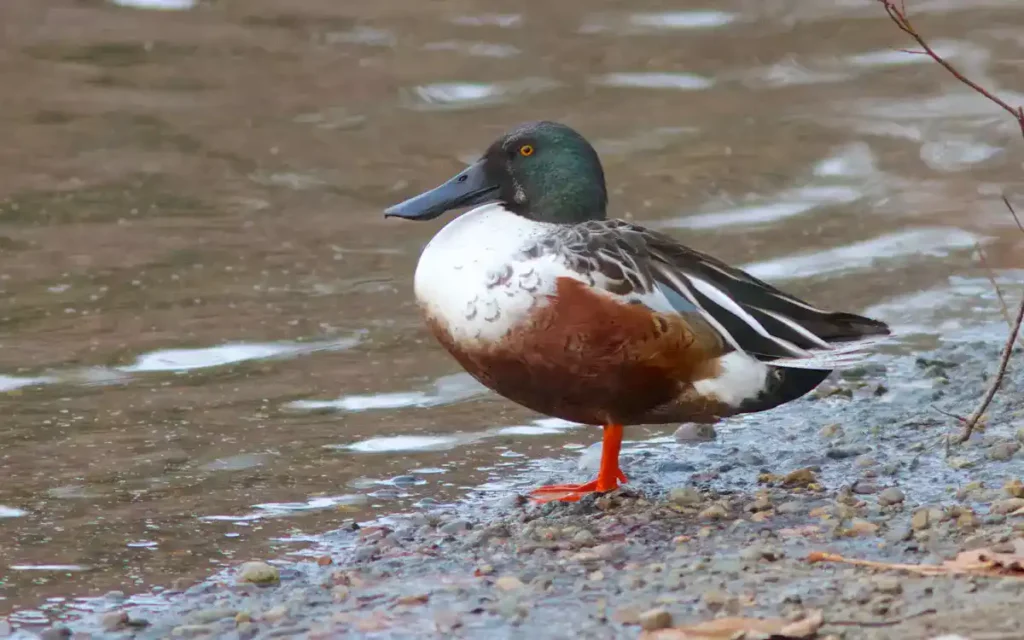
Northern Shovelers are recognizable by their wide bills and are regular migrants in Connecticut.
Quick facts
- Status: Migrant, occasional winter visitor
- Best season: Fall and spring
- Habitat: Shallow wetlands
- Behavior: Filter-feeding
- Notes: Often seen in pairs
10.Canvasback
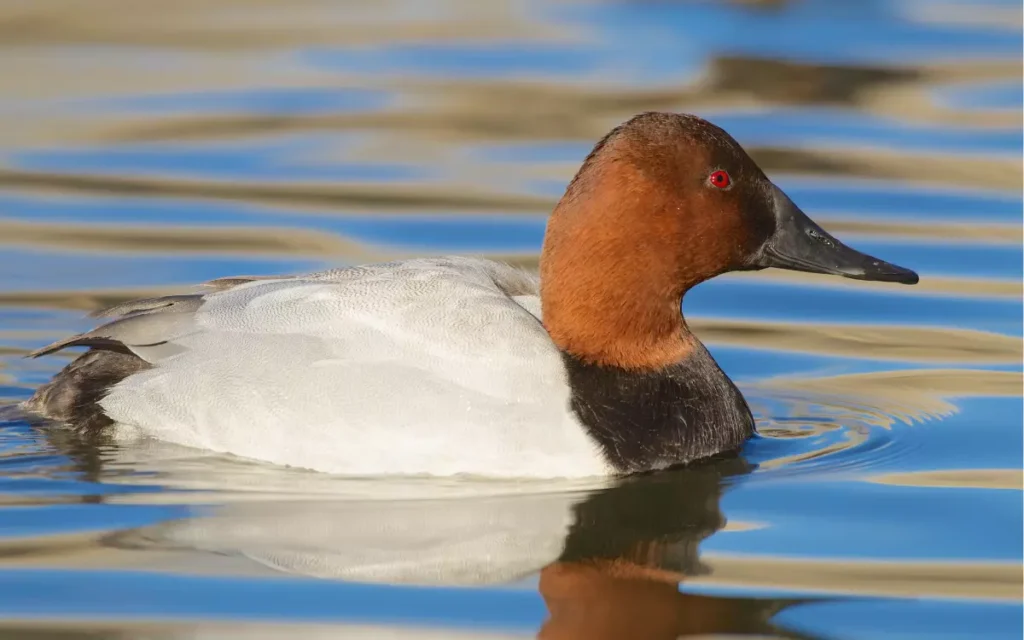
Canvasbacks are winter visitors in Connecticut, most often appearing from late fall through early spring. They favor large lakes, wide rivers, reservoirs, and sheltered coastal waters where they can dive for food. In Connecticut, Canvasbacks are usually seen in small groups or mixed with other diving ducks such as Redheads and scaup. Their presence peaks during colder months when inland waters farther north begin to freeze.
Quick facts
- Status: Winter visitor
- Best season: Late fall through winter
- Habitat: Lakes, rivers, coastal waters
- Behavior: Diving
- Notes: Large, sloping head profile
11.Redhead
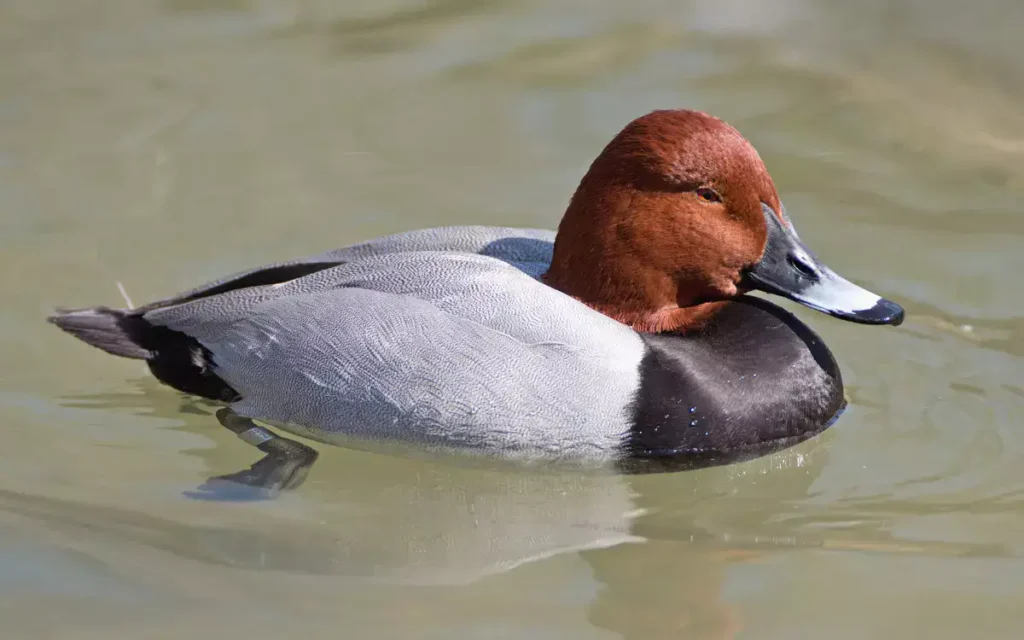
Redheads are seasonal visitors in Connecticut, appearing mainly during fall migration and winter. They are most often found on large lakes, reservoirs, wide rivers, and sheltered coastal waters. In Connecticut, Redheads are commonly seen in small flocks or mixed with other diving ducks such as Canvasbacks and scaup. Numbers vary each year, but sightings increase during colder months when northern waters freeze.
Quick facts
- Status: Migrant and winter visitor
- Best season: Fall and winter
- Habitat: Deep lakes and reservoirs
- Behavior: Diving
- Notes: Often mixed with Canvasbacks
12.Greater Scaup
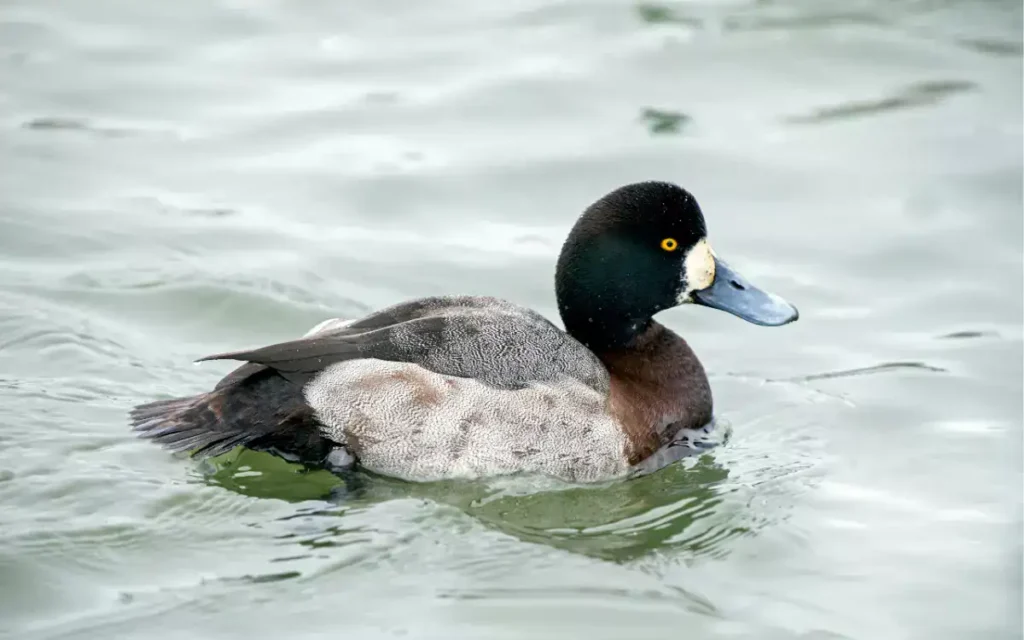
Greater Scaup are common winter ducks in Connecticut, especially along the coast and on large inland reservoirs. They arrive in late fall and remain through winter, often forming sizable flocks on open water. In Connecticut, Greater Scaup are frequently seen on Long Island Sound, where they dive repeatedly for food. Smaller numbers also occur inland, usually mixed with Lesser Scaup and other diving ducks.
Quick facts
- Status: Common winter visitor
- Best season: Winter
- Habitat: Coastal waters, reservoirs
- Behavior: Diving
- Notes: Forms large flocks
13.Lesser Scaup

Lesser Scaup are regular migrants and winter visitors in Connecticut, appearing from late fall through early spring. They are found on both inland waters and coastal areas, including lakes, reservoirs, rivers, and Long Island Sound. In Connecticut, Lesser Scaup often mix with Greater Scaup, making identification tricky. They dive for aquatic plants and invertebrates and are most noticeable during the coldest months.
Quick facts
- Status: Common migrant and winter visitor
- Best season: Fall and winter
- Habitat: Inland lakes and coast
- Behavior: Diving
- Notes: Often mixed with Greater Scaup
14.Ring-necked Duck
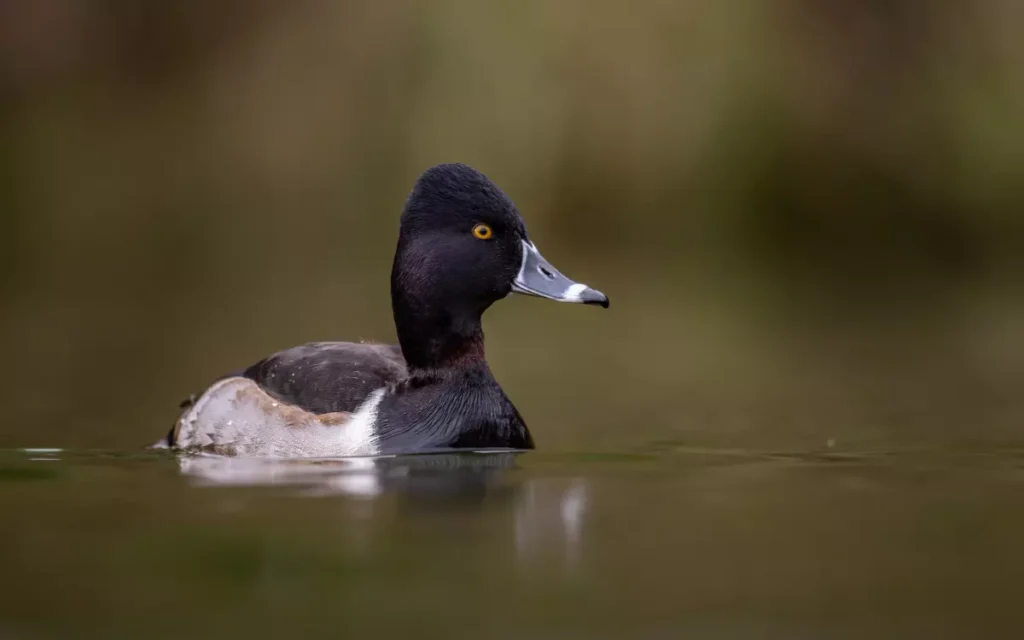
Ring-necked Ducks are common migrants and winter visitors in Connecticut, especially on freshwater ponds, lakes, and reservoirs. They usually arrive in fall and remain through early spring, often forming small flocks on calm water. In Connecticut, Ring-necked Ducks prefer inland habitats rather than coastal areas and are frequently one of the first diving ducks to appear during migration, making them a familiar sight to local birdwatchers.
Quick facts
- Status: Common migrant and winter visitor
- Best season: Fall through winter
- Habitat: Ponds, lakes, reservoirs
- Behavior: Diving
- Notes: Favors freshwater
15.Bufflehead
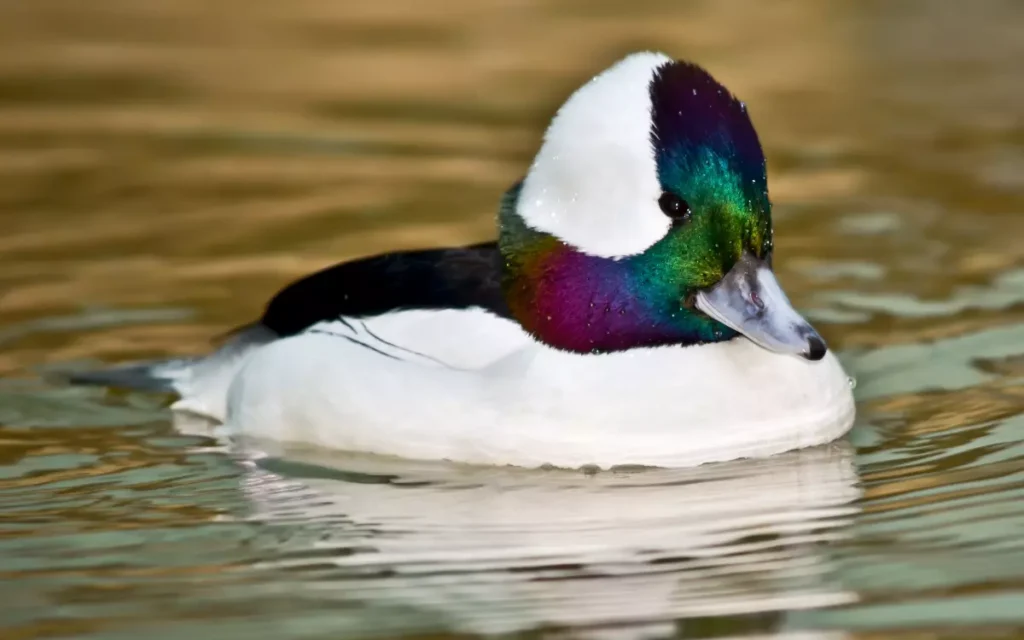
Buffleheads are common winter visitors in Connecticut, arriving in late fall and remaining through early spring. They are frequently seen on ponds, lakes, reservoirs, and sheltered coastal waters, where they dive repeatedly for aquatic insects and invertebrates. In Connecticut, Buffleheads are often observed as single birds or in small groups, sometimes mixed with other diving ducks, and are among the most active and easy-to-spot winter ducks.
Quick facts
- Status: Common winter visitor
- Best season: Winter
- Habitat: Ponds, lakes, coastal waters
- Behavior: Diving
- Notes: Very active swimmers
16.Common Goldeneye
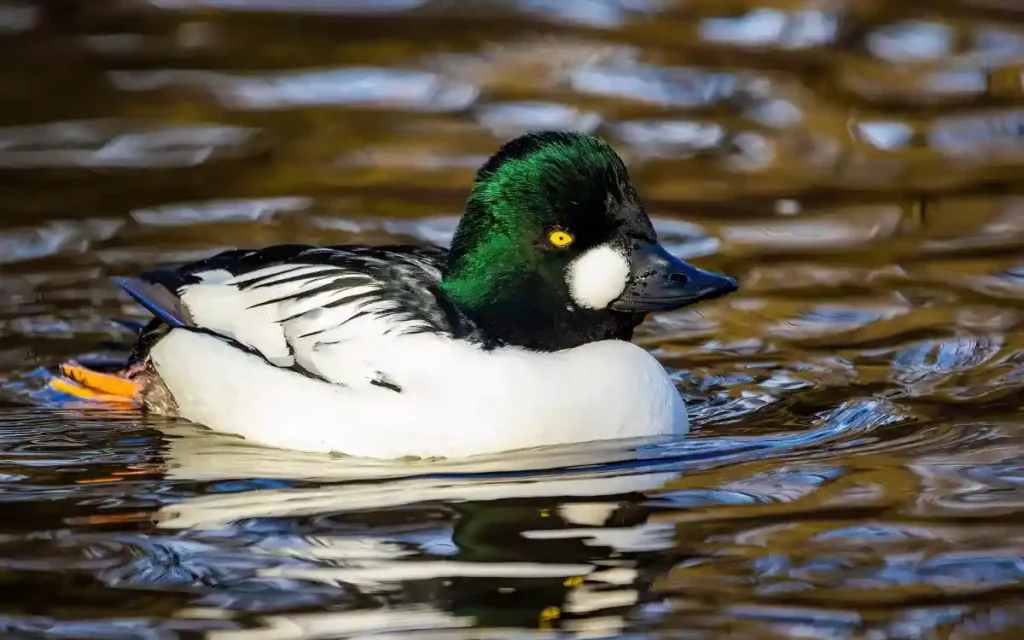
Common Goldeneyes are winter visitors in Connecticut, typically arriving in late fall and staying until early spring. They are most often found on large rivers, reservoirs, and coastal waters where open water remains available. In Connecticut, they are known for their strong, direct flight and the distinctive whistling sound made by their wings. Goldeneyes usually appear in small groups and dive frequently while feeding.
Quick facts
- Status: Winter visitor
- Best season: Winter
- Habitat: Rivers, reservoirs, coast
- Behavior: Diving
- Notes: Loud wing sounds in flight
17.Long-tailed Duck
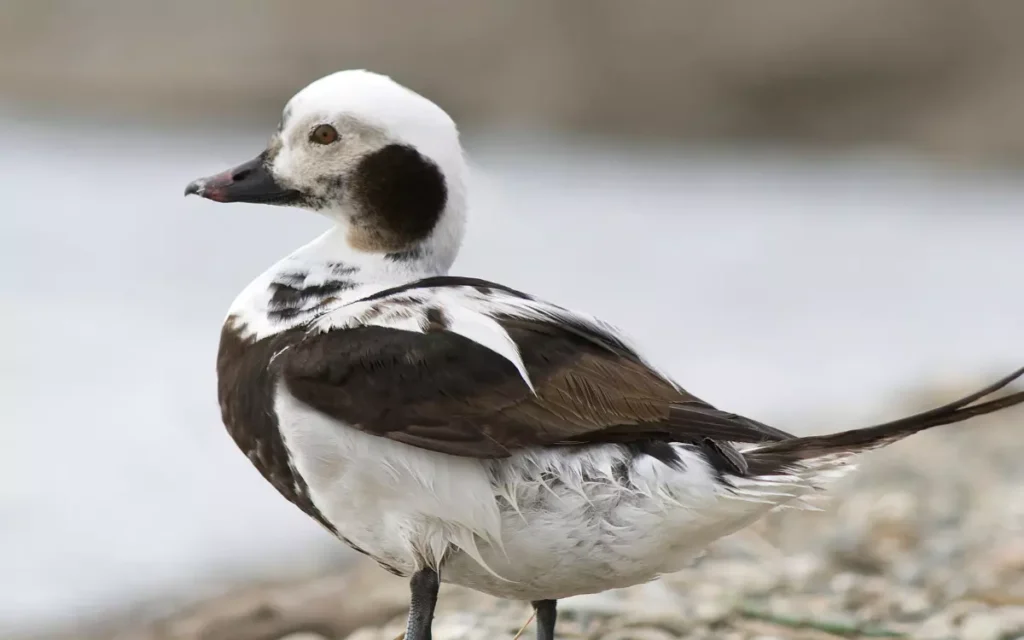
Long-tailed Ducks are common winter sea ducks in Connecticut, especially along the coast and offshore waters of Long Island Sound. They typically arrive in late fall and remain through early spring, favoring open, cold waters where they dive deeply for food. In Connecticut, Long-tailed Ducks are often seen in active flocks riding waves far from shore, making winter coastal surveys the best time to spot them.
Quick facts
- Status: Common winter sea duck
- Best season: Winter
- Habitat: Offshore coastal waters
- Behavior: Deep diving
- Notes: Often seen far offshore
18.Common Eider
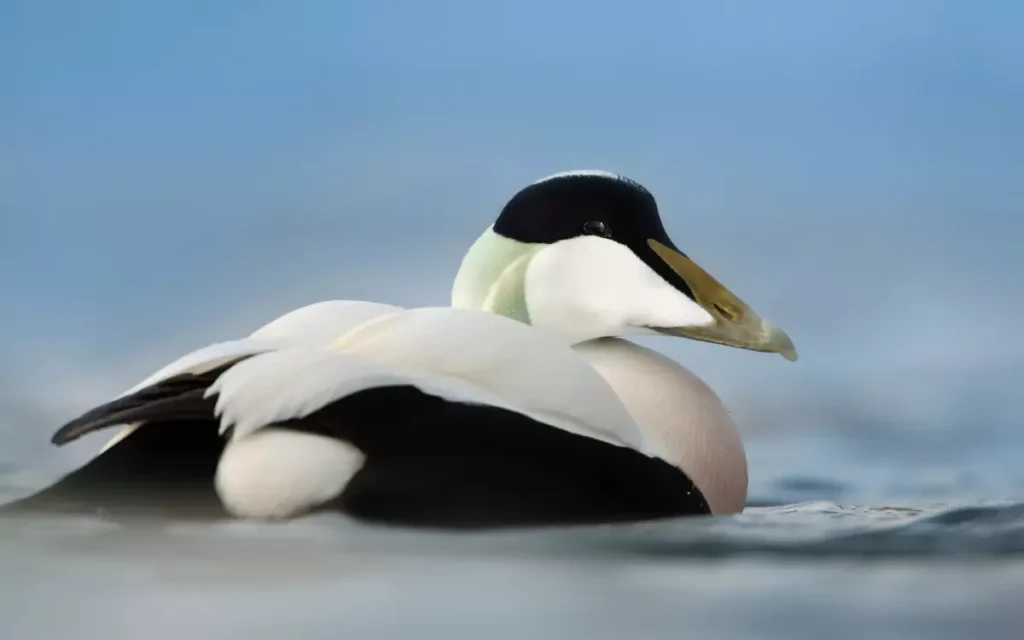
Common Eiders are large sea ducks that appear in Connecticut mainly during winter, usually from late fall through early spring. They are most often found offshore along Long Island Sound, favoring cold, open coastal waters. In Connecticut, sightings are typically limited to small numbers, often during colder winters. Common Eiders dive for shellfish and are easiest to observe from coastal viewpoints during rough weather.
Quick facts
- Status: Winter visitor
- Best season: Winter
- Habitat: Coastal waters
- Behavior: Diving
- Notes: Very large duck
19.Surf Scoter
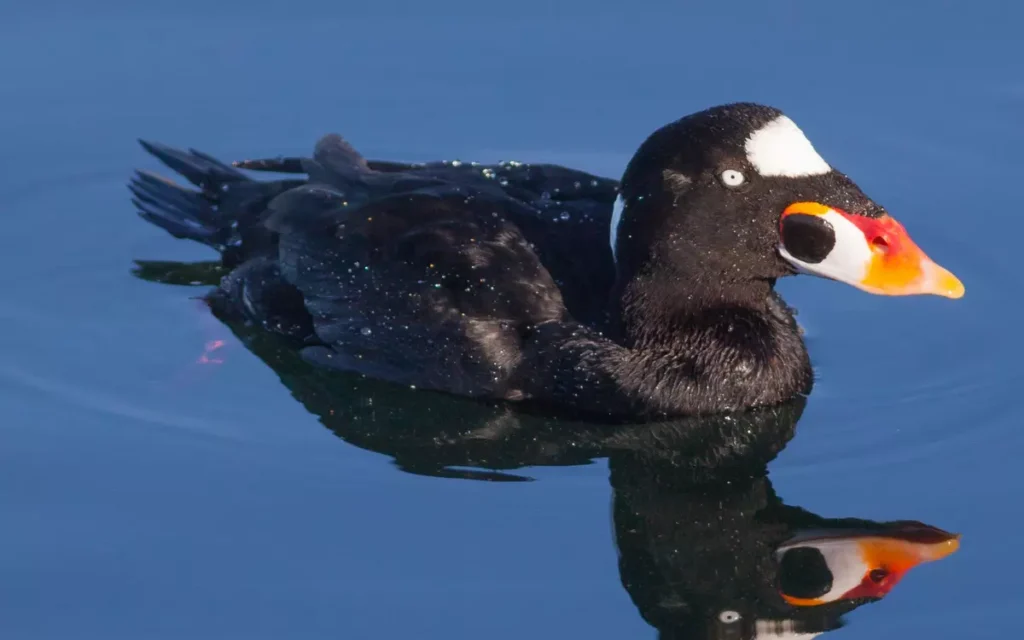
Surf Scoters are common winter sea ducks along the Connecticut coast, arriving in late fall and remaining through early spring. They are most often seen on open waters of Long Island Sound, where they form active flocks and dive repeatedly for shellfish. In Connecticut, Surf Scoters are easiest to spot from shore during windy or rough conditions, when flocks move closer to land to feed.
Quick facts
- Status: Common winter visitor
- Best season: Winter
- Habitat: Coastal waters
- Behavior: Diving
- Notes: Often seen in rough seas
20.Black Scoter
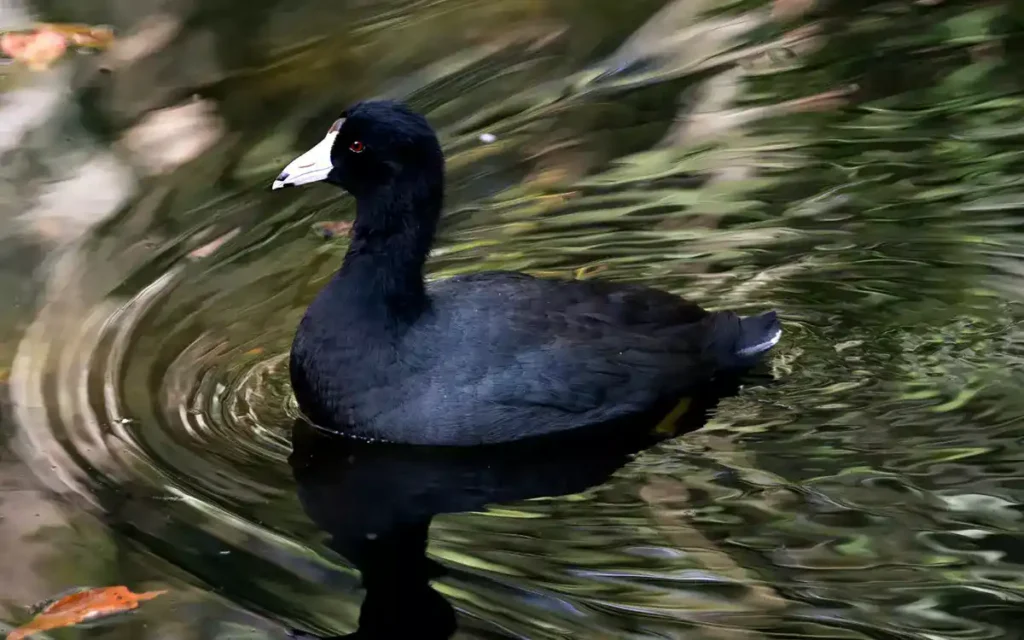
Black Scoters are winter visitors in Connecticut, appearing mainly from late fall through early spring. They are most often found offshore on Long Island Sound, favoring open coastal waters rather than inland lakes. In Connecticut, Black Scoters usually occur in small flocks or mixed with other scoters and are easiest to observe during winter storms, when birds move closer to shore to feed.
Quick facts
- Status: Winter visitor
- Best season: Winter
- Habitat: Offshore coastal waters
- Behavior: Diving
- Notes: Rarely seen inland
21.White-winged Scoter
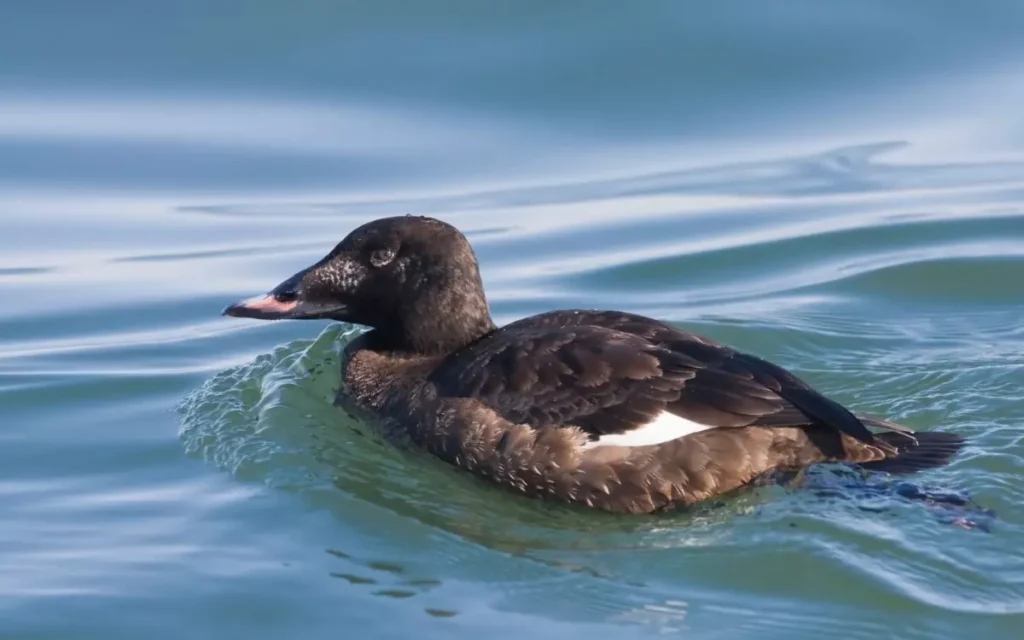
White-winged Scoters are winter visitors in Connecticut, typically arriving in late fall and remaining through early spring. They are the largest scoter species found in the state and are most often seen offshore on Long Island Sound. In Connecticut, they usually stay farther from shore than Surf or Black Scoters, diving in deep coastal waters and appearing in small groups or mixed scoter flocks.
Quick facts
- Status: Winter visitor
- Best season: Winter
- Habitat: Offshore waters
- Behavior: Diving
- Notes: Usually farther offshore
22.Harlequin Duck

Harlequin Ducks are rare but regular winter visitors in Connecticut, appearing mainly from late fall through early spring. They are most often found along rocky shorelines and fast-moving coastal waters of Long Island Sound. In Connecticut, Harlequin Ducks usually occur in small numbers and are highly sought after by birdwatchers. Their presence varies by year, with sightings increasing during colder winters and rough coastal conditions.
Quick facts
- Status: Rare winter visitor
- Best season: Winter
- Habitat: Rocky coastlines
- Behavior: Diving
- Notes: Highly sought-after species
23.Common Merganser
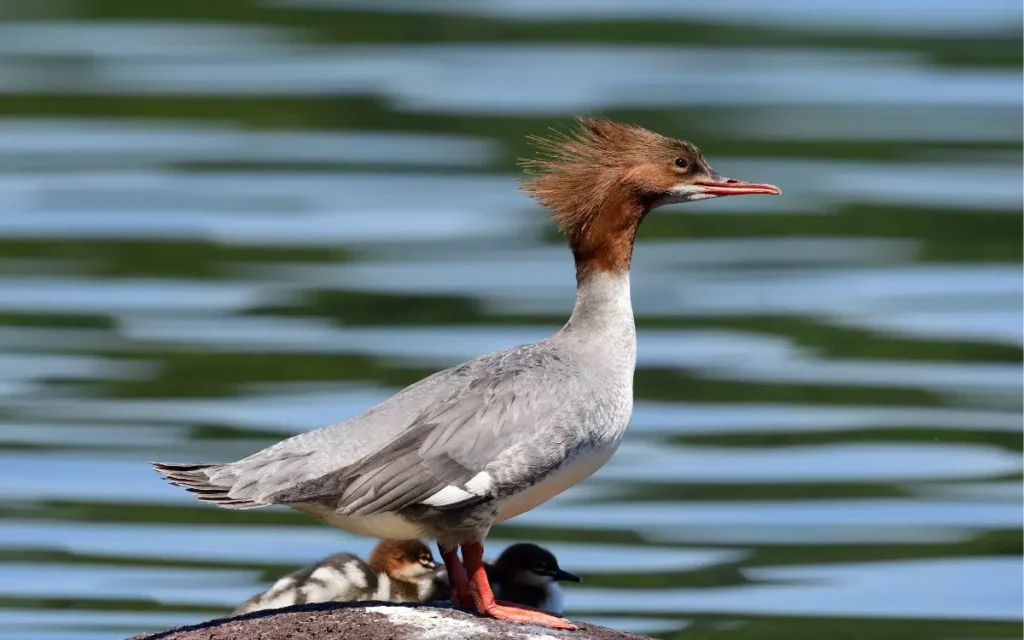
Common Mergansers are regular winter visitors in Connecticut, arriving in late fall and staying through early spring. They are most often found on large rivers, reservoirs, and deep lakes where they hunt fish underwater. In Connecticut, small numbers also breed locally, especially in quieter freshwater areas. These ducks are usually seen in small groups and are more common inland than along the coast.
Quick facts (Connecticut)
- Status: Common winter visitor
- Best season: Winter
- Habitat: Rivers and lakes
- Behavior: Fish-eating
- Notes: Some local breeding
24.Red-breasted Merganser
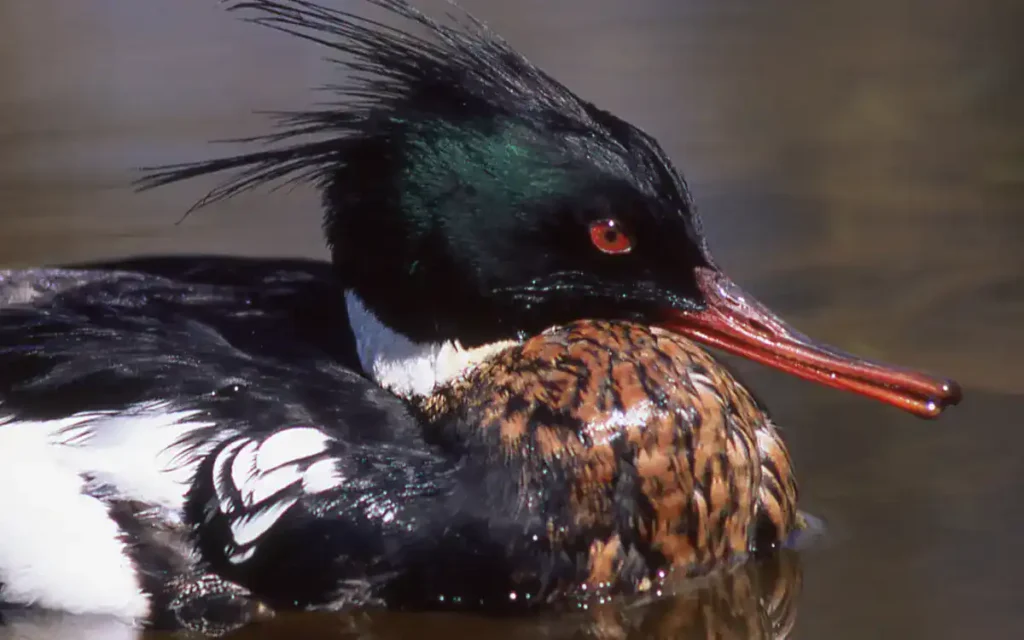
Red-breasted Mergansers appear in Connecticut mainly during winter and are strongly tied to coastal habitats. They are most often seen on Long Island Sound, bays, and open coastal waters, where they dive actively for fish. In Connecticut, they are far more common along the coast than inland and often form loose flocks during colder months, sometimes mixed with other sea ducks.
Quick facts
- Status: Winter visitor
- Best season: Winter
- Habitat: Coastal waters
- Behavior: Fish-eating
- Notes: More marine than Common Merganser
25.Hooded Merganser
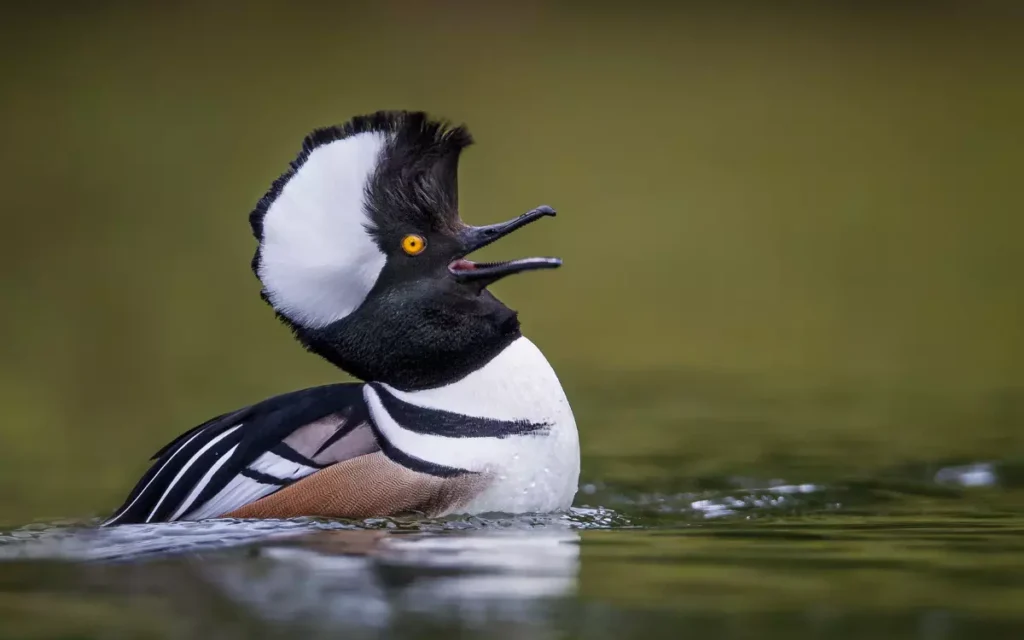
Hooded Mergansers are among the most distinctive ducks in Connecticut and are present year-round in some areas. They breed in wooded wetlands and slow-moving streams, using tree cavities for nesting. In winter, their numbers increase as migrants arrive from farther north. In Connecticut, they are most often seen on quiet ponds, lakes, and sheltered waterways.
Quick facts
- Status: Resident and breeder
- Best season: Spring through fall
- Habitat: Wooded wetlands
- Behavior: Diving
- Notes: Striking fan-shaped crest
26.Ruddy Duck
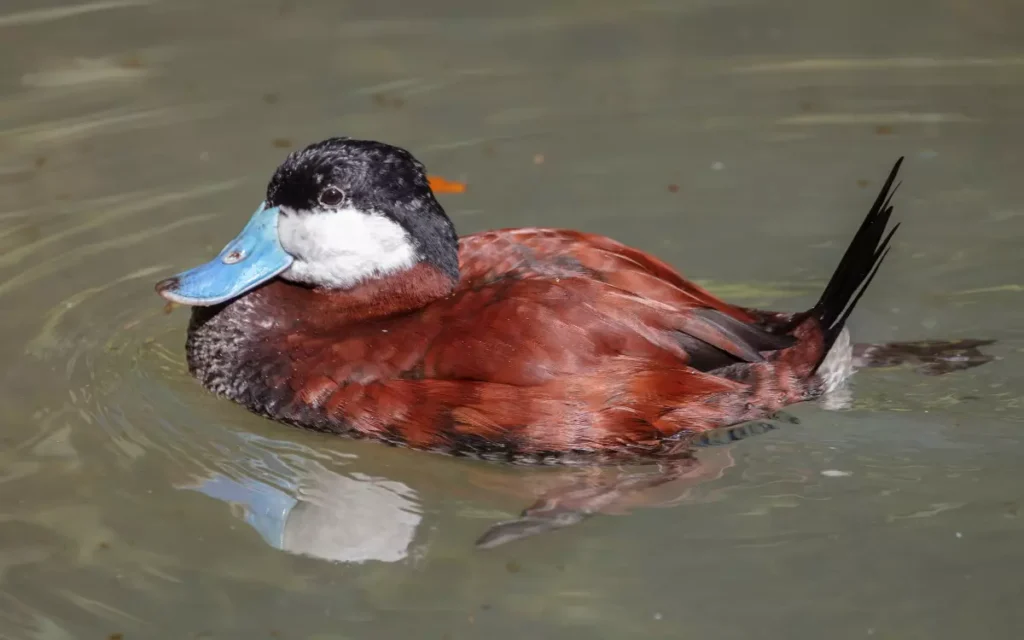
Ruddy Ducks are uncommon but regular migrants in Connecticut, appearing mainly during fall and occasionally in spring. They favor freshwater ponds, marshes, and sheltered wetlands rather than open water. In Connecticut, Ruddy Ducks are usually seen as single birds or in small groups and are easiest to spot during migration periods when water levels are stable.
Quick facts
- Status: Uncommon migrant
- Best season: Fall
- Habitat: Freshwater ponds
- Behavior: Diving
- Notes: Stiff tail often held upright
27.Eurasian Wigeon
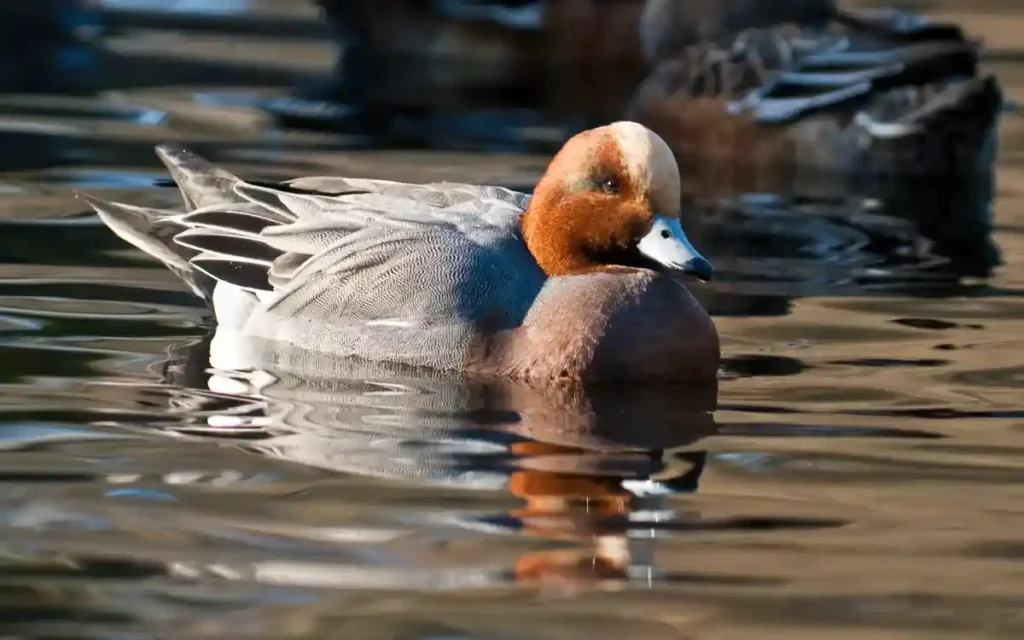
Eurasian Wigeons are rare visitors in Connecticut and are most often reported during winter. They typically appear among flocks of American Wigeons on lakes, wetlands, and flooded fields. In Connecticut, sightings usually involve single individuals and can vary widely from year to year, making this species an exciting find for local birdwatchers.
Quick facts
- Status: Rare winter visitor
- Best season: Winter
- Habitat: Wetlands and lakes
- Behavior: Dabbling
- Notes: Usually mixed with American Wigeons
28.Tufted Duck
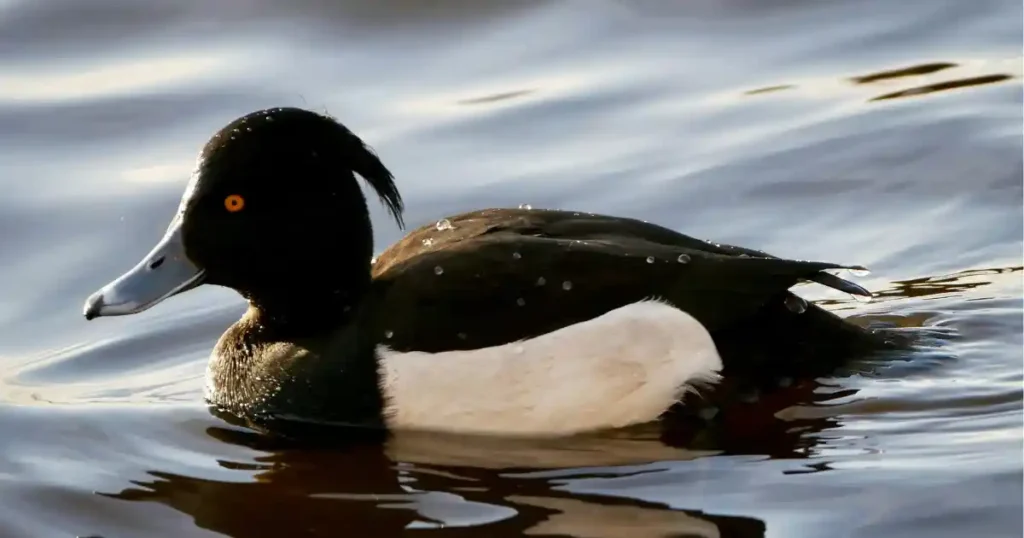
Tufted Ducks are very rare in Connecticut and are usually detected during winter. Most records involve lone birds mixed with scaup flocks on deep lakes, reservoirs, or coastal waters. In Connecticut, sightings are infrequent but regular enough to occur most years. Careful observation is often required, as they closely resemble scaup at a distance.
Quick facts (Connecticut)
- Status: Very rare visitor
- Best season: Winter
- Habitat: Deep water
- Behavior: Diving
- Notes: Distinctive head tuft
29.King Eider
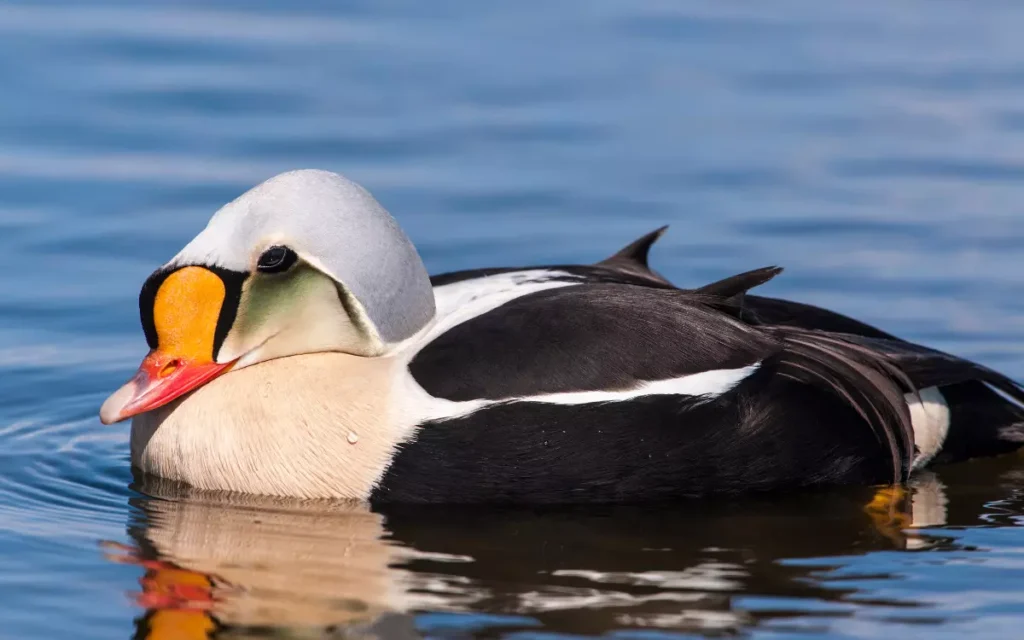
King Eiders are extremely rare winter visitors to Connecticut, typically appearing offshore during especially cold or stormy winters. They are most likely to be found far out on Long Island Sound rather than near shore. In Connecticut, sightings are uncommon and noteworthy, often involving single birds mixed with other sea ducks and requiring good viewing conditions.
Quick facts (Connecticut)
- Status: Extremely rare
- Best season: Winter
- Habitat: Offshore waters
- Behavior: Diving
- Notes: Sightings are notable
30.Mandarin Duck
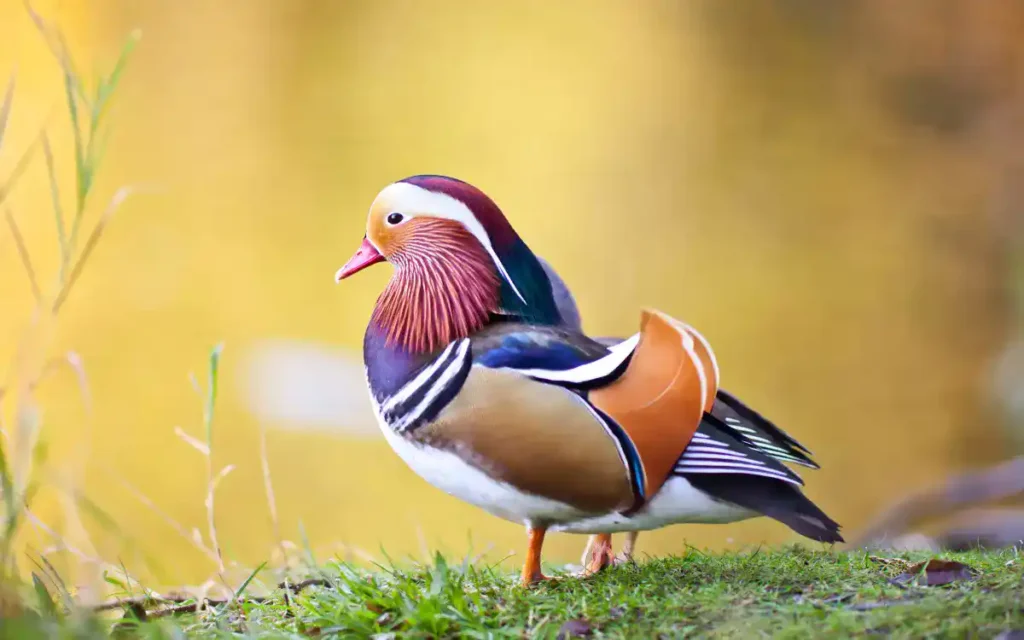
Mandarin Ducks are not native to Connecticut and are extremely rare in the wild. Most sightings in the state are believed to involve escaped or released captive birds. In Connecticut, these ducks are usually found on small ponds or park lakes and may linger for extended periods. Any sighting should be carefully documented due to their non-native status.
Quick facts (Connecticut)
- Status: Extremely rare
- Best season: Irregular
- Habitat: Ponds and parks
- Behavior: Dabbling
- Notes: Often escaped captive birds