25 Brown Birds In Connecticut
Brown birds are some of the most common and easily overlooked birds in Connecticut. Their earthy colors help them blend into forests, fields, wetlands, and backyards, which makes them harder to identify at a glance. Despite their subtle appearance, these birds make up a large portion of the state’s birdlife and include sparrows, wrens, thrushes, blackbirds, and several ground-dwelling species.
Connecticut is home to around 25 brown bird species that can be seen throughout the year or during migration. Some are present year-round, while others appear only in spring, fall, or winter. This guide highlights brown birds found in the state, with identification tips and habitat notes to help you recognize each species and understand when and where you’re most likely to see them.
1. Song Sparrow
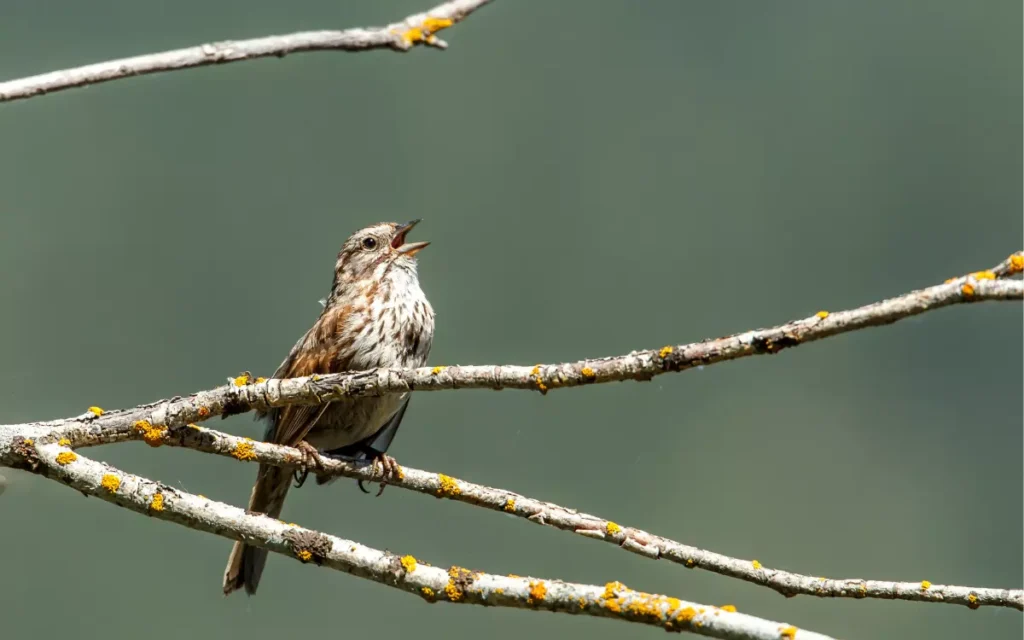
The Song Sparrow is one of the most common brown birds in Connecticut and can be found year-round across much of the state. It prefers brushy edges, wetlands, gardens, and suburban yards where dense cover is available. In Connecticut, Song Sparrows are especially noticeable in spring and summer when males sing loudly from shrubs and fence lines. Their streaked brown plumage helps them blend into grasses and leaf litter, making them easier to hear than see. During winter, some birds migrate south, but many remain, particularly in milder coastal areas. Song Sparrows forage mostly on the ground, feeding on seeds, insects, and small invertebrates.
2. House Sparrow
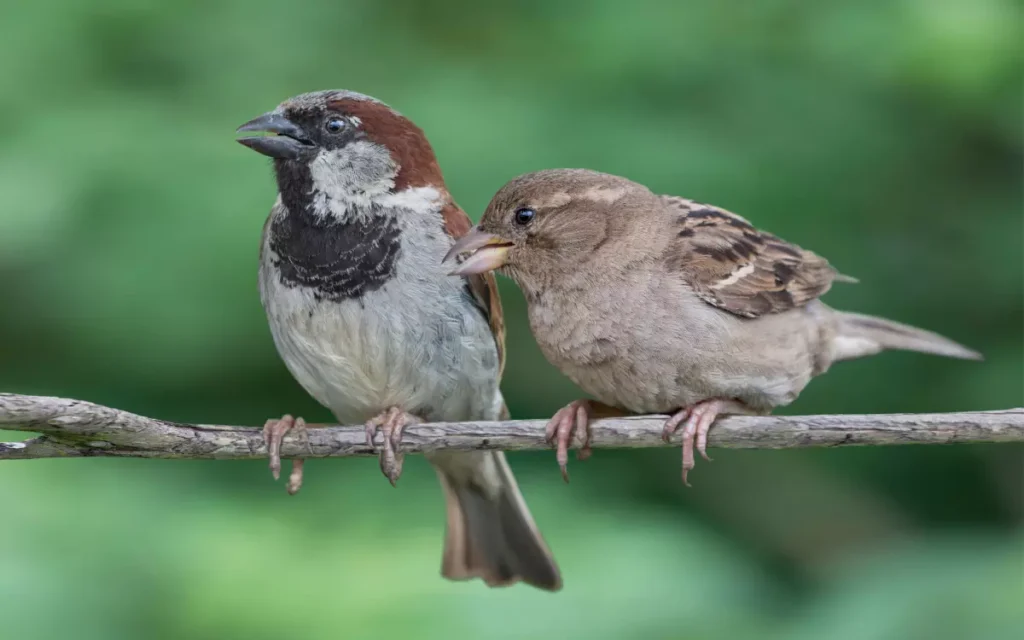
House Sparrows are non-native but extremely common brown birds throughout Connecticut. They are found year-round in cities, towns, farms, and suburban neighborhoods, rarely far from human activity. In Connecticut, House Sparrows nest in buildings, vents, and other structures, often forming noisy colonies. Their brown and gray plumage allows them to blend into urban environments easily. Unlike many native sparrows, House Sparrows do not migrate and are present in all seasons. They feed on seeds, crumbs, grains, and insects, frequently visiting feeders. Although widespread, they often compete with native birds for nesting sites.
3. Savannah Sparrow
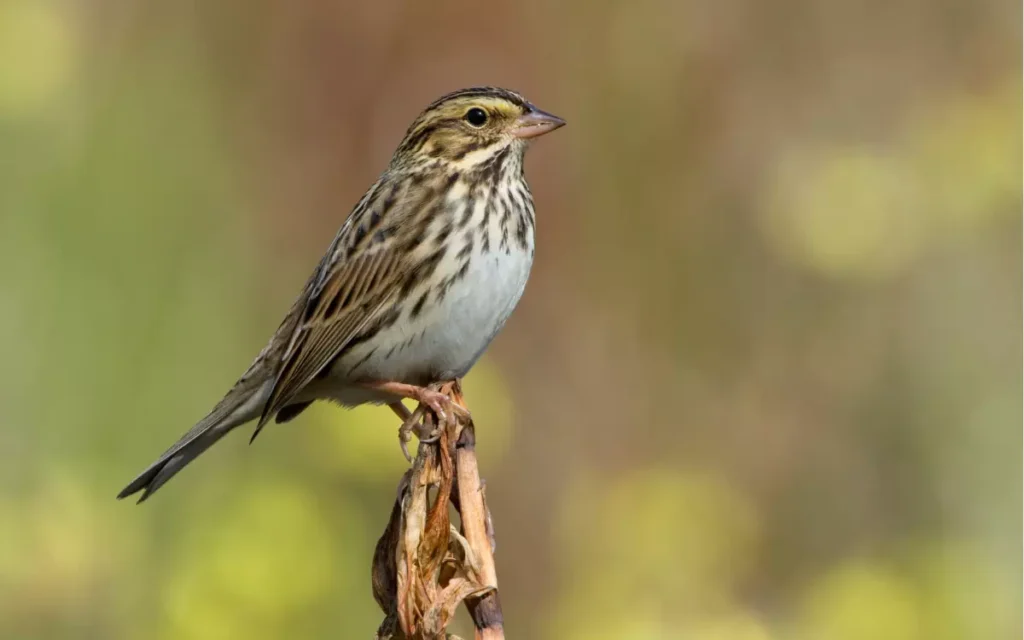
Savannah Sparrows are small, streaked brown birds commonly seen in Connecticut during spring, summer, and fall. They favor open grasslands, coastal fields, airports, and farmland, where their cryptic plumage provides excellent camouflage. In Connecticut, they breed locally in suitable grassland habitats and are especially noticeable during migration when numbers increase. Savannah Sparrows forage on the ground, feeding on seeds and insects. During winter, most individuals migrate south, making them less common in the coldest months. Their subtle yellow markings near the face can help with identification when viewed closely.
4. Swamp Sparrow
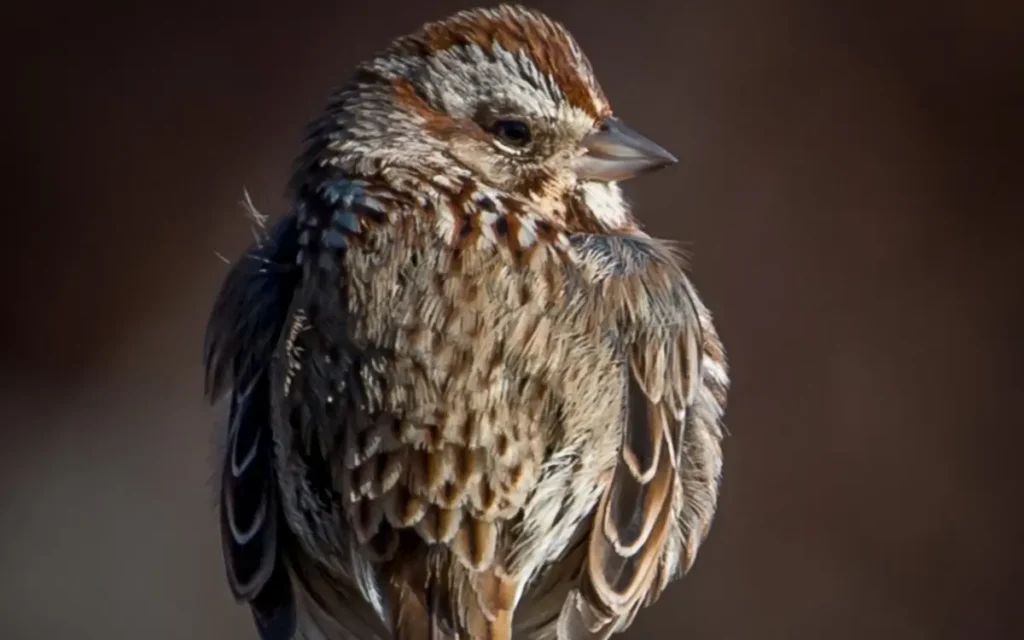
Swamp Sparrows are strongly associated with wetlands in Connecticut, including marshes, bogs, and wet meadows. They are mostly brown with rich reddish tones and are best seen during spring through fall. In Connecticut, Swamp Sparrows breed in freshwater marshes and are often heard singing from low vegetation. During migration and winter, some individuals remain, especially in coastal marshes where temperatures are milder. Their preference for dense wet habitat makes them less visible, but patient observation often reveals them hopping near water’s edge while feeding on seeds and insects.
5. Fox Sparrow
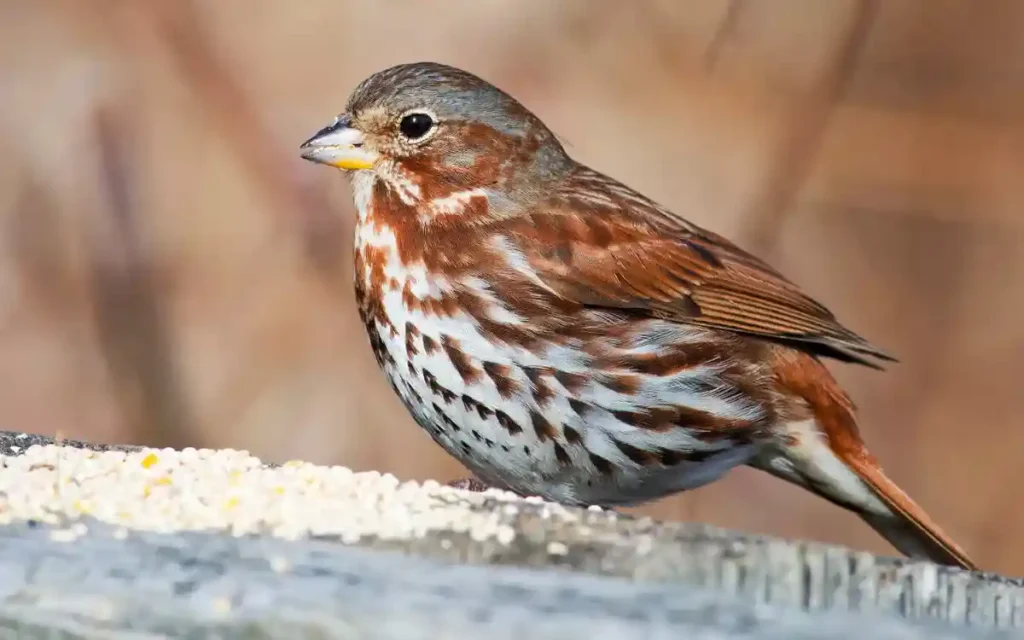
Fox Sparrows are large, heavily streaked brown sparrows that pass through Connecticut mainly during fall and spring migration. They prefer wooded edges, brushy areas, and forest understory where they forage by scratching through leaf litter. In Connecticut, Fox Sparrows are most noticeable in early spring, often appearing briefly before continuing north. They are not common breeders in the state and are rarely seen in summer. Their bold markings and size make them stand out compared to other sparrows, even though their overall coloration remains brown and earthy.
6. Chipping Sparrow
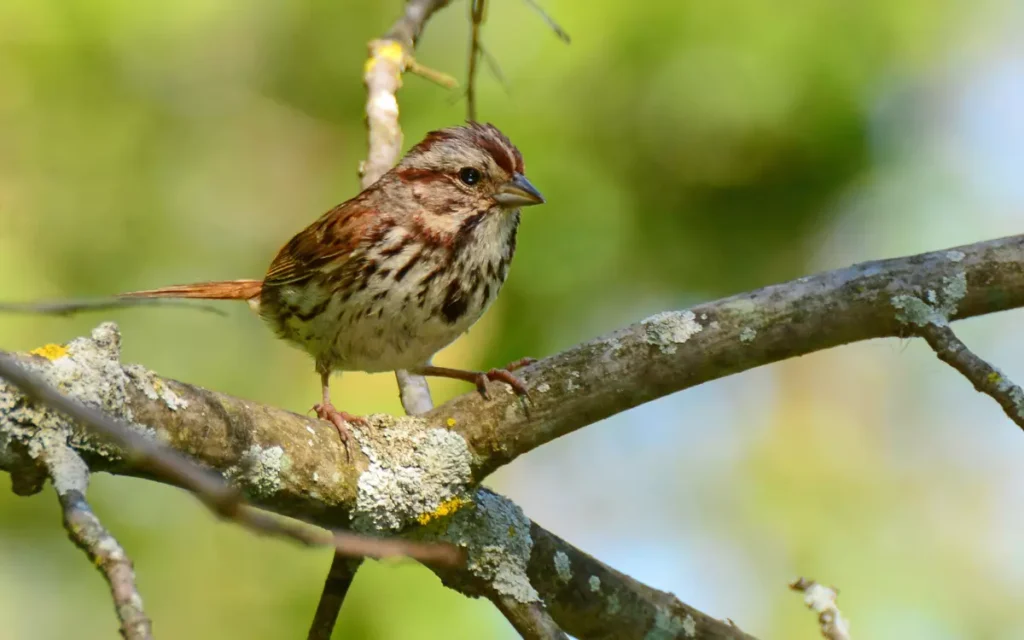
Chipping Sparrows are small, neat-looking brown birds commonly seen in Connecticut from spring through fall. They prefer open woodlands, parks, yards, and forest edges. In Connecticut, they breed widely and are often seen foraging on the ground or perching on low branches. During winter, most migrate south, though a few may linger in mild years. Their clean gray chest and rusty cap help distinguish them from other brown sparrows. Chipping Sparrows feed primarily on seeds but switch to insects during the breeding season.
7. White-throated Sparrow
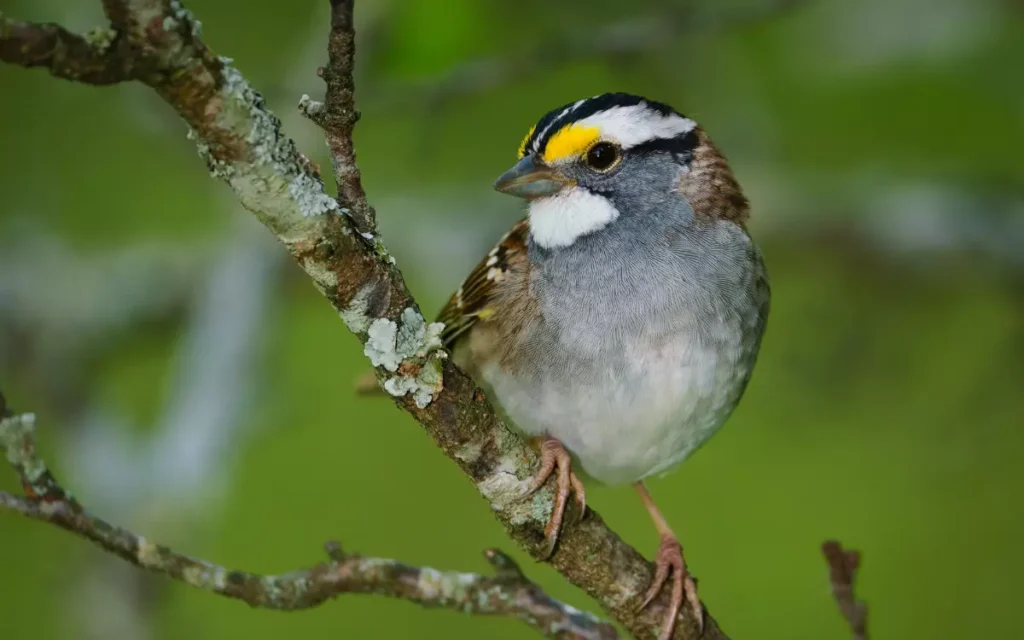
White-throated Sparrows are familiar winter brown birds in Connecticut. They arrive in fall and remain through early spring, frequenting woodlands, thickets, and backyard feeding areas. Their brown, streaked backs blend well with fallen leaves, while their white throat and yellow facial patches aid identification. In Connecticut, they are among the most common winter sparrows, often heard giving soft whistles even during cold months. They forage mostly on the ground, feeding on seeds and small insects, and readily visit bird feeders.
8. Field Sparrow
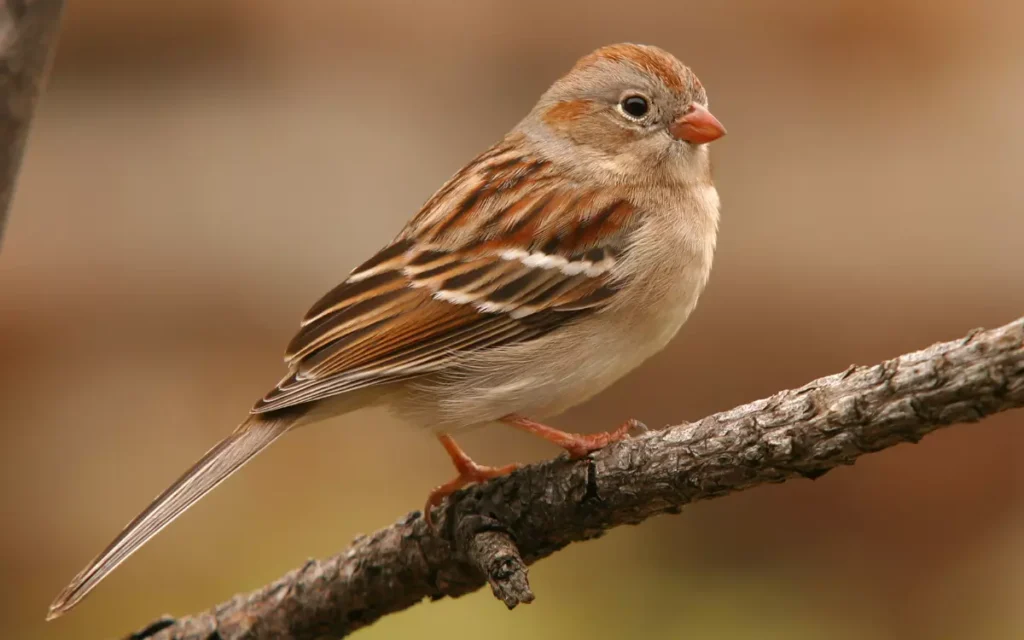
Field Sparrows are small, warm-brown birds found in Connecticut’s open fields, overgrown pastures, and brushy edges. They breed locally and are most common from spring through fall. In Connecticut, their presence declines in winter as many migrate south. Field Sparrows are often detected by their sweet, accelerating song rather than by sight. Their plain brown coloring and pinkish bill help distinguish them from other sparrows. They feed mainly on seeds and insects and prefer areas with scattered shrubs rather than dense forests.
9. House Wren
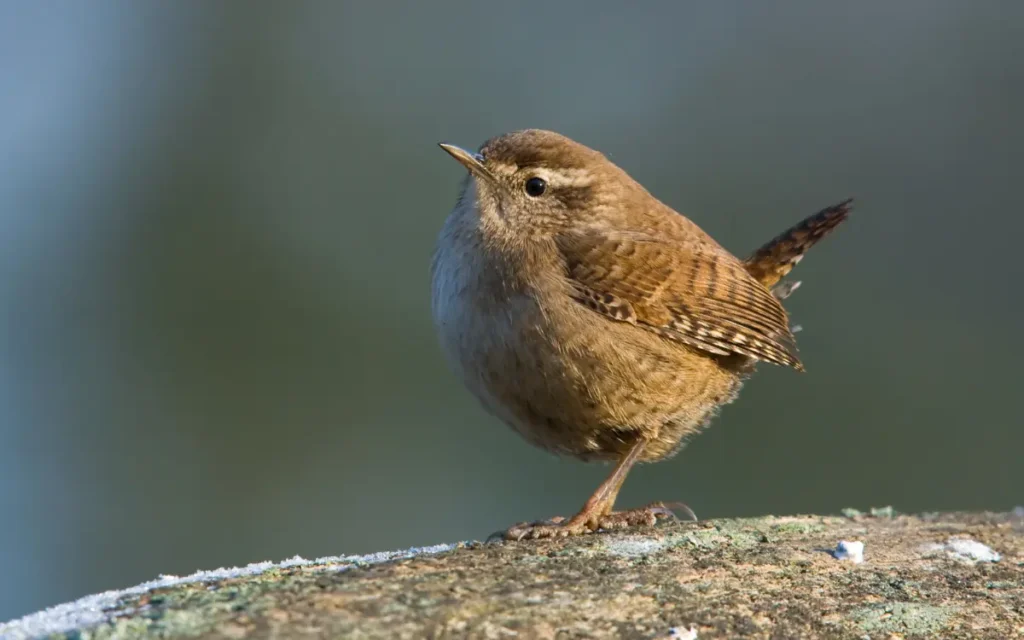
House Wrens are tiny but energetic brown birds that breed widely across Connecticut. They arrive in spring and remain through summer, nesting in cavities, birdhouses, and crevices. Despite their small size, House Wrens are very vocal and often heard singing loudly from shrubs and fences. In Connecticut, they prefer gardens, forest edges, and suburban areas. Most House Wrens migrate south for winter, making them absent during colder months. Their plain brown plumage helps them blend into vegetation while they hunt insects.
10. Carolina Wren
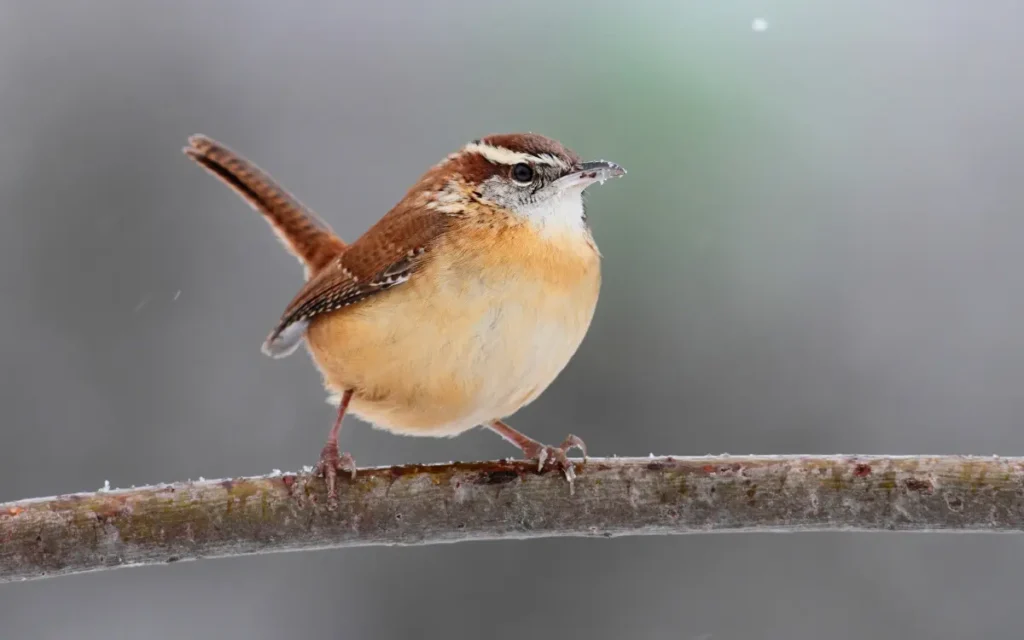
Carolina Wrens are stocky brown birds that are present year-round in Connecticut, though they were less common historically. They favor dense shrubs, woodpiles, and forest edges, especially in southern parts of the state. In Connecticut, mild winters allow more Carolina Wrens to survive, and their loud, rolling songs are often heard even in winter. Their warm brown coloring, bold white eyebrow stripe, and active behavior make them easier to identify. They feed mainly on insects and spiders.
11. Winter Wren
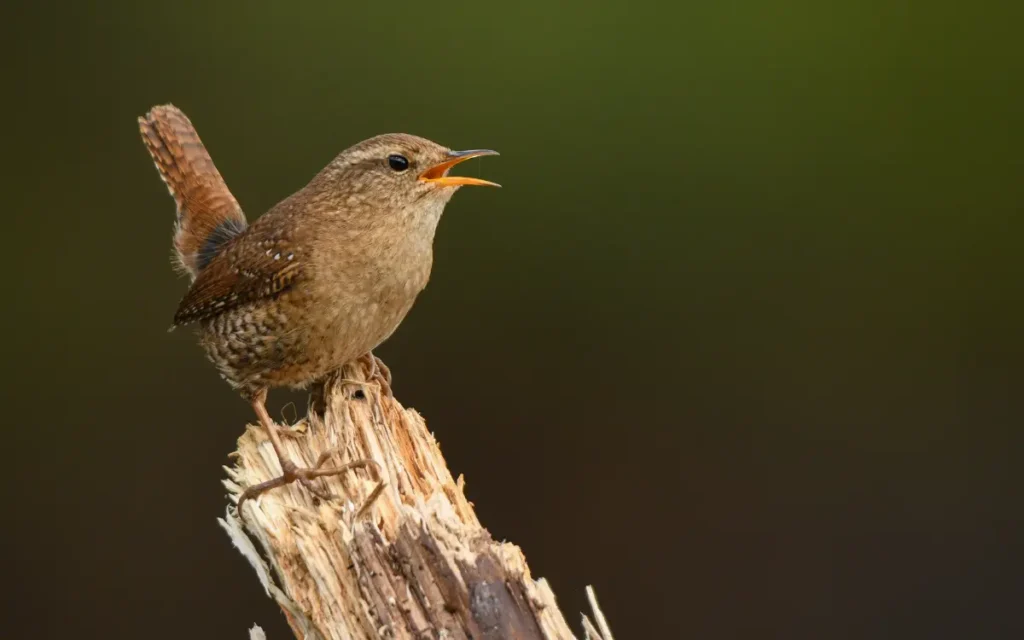
Winter Wrens are small, dark brown birds found in Connecticut mainly during migration and winter. They prefer dense forests, fallen logs, and streamside vegetation. In Connecticut, they are most often seen in cold months, hopping low to the ground in shadowy areas. Their compact bodies and short tails give them a round appearance. Winter Wrens feed on insects and spiders and are usually silent outside the breeding season, making them easy to overlook.
12. Marsh Wren
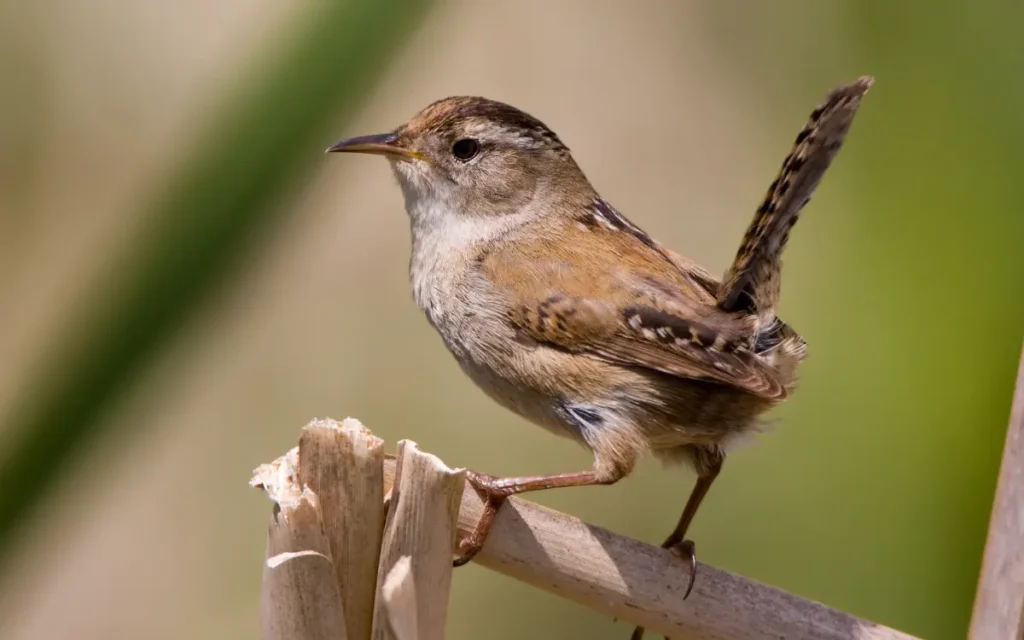
Marsh Wrens are secretive brown birds that live in Connecticut’s freshwater marshes. They breed in the state and are most active during spring and summer. In Connecticut, they build multiple dome-shaped nests attached to reeds and cattails. Their streaked brown plumage provides excellent camouflage among wetland plants. Most Marsh Wrens migrate south for winter, leaving marshes quiet during colder months. They feed mainly on insects and small invertebrates.
13. Hermit Thrush
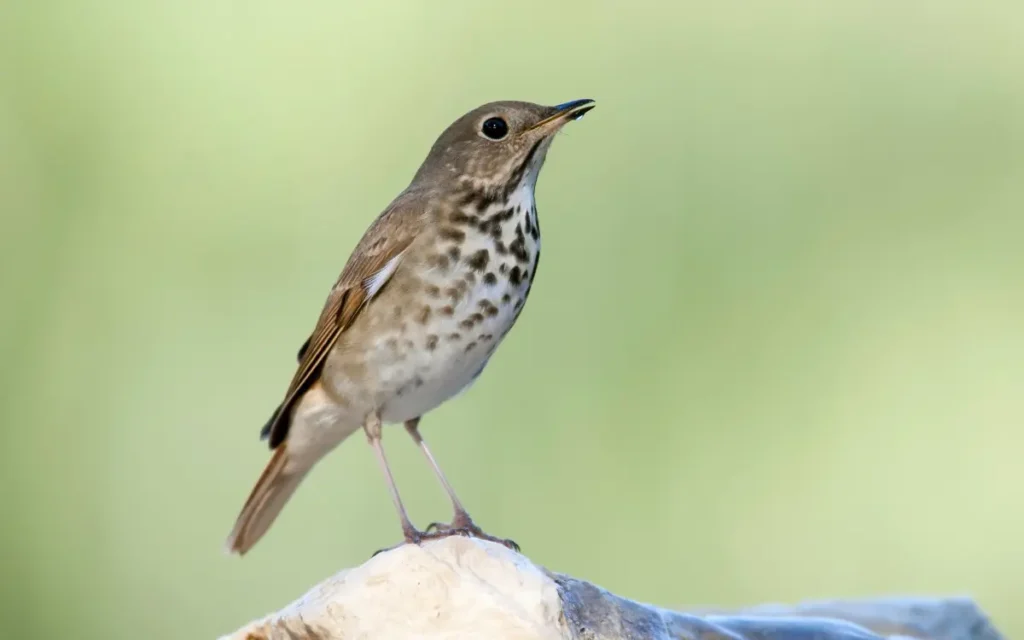
Hermit Thrushes are medium-sized brown birds commonly found in Connecticut forests during migration and breeding season. They prefer mature woodlands with dense understory. In Connecticut, some individuals breed locally, while others pass through in spring and fall. Their brown backs and spotted chests help them blend into forest floors. Hermit Thrushes feed on insects, berries, and fruits and are known for their flute-like song during the breeding season.
14. Veery

Veeries are warm-brown thrushes that breed in Connecticut’s moist forests and wooded wetlands. They arrive in late spring and leave by early fall. In Connecticut, Veeries are often heard singing their distinctive echoing songs rather than seen. Their uniform brown coloring and preference for shaded understory make them difficult to spot. Veeries feed on insects and berries and are most active during early morning and evening hours.
15. Wood Thrush
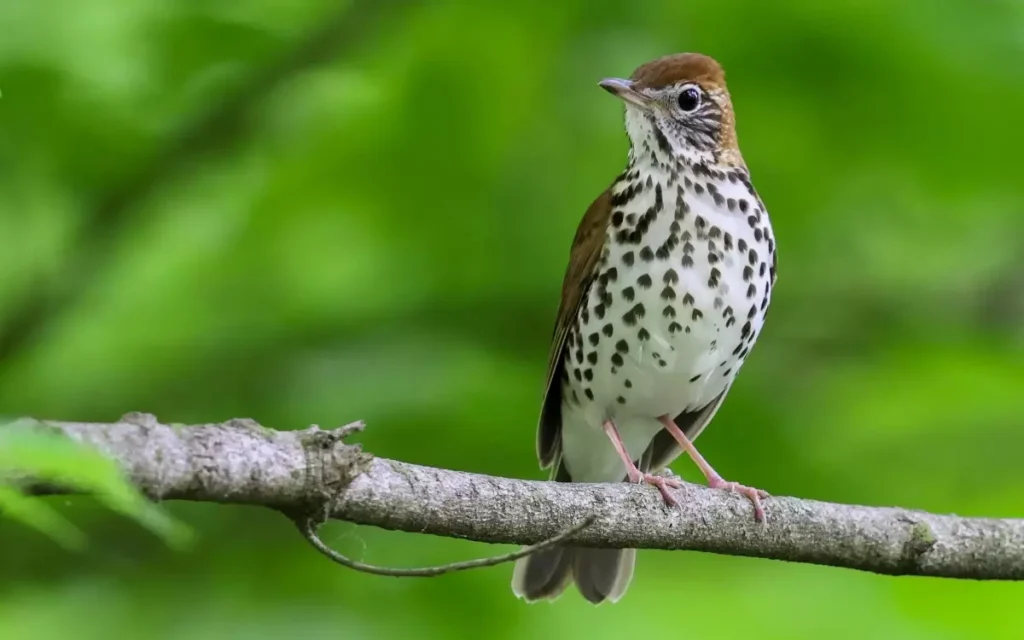
Wood Thrushes are larger brown birds that breed in mature forests throughout Connecticut. They are present from spring through summer and are known for their rich, flute-like songs. In Connecticut, Wood Thrush populations depend on healthy forest habitat. Their brown upperparts and bold spotted underparts help distinguish them from other thrushes. They feed on insects, worms, and fruits and spend much of their time on or near the forest floor.
16. Brown Thrasher
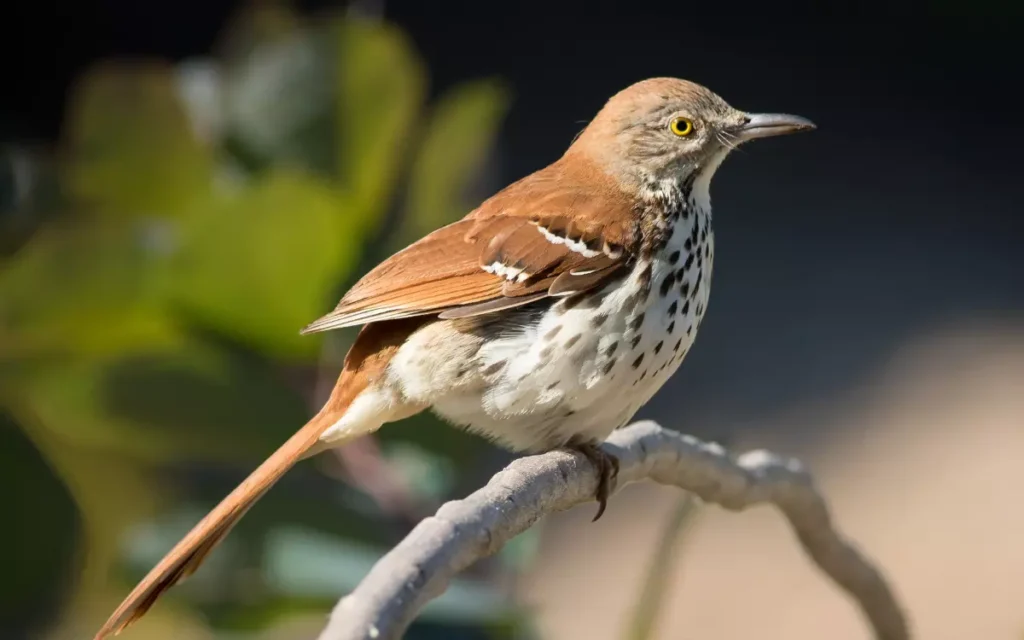
Brown Thrashers are long-tailed brown birds found in Connecticut’s thickets, hedgerows, and woodland edges. They breed locally and are most common from spring through fall. In Connecticut, they are often heard delivering long, varied songs from dense shrubs. Their streaked brown plumage and bright eye color help with identification. Brown Thrashers forage on the ground, feeding on insects, seeds, and berries.
17. American Woodcock
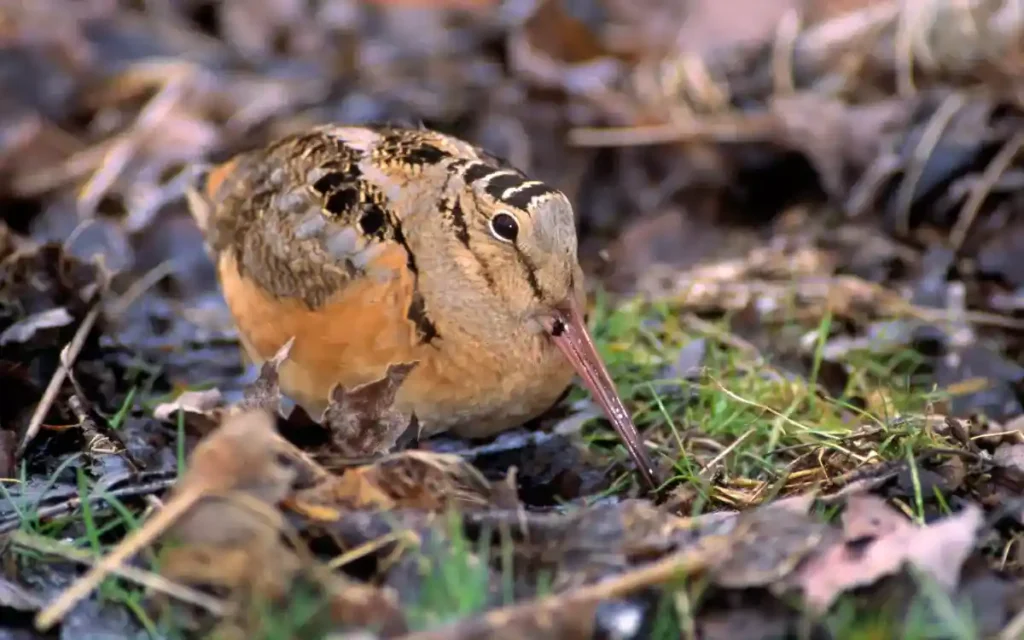
American Woodcocks are unusual brown birds found in Connecticut’s damp woodlands and fields. They are present during spring and fall migration and also breed locally. In Connecticut, Woodcocks are best known for their twilight courtship displays in early spring. Their mottled brown plumage provides excellent camouflage among leaf litter. They feed primarily on earthworms and insects, probing soft soil with their long bills.
18. Eastern Meadowlark
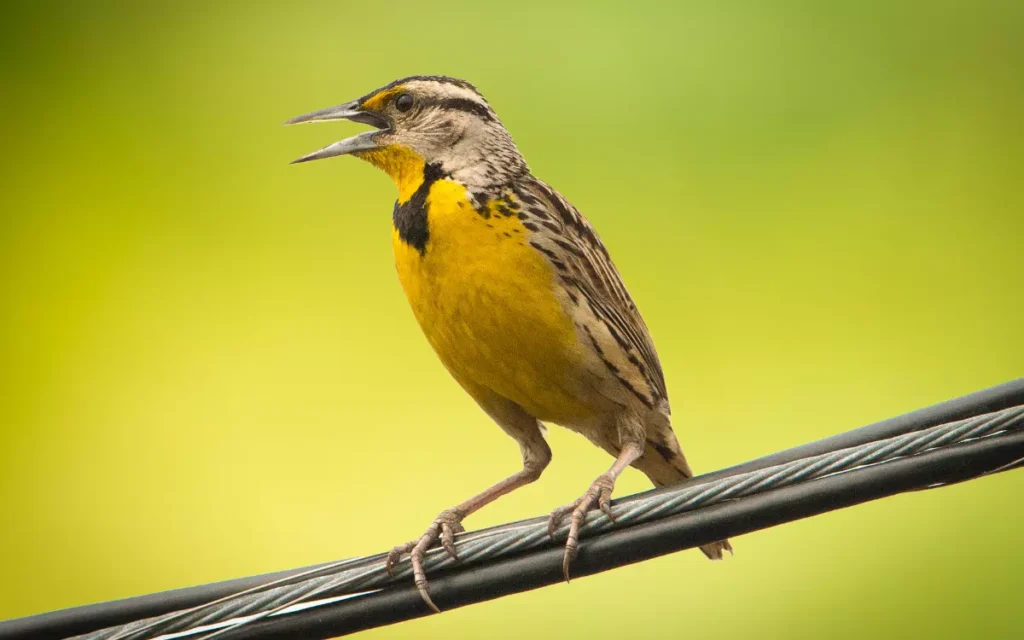
Eastern Meadowlarks are large, ground-dwelling brown birds found in Connecticut’s open fields and grasslands. They are present mainly during spring and summer, with some remaining into winter. In Connecticut, their declining populations reflect loss of grassland habitat. Their brown-streaked backs blend into fields, while their yellow chest is visible when seen up close. They feed on insects and seeds and often sing from fence posts.
19. Northern Waterthrush
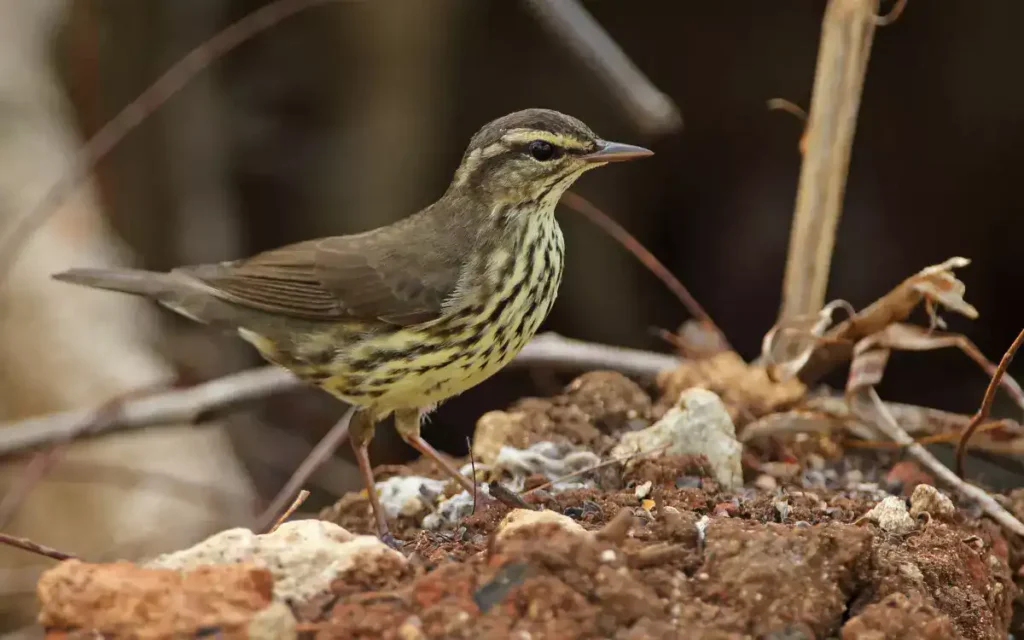
Northern Waterthrushes are brown, streaked birds that migrate through Connecticut in spring and fall. They favor stream edges, wetlands, and muddy shorelines. In Connecticut, they are often seen walking along water rather than hopping. Despite their appearance, they are warblers, not thrushes. They feed on insects and small aquatic invertebrates and are rarely present in winter.
20. Louisiana Waterthrush

Louisiana Waterthrushes are less common than Northern Waterthrushes but breed in parts of Connecticut. They prefer clean, forested streams and are present from spring through summer. Their brown plumage and bold eyebrow stripe help distinguish them. In Connecticut, their presence is often linked to healthy stream ecosystems. They feed on aquatic insects and larvae.
21. American Robin
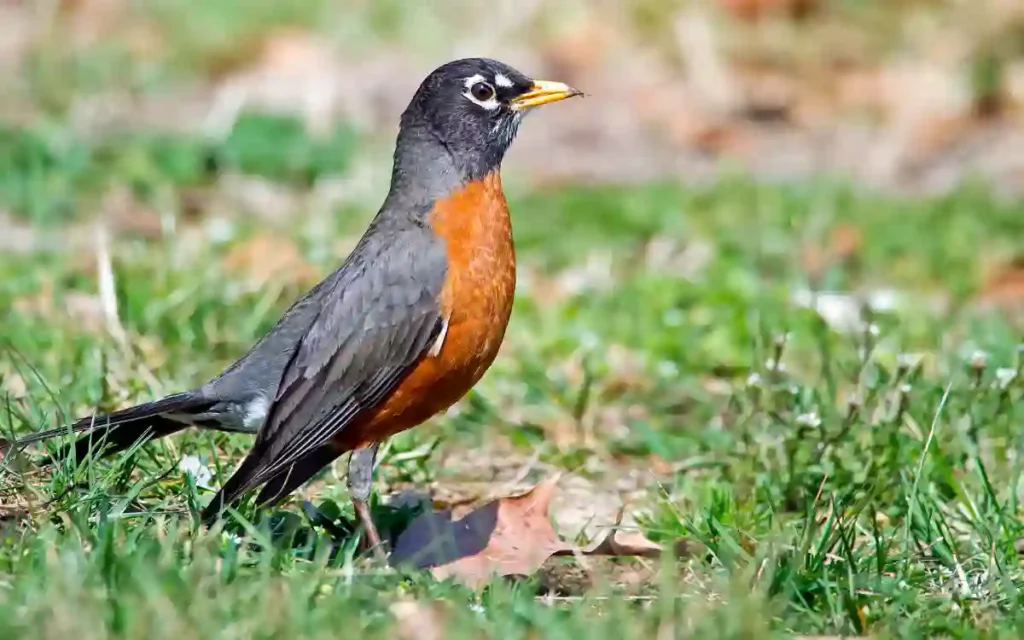
American Robins are familiar brown-backed birds found year-round in Connecticut. They are common in yards, parks, forests, and fields. In Connecticut, Robins breed widely and are often among the first birds to sing in spring. Although their orange chest stands out, their brown upperparts qualify them as brown birds. They feed on earthworms, insects, and fruits and may gather in large flocks during winter.
22. Eastern Towhee
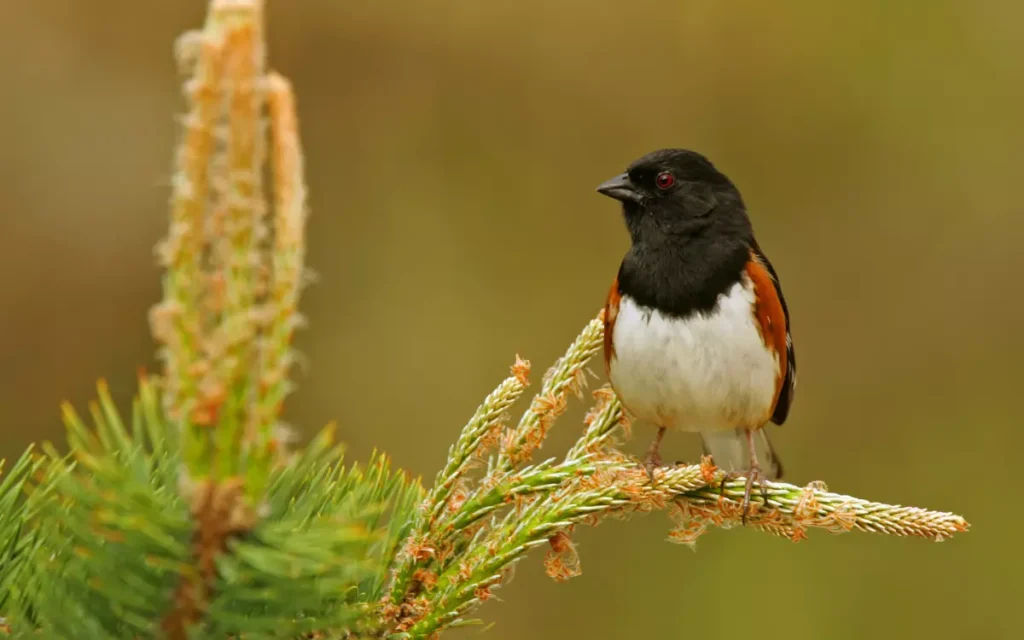
Female Eastern Towhees are mostly brown and are found in Connecticut’s brushy habitats. The species breeds locally and is most common from spring through fall. In Connecticut, Towhees forage on the ground, scratching through leaf litter for seeds and insects. Females lack the black coloration of males, appearing mostly brown with subtle markings. Some individuals remain through winter in southern areas.
23. Red-winged Blackbird
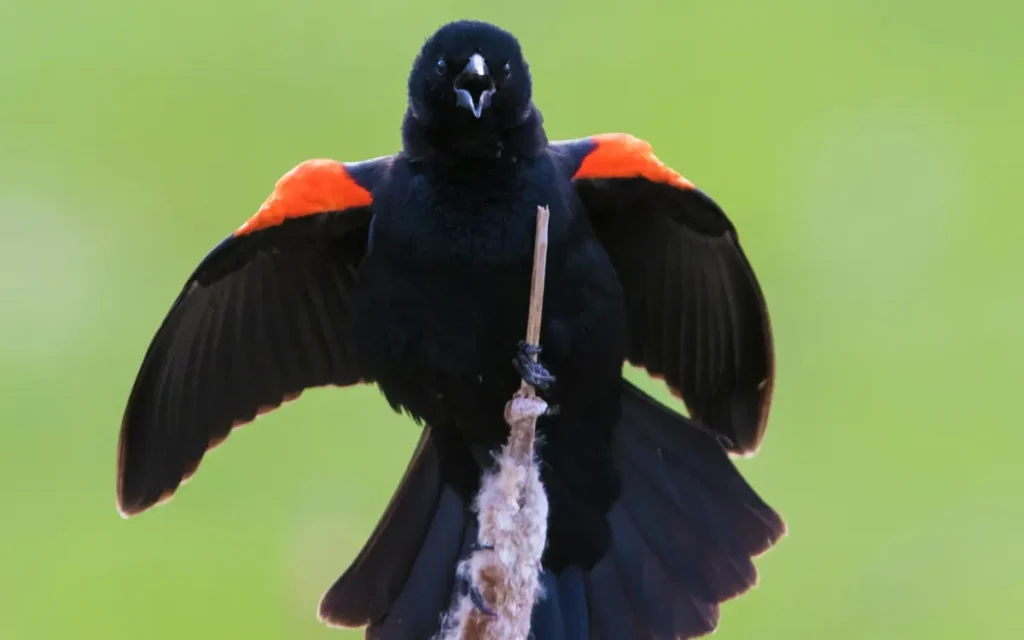
Female Red-winged Blackbirds are heavily streaked brown birds commonly found in Connecticut wetlands. They breed locally and are present from spring through fall, with some wintering in milder areas. In Connecticut, females often stay hidden among reeds while males display more openly. They feed on insects and seeds and form large flocks outside the breeding season.
24. Brown-headed Cowbird
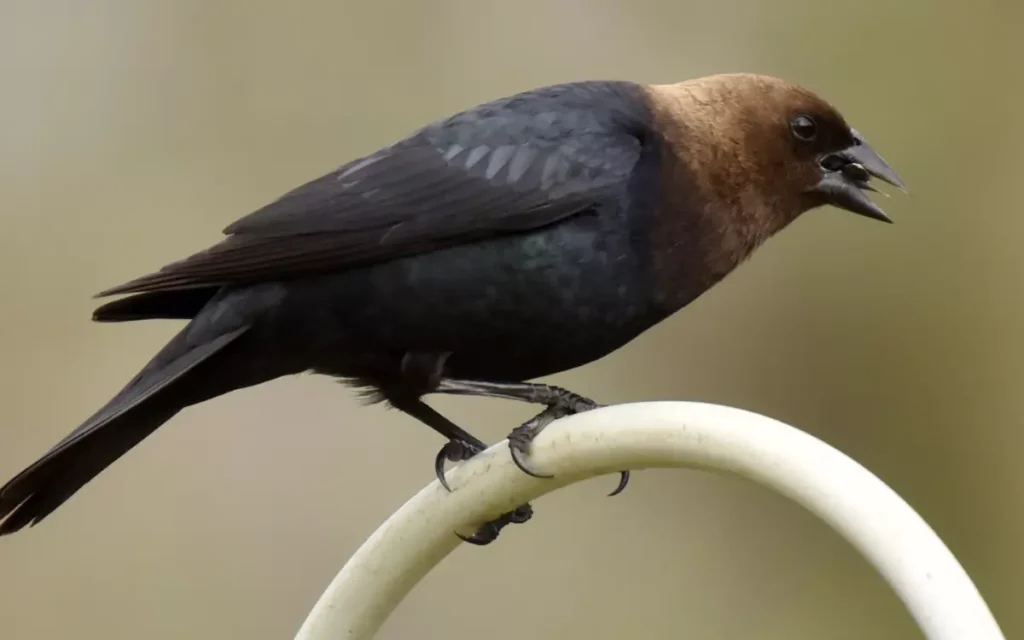
Female Brown-headed Cowbirds are plain brown birds found across Connecticut during spring and summer. They favor open areas, fields, and suburban landscapes. In Connecticut, Cowbirds are known for laying eggs in other birds’ nests. Females are much less conspicuous than males, blending easily into surroundings. They feed on seeds and insects and often associate with livestock areas.
25. Wild Turkey
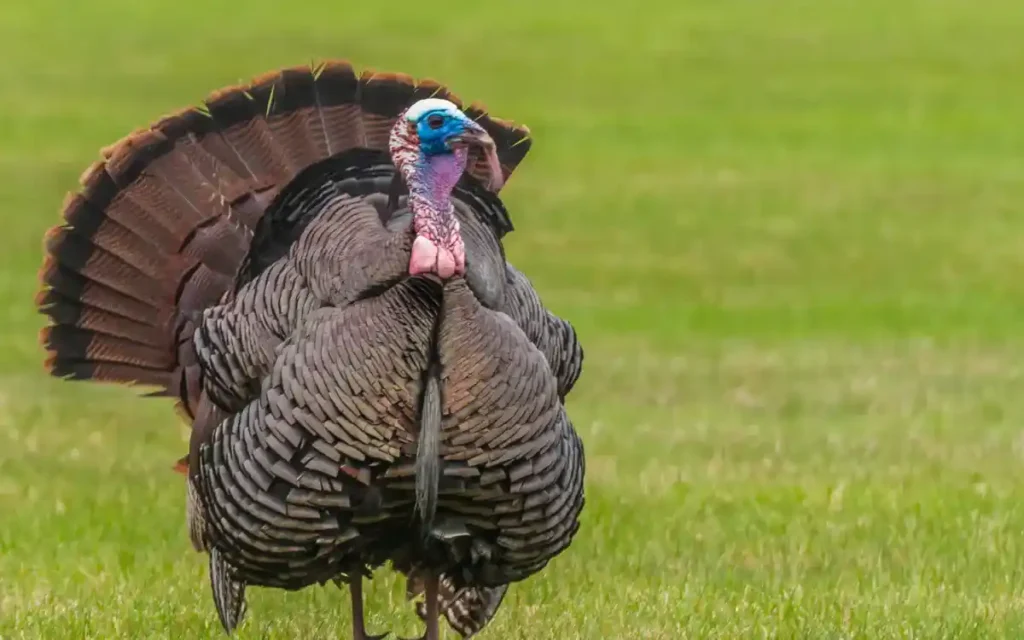
Female Wild Turkeys are large brown birds found year-round in Connecticut forests and fields. They have expanded significantly in recent decades. In Connecticut, Wild Turkeys forage on the ground for seeds, nuts, insects, and small animals. Their brown plumage provides camouflage in woodland habitats. Females are more subdued in color than males and are often seen leading groups of young in summer.