Yes, some birds and chickens lay pink eggs including wild species like the Tree Swallow and domesticated breeds like the Salmon Faverolles. Pink eggs are uncommon and often speckled or pastel-tinted. In this guide, you’ll discover what causes pink eggs, which birds lay them, and why they’re so rare and fascinating.
Why Do Some Birds Lay Pink Eggs?
The Science Behind Egg Coloration
Bird eggs get their color from natural pigments deposited as the shell forms. The pink hue typically comes from protoporphyrin, a pigment also responsible for brown and red tones. Lighter shades appear when the pigment is sparse or layered over a pale base.
Are Pink Eggs Rare?
Yes—pink eggs are relatively rare compared to white, brown, or blue eggs. Most birds lay eggs with more common hues, making pink-tinted shells a special sight in both the wild and backyard coops.
Chicken Breeds That Lay Pink Eggs
1. Salmon Faverolles
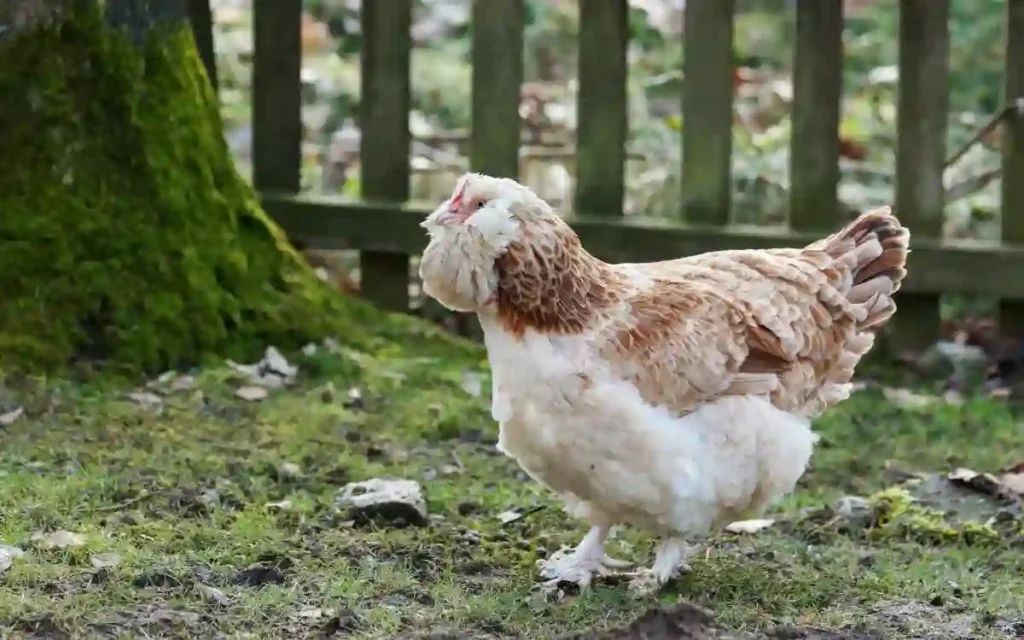
Salmon Faverolles are a calm and sociable chicken breed originally developed in France. They’re known for their fluffy beards, feathered legs, and five toes. These birds are reliable egg layers and often produce eggs with a noticeable light pink tint. Their gentle nature makes them a popular choice for backyard flocks and beginner chicken keepers.
- Egg Color: Light pink
- Origin: France
- Temperament: Friendly and calm
- Interesting Fact: Unlike most chickens, Salmon Faverolles have five toes instead of four
2. Silkies:
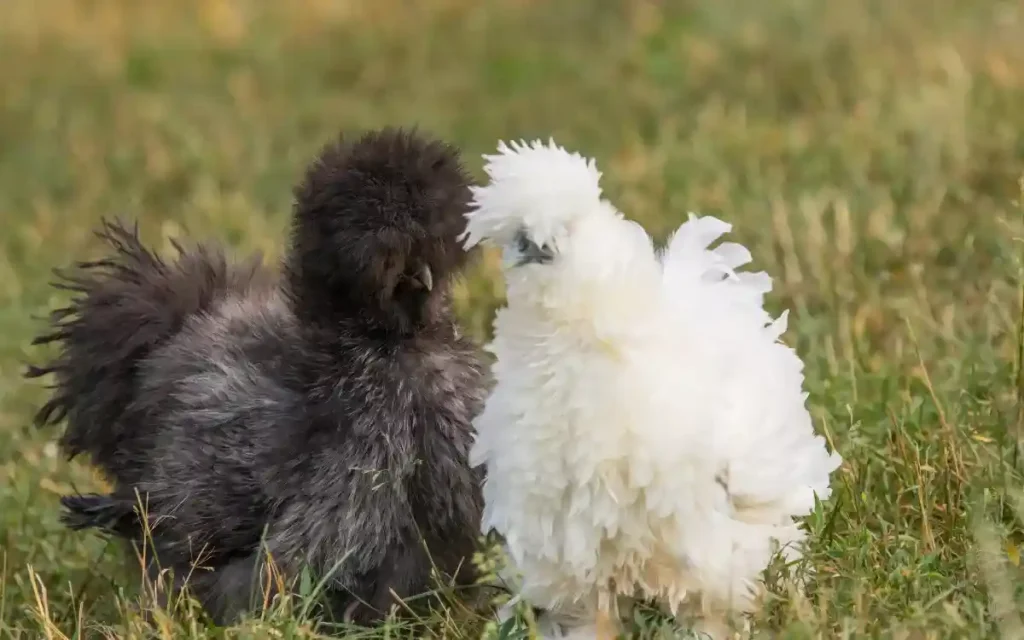
Silkies are small, ornamental chickens recognized for their soft, hair-like feathers. They are known for being gentle, making them ideal for families with children. While not heavy egg producers, they do lay small eggs that sometimes have a light pink appearance. Their unusual appearance and calm temperament have made them a favorite in backyard flocks around the world.
- Egg Color: Small, light pink (sometimes cream)
- Origin: Asia
- Temperament: Gentle and quiet
- Interesting Fact: Silkies have black skin and bones, a rare trait among chickens
3. Light Sussex:
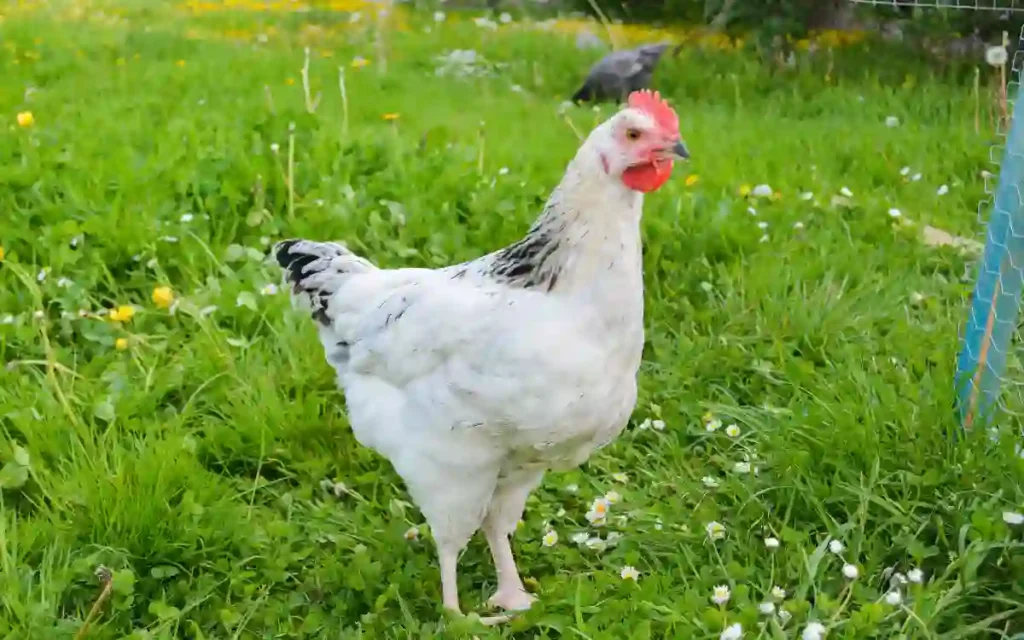
The Light Sussex is a dual-purpose breed that is both a good egg layer and valued for its meat. These chickens are hardy, easy to manage, and adapt well to different environments. Their eggs are typically cream-colored but may appear with a pink tint, especially in certain lighting or depending on the hen.
- Egg Color: Cream to pinkish tint
- Origin: United Kingdom
- Temperament: Docile and hardy
- Interesting Fact: The breed has been popular in Britain since Roman times
4. Buff Orpington
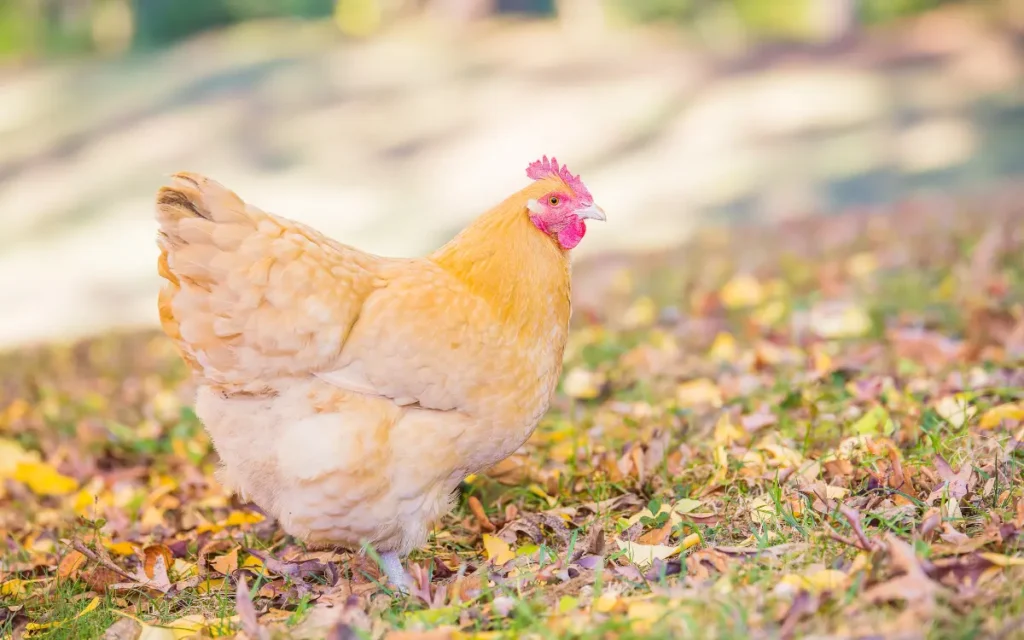
Buff Orpingtons are large, golden-colored chickens known for being friendly and easy to handle. They are consistent egg layers and produce eggs that are light brown to pinkish in color. Because of their gentle temperament and attractive appearance, they are a favorite among backyard poultry owners.
- Egg Color: Light pink or brownish-pink
- Origin: England
- Temperament: Calm and affectionate
- Interesting Fact: Often called “lap chickens” because of their relaxed nature around people
5. Asil (Aseel)
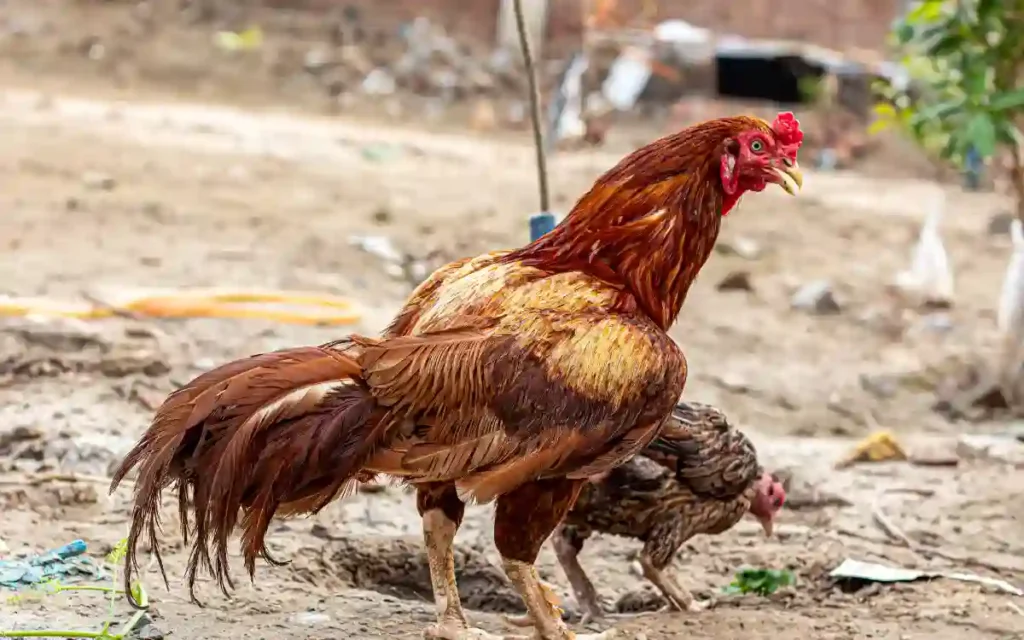
The Asil, also spelled Aseel, is an ancient breed from India originally developed for its strength and fighting ability. Although not prolific layers, the hens do produce small pink-tinted eggs. Asil chickens are known for being assertive, but they can form strong bonds with their keepers when raised gently.
- Egg Color: Small pink eggs
- Origin: India
- Temperament: Confident and hardy
- Interesting Fact: The Asil is one of the oldest chicken breeds still in existence today
6. Tree Swallow
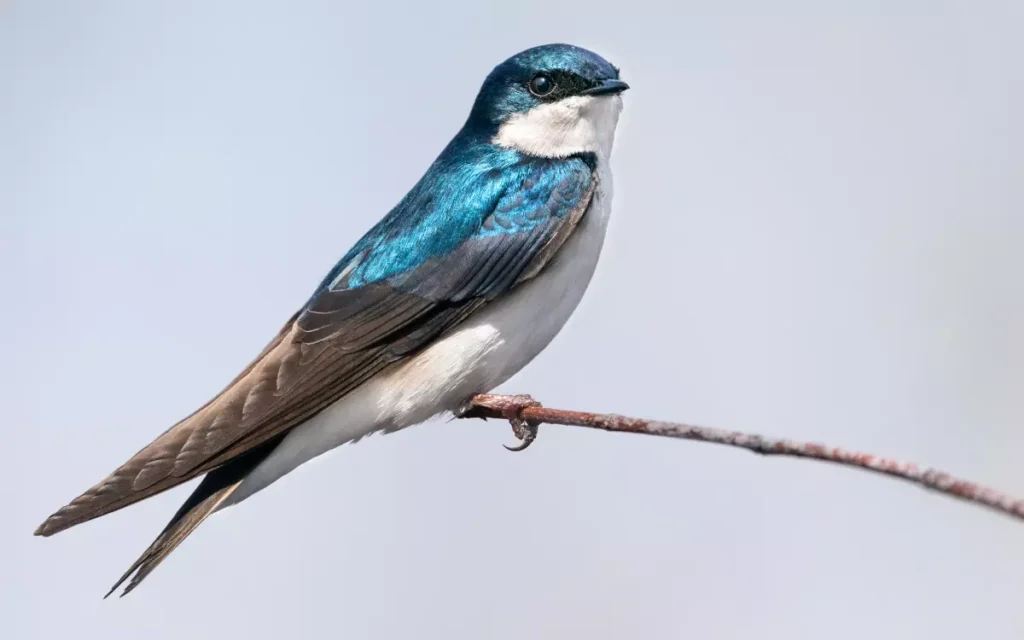
Tree Swallows are small migratory birds found throughout North America, especially near open areas with water like lakes, marshes, and fields. They feed on flying insects and often return to the same nesting areas each year. These birds build their nests in tree cavities or birdhouses and line them with feathers. While their eggs are typically white, they sometimes appear pale pink before fading as they age. Their nesting habits make them easy to observe in bird-friendly backyards.
- Egg Color: Pale pink (may fade to white)
- Nest Type: Cavities or birdhouses, lined with feathers
- Habitat: Near water in open areas across North America
- Interesting Fact: Tree Swallows often use the same nesting spots each breeding season
7. Melodious Warbler:
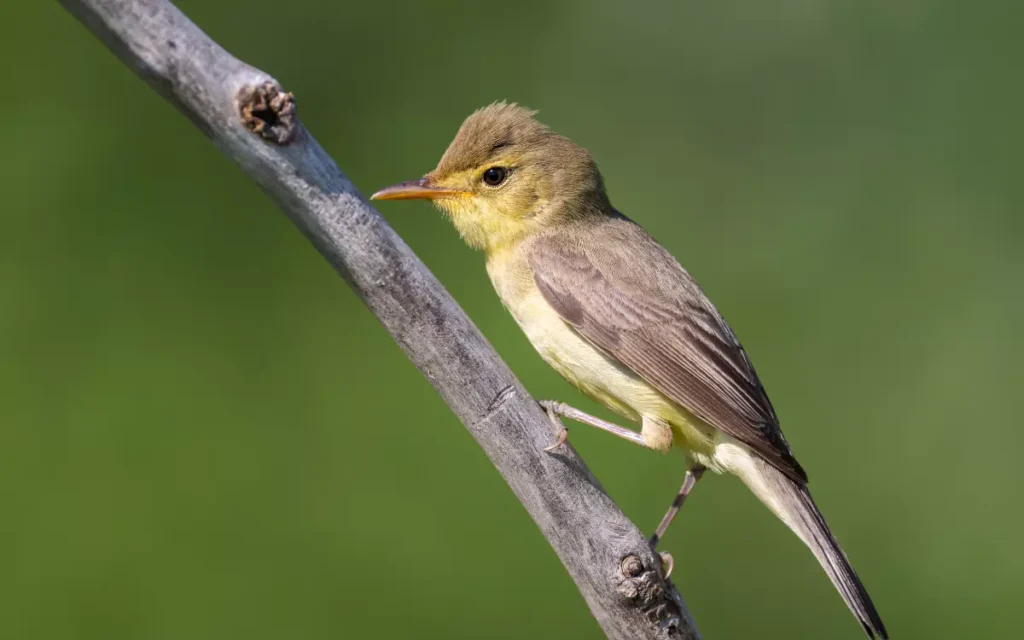
The Melodious Warbler is a small bird commonly found in southern Europe and North Africa during breeding season. It prefers dense shrubs, forest edges, or low trees for nesting. Its eggs are usually pink with reddish-brown speckles. Although not found in North America, this species is known among birders for its long, musical song and secretive nesting behavior in thick vegetation.
- Egg Color: Pink with reddish-brown speckles
- Nest Type: Cup-shaped nests in shrubs or low trees
- Habitat: Forest edges and shrublands in Europe and North Africa
- Interesting Fact: It is most active during the early morning when singing for mates
8.House Finch
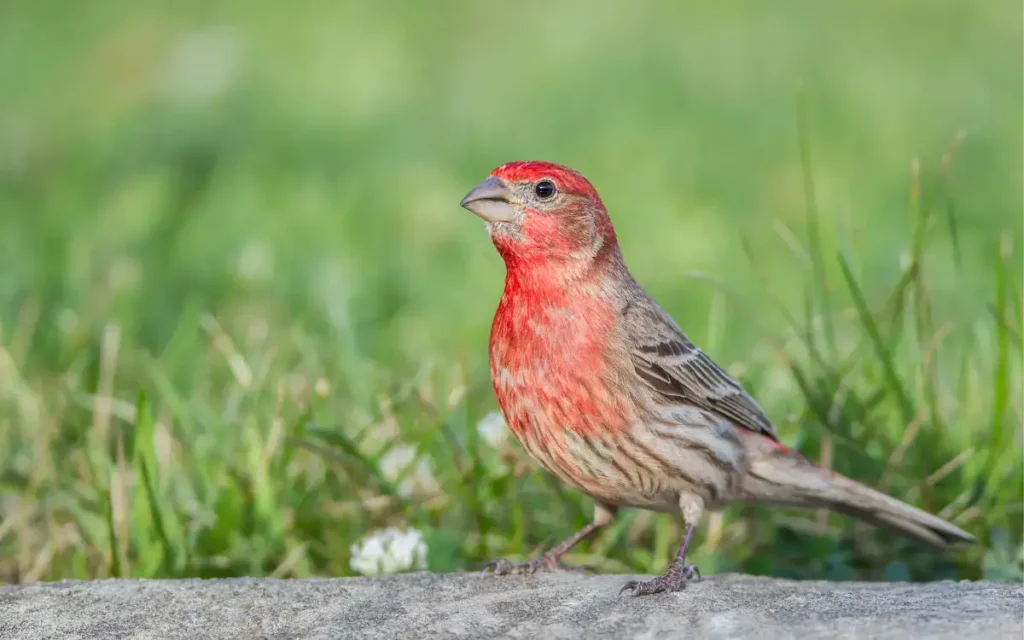
The House Finch is a common bird across urban and suburban areas of North America. Originally from the western United States, it has expanded its range nationwide. House Finches often nest in trees, hanging plants, or building ledges. Their eggs are usually pale blue or greenish, but some can appear pink with light speckles. These birds are frequent visitors to backyard feeders and are easy to attract with sunflower seeds.
- Egg Color: Pinkish with light speckles (rarely blue or green)
- Nest Type: Trees, hanging planters, ledges, or vents
- Habitat: Cities, suburbs, parks, and gardens across North America
- Interesting Fact: House Finches were introduced to the eastern U.S. in the 1940s and have since spread rapidly
9.Eastern Bluebird
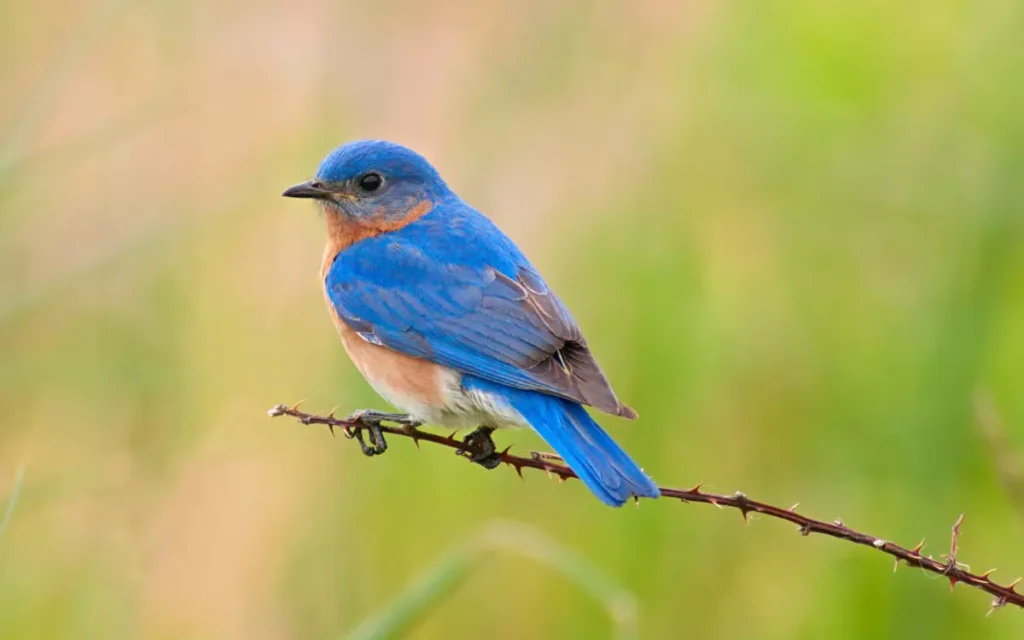
Eastern Bluebirds are cavity-nesting birds found throughout the eastern and central United States. They prefer open habitats like meadows and farmlands. Most of their eggs are a pale blue color, but some females may lay white or very faint pink-tinted eggs. They readily use nest boxes, which has helped their population rebound in recent decades.
- Egg Color: Pale blue, sometimes white or pink
- Nest Type: Tree cavities or birdhouses
- Habitat: Open fields, pastures, and woodlands in eastern and central U.S.
- Interesting Fact: Eastern Bluebirds often raise two or more broods each year
10.Northern Mockingbird
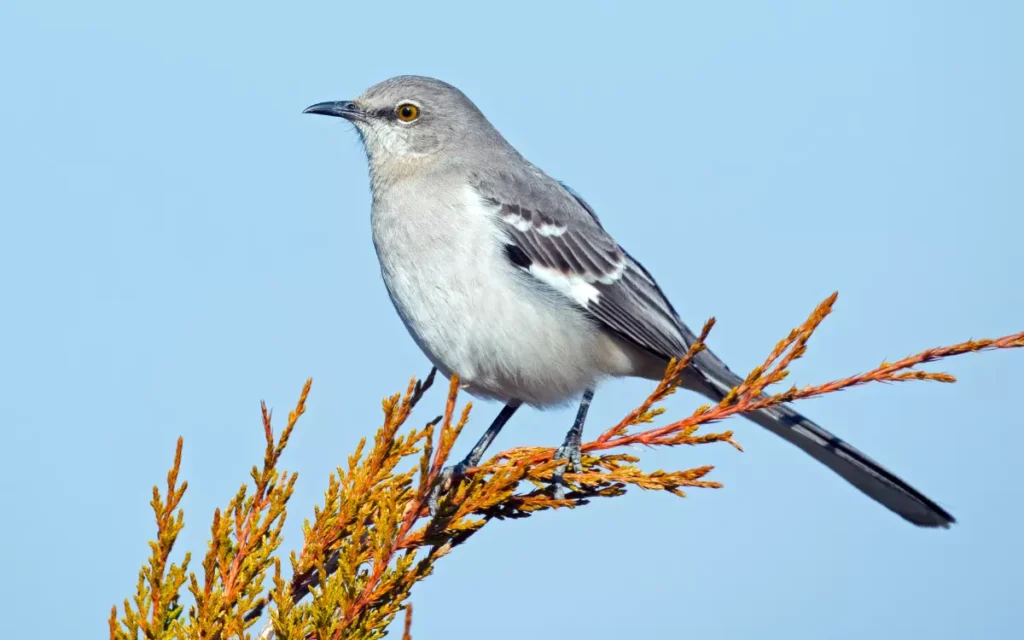
Northern Mockingbirds are known for their ability to mimic other bird songs and environmental sounds. Found throughout the southern U.S., they nest in shrubs or low trees, often near human activity. Their eggs range in color from pale blue to pinkish, often with speckles. Mockingbirds are protective of their nests and may chase away larger birds or even people if they feel threatened.
- Egg Color: Pinkish or bluish with brown or gray speckles
- Nest Type: Open cup nests in shrubs, hedges, or small trees
- Habitat: Residential areas, fields, and forest edges in southern North America
- Interesting Fact: A single mockingbird can learn and repeat over 50 different songs
FAQ’S
What bird lays the pinkest eggs in the wild?
Among wild birds, the Melodious Warbler is known for laying some of the most distinctly pink eggs, often with reddish speckles. However, egg color can vary slightly within species due to genetics and environmental factors.
Can chicken eggs naturally be pink without dye?
Yes, several chicken breeds like Salmon Faverolles and Silkies lay naturally pink or pink-tinted eggs without any dye. The pink tone is caused by pigments like protoporphyrin, which coat the eggshell during formation.
Do pink bird eggs turn white over time?
Yes, in some species like the Tree Swallow, eggs may appear pale pink when freshly laid and gradually fade to white as the outer pigment layer wears off during incubation.
Are pink eggs edible like brown or white eggs?
Absolutely. Pink eggs from chickens are just as edible and safe as white or brown eggs. The shell color doesn’t affect nutritional value, flavor, or safety.
What’s the rarest bird egg color found in nature?
Pink eggs are uncommon, but true blue or green eggs, especially in species like the Emu or Araucana chickens, are considered rarer due to the consistent pigment through all layers of the shell.
Can egg color help identify bird species?
Yes, egg color, shape, and markings are important tools for identifying bird species, especially in nest monitoring. For example, pink-speckled eggs might indicate a House Finch or Mockingbird, depending on location and nest type.