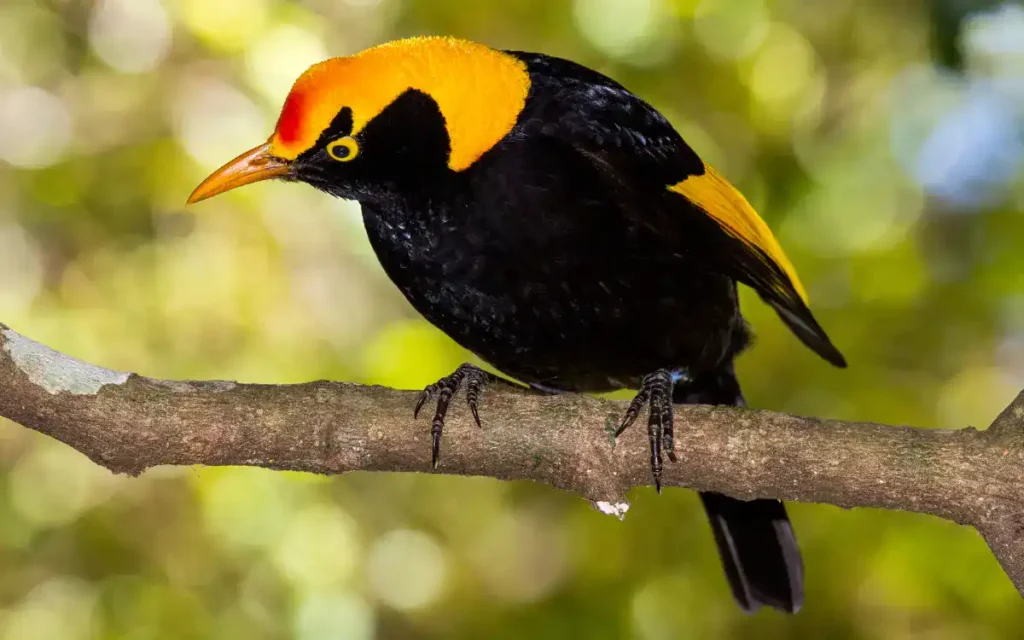
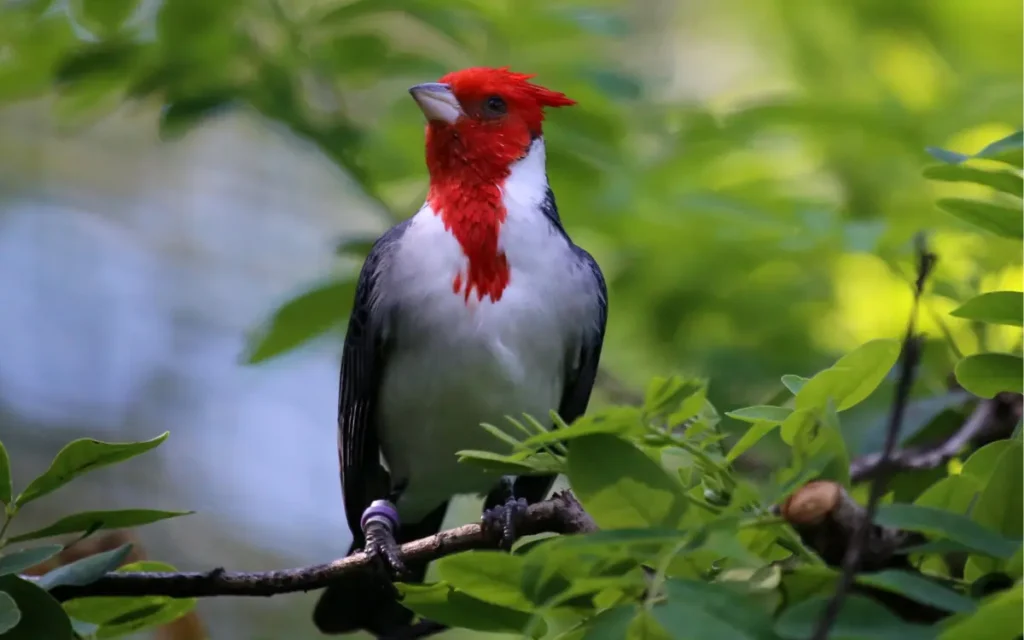
Black and orange birds are some of the easiest birds to recognize because of their bold color contrast. Common species like the Baltimore Oriole, American Redstart, and Blackburnian Warbler stand out with bright orange bodies paired with black wings, heads, or markings. These birds are found across forests, gardens, and even backyards, depending on the species and season.
In this guide, you’ll find 20 black and orange birds with simple identification details, where they live, and what makes each one unique. Whether you’re birdwatching for the first time or trying to identify a bird you just spotted, this list will help you quickly narrow it down and learn something useful along the way.
1.Baltimore Oriole (Icterus galbula):
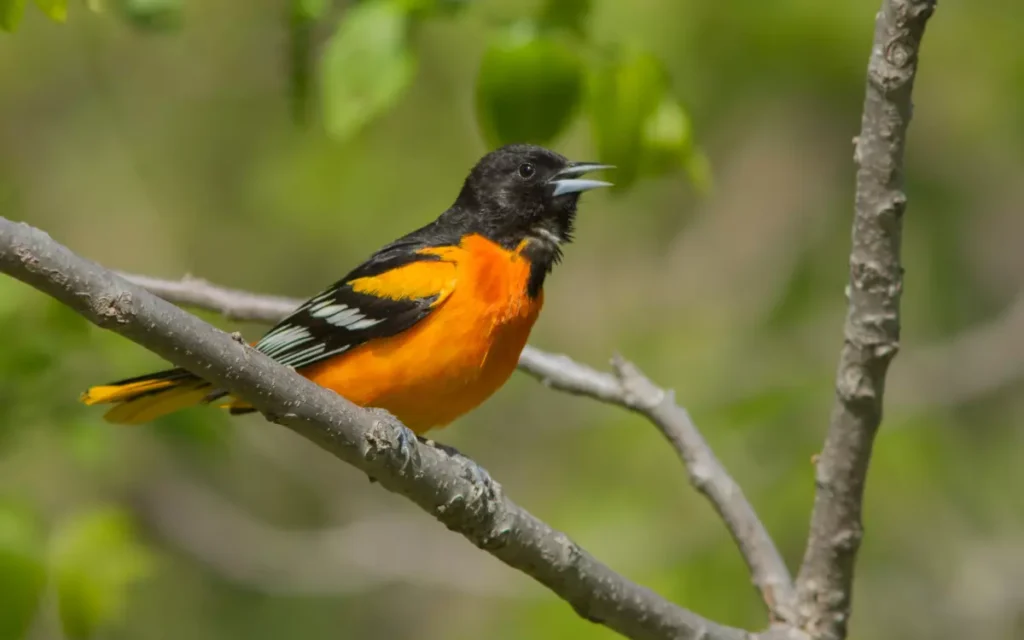
The Baltimore Oriole is one of the most recognizable black and orange birds, known for its bright orange body and solid black head. It is commonly seen in North America during spring and summer, especially in gardens and open woodlands.
- Lifespan: 7–10 years
- Wingspan: 7–8 inches
- Habitat: Deciduous forests, parks, gardens
- Diet: Insects, fruits, nectar
2.Blackburnian Warbler (Setophaga fusca):
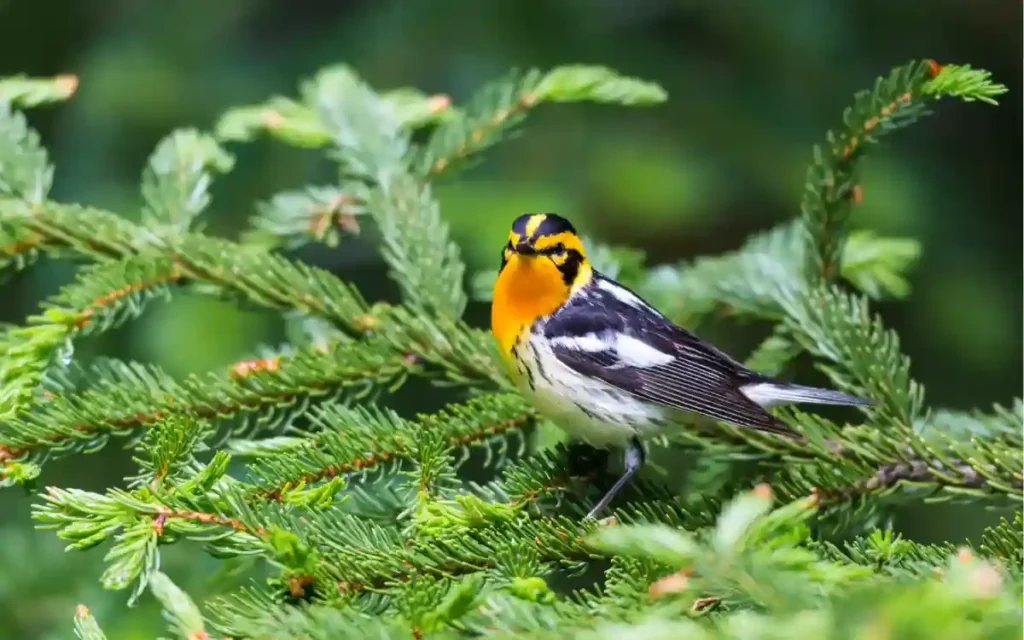
This small warbler stands out with its fiery orange throat and bold black markings. It spends most of its time high in trees, making it harder to spot but easy to recognize once seen.
- Lifespan: 6–10 years
- Wingspan: 7–8 inches
- Habitat: Coniferous and mixed forests
- Diet: Insects, spiders
3. Black-and-Orange Flycatcher (Ficedula nigrorufa):
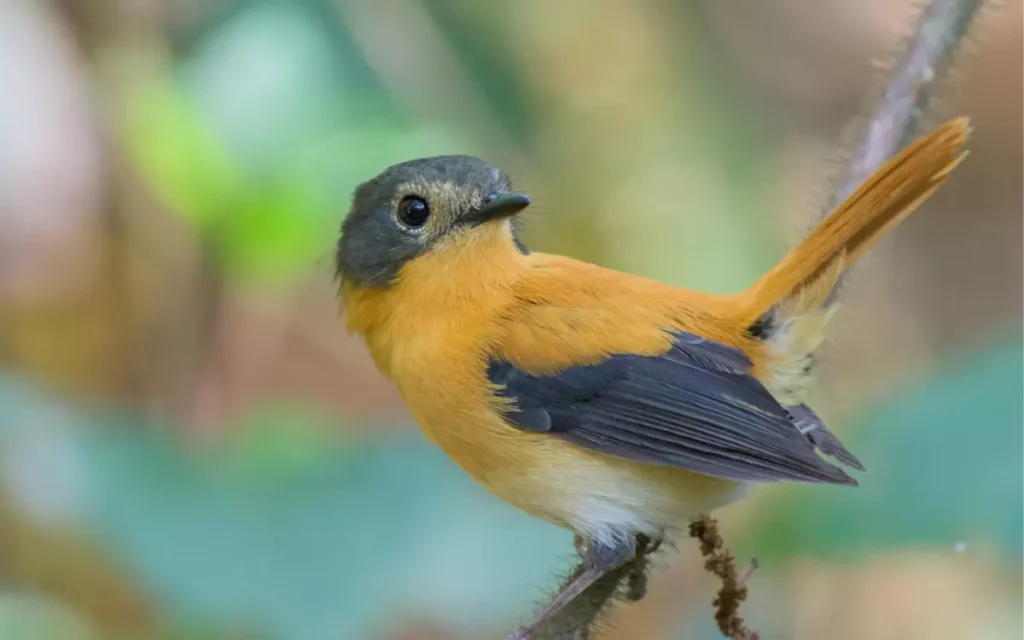
A compact bird found in Asian forests, the Black-and-Orange Flycatcher has a sharp contrast of dark and orange tones that help it blend into forest shadows while hunting insects.
- Lifespan: 4–6 years
- Wingspan: 8–9 inches
- Habitat: Montane forests in Asia
- Diet: Insects, berries
4.Hooded Oriole (Icterus cucullatus):
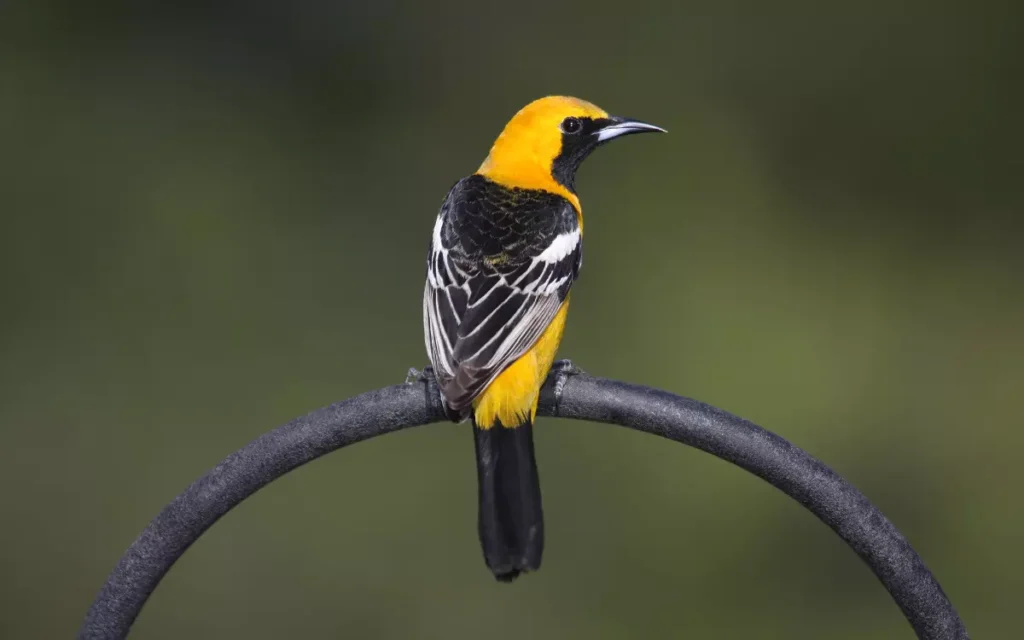
The Hooded Oriole features a bright orange body with a distinctive black face and throat. It is also known for weaving hanging nests, often seen in warmer regions.
- Lifespan: 6–8 years
- Wingspan: 8–9 inches
- Habitat: Woodlands, gardens, orchards
- Diet: Insects, fruits, nectar
5.Black-Backed Oriole (Icterus abeillei):
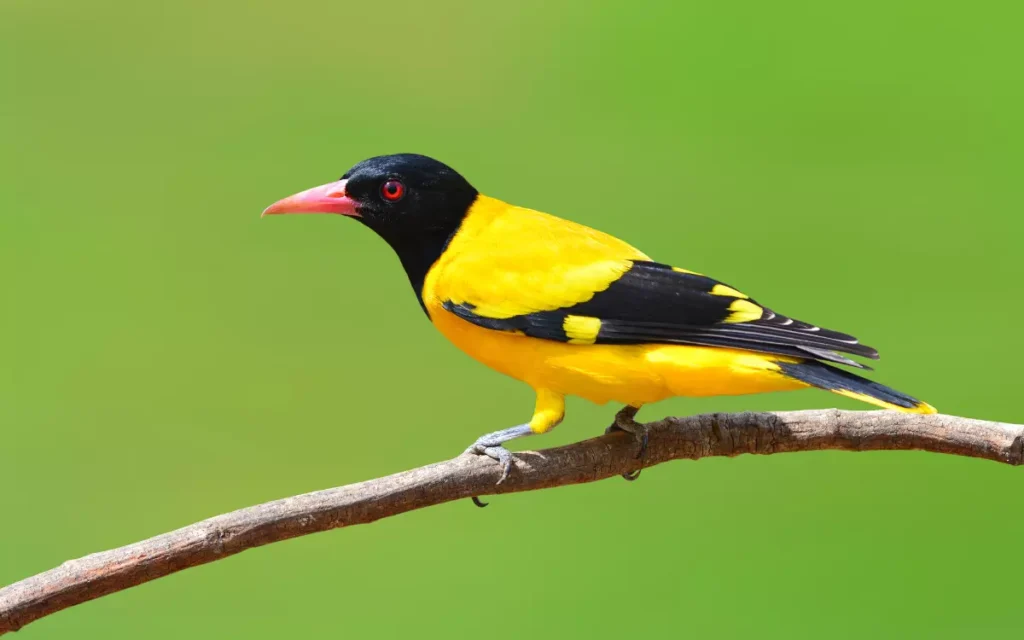
This oriole species shows a strong contrast with a black back and bright orange underparts. It is mostly found in Central American forests.
- Lifespan: 7–10 years
- Wingspan: 8–9 inches
- Habitat: Tropical forests, woodlands
- Diet: Insects, fruits, nectar
Read also:-
- Red, Orange, & Yellow Birds of Wyoming (Photo & call guide)
- 15 Yellow and Black Birds: A Comprehensive Guide
- 25 Birds with Red Heads: A Comprehensive Guide
6.Black-throated Mango (Anthracothorax nigricollis):
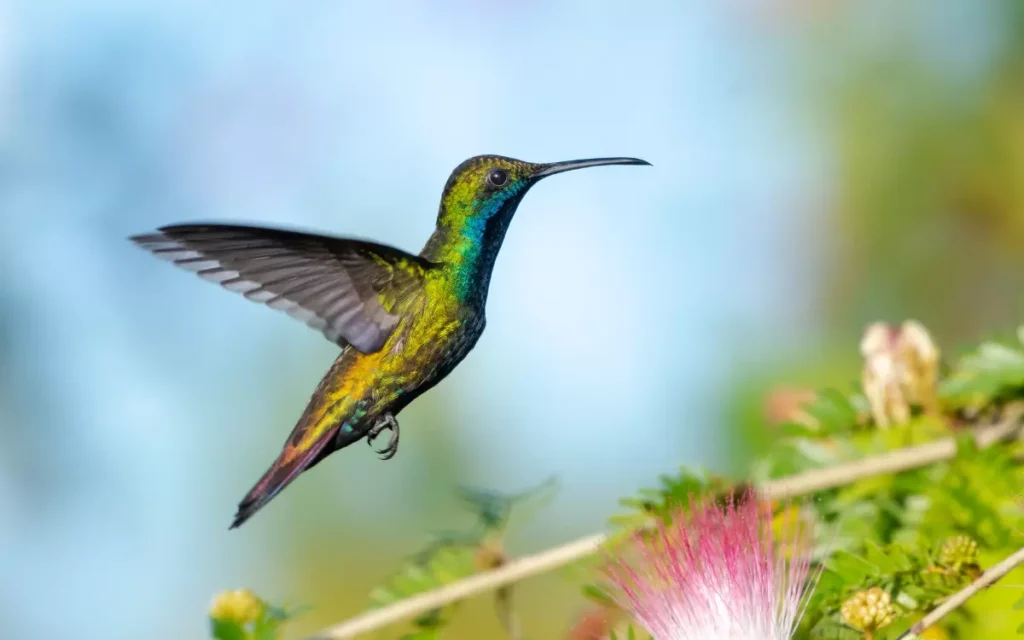
A fast-moving hummingbird, the Black-throated Mango has a dark throat patch and shimmering orange tones. It feeds primarily on nectar and hovers around flowers.
- Lifespan: 5–7 years
- Wingspan: 4–5 inches
- Habitat: Tropical and subtropical forests
- Diet: Nectar, insects, spiders
7.Crimson Sunbird (Aethopyga siparaja):
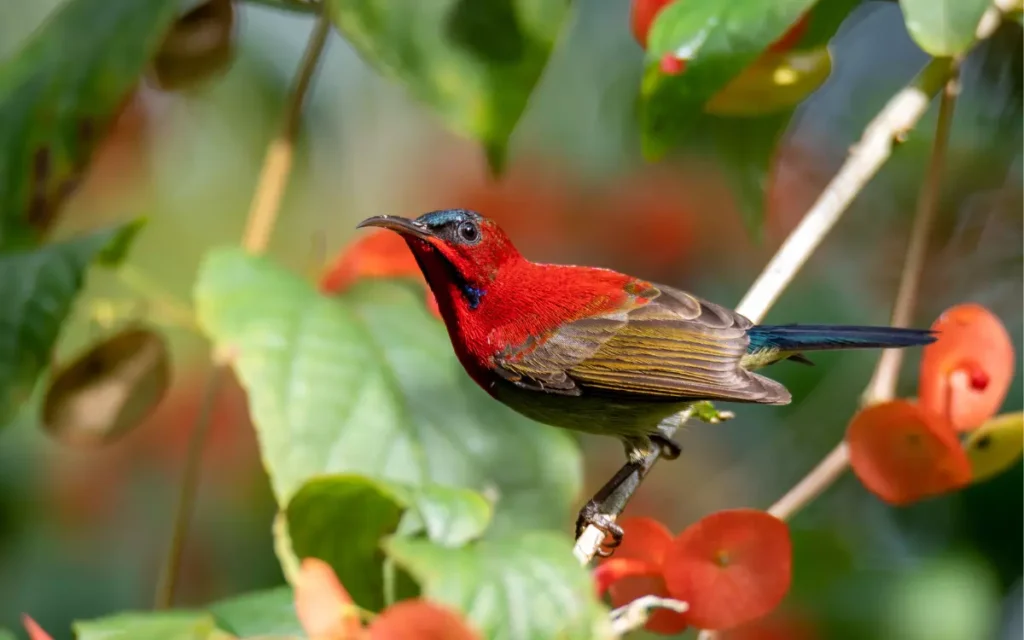
The Crimson Sunbird is a small bird with a mix of orange and dark tones, often seen hovering near flowers. It is common in Southeast Asia.
- Lifespan: 3–5 years
- Wingspan: 4–5 inches
- Habitat: Forests, gardens, shrublands
- Diet: Nectar, insects, spiders
8.Eurasian Golden Oriole (Oriolus oriolus):
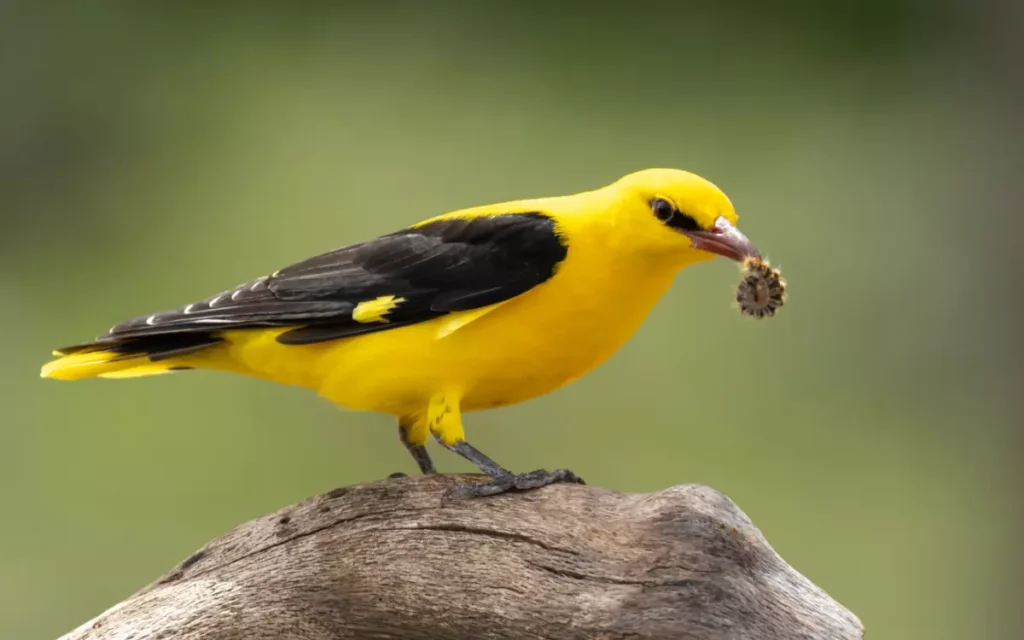
This bird has a rich orange-yellow body with black wings. It is known for its clear, melodic calls and wide distribution across Europe and Asia.
- Lifespan: 6–8 years
- Wingspan: 11–12 inches
- Habitat: Woodlands, forests
- Diet: Insects, fruits, berries
9. Black-headed Grosbeak (Pheucticus melanocephalus):
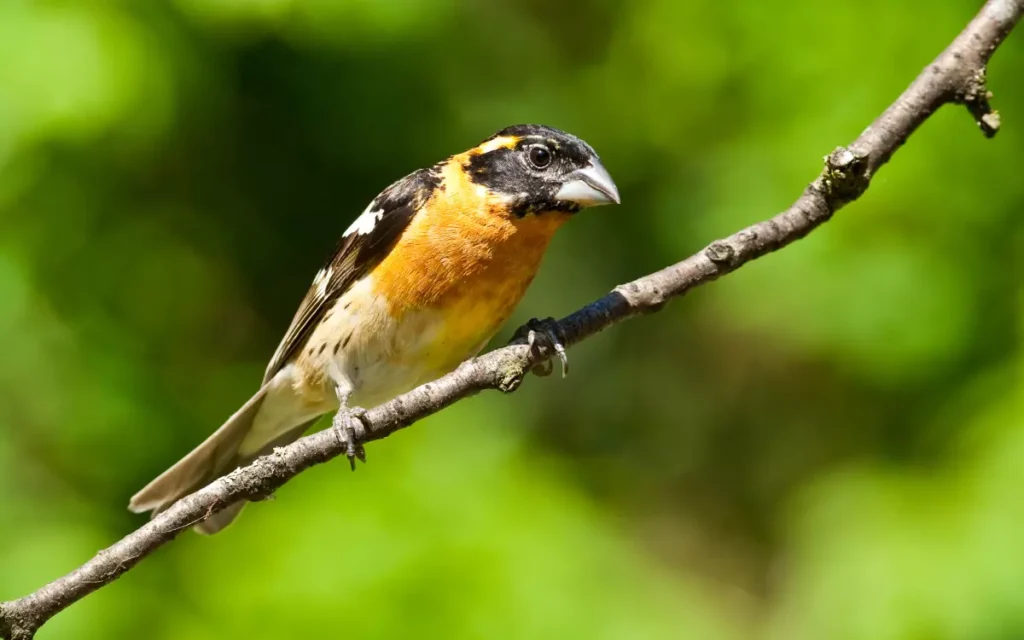
With a black head and orange chest, this bird has a strong, thick bill used for cracking seeds. It is often seen in gardens and forest edges.
- Lifespan: 6–8 years
- Wingspan: 10–12 inches
- Habitat: Woodlands, shrublands
- Diet: Insects, seeds, berries
10. Black-winged Oriole (Oriolus nigripennis):
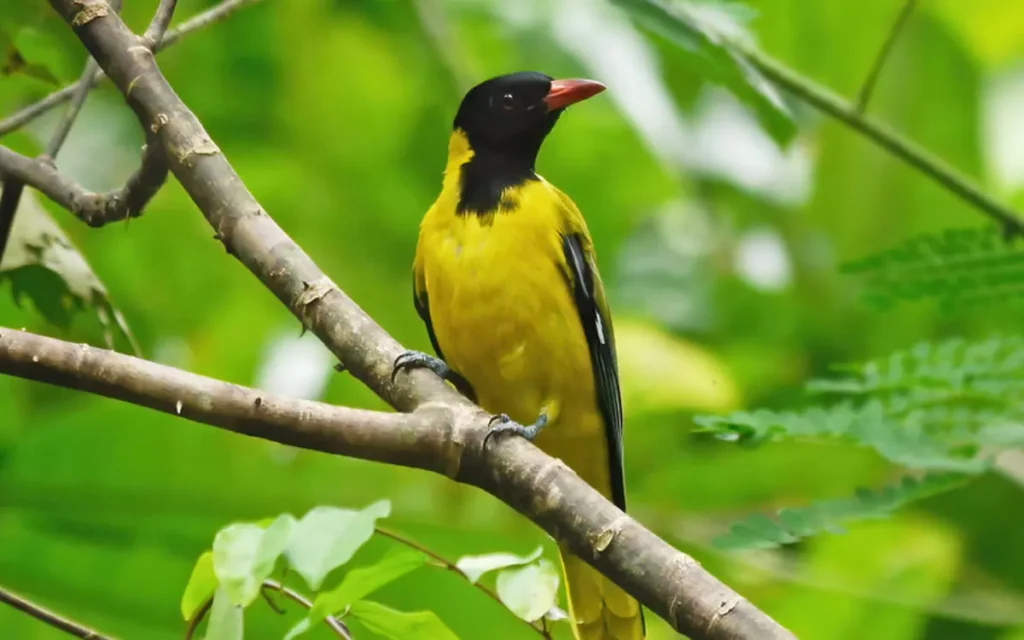
This species features a bright orange body contrasted by glossy black wings. It is found in Southeast Asian forests and is known for its distinct calls.
- Lifespan: 7–10 years
- Wingspan: 11–12 inches
- Habitat: Tropical forests
- Diet: Fruits, insects
11.Flame Robin (Petroica phoenicea):
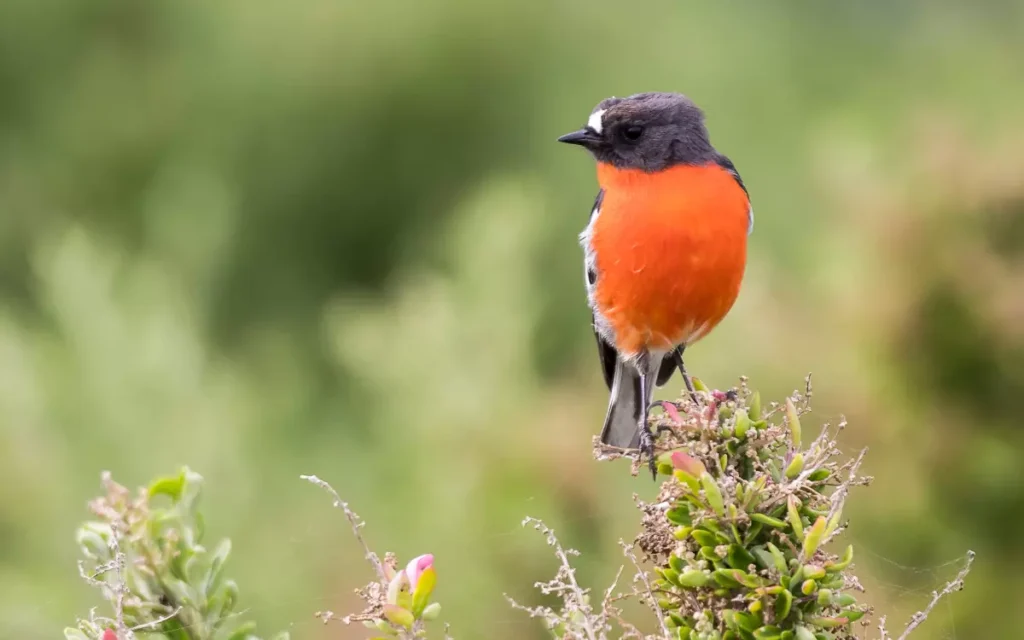
The Flame Robin has a bright orange chest and dark upperparts. It is often seen during the breeding season in Australia.
- Lifespan: 3–5 years
- Wingspan: 8–9 inches
- Habitat: Woodlands, forests
- Diet: Insects, spiders
12. Northern Oriole (Icterus galbula):
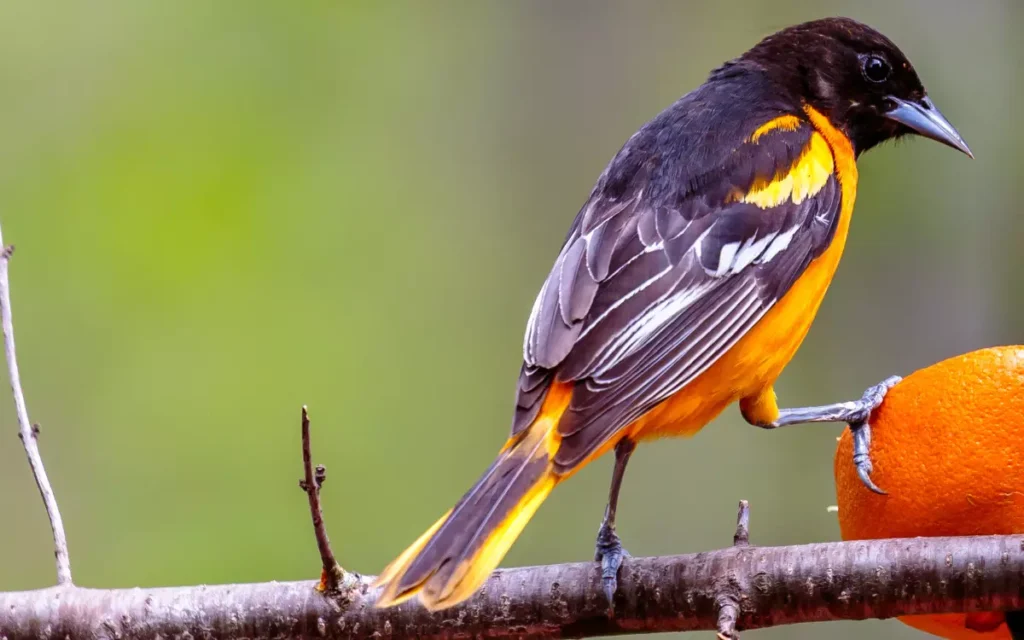
Often considered the same as the Baltimore Oriole, this bird is known for its bright orange color and hanging nests in North America.
- Lifespan: 7–10 years
- Wingspan: 7–8 inches
- Habitat: Forests, gardens
- Diet: Insects, fruits, nectar
13. Fiery-browed Starling (Enodes erythrophris):
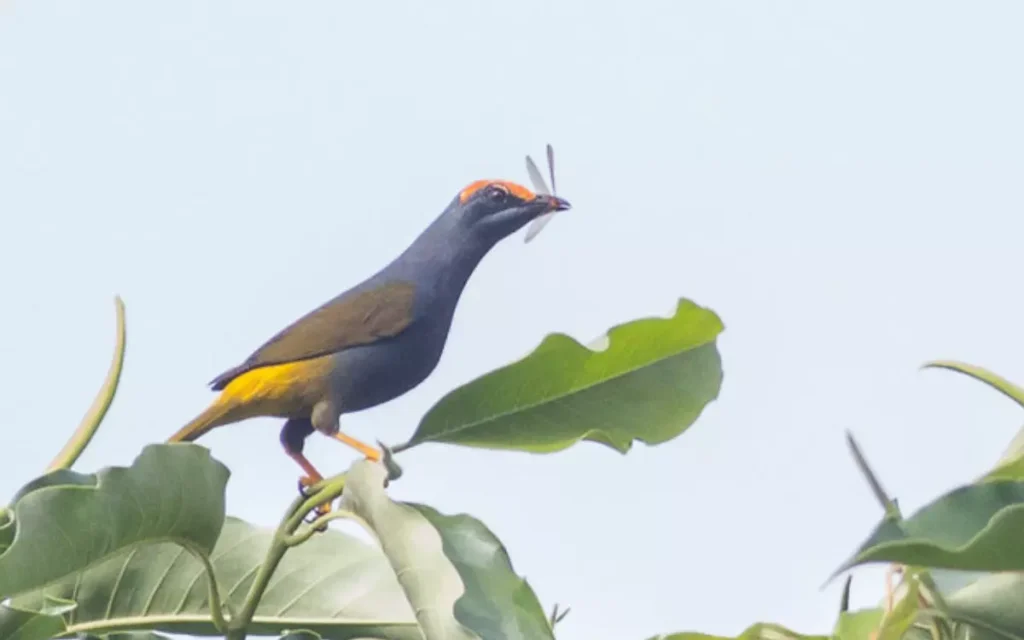
The Fiery-browed Starling is a colorful bird known for the orange tones around its face and underparts, which stand out against its darker body. This contrast makes it easier to recognize, especially when light hits its plumage. It is usually seen in small groups, moving together through trees while searching for food.
These starlings are quite social and active, often foraging in flocks for fruits and insects. You’ll typically find them in forested areas or wooded landscapes where food sources are consistent. Their group behavior and constant movement make them easier to notice than many solitary birds.
- Lifespan: 5–8 years
- Wingspan: 10–12 inches
- Habitat: Forests, wooded areas
- Diet: Fruits, insects
14. Black-naped Oriole (Oriolus chinensis):
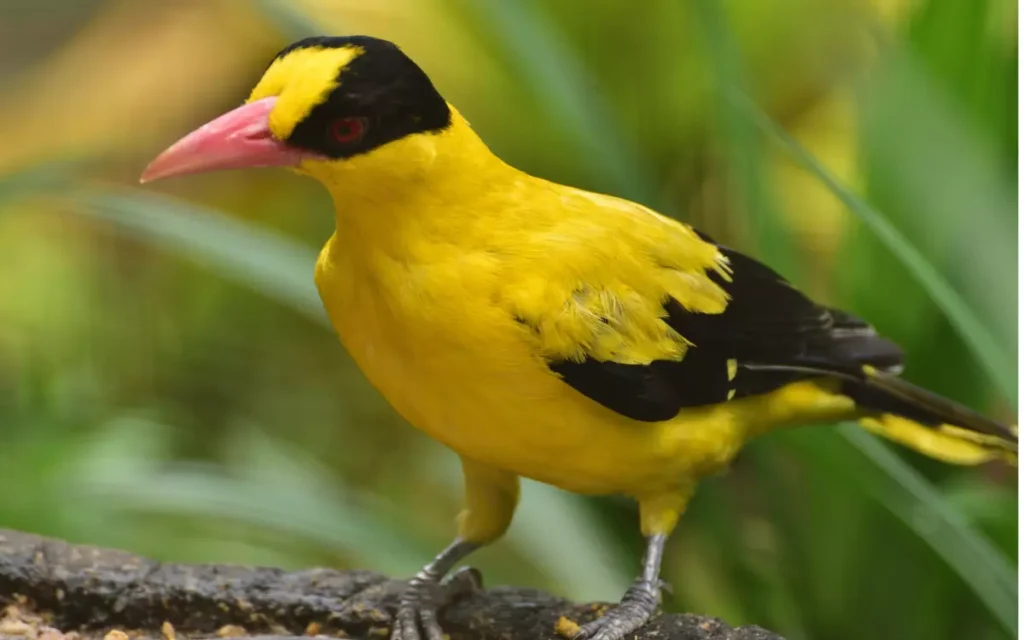
The Black-naped Oriole is a bright and easily recognizable bird thanks to its golden-orange body and bold black stripe running across the back of its head. This clean color contrast makes it one of the most striking black and orange birds in Asian regions.
It is commonly found in woodlands, gardens, and even urban areas where trees are present. These birds are known for their clear, whistling calls, which are often heard before the bird is actually seen. They move gracefully between branches while feeding on fruits, insects, and nectar.
- Lifespan: 8–12 years
- Wingspan: 11–12 inches
- Habitat: Woodlands, gardens, urban trees
- Diet: Fruits, insects, nectar
15.Orange-breasted Sunbird (Anthobaphes violacea):
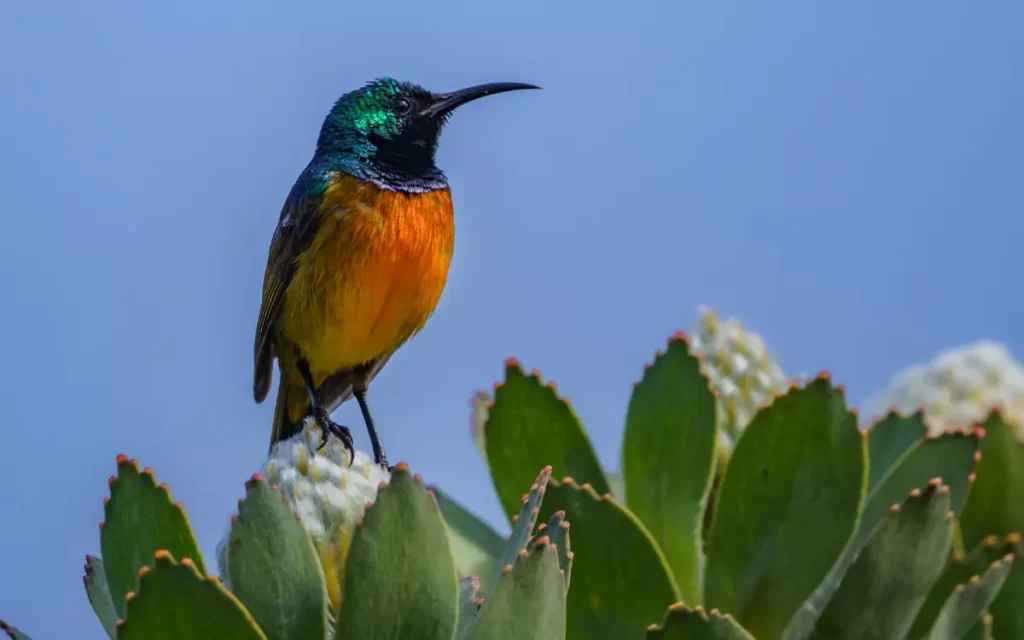
The Orange-breasted Sunbird is a small but eye-catching bird found in South Africa. It has a glowing orange chest that contrasts with darker upperparts and a long, curved bill designed for feeding on nectar. These birds are often seen moving quickly between flowers, playing an important role in pollination.
They prefer fynbos and shrubland habitats, where flowering plants are abundant throughout the year. Despite their small size, they are very active and rarely stay still for long.
- Lifespan: 4–6 years
- Wingspan: 4–5 inches
- Habitat: Fynbos and shrublands
- Diet: Nectar, insects
16. Rufous-bellied Niltava (Niltava sundara):
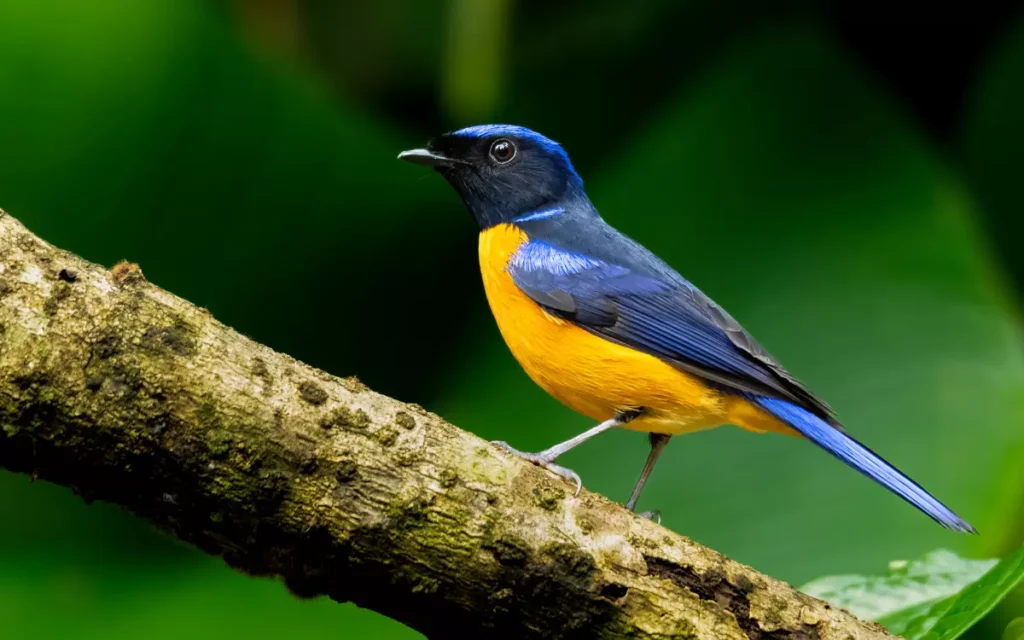
The Rufous-bellied Niltava is a forest bird known for its rich orange underparts and darker blue-black upper body. This contrast makes it stand out in the shaded areas of mountain forests across Asia. It often stays low or mid-level in the forest, quietly moving through branches while searching for food.
Unlike more active birds, the Niltava tends to be calm and observant, making it easier to spot if you watch patiently. Its soft calls can help you locate it in dense vegetation.
- Lifespan: 4–6 years
- Wingspan: 6–7 inches
- Habitat: Montane forests
- Diet: Insects, berries
17. Scarlet Tanager (Piranga olivacea):
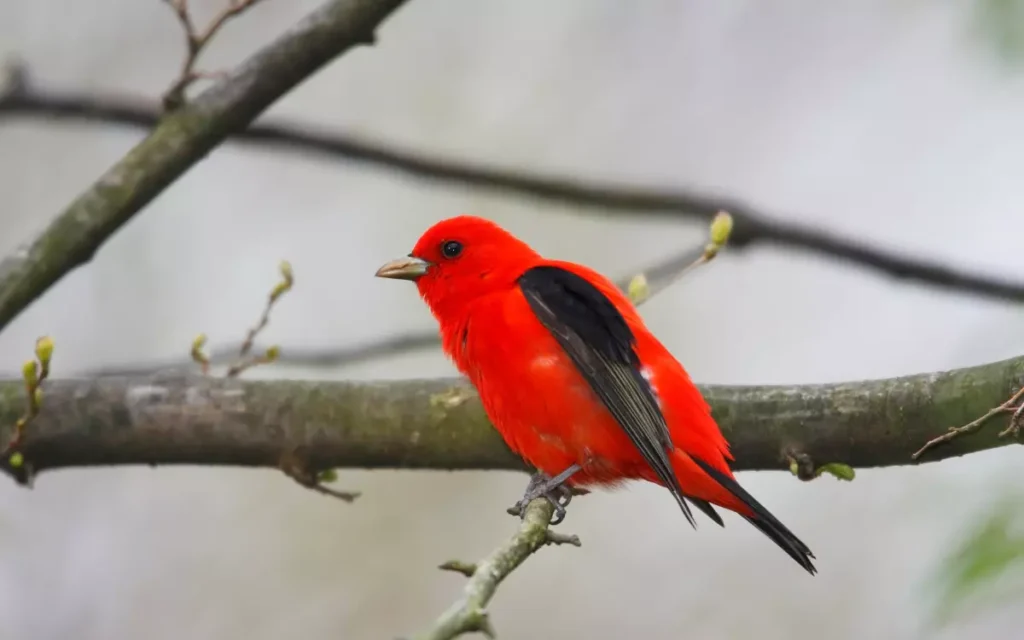
The Scarlet Tanager is one of the brightest birds in North America, with a strong orange-red body and contrasting dark wings. During the breeding season, males are especially vivid, making them easier to identify even from a distance.
These birds spend most of their time high in forest canopies, which can make them harder to see despite their bold color. They migrate between North and Central America, appearing in forests during warmer months.
- Lifespan: 2–3 years
- Wingspan: 9–10 inches
- Habitat: Forests and woodlands
- Diet: Insects, fruits
18. Spangled Cotinga (Cotinga cayana):
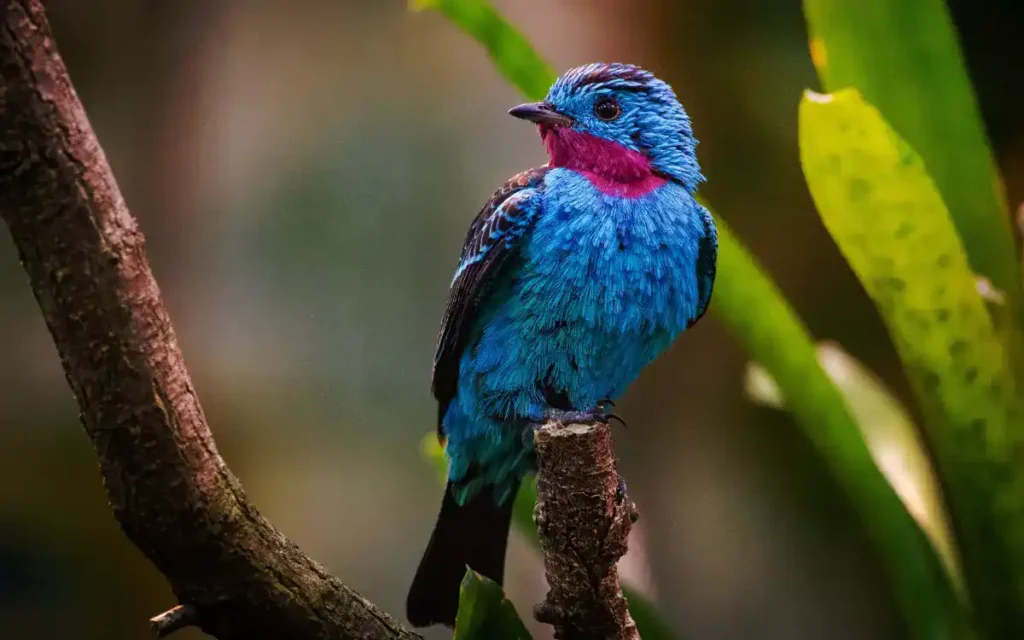
The Spangled Cotinga is a striking bird found in the rainforests of South America. Its mix of orange and darker tones makes it stand out against the green forest background. This species often stays in the upper canopy, where it feeds on fruits and occasionally insects.
Because of its habitat, it is not always easy to spot, but its bold coloration makes it memorable when seen. It plays an important role in spreading seeds across forest areas.
- Lifespan: 6–8 years
- Wingspan: 8–9 inches
- Habitat: Rainforests
- Diet: Fruits, insects
19. Hooded Pitohui (Pitohui dichrous):
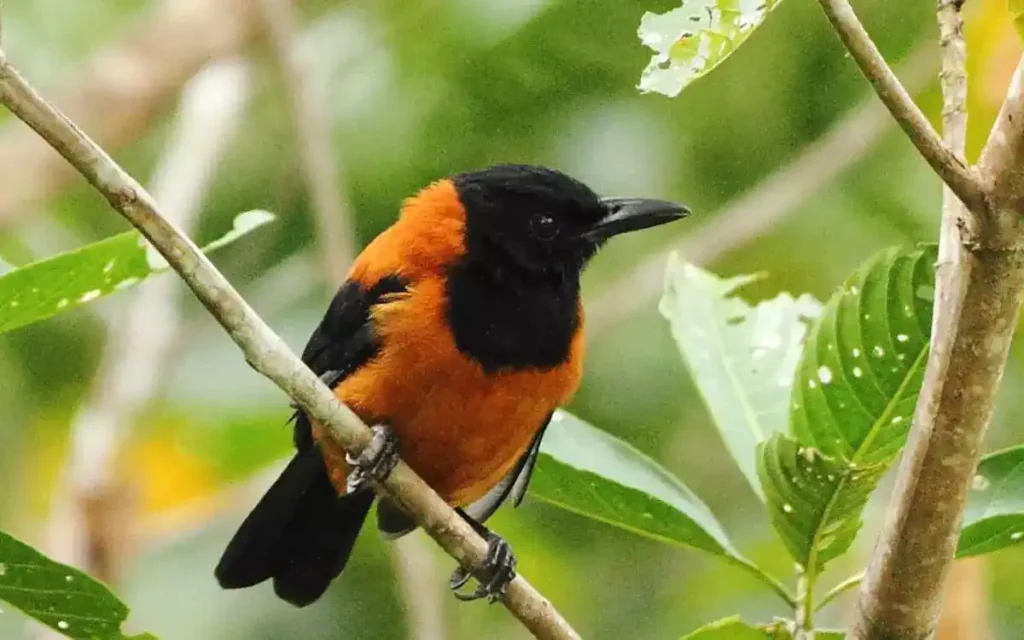
The Hooded Pitohui is one of the few birds known to be toxic. It has a bright orange body with a dark head and wings, creating a strong visual contrast. The toxins in its skin and feathers act as a defense against predators.
Found in the rainforests of New Guinea, this bird feeds on insects and fruits. Its bold coloring is believed to serve as a warning sign in nature, helping it avoid threats.
- Lifespan: 4–6 years
- Wingspan: 8–9 inches
- Habitat: Lowland rainforests
- Diet: Insects, fruits
20.Orange-fronted Barbet (Capito squamatus):
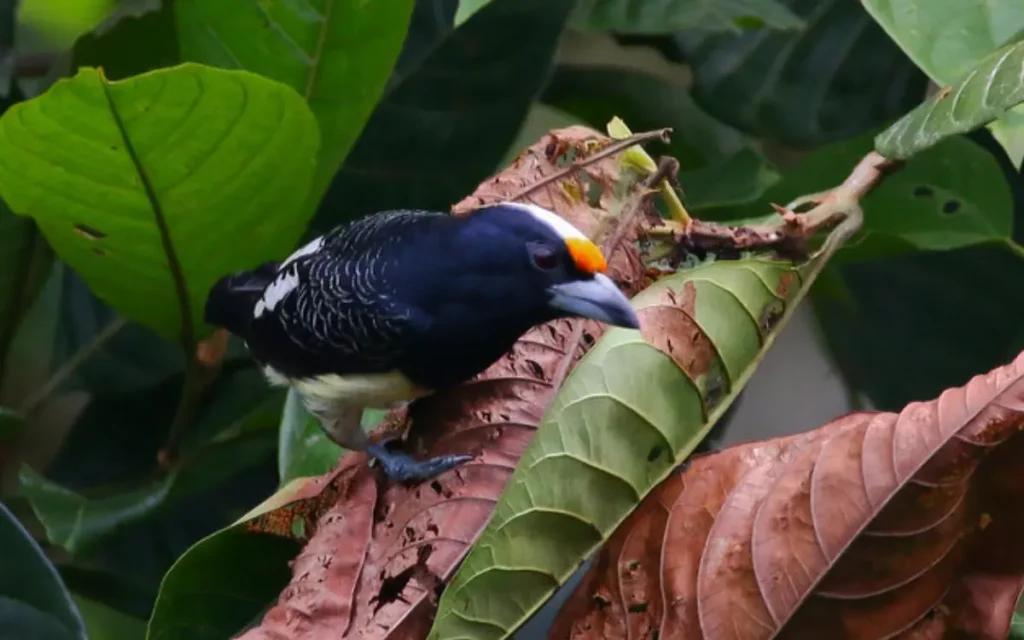
The Orange-fronted Barbet is a unique bird with a bright orange face and patterned body. It is found in tropical forests, where it feeds mainly on fruits but also eats insects when available.
This species plays a key role in forest ecosystems by helping disperse seeds. It is usually seen perched quietly before making short flights between trees.
- Lifespan: 6–8 years
- Wingspan: 6–7 inches
- Habitat: Tropical and subtropical forests
- Diet: Fruits, insects
FAQs
What bird is black and orange?
Several birds have black and orange coloring, but the most common ones include the Baltimore Oriole, American Redstart, and Blackburnian Warbler. These birds are known for their strong color contrast, which makes them easier to identify in the wild.
Are black and orange birds common?
Yes, many black and orange birds are quite common, especially in North America and parts of Asia. Some species, like orioles and robins, are frequently seen in backyards, while others prefer forests and are harder to spot.
What is a small black and orange bird?
The American Redstart is one of the most well-known small black and orange birds. It is active, often flicking its tail and wings to show bright orange patches while catching insects.
What does it mean when you see a black and orange bird?
In nature, seeing a black and orange bird usually relates to seasonal activity like migration or breeding. In symbolic interpretations, these colors are often linked to energy, change, and attention, but meanings can vary by culture.
Where can I see black and orange birds?
You can find black and orange birds in a variety of places, including forests, gardens, parks, and backyards. Setting up feeders with fruit or nectar can attract species like orioles to your yard.
Are black and orange birds rare?
Not necessarily. While some species are less common or limited to specific regions, many black and orange birds are easy to find during the right season, especially in areas with suitable habitats.
Which black and orange bird visits backyards?
The Baltimore Oriole and Hooded Oriole are two of the most common backyard visitors. They are attracted to fruit, jelly, and nectar feeders, making them easier to observe up close.
How do you identify black and orange birds?
The easiest way to identify them is by looking at color placement (head, wings, chest), size, and behavior. Some birds have bright orange bodies with black heads, while others only show orange patches on wings or tails.