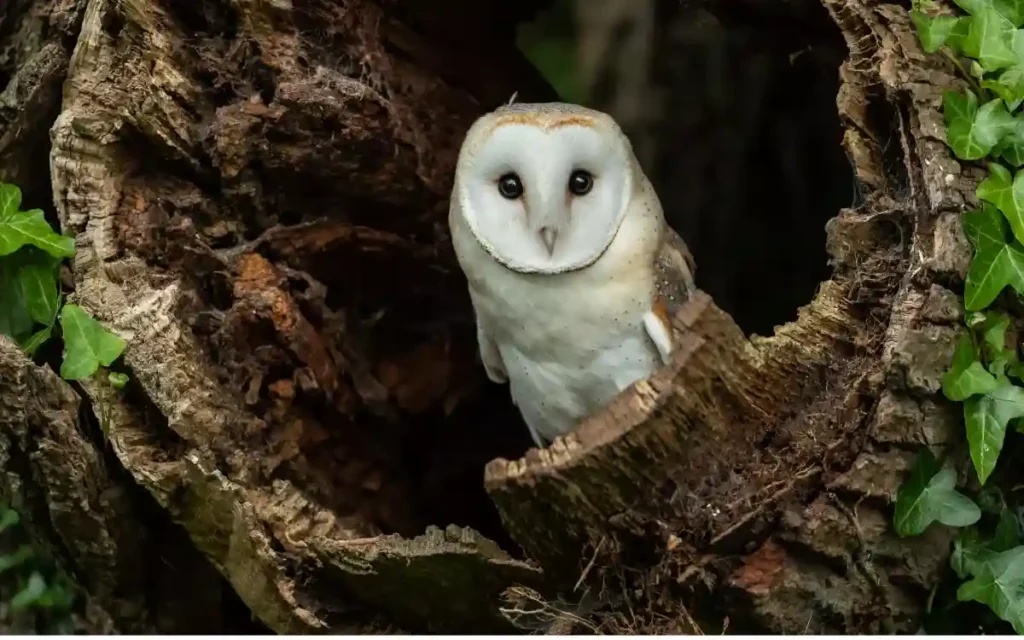
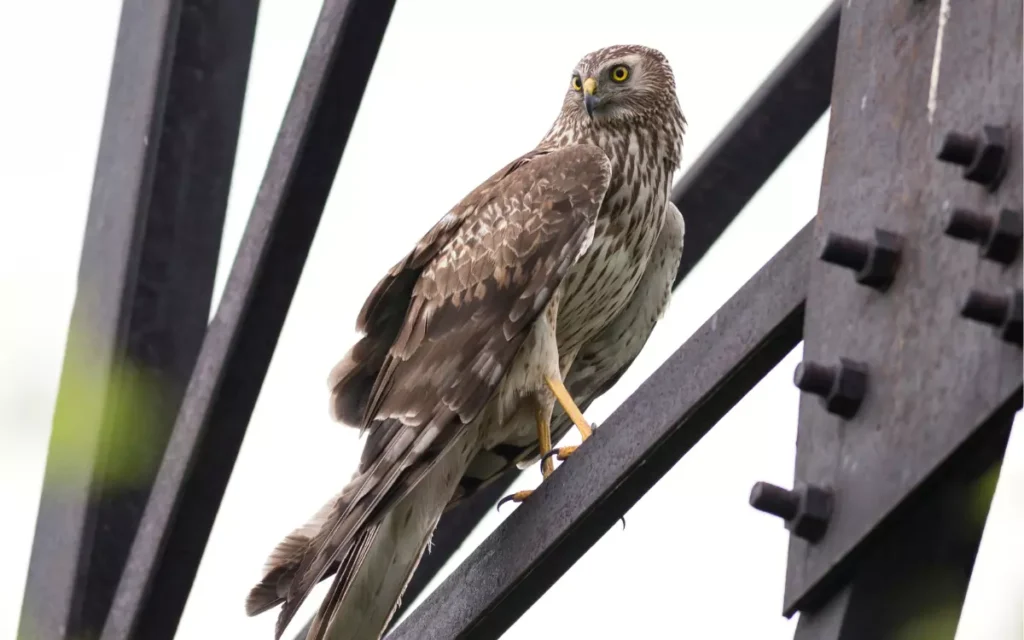
Delaware might be a small state, but it’s home to an impressive variety of birdlife. Among the most charming are the gray-feathered visitors and residents that blend into the quiet backyards, forests, and coastal parks across the state. Gray birds often go unnoticed, yet their gentle shades and distinct songs make them just as fascinating as brighter species. Whether you’re birdwatching along Cape Henlopen’s dunes or filling feeders in your yard, these gray-toned birds bring calm beauty and constant activity to Delaware’s skies.
Below you’ll find twelve gray birds commonly seen in Delaware. Each one has its own personality, song, and season, making this list a perfect starting point for anyone hoping to identify gray birds around their neighborhood or on weekend birding trips.
1. Tufted Titmouse
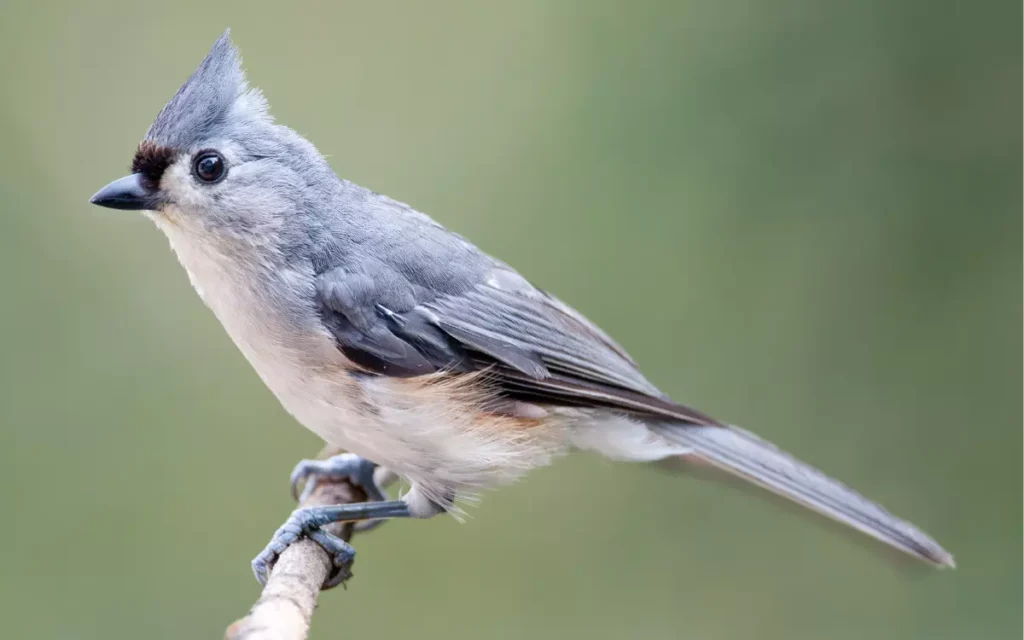
The Tufted Titmouse is a small, round songbird with a gray crest, black forehead, and big dark eyes that give it an alert look. You’ll often hear its clear “peter-peter-peter” call before spotting it hopping from branch to branch. This species stays in Delaware year-round, especially in wooded areas, suburbs, and local parks such as Brandywine Creek and White Clay Creek. If you hang sunflower seeds or suet, they’re almost certain to visit your feeder.
2. Northern Mockingbird
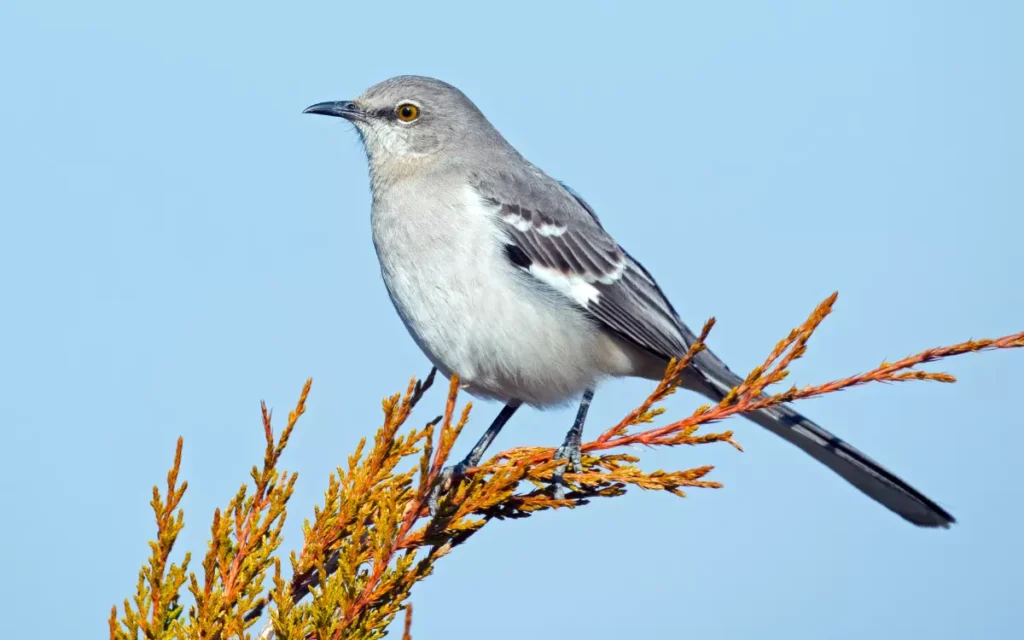
Delaware’s official state bird, the Northern Mockingbird, is sleek and silvery-gray with a long tail edged in white. It’s famous for copying the songs of other birds, frogs, and even mechanical sounds. You’ll find it perched on fences or power lines, boldly defending its territory. Mockingbirds are common in both cities and rural areas and can be seen throughout the year.
3. Gray Catbird
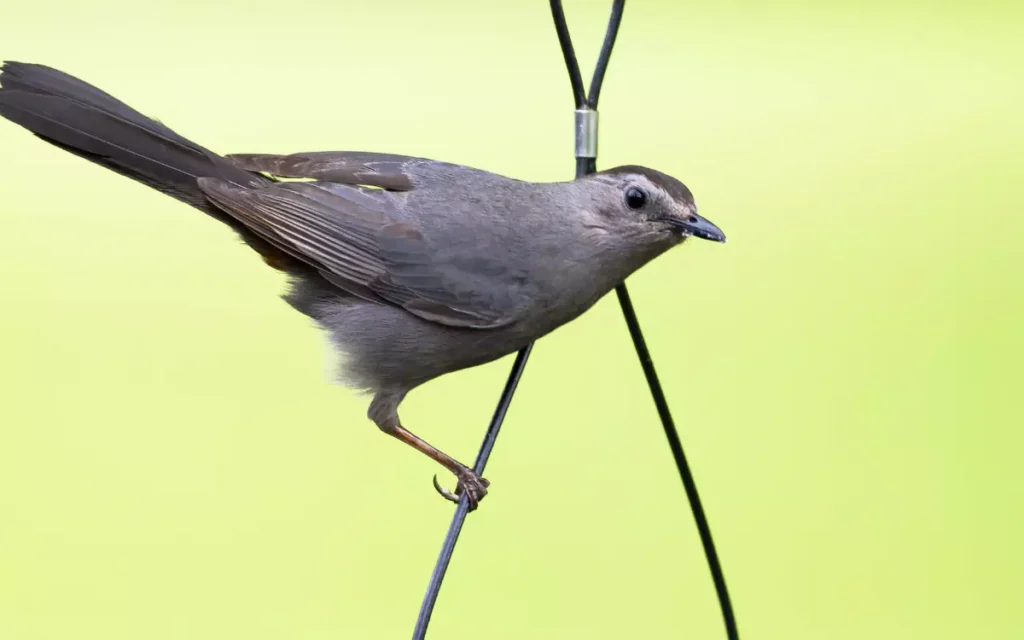
Named for its cat-like “mew,” the Gray Catbird is covered in slate-gray feathers with a small patch of rusty red beneath its tail. These birds love thick shrubs, gardens, and forest edges where they can hide while singing their varied, musical notes. They appear in Delaware from spring through fall, though a few stay along the coast even in winter. If you have dense bushes in your yard, chances are you’ll hear one before you see it.
4. Dark-eyed Junco
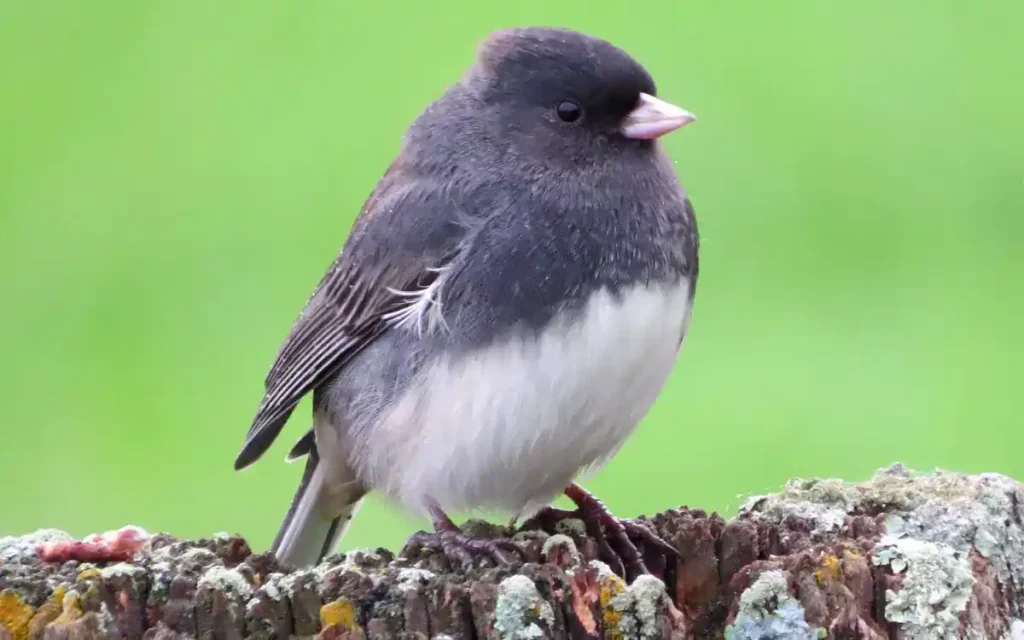
Also known as the “snowbird,” the Dark-eyed Junco arrives in Delaware as the temperatures drop. Its dark gray upperparts and white belly make it easy to spot against a snowy background. These birds often feed on the ground beneath feeders, hopping around in small flocks and flicking their tails to reveal white outer feathers. They usually depart by early spring, heading north to breed.
5. Carolina Chickadee
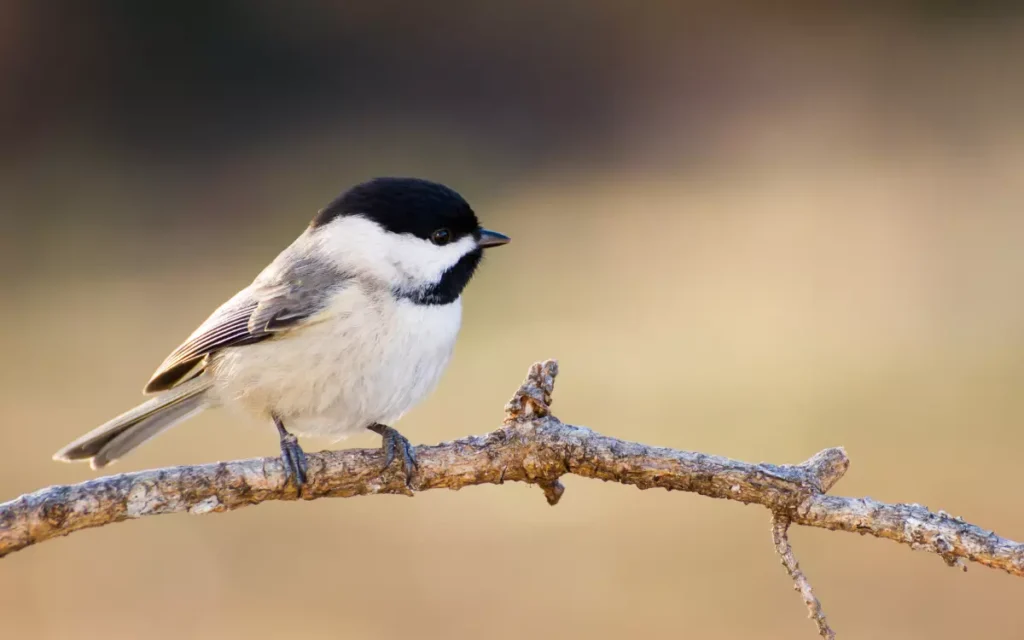
The Carolina Chickadee is one of Delaware’s most familiar gray birds. Its black cap and bib contrast sharply with its pale face and soft gray wings. Active and sociable, chickadees often travel with titmice and nuthatches, bringing life to quiet winter woods. They’re also known for caching seeds to eat later and remembering exactly where they hid them. You can spot them throughout Delaware all year long.
6. Eastern Phoebe
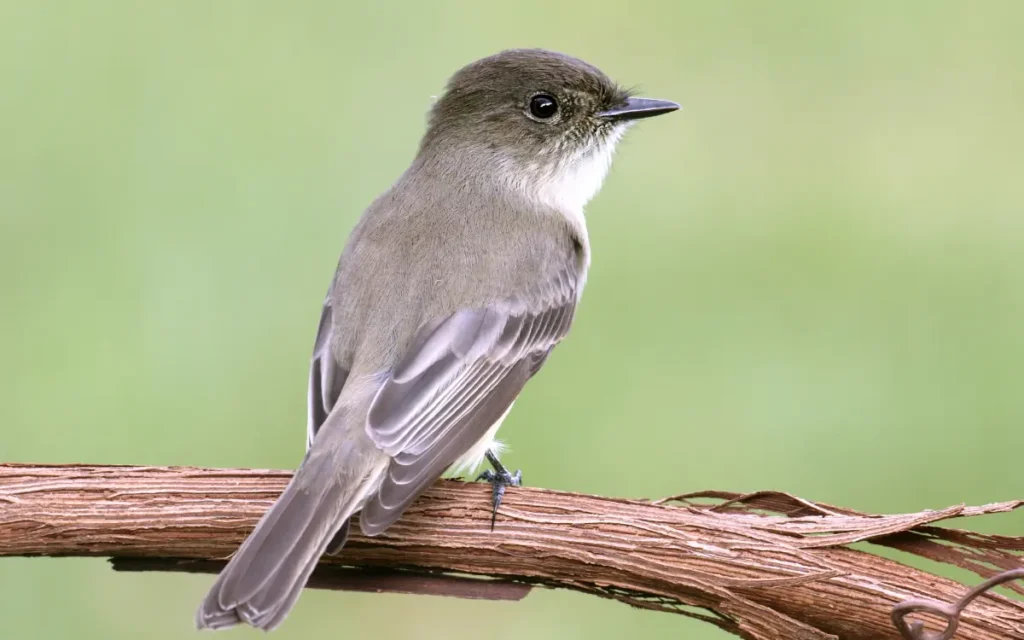
The Eastern Phoebe is a small flycatcher with grayish-brown upperparts and a light underside. It’s known for its habit of wagging its tail when perched on a branch or fence. Phoebes prefer areas near streams, bridges, and shaded trails, making them common sights in state parks from March through October. Their gentle “fee-bee” song often marks the arrival of spring.
7. Loggerhead Shrike

The Loggerhead Shrike is a bird unlike any other on this list. Dressed in pale gray with a bold black mask, this predatory songbird hunts insects and small animals, sometimes storing its catch on thorns earning it the nickname “butcher bird.” Though rare in Delaware, it occasionally appears during migration in open farmlands or along fence lines. Spotting one is a real treat for birders.
8. Northern Shrike
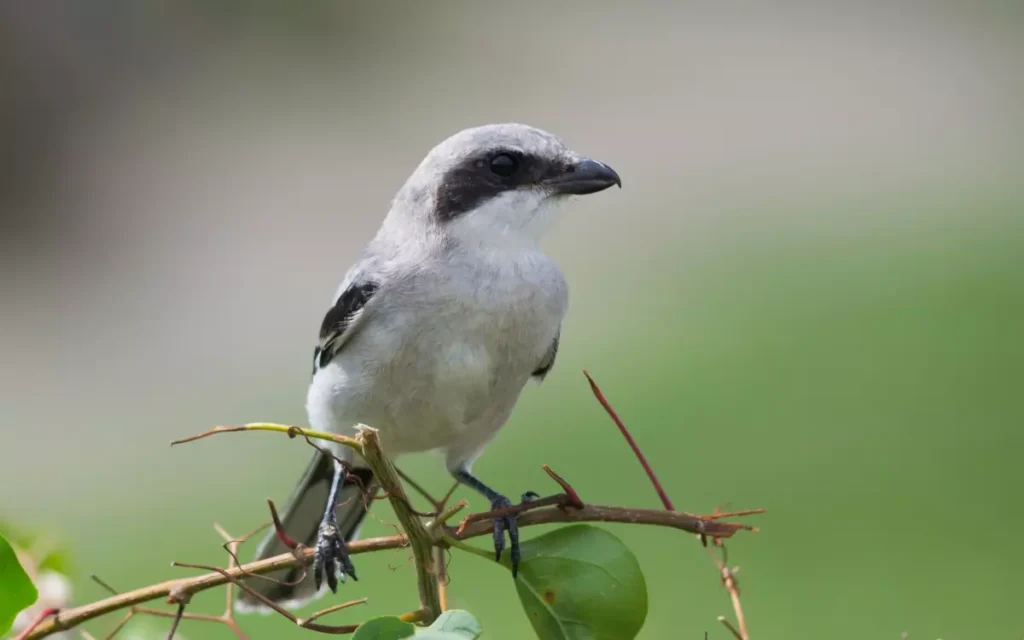
Closely related to the Loggerhead, the Northern Shrike visits Delaware only in winter. It’s slightly larger and lighter gray, with a thinner black mask. Like its cousin, it’s a skillful hunter, often seen perched on high branches scanning the fields. Rural areas and coastal plains offer the best chance to find this uncommon visitor.
9. Gray Kingbird
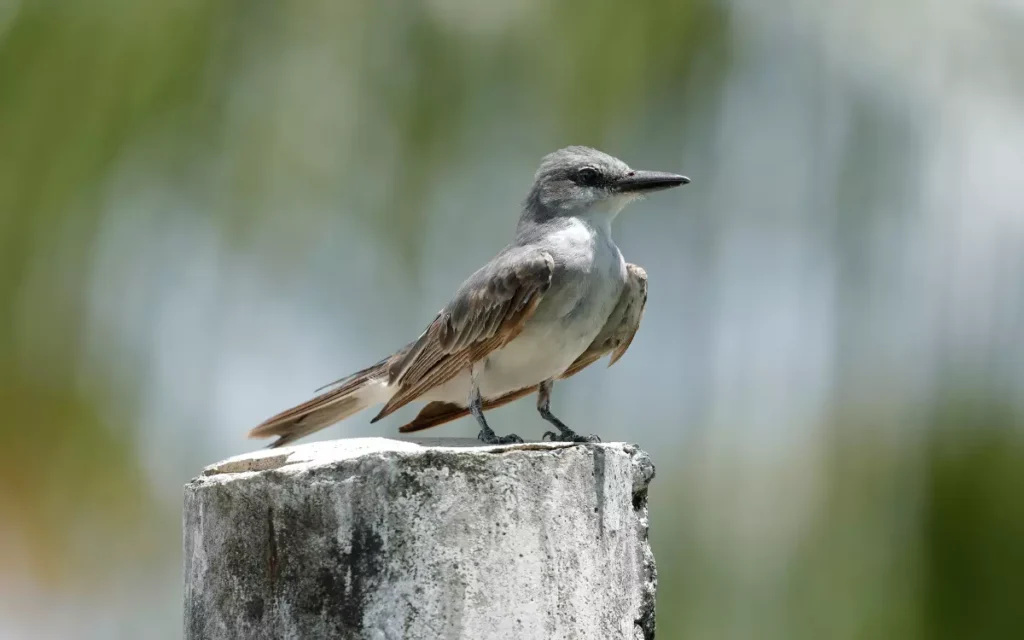
The Gray Kingbird is a rare summer guest in Delaware, usually appearing after strong coastal storms. It’s pale gray above and white below, with a thick black bill made for catching flying insects. Birdwatchers sometimes report sightings at Cape Henlopen or along the southern coast, especially in late summer. While it’s not a guaranteed find, it’s always exciting when this Caribbean species strays north.
10. Black-capped Chickadee
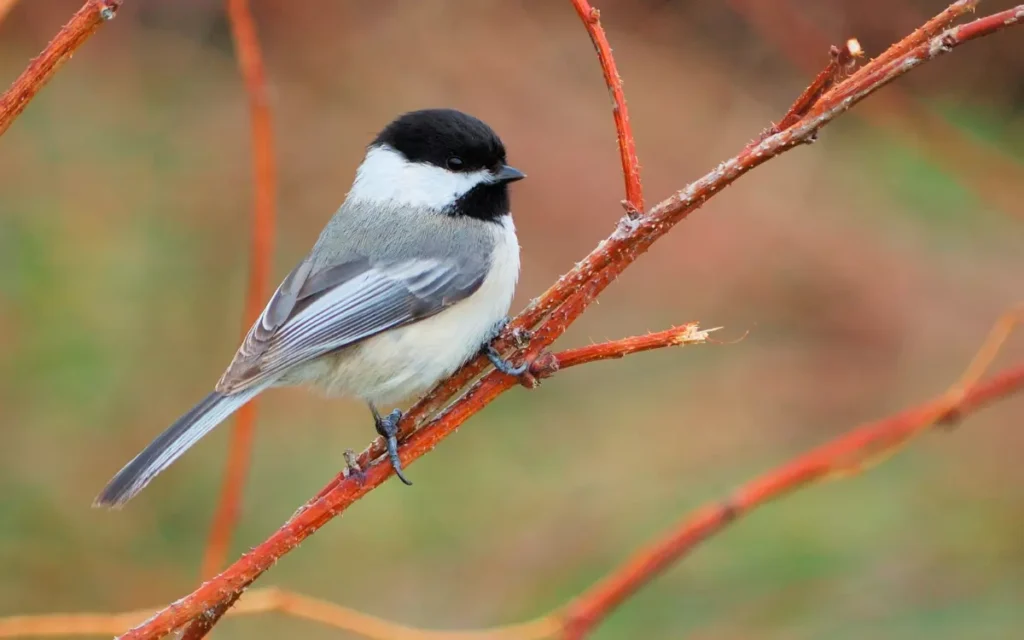
In northern Delaware, particularly around the Pennsylvania border, the Black-capped Chickadee overlaps with the Carolina Chickadee. They look nearly identical, though the Black-capped has more contrast between its black cap and white cheeks. Its song a simple “fee-bee”—is an easy way to tell it apart. If you live near mature woods in northern New Castle County, you might hear both species singing in the same grove.
11. White-breasted Nuthatch
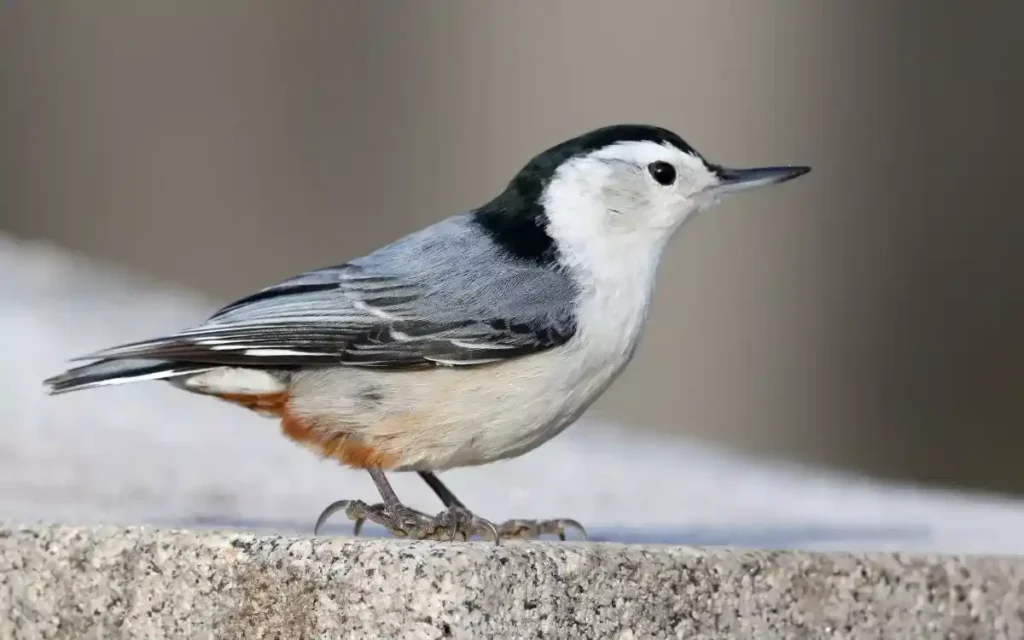
The White-breasted Nuthatch is another familiar gray bird that brings character to Delaware’s feeders. It has a blue-gray back, white face, and a faint rusty tint on the lower belly. Known for its acrobatics, the nuthatch often creeps head-first down tree trunks looking for insects. It’s found across Delaware all year, favoring oak and hickory forests but also happy to visit backyard feeders stocked with sunflower seeds.
12. Mourning Dove
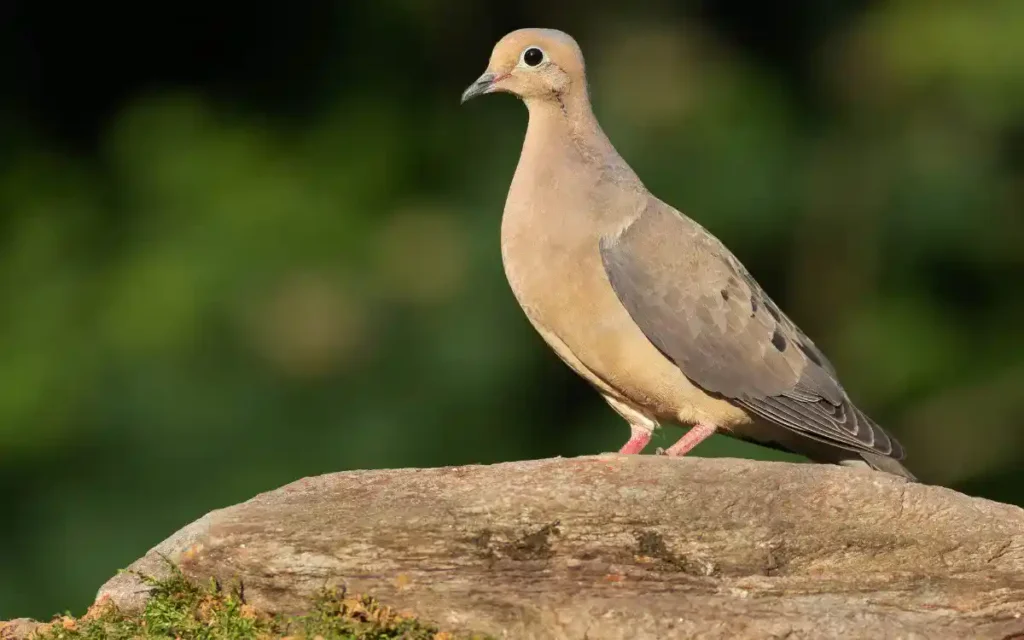
Soft gray and peaceful, the Mourning Dove is one of Delaware’s most widespread birds. Its gentle cooing call echoes across neighborhoods, farms, and open fields. These birds often feed on the ground in pairs or small groups, and their swift, whistling flight is a familiar sight. Mourning Doves are year-round residents and are among the first species new birdwatchers learn to identify.
Gray Birds in Delaware: Quick Reference Guide
| Bird | Commonality | Season Seen | Notable Trait |
| Tufted Titmouse | Very Common | Year-round | Small crest, bold eyes |
| Northern Mockingbird | Very Common | Year-round | Imitates other birds |
| Gray Catbird | Common | Spring–Fall | Cat-like “mew” |
| Dark-eyed Junco | Common | Winter | White belly, hops on ground |
| Carolina Chickadee | Common | Year-round | Black cap and bib |
| Eastern Phoebe | Common | Spring–Fall | Tail bobbing |
| Loggerhead Shrike | Rare | Migration | “Butcher bird” |
| Northern Shrike | Rare | Winter | Pale gray hunter |
| Gray Kingbird | Very Rare | Summer | Coastal stray |
| Black-capped Chickadee | Local | Year-round | Distinct “fee-bee” call |
| White-breasted Nuthatch | Common | Year-round | Climbs down trees |
| Mourning Dove | Very Common | Year-round | Soft cooing call |
Where to Find Gray Birds in Delaware
Delaware offers a wide range of birding spots that suit every level of experience. If you’re near northern Delaware, Brandywine Creek State Park and White Clay Creek State Park are excellent for woodland birds such as titmice, chickadees, and nuthatches.
For open country species like shrikes and doves, explore Bombay Hook National Wildlife Refuge, where wide fields and hedgerows attract gray-plumed birds year-round. Along the coast, Cape Henlopen State Park provides prime migration stopovers where phoebes and even rare kingbirds might appear.
Many gray birds are also regular visitors to suburban backyards. Adding black oil sunflower seeds, peanuts, and suet will attract chickadees, titmice, and nuthatches, while ground feeders like juncos and mourning doves prefer scattered seed. Early mornings and late afternoons are the best times to observe them at their most active.
Tips for Watching and Identifying Gray Birds
When observing gray birds, pay attention to more than just color. Plumage tone alone can be misleading, especially since lighting and molting change their shades. Focus on size, behavior, and voice. For instance, the Eastern Phoebe’s tail-wagging habit or the Catbird’s mew are easy identifiers.
Keep binoculars and a field guide handy, or use birding apps like Merlin or eBird to log sightings. Joining Delaware birding groups or checking eBird hotspot maps can also help you track seasonal movements of rare visitors such as the shrikes or Gray Kingbird.
Frequently Asked Questions
What is the most common gray bird in Delaware?
That would be the Northern Mockingbird, Delaware’s state bird. Its soft gray plumage and musical mimicry make it instantly recognizable across the state.
Which gray birds visit backyard feeders?
Tufted Titmice, Carolina Chickadees, and White-breasted Nuthatches are reliable feeder guests throughout the year, while juncos join in winter.
Do any gray waterbirds live in Delaware?
Yes. Birds like the Great Blue Heron and certain sandpipers may appear gray, especially in cloudy or winter light, though they aren’t songbirds.
Are all these gray birds found year-round?
Not all. Some, like the Mockingbird and Chickadee, stay all year, while others such as the Junco or Shrikes migrate seasonally.
Where should beginners go birdwatching in Delaware?
Start with Bombay Hook National Wildlife Refuge for open-country birds or White Clay Creek for woodland species. Both offer maintained trails and plenty of gray birds to practice identifying.
Final Thoughts
Gray birds may not boast bright plumage, but they bring balance and calm to Delaware’s natural world. Each has its role—some sing loudly from treetops, others flit quietly through backyards, and a few visit only when the weather changes. Taking time to notice them deepens your appreciation for the subtler side of birdwatching. Next time you’re outside, listen closely—the quiet beauty of Delaware’s gray birds is always closer than you think.