While many of Connecticut’s birds are small and quick like chickadees, finches, and wrens the state is also home to some of the largest and most powerful species in North America. These giants of the sky and water are impossible to miss once you see them. With wingspans stretching six to seven feet and bodies heavier than a household cat, they command attention wherever they appear.
From soaring raptors like Bald Eagles and Turkey Vultures to towering waterbirds like herons and swans, Connecticut offers birdwatchers plenty of opportunities to witness these impressive creatures. In this guide, we’ll explore the largest birds you can find in the state, how to identify them, and the best places to see them in action.
1.Bald Eagle
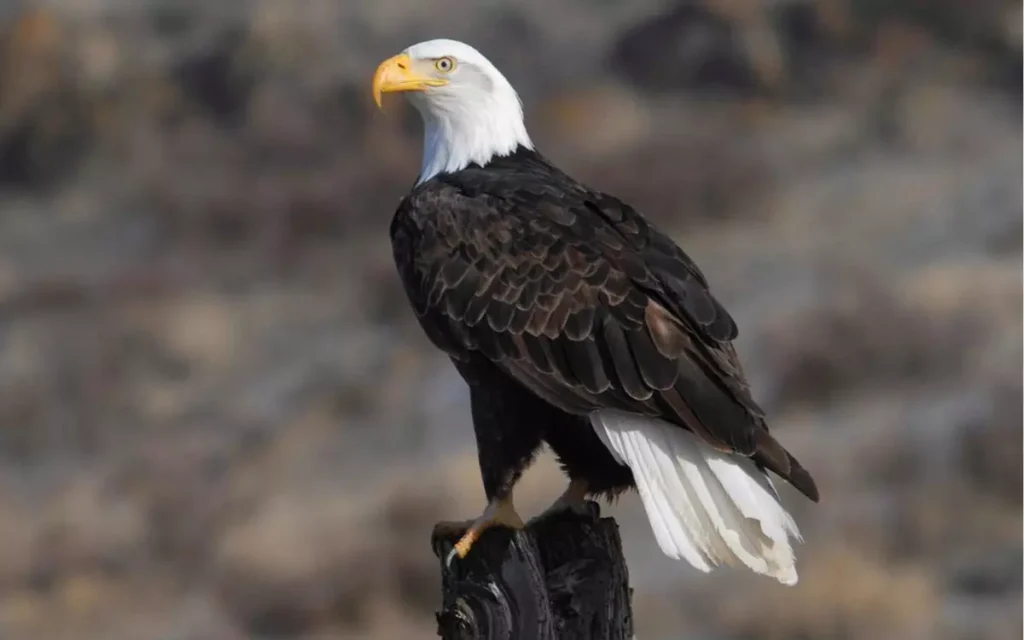
The Bald Eagle is the undisputed king of Connecticut’s skies. With a wingspan that can reach seven feet, it is the largest bird of prey in the state. Adult eagles are unmistakable with their white heads and tails, contrasting sharply against dark brown bodies. Juveniles are mottled brown and can take up to five years to develop the classic adult plumage.
Bald Eagles are most often seen along the Connecticut River, large lakes, and reservoirs, where they fish from the water’s surface. Once endangered, their population has rebounded dramatically, and sightings are now common, especially in winter when ice concentrates fish into open waters.
2.Osprey
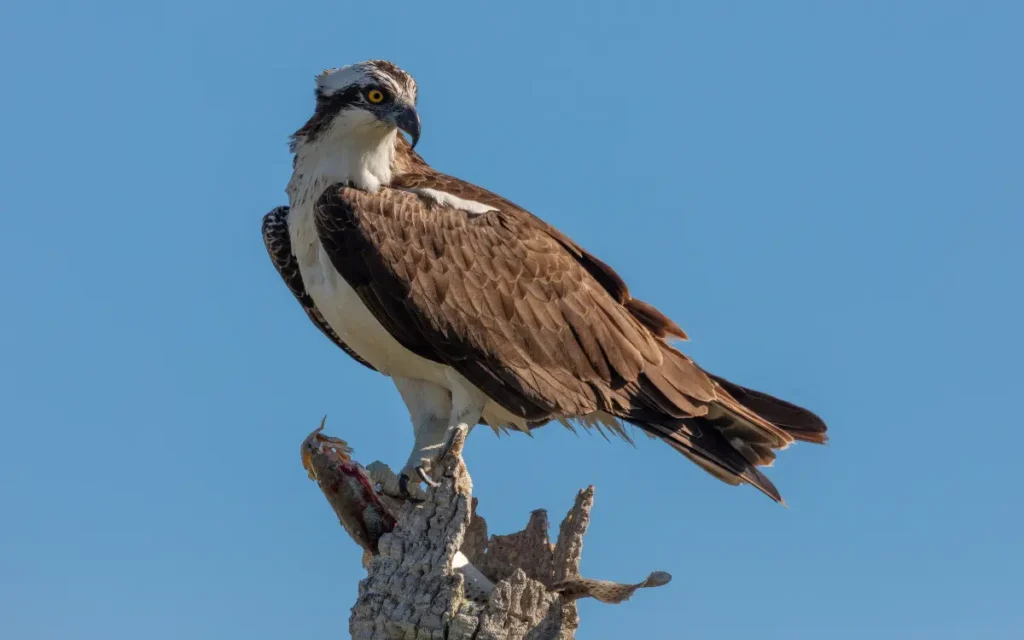
Sometimes called the “fish hawk,” the Osprey is another large raptor with a wingspan of five to six feet. Unlike Bald Eagles, Ospreys are slimmer, with long wings and a distinctive white head marked with a dark eye stripe. They are expert fishermen, often seen hovering above the water before plunging feet-first to grab their prey.
Ospreys are common along the Connecticut shoreline and near rivers during spring and summer. Many nesting platforms have been installed to support their recovery, making it easy for birdwatchers to spot them.
Read also: 14 Most Common Birds in Connecticut: Backyard & Wild Species
3.Turkey Vulture
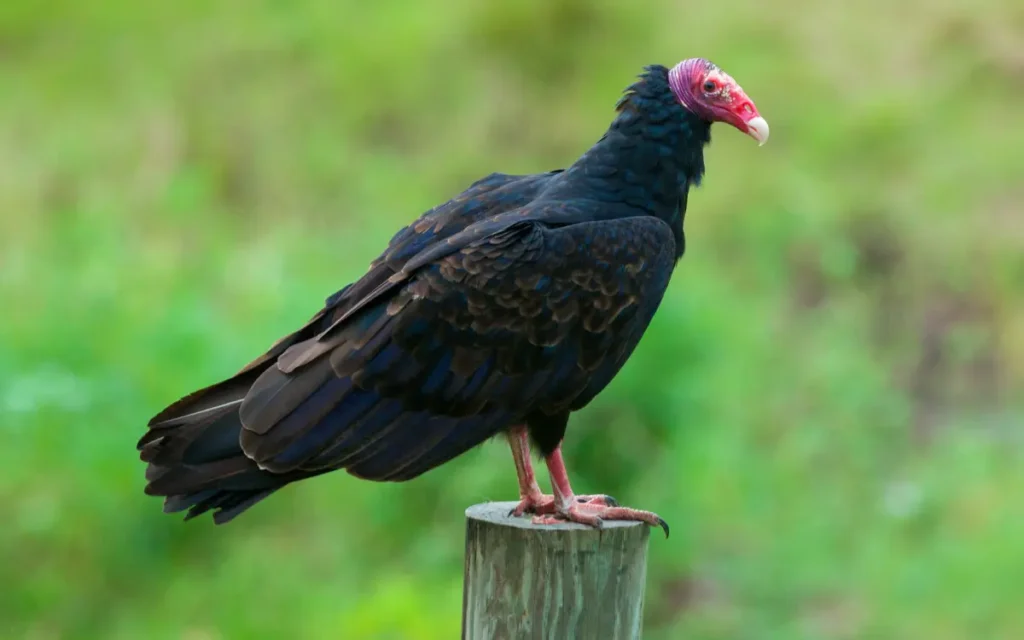
Gliding high overhead with wings held in a shallow “V,” Turkey Vultures are easy to identify. They have a wingspan of around six feet, making them one of the state’s largest soaring birds. Their featherless red heads and habit of feeding on carrion give them a somewhat eerie reputation, but they play a critical role in nature by cleaning up dead animals.
Turkey Vultures migrate north each spring and are widely seen throughout Connecticut in fields, forests, and even highwaysides, where they ride thermal air currents with little effort.
4.Red-tailed Hawk
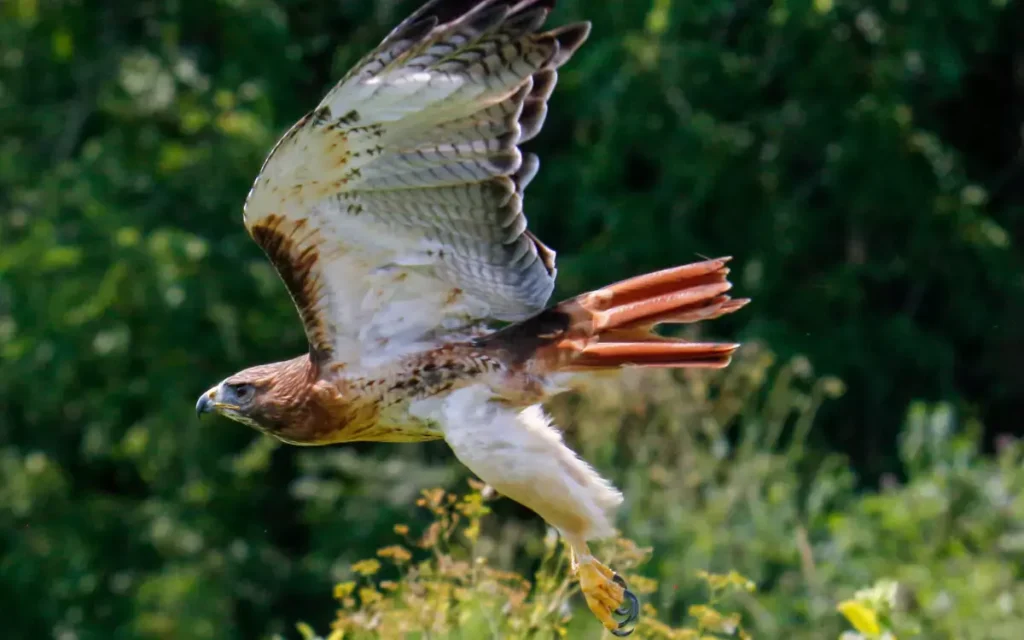
Although smaller than eagles and vultures, the Red-tailed Hawk is still among Connecticut’s largest raptors, with a wingspan of about four feet. Their broad wings and short, wide tails make them efficient hunters. Adults have the iconic reddish tail that gives them their name.
Red-tailed Hawks are one of the most common hawks in the state and can be spotted year-round perched on poles, fence posts, or circling above open fields.
Read also: 10 Small Birds in Connecticut: Identification, Habits & Backyard Visitors
5.Great Blue Heron
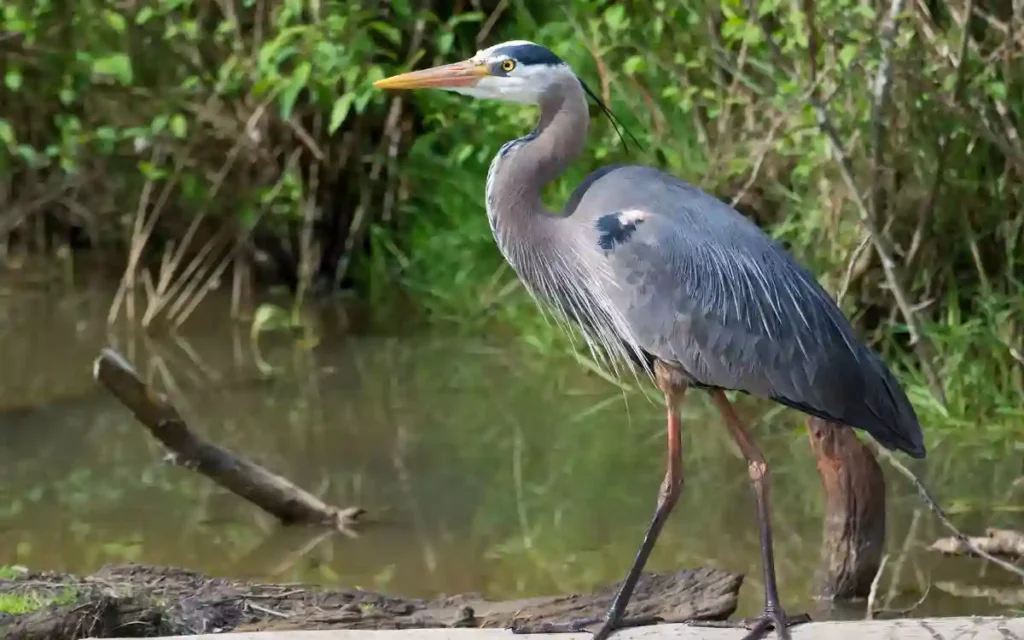
Standing nearly four feet tall with a wingspan over six feet, the Great Blue Heron is the largest wading bird in Connecticut. Its slate-blue plumage, dagger-like bill, and slow, deliberate movements make it unmistakable.
These herons are found along lakes, rivers, ponds, and wetlands, where they patiently stalk fish, frogs, and small mammals. They are often seen standing still in shallow water, waiting for the perfect moment to strike.
6.Great Egret
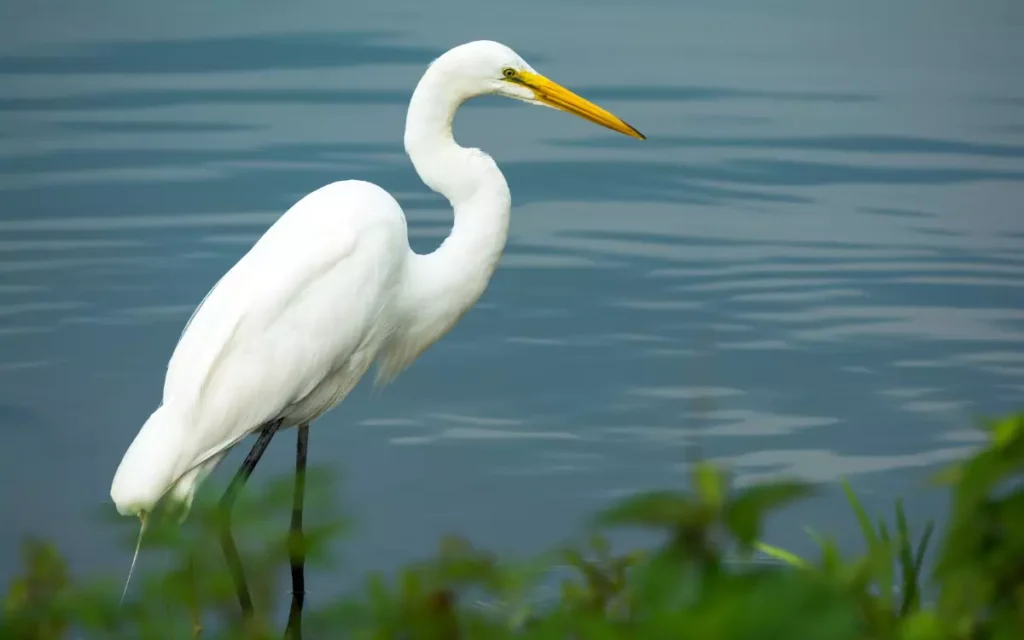
Elegant and tall, the Great Egret is another large wading bird in Connecticut. It measures about three feet tall with a wingspan just under five feet. Its pure white feathers, yellow bill, and black legs make it easy to distinguish from herons.
Great Egrets are summer residents in Connecticut, especially in wetlands and salt marshes along the coast. They were once hunted nearly to extinction for their feathers but have recovered strongly.
7.Mute Swan
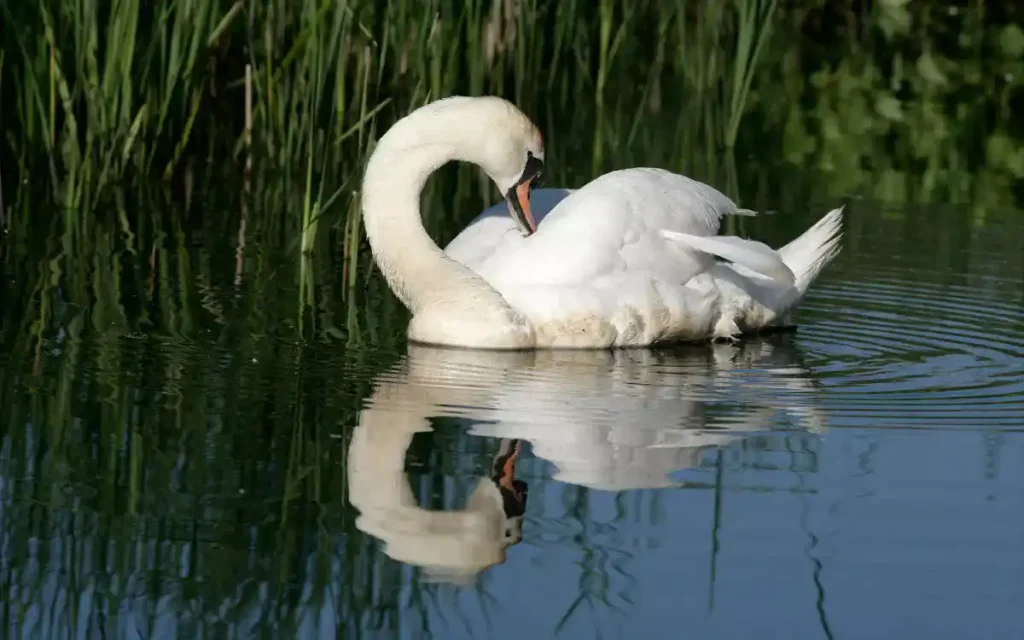
Mute Swans are among the heaviest birds in Connecticut, weighing up to 25 pounds. Their wingspans can stretch more than seven feet, rivaling Bald Eagles. Originally introduced from Europe, they now live year-round in ponds, lakes, and coastal areas.
With their graceful long necks and snowy white feathers, Mute Swans are beautiful but also controversial. They are considered invasive and can be aggressive toward native waterfowl. Still, their size and elegance make them an unforgettable sight.
8.Wild Turkey
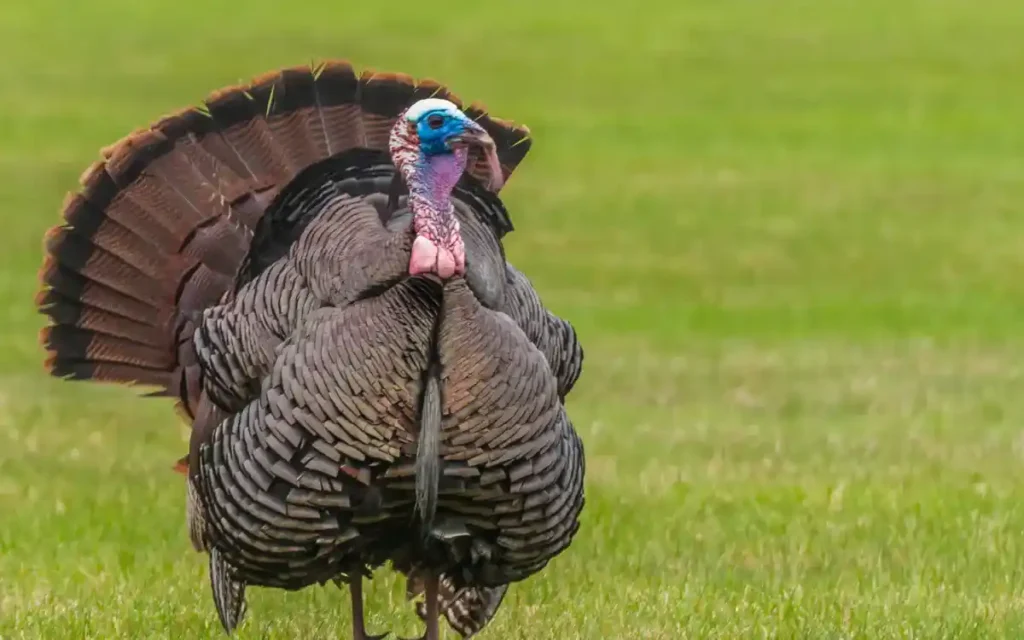
Wild Turkeys are one of the largest land birds in Connecticut. Males can weigh up to 20 pounds and sport long tails and iridescent bronze feathers. During spring, males fan out their tails and gobble loudly to attract females, a spectacle often seen in fields and forest edges.
Once nearly wiped out, Wild Turkeys have rebounded thanks to reintroduction efforts and are now common across Connecticut. They are often spotted foraging in groups, even near suburban neighborhoods.
9.Canada Goose
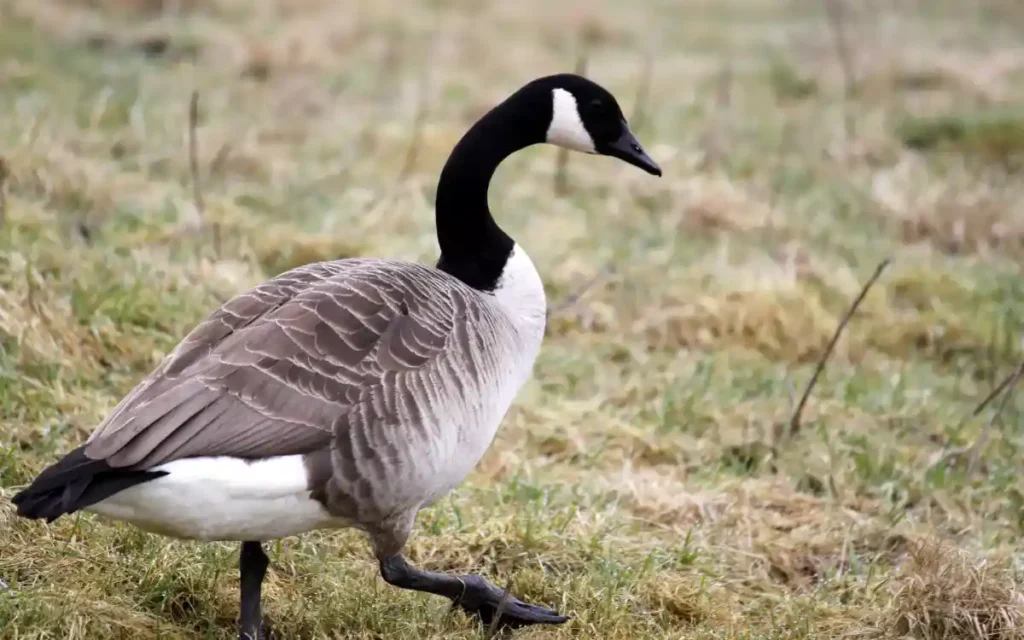
Loud, social, and widespread, Canada Geese are a common sight in Connecticut year-round. They weigh up to 14 pounds and have a wingspan of about five to six feet. Recognizable by their black head and neck with a white cheek patch, these geese thrive in parks, lakes, rivers, and fields.
In many areas, they are considered overabundant, but they remain one of the state’s most familiar large birds.
10.Common Loon
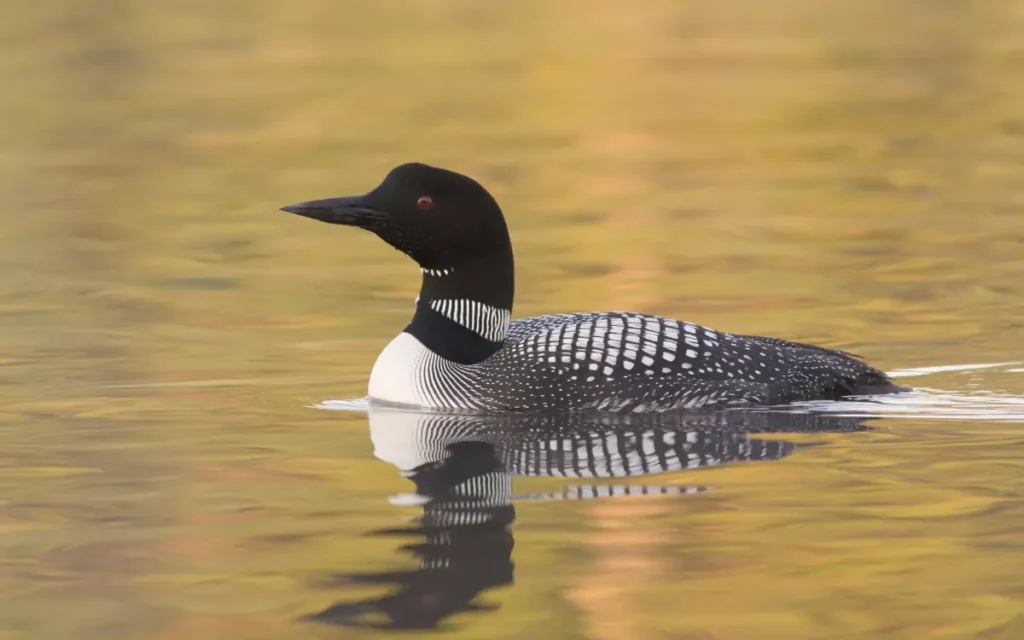
While not as heavy as swans or turkeys, the Common Loon is still an impressive bird, about three feet long with a wingspan over four feet. Its striking black-and-white breeding plumage and haunting calls make it one of the most memorable birds in Connecticut.
Loons breed further north but pass through Connecticut during migration, especially on large lakes. In winter, they shift to drab gray plumage but remain powerful divers capable of swimming great distances underwater.
Comparison Table: Largest Birds in Connecticut
| Bird | Wingspan | Weight | Habitat |
| Bald Eagle | Up to 7 ft | 10–14 lbs | Rivers, lakes |
| Great Blue Heron | 6+ ft | 5–6 lbs | Wetlands, rivers |
| Turkey Vulture | 6 ft | 4–5 lbs | Fields, forests |
| Mute Swan | 7 ft | 20–25 lbs | Lakes, ponds |
| Wild Turkey | 4–5 ft | 15–20 lbs | Forests, fields |
FAQs
What is the largest bird in Connecticut overall?
The Mute Swan is the heaviest, weighing up to 25 pounds, while the Bald Eagle has the greatest wingspan, reaching about seven feet.
Are Bald Eagles common in Connecticut?
Yes. Once rare, they have made a strong comeback and are now regularly seen along the Connecticut River and large lakes.
What’s the largest bird I can see in my backyard?
Wild Turkeys and Canada Geese are the most likely large birds to appear near suburban homes and open fields.
Do large birds stay year-round in Connecticut?
Some do, like Wild Turkeys, Canada Geese, Crows, and Mute Swans. Others, like Ospreys and Great Egrets, migrate south for winter.
Which large waterbird is most common in Connecticut wetlands?
The Great Blue Heron is widespread and can be found in almost every large wetland, river, and pond across the state.
Final Thoughts
Connecticut’s largest birds are awe-inspiring, whether soaring high above or wading gracefully in shallow water. They remind us of the wild beauty that still thrives across the state’s landscapes. From the powerful Bald Eagle to the elegant Great Blue Heron, these giants are worth looking for, no matter the season.
If you’re out birdwatching, keep your eyes on both the skies and the water—you never know when one of these impressive birds will cross your path.