The Mourning Dove is one of the most common birds in North America. You can recognize it by its soft gray color, long pointed tail, and gentle cooing call.
These doves often gather under feeders, perch on wires, and walk calmly across lawns. In this guide, you’ll learn how to identify Mourning Doves, where they live, what they eat, how they nest, and how to attract them to your yard.
How to Identify a Mourning Dove
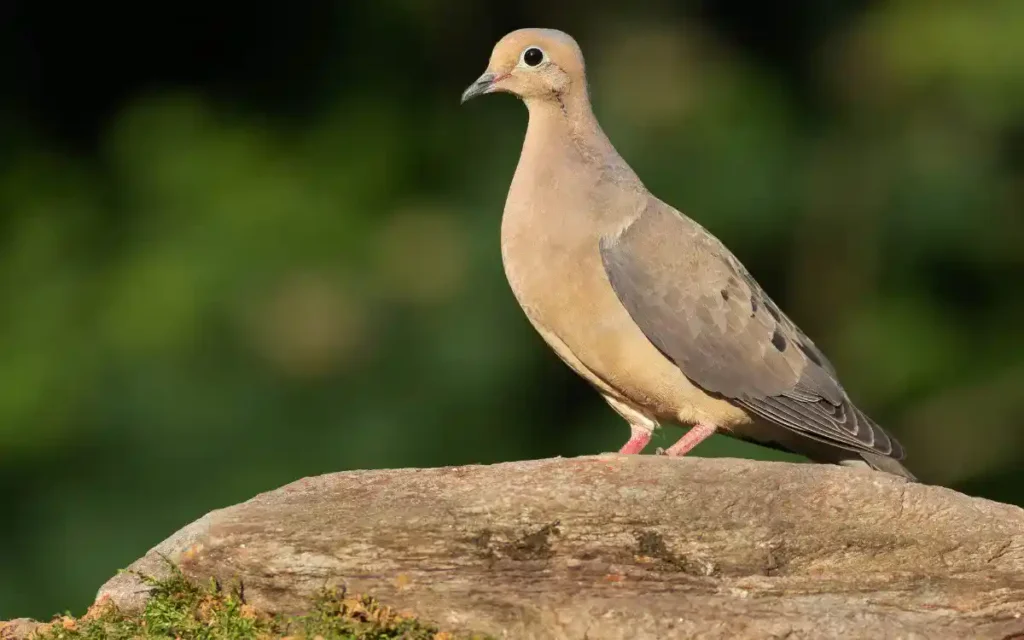
Mourning Doves have a slim body, small head, and long pointed tail.
Their feathers appear soft gray or light brown with black spots on the wings.
Size and Shape
- Length: 9–13 inches
- Wingspan: 17–18 inches
- Weight: 3–6 ounces
They look slender compared to pigeons and have a more delicate build.
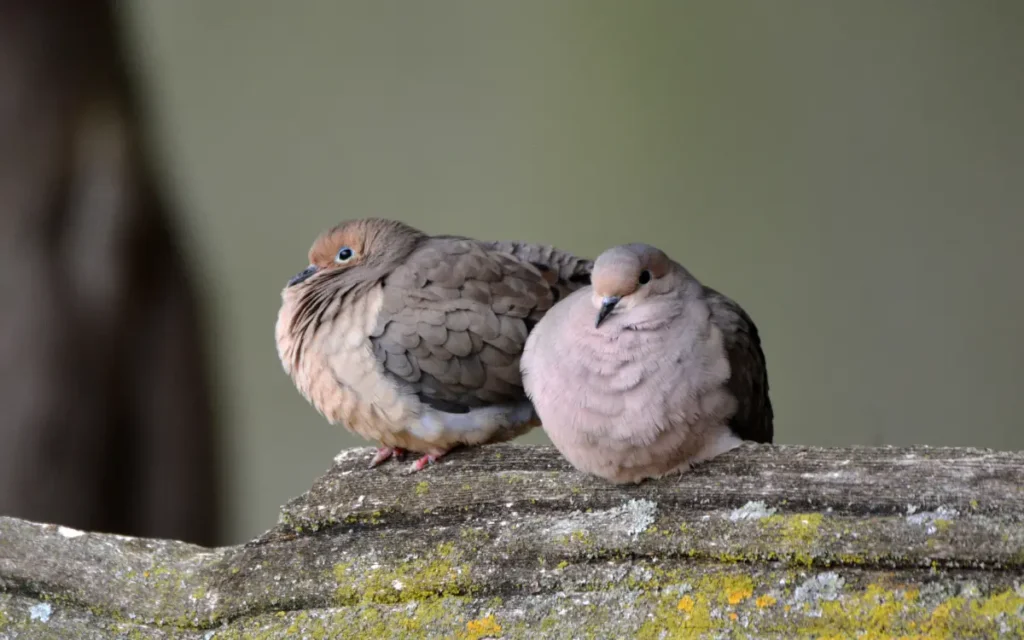
Male vs Female Mourning Dove
FeatureMaleFemaleBody ColorSlight pinkish toneMore brown-grayHeadSubtle blue-gray patchLess noticeableSizeSlightly largerSlightly smaller
The differences are subtle. Most people identify them by shape rather than color differences.
Juvenile Mourning Doves
Young doves show:
- Scaled-looking feathers
- Less defined black spots
- Softer coloring
They quickly develop adult features within weeks.
Where Do Mourning Doves Live?
Mourning Doves live across almost the entire United States.
You can find them in:
- Suburban neighborhoods
- Open fields
- Farmland
- Roadsides
- Backyards
They prefer open areas with scattered trees.
Do Mourning Doves Migrate?
Some migrate, especially northern populations.
Southern doves often stay year-round.
Even migrating groups travel short distances compared to many songbirds.
What Do Mourning Doves Eat?
Mourning Doves eat mostly seeds.
Their diet includes:
- Sunflower seeds
- Millet
- Cracked corn
- Grass seeds
- Weed seeds
They rarely eat insects.
Ground Feeding Behavior
Mourning Doves prefer to feed on the ground.
You often see them walking slowly beneath feeders picking up spilled seed.
They swallow seeds whole and store them in a special pouch called a crop.
Mourning Dove Nesting Habits
Mourning Doves nest early in spring and can raise multiple broods per year.
They often build simple nests that look loose or fragile.
They place nests in:
- Trees
- Shrubs
- Hanging planters
- Gutters
- Window ledges
Eggs and Incubation
- Clutch size: 2 eggs
- Egg color: White
- Incubation: About 14 days
- Fledging: 12–15 days
Both parents take turns incubating the eggs.
Crop Milk Feeding
Both parents feed their chicks a special substance called “crop milk.”
This nutrient-rich food helps chicks grow quickly.
Few bird species produce this type of food.
Mourning Dove Calls and Sounds
Mourning Doves make a soft, sad-sounding coo.
It often sounds like:
“Coo-oo, coo, coo, coo.”
Many people mistake their wing whistle for another bird.
When they take off, their wings create a sharp whistling sound.
Behavior and Interesting Traits
Mourning Doves often:
- Perch on wires
- Sunbathe on open ground
- Sit quietly for long periods
- Fly in fast, direct lines
They can reach speeds up to 55 miles per hour.
They also drink water by sucking it up without lifting their head, which is unusual for birds.
Birds Often Confused with Mourning Doves
BirdKey DifferenceEurasian Collared-DoveBlack neck collar, larger sizeRock PigeonThicker body, shorter tailWhite-winged DoveBold white wing stripe
The long pointed tail and black wing spots help confirm a Mourning Dove.
Read more comparison:-
Pigeon vs. Mourning Dove: Differences & Similarities Explained
Mourning Dove vs White winged Dove: How to Tell Them Apart
States Where You Can See the Mourning Dove
You can see Mourning Doves in nearly every U.S. state.
They are especially common in:
- Texas
- Florida
- California
- Arizona
- Georgia
- Illinois
- Ohio
- North Carolina
- Pennsylvania
- Oklahoma
- Kansas
- Missouri
Because they appear across the country, they connect perfectly with your state bird guides.
You can internally link phrases like:
- “Common backyard birds in Texas”
- “Birds you can see in Florida”
- “Illinois backyard birds guide”
Quick Facts About Mourning Doves
FeatureDetailScientific NameZenaida macrouraLifespan2–5 years (some live longer)MigrationPartial migrantClutch Size2 eggsFlight SpeedUp to 55 mph
How to Attract Mourning Doves to Your Yard
You can attract Mourning Doves by:
- Offering millet or cracked corn
- Using platform feeders
- Allowing some seed to fall on the ground
- Providing fresh water
They prefer open spaces with nearby perches.
FAQ’s
Are Mourning Doves rare?
No. They are one of the most common birds in North America.
Why do Mourning Doves sound sad?
Their soft cooing call gives them a mournful tone, which inspired their name.
Do Mourning Doves mate for life?
They form strong seasonal pair bonds and may stay together for multiple breeding seasons.
Why do they sit on power lines?
They use wires as safe resting spots with clear views of their surroundings.
Are Mourning Doves protected?
Yes. They are protected under the Migratory Bird Treaty Act in the United States.
Final Thoughts
The Mourning Dove remains one of the calmest and most familiar backyard birds. Its gentle call, simple appearance, and year-round presence make it easy to observe in almost every state.
Because it appears nationwide and connects strongly with feeder searches, it adds strong value to your Bird Species Guide and supports your state-based content strategy.
If you want next, I suggest:
- Downy Woodpecker (high ID confusion traffic)
- Red-winged Blackbird (color-based searches)
- American Goldfinch (seasonal color change traffic)
Tell me which one you want next.