Connecticut’s coastlines and wetlands are some of the best places in New England to see shorebirds. Every year, dozens of species stop along Long Island Sound during migration, while a few remain to breed in the state’s marshes and sandy beaches. From tiny sandpipers that scurry along the waves to striking oystercatchers with bright orange bills, shorebirds bring excitement to every trip outdoors.
Because many of these birds look similar, especially in their drab nonbreeding plumage, identifying them can be a challenge. This guide introduces the most common and notable shorebirds you can encounter in Connecticut, organized into groups to make recognition easier.
1.Least Sandpiper

At just six inches long, the Least Sandpiper is the smallest shorebird in Connecticut. Its brown plumage blends with mudflats and marsh edges, but yellowish legs help set it apart. These sandpipers are common migrants in spring and fall, often feeding in small flocks.
2.Semipalmated Sandpiper

The Semipalmated Sandpiper is a small, gray-brown bird with a short bill. It gets its name from the slight webbing between its toes. Huge flocks gather along Connecticut’s coast in late summer, making for spectacular viewing.
3.Spotted Sandpiper

True to its name, the Spotted Sandpiper shows bold spotting across its breast in breeding season. Outside of summer, the spots fade, but its constant tail-bobbing behavior remains a giveaway. These sandpipers are found along lakeshores, rivers, and wetlands.
4.Solitary Sandpiper
Unlike most sandpipers that travel in groups, the Solitary Sandpiper prefers to feed alone. With dark greenish legs and a crisp white eye ring, it is most often seen along freshwater edges during migration.
5.Semipalmated Plover

Small and round, the Semipalmated Plover resembles a tiny Killdeer. It has a single dark breast band and orange legs. These birds are common migrants along Connecticut’s beaches and mudflats.
6.Killdeer

Larger than other plovers, the Killdeer is easily recognized by its two black breast bands. Its loud “kill-deer” call often gives it away long before you see it. Killdeer are adaptable and can be found not just on shorelines but also in fields, golf courses, and even parking lots.
7.Piping Plover
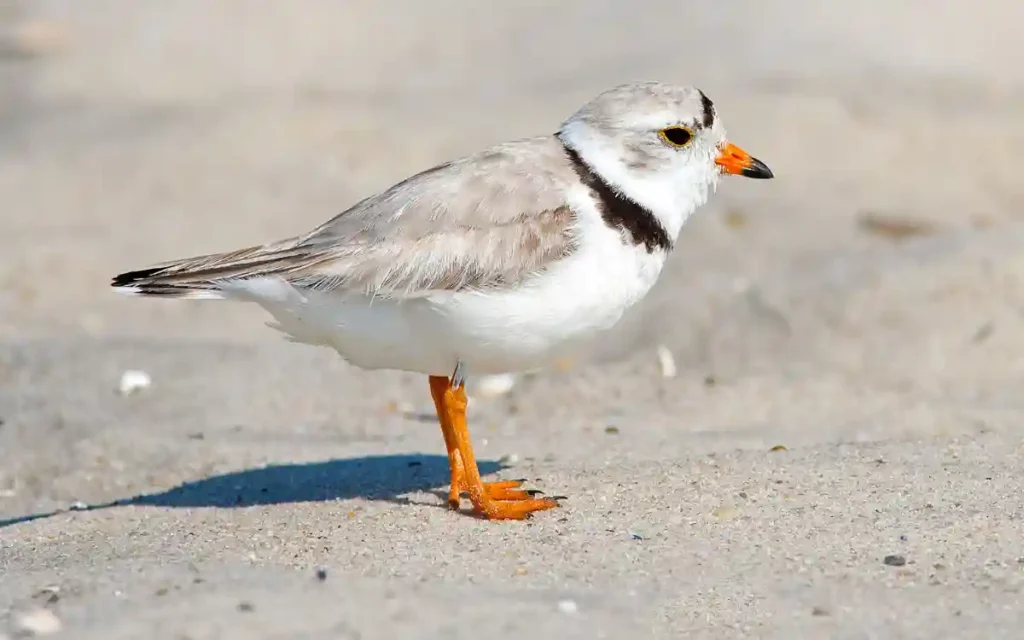
The Piping Plover is one of Connecticut’s most special shorebirds. Small, pale, and sandy-colored, it has a single breast band and an endangered status. These birds nest on sandy beaches like Milford Point, Sandy Point, and Long Beach. Conservation efforts have helped them recover, but their fragile nests still need protection.
8.Greater Yellowlegs
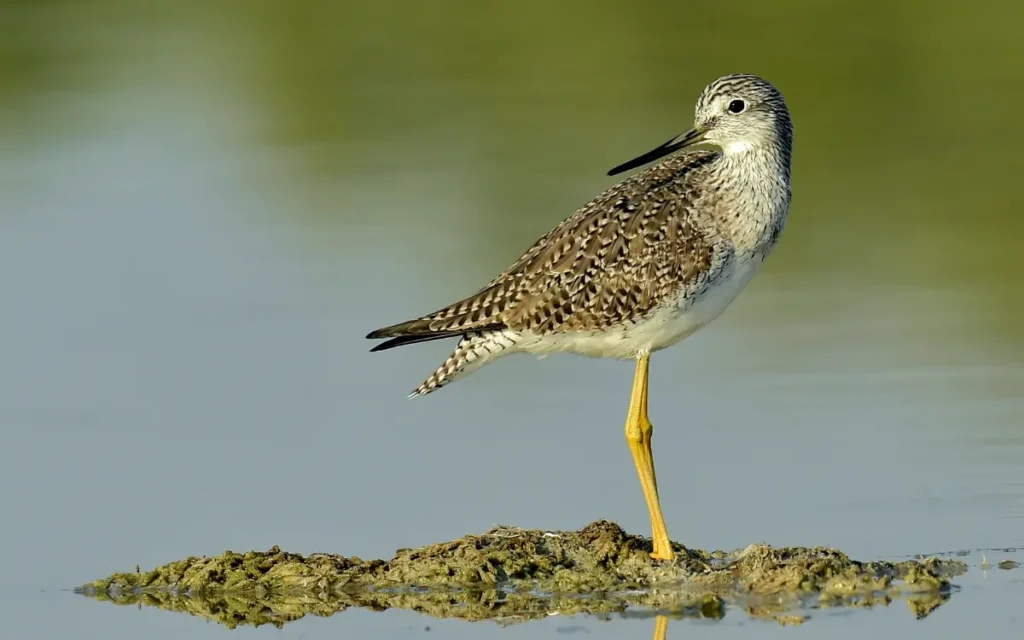
Tall and slender with bright yellow legs, the Greater Yellowlegs has a long, slightly upturned bill. Its loud “tew-tew-tew” call is often heard before the bird is seen. These shorebirds are common migrants in Connecticut marshes.
9.Lesser Yellowlegs
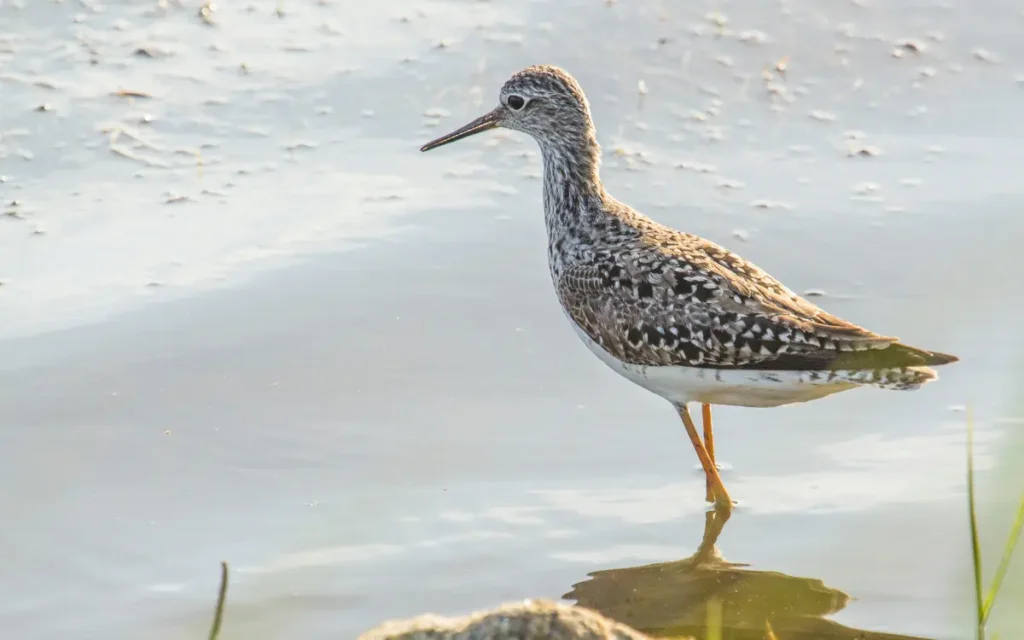
Smaller than the Greater, the Lesser Yellowlegs has a straighter, shorter bill. Telling the two apart can be tricky, but size and bill shape are good clues. They are often found in the same wetland habitats during migration.
10.Willet

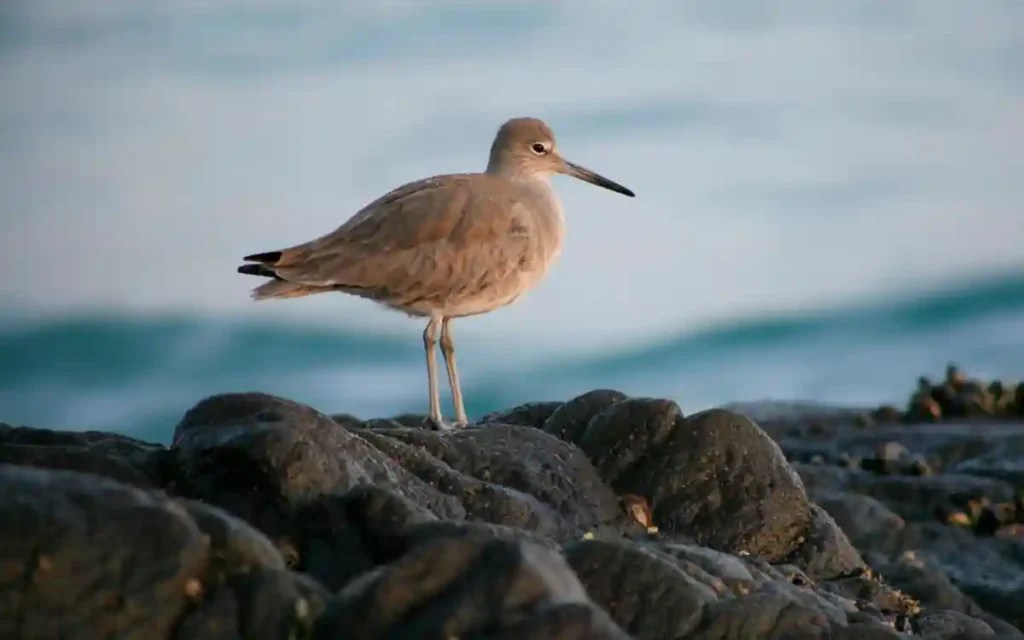
Willets are medium-sized shorebirds with a plain gray appearance when standing. But in flight, their bold black-and-white wing pattern makes them easy to identify. They breed in coastal marshes and are regularly seen along Connecticut’s shoreline in summer.
11.American Oystercatcher

One of the most striking shorebirds in Connecticut, the American Oystercatcher has a black-and-white body and a huge bright orange bill. It uses that bill to pry open shellfish along beaches and rocky shorelines. Their loud, piping calls often draw attention even before the bird is spotted.
12.Ruddy Turnstone

Ruddy Turnstones are stocky shorebirds with bold patterns of black, white, and rusty orange in breeding season. They get their name from their habit of flipping over stones, shells, and seaweed to find food. These migrants are most often seen along rocky coastlines.
13.Sanderling

If you’ve walked along a Connecticut beach in fall, you’ve probably seen Sanderlings. Small and pale, they run back and forth with the waves, chasing retreating water to snatch food. Their energetic behavior makes them one of the most entertaining shorebirds to watch.
14.Black-bellied Plover

This large plover is easy to recognize in summer, with its bold black belly and white back. In winter, it molts into a plainer gray plumage but remains larger than other plovers. Black-bellied Plovers are common on beaches and mudflats during migration.
15.Dunlin

Medium-sized with a long, slightly curved bill, Dunlins are common migrants in Connecticut. In breeding plumage, they show a black belly patch that contrasts with rusty upperparts. In winter, they turn gray and often feed in mixed flocks with other sandpipers.
Comparison Table of Shorebirds in Connecticut
| Bird | Size | Distinctive Feature | Best Season |
| Least Sandpiper | 6 in | Yellow legs, smallest sandpiper | Spring–Fall |
| Piping Plover | 7 in | Pale, sandy, endangered species | Summer |
| Willet | 15 in | Bold black-and-white wings in flight | Spring–Fall |
| Sanderling | 8 in | Runs with waves on beaches | Fall |
| American Oystercatcher | 18 in | Bright orange bill, loud call | Spring–Summer |
Where to See Shorebirds in Connecticut
Connecticut’s coastline offers many excellent spots for shorebird watching. Milford Point and Sandy Point are well-known for nesting Piping Plovers and migrant sandpipers.
Hammonasset Beach State Park in Madison is one of the best all-around birding destinations, especially during migration. Other hotspots include Stratford Point, Long Beach in Stratford, and the Connecticut Audubon preserves along Long Island Sound.
FAQs
What is the most common shorebird in Connecticut?
Sanderlings and Semipalmated Sandpipers are among the most common during migration, while Killdeer are widespread even away from beaches.
When is the best time to see shorebirds in Connecticut?
Late summer and early fall (July–October) bring the greatest diversity and numbers of shorebirds.
Are Piping Plovers still endangered in Connecticut?
Yes. Conservation programs protect nesting beaches, but their populations remain fragile.
What’s the difference between Greater and Lesser Yellowlegs?
Greater Yellowlegs are larger with longer, slightly upturned bills. Lesser Yellowlegs are smaller with straighter bills.
Do shorebirds stay in Connecticut year-round?
Most species are migratory. A few, like Killdeer and Willets, may be found in summer, but most are seasonal visitors.
Final Thoughts
Shorebirds may be tricky to identify, but they are some of the most rewarding birds to watch along Connecticut’s coastline. Their migrations bring new species to the state every season, making every visit to a beach or marsh a chance for discovery. Whether it’s the endangered Piping Plover nesting on sandy beaches or the lively Sanderlings chasing waves, these birds showcase the beauty of Connecticut’s shoreline habitats.