Connecticut may be a small state, but it’s big on bird diversity. From tiny hummingbirds that hover like insects to lively chickadees that stay active in the coldest winters, small birds play a huge part in the state’s birdwatching experience.
Many of these birds are familiar feeder visitors, while others prefer the woods, wetlands, or open fields. Some are here year-round, while others only stop through during migration. Whether you’re a backyard birder or someone who enjoys a walk in the park, knowing the small birds of Connecticut will make your time outdoors more rewarding.
Common Small Birds at Feeders
1.Black-capped Chickadee
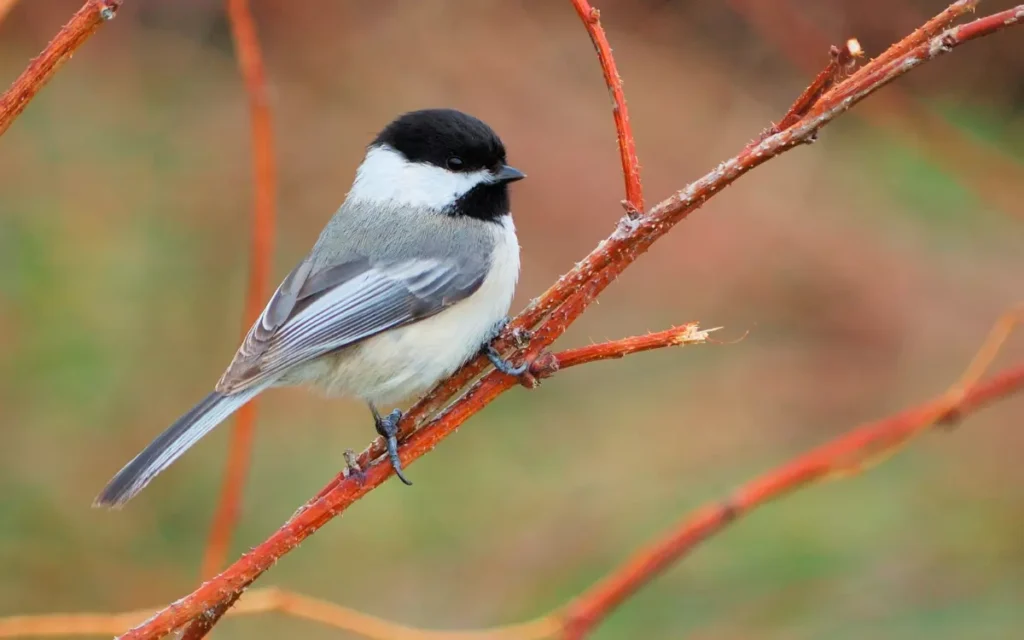
The Black-capped Chickadee is one of the most charming birds in Connecticut. With its black cap and bib, white cheeks, and quick, curious behavior, it’s easy to spot. These tiny birds measure only about five inches long, but their energy is endless. Chickadees are year-round residents, often visiting sunflower seed and suet feeders. Their friendly nature and distinctive “chick-a-dee-dee” call make them a favorite among birdwatchers.
2.Tufted Titmouse
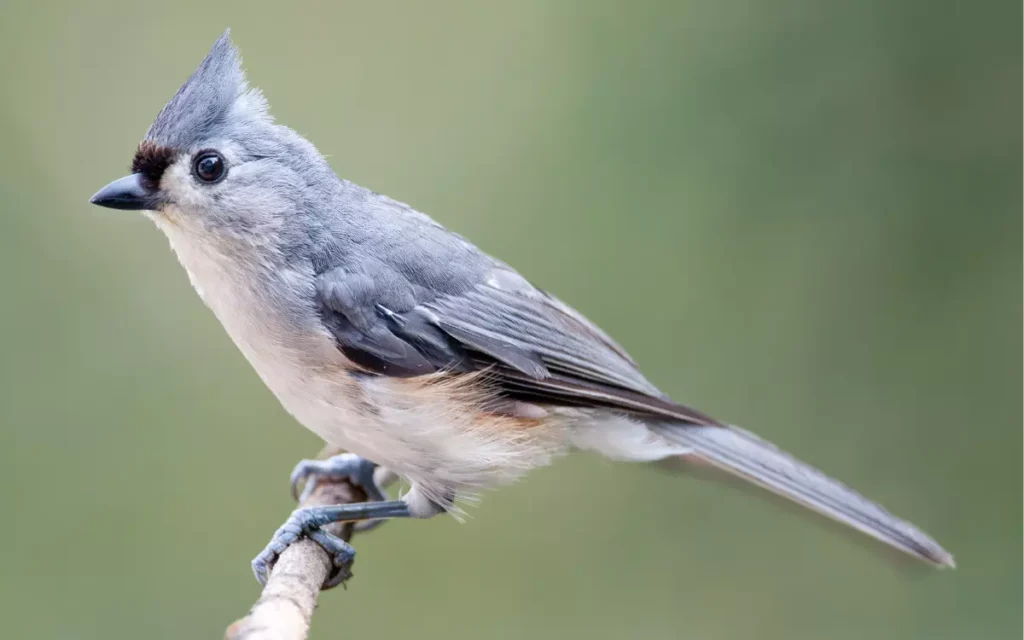
Slightly larger than the chickadee but often seen alongside them, the Tufted Titmouse is a small gray bird with a pointed crest. Its large, dark eyes give it an expressive look. Like chickadees, titmice are active year-round and will happily visit feeders for sunflower seeds, peanuts, and suet. Their whistled “peter-peter-peter” song is easy to recognize once you’ve heard it a few times.
3.American Goldfinch
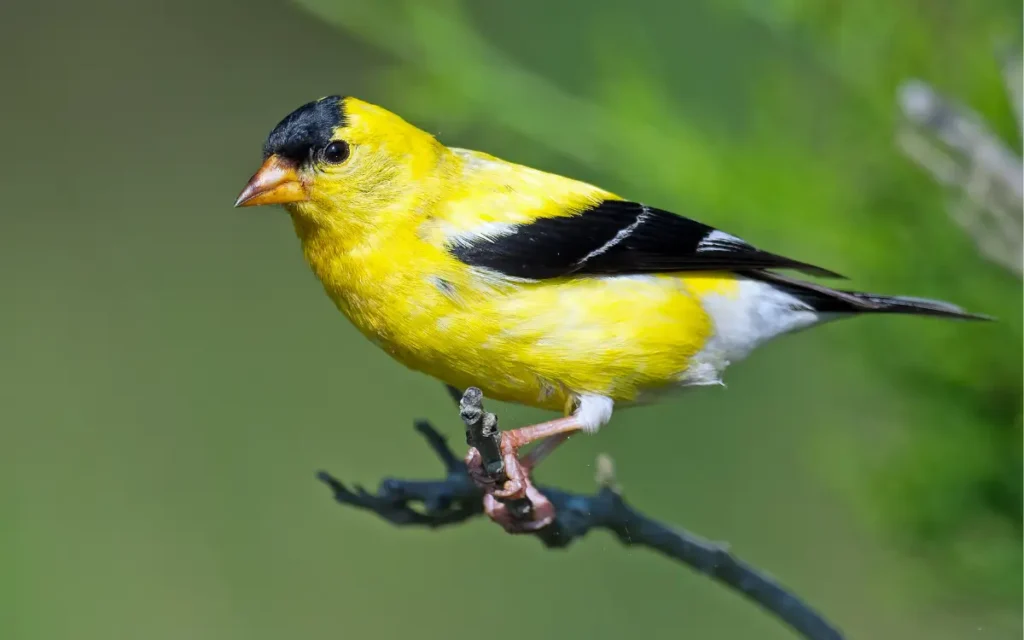
The American Goldfinch is a tiny bird with a big splash of color. Males are brilliant yellow during summer, while females are softer in tone. In winter, both sexes turn a duller olive, but they remain in Connecticut year-round. Goldfinches are particularly fond of nyjer seed, and flocks can often be seen balancing delicately on thistle plants or feeders.
Read also: 14 Yellow Birds in Connecticut: Identification
4.House Finch
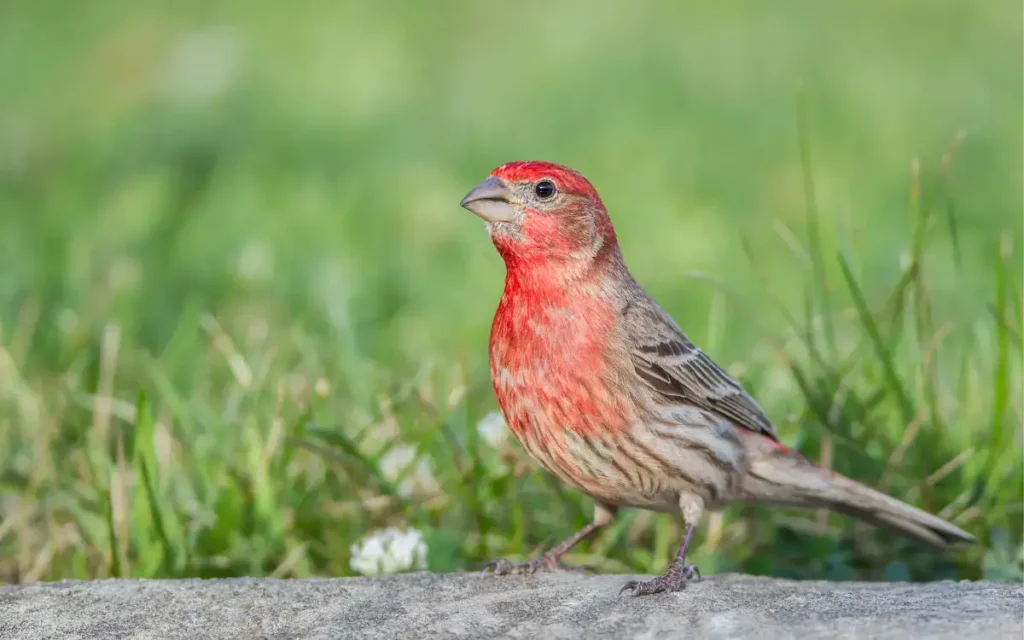
House Finches are small, brown-streaked birds that thrive in suburban areas. Males often show bright red coloring on their head and chest, which stands out against their otherwise plain plumage. Their cheerful, rolling songs are common in neighborhoods, and they are regular feeder visitors. Originally native to the western U.S., House Finches have expanded eastward and are now a familiar sight across Connecticut.
Small Woodland Birds
5.White-breasted Nuthatch
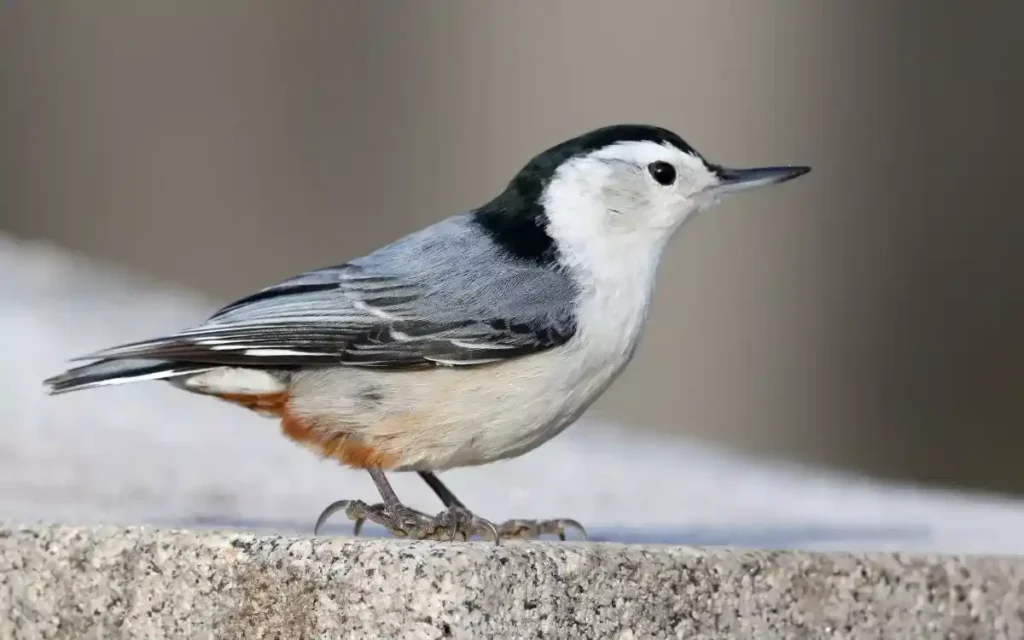
The White-breasted Nuthatch is a small bird that behaves in a very distinctive way—it creeps headfirst down tree trunks in search of insects. With its black cap, white face, and gray back, it’s easy to identify once you notice its unusual movement. Nuthatches stay in Connecticut all year and also enjoy suet and sunflower seeds.
6.Carolina Wren
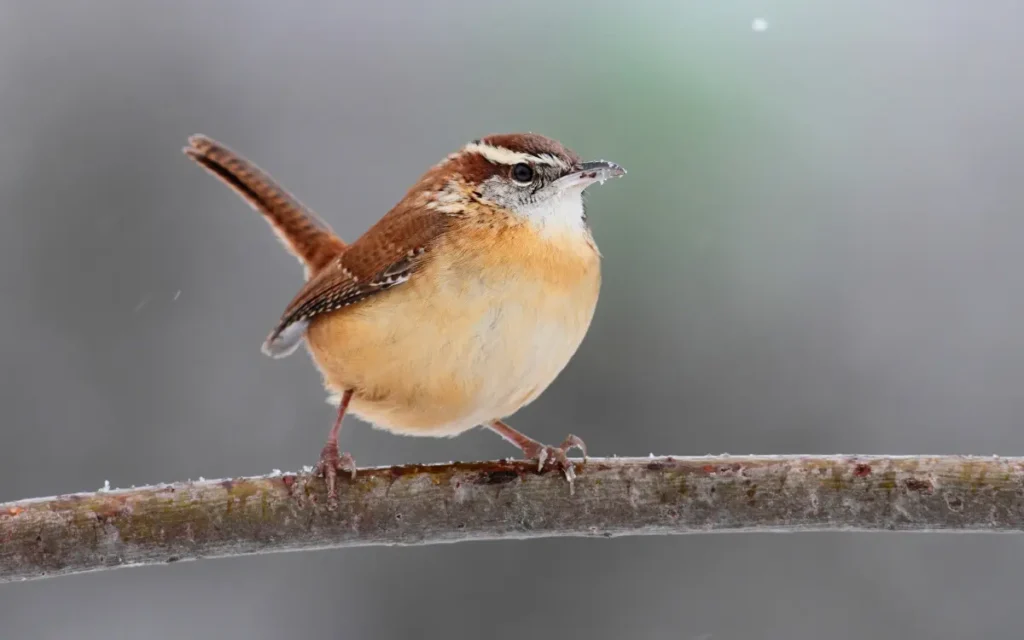
The Carolina Wren is small in size but large in voice. Despite its compact frame, this bird produces a ringing, echoing song that carries across neighborhoods and woodlands. Brown with a white eyebrow stripe, Carolina Wrens are hardy little birds that remain active through the winter. They often nest close to homes, sometimes even in sheds or hanging flowerpots.
7.Eastern Bluebird
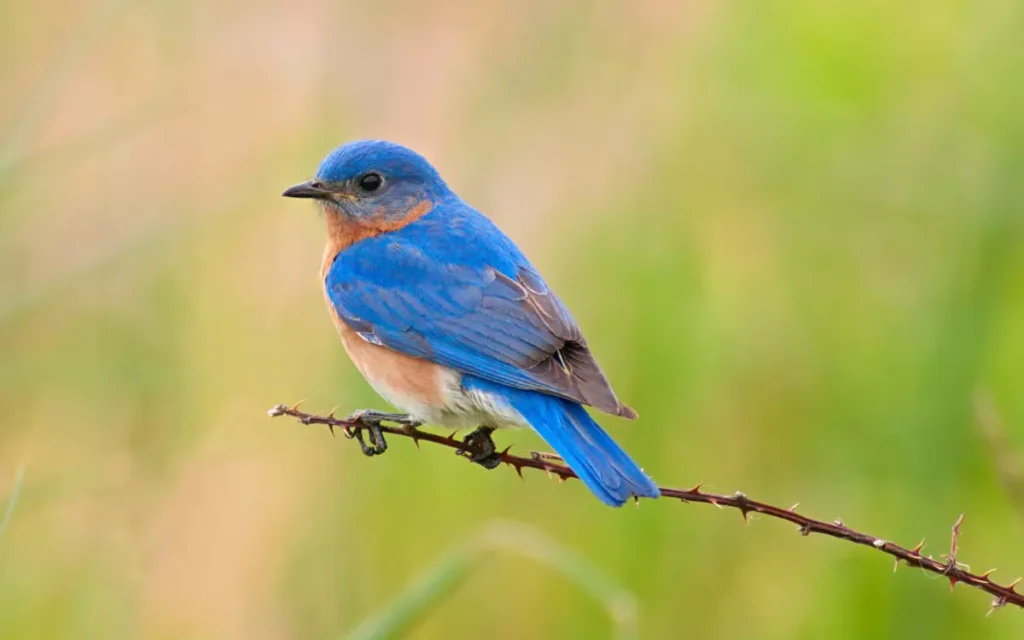
Eastern Bluebirds are a joy to see. Small, with bright blue backs and warm orange chests, they stand out in open fields and meadows. They often nest in birdhouses, making them a favorite among bird lovers who set up bluebird boxes. Once in decline due to habitat loss, bluebirds have made a comeback in Connecticut thanks to conservation efforts and backyard support.
Small Migratory Visitors
8.Ruby-throated Hummingbird
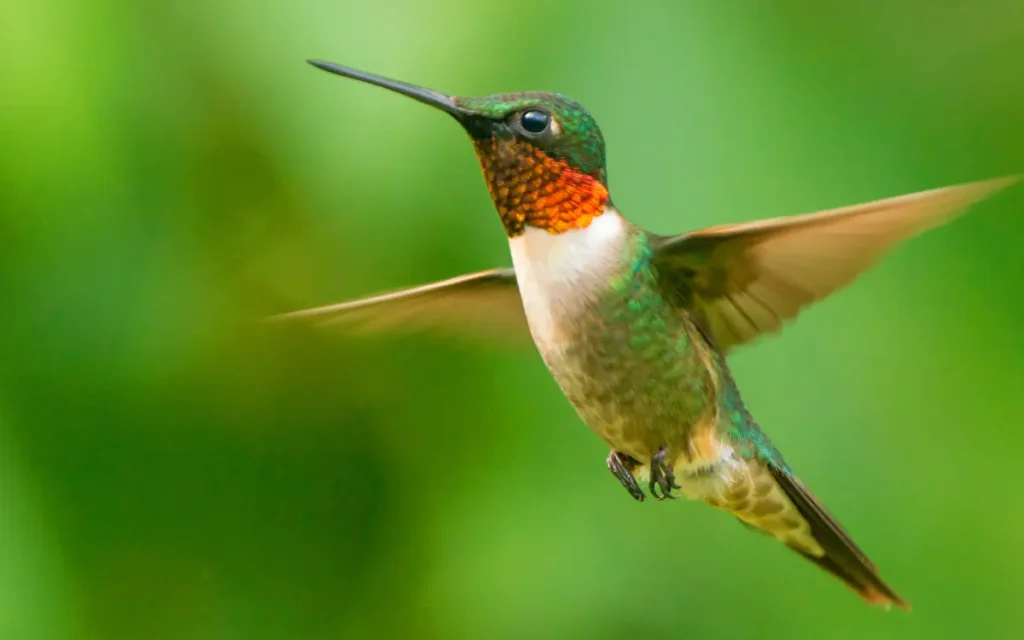
The Ruby-throated Hummingbird is the smallest bird in Connecticut and one of the most dazzling. Males have a glowing ruby-red throat, while females are more subdued with green backs and white underparts. These tiny birds arrive in late spring and leave by early fall. They feed on nectar from flowers and hummingbird feeders, moving with incredible speed and agility.
9.Yellow Warbler
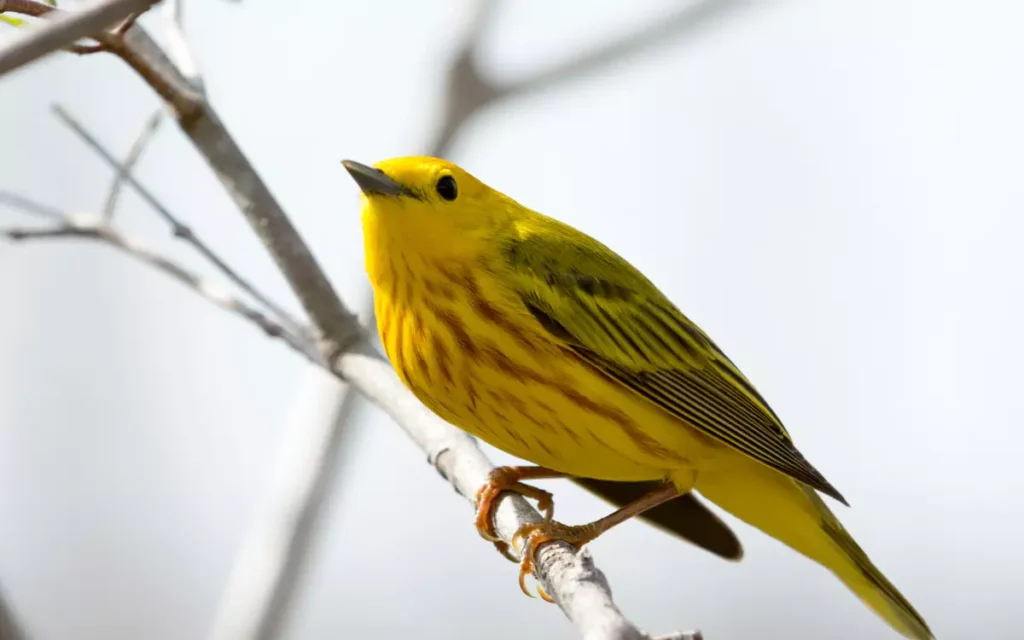
One of the brightest summer visitors, the Yellow Warbler lives up to its name. This small bird is completely golden-yellow, with males showing faint reddish streaks on the chest. They breed in wetlands and shrubby habitats and are common in Connecticut during the warmer months. Their sweet, musical song is another helpful way to identify them.
Read also: 10 Black Birds in Connecticut: Identification
10.Black-and-White Warbler
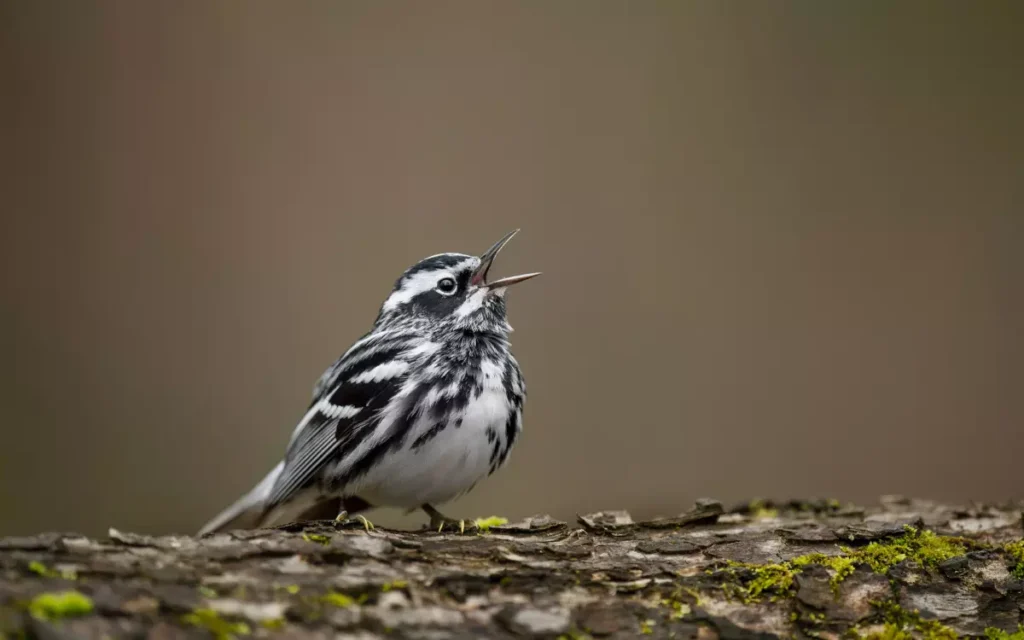
The Black-and-White Warbler is a small, striped bird with a unique foraging style. Instead of flitting through leaves, it creeps along tree bark like a miniature woodpecker. These warblers migrate through Connecticut in spring and fall, and their high-pitched, squeaky song is often the best clue to their presence.
Seasons of Small Birds in Connecticut
Each season brings a new mix of small birds. Spring is full of activity, with warblers and hummingbirds arriving from the south. In summer, chickadees, titmice, and wrens raise their young, while goldfinches and bluebirds add bright flashes of color. Fall migration brings another wave of warblers and larger finch flocks. Winter belongs to hardy residents like chickadees, nuthatches, and wrens, which continue to brighten backyards even in the snow.
Where to See Small Birds in Connecticut
The good news is you don’t have to go far to enjoy small birds in Connecticut. Backyards with feeders, native plants, and birdhouses attract chickadees, titmice, goldfinches, and bluebirds. Woodlands are perfect for wrens and nuthatches, while open fields and meadows often hold bluebirds and warblers. Wetlands and rivers are ideal places to spot Yellow Warblers in summer and migrating Black-and-White Warblers in spring and fall. With a pair of binoculars and some patience, small birds can be found in nearly every corner of the state.
Small Bird Comparison Guide
| Bird | Size | Distinctive Feature | Best Season |
| Black-capped Chickadee | 5 in | Black cap, “chick-a-dee” call | Year-round |
| Tufted Titmouse | 6 in | Gray bird with pointed crest | Year-round |
| American Goldfinch | 5 in | Bright yellow male in summer | Year-round |
| Ruby-throated Hummingbird | 3.5 in | Tiny, ruby-red throat on males | Spring–Summer |
| Yellow Warbler | 5 in | Golden yellow body | Spring–Summer |
FAQs
What is the smallest bird in Connecticut?
The Ruby-throated Hummingbird is the smallest, measuring only 3 to 4 inches long.
Which small birds stay in Connecticut all year?
Chickadees, titmice, wrens, and nuthatches are year-round residents that often visit feeders.
How can I attract small birds to my backyard?
Offer sunflower seeds, nyjer seed, suet, and peanuts. Providing birdhouses and native shrubs also helps.
Do warblers live in Connecticut year-round?
Most warblers migrate. Yellow Warblers and a few others breed in Connecticut during summer, but they leave in fall.
Which small bird sings the loudest?
The Carolina Wren has a surprisingly powerful song for its size, often heard even in the depths of winter.
Final Thoughts
Small birds bring life, color, and music to Connecticut throughout the year. From the cheerful chickadee in winter to the tiny hummingbird buzzing around summer flowers, these little birds add endless variety to the landscape. By learning their habits and creating bird-friendly spaces at home, you can enjoy their presence up close and make your backyard a welcoming place for them all year long.