Geese are among the most visible large birds in Connecticut, especially during migration and winter. Their loud calls, strong flight, and tendency to gather in open areas make them easy to notice even for casual birdwatchers. While many people assume only one or two goose species live in the state, Connecticut actually hosts five different types of geese, ranging from common year-round residents to uncommon coastal and migratory visitors.
Most geese seen in Connecticut appear between late fall and early spring, when northern populations move south in search of open water and food. Wetlands, rivers, agricultural fields, reservoirs, and coastal waters all provide important habitat. Knowing which geese occur in the state helps birders identify mixed flocks and recognize rare sightings.
How Many Types of Geese Are Found in Connecticut?
Connecticut has five recorded species of geese that are seen regularly or semi-regularly:
- One very common resident and migrant
- Two common seasonal migrants
- Two uncommon or rare visitors
Some geese remain in Connecticut all year, while others appear only briefly during migration or winter.
1. Canada Goose
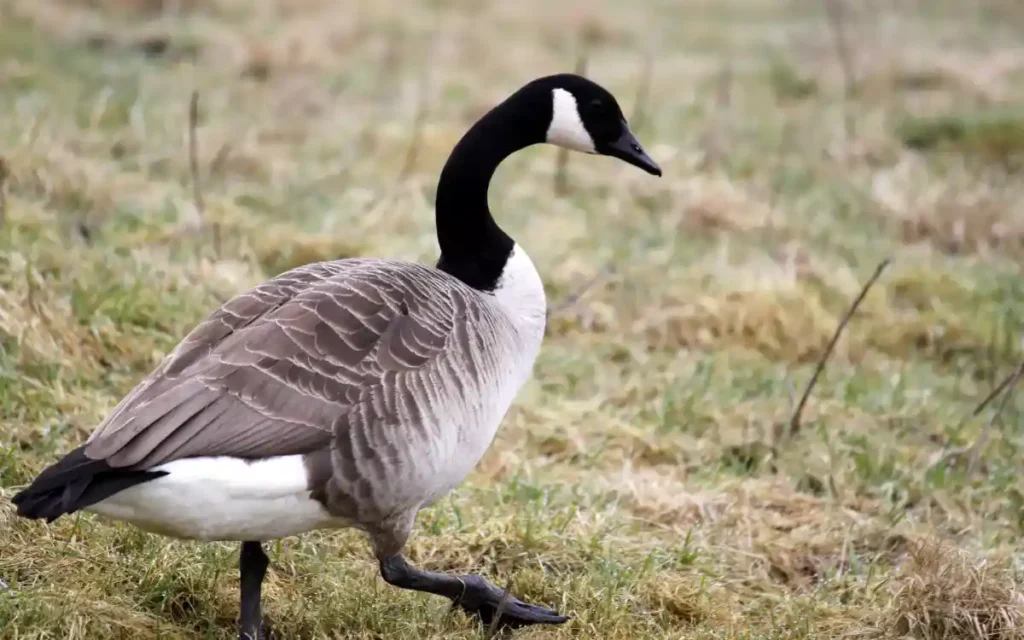
The Canada Goose is by far the most common and familiar goose in Connecticut. Large numbers live in the state year-round, while additional birds migrate through during fall and spring. These geese thrive in both natural and human-altered landscapes.
They are frequently seen grazing on lawns, resting on frozen ponds, and flying in loud V-shaped flocks overhead.
Identification tips
- Large brown body
- Black neck and head
- White chin strap
Status in Connecticut
- Very common
- Year-round resident and migrant
Where to see them
- Parks and golf courses
- Lakes, rivers, and reservoirs
- Open fields and farmland
Related article: 9 Herons in Connecticut
2. Snow Goose
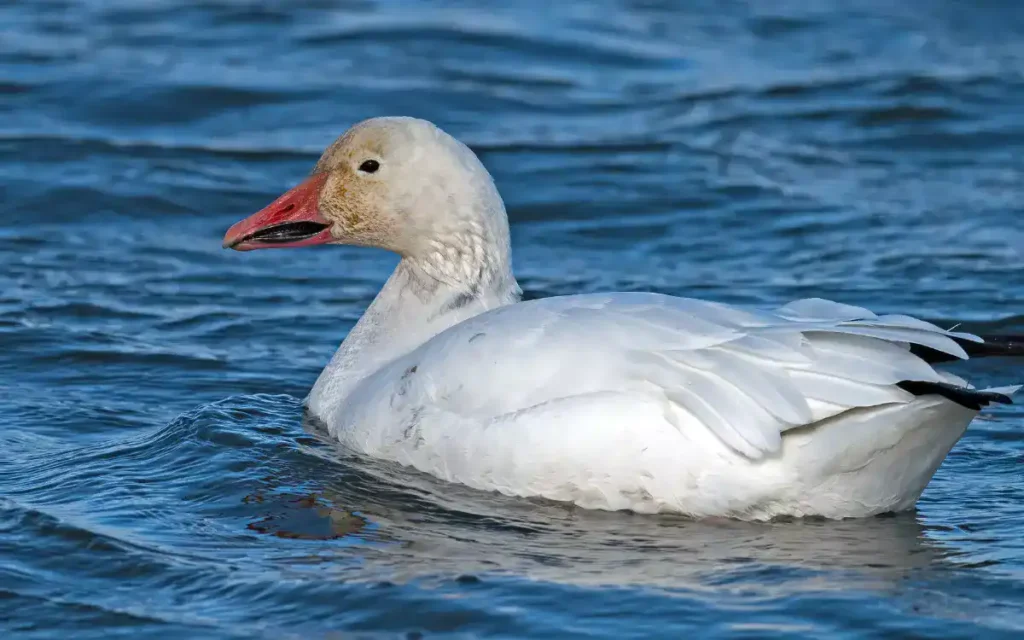
Snow Geese are seasonal migrants in Connecticut and are most often seen during fall and spring migration. In some years, small numbers also remain through winter, especially in mild conditions.
They often appear in large flocks, sometimes mixed with Canada Geese, and are more likely to be seen in agricultural areas than urban settings.
Identification tips
- Mostly white body
- Black wing tips visible in flight
- Pink bill and legs
Status in Connecticut
- Common migrant
- Occasional winter visitor
Where to see them
- Open farmland
- Marshes and wetlands
- Large river valleys
3. Brant
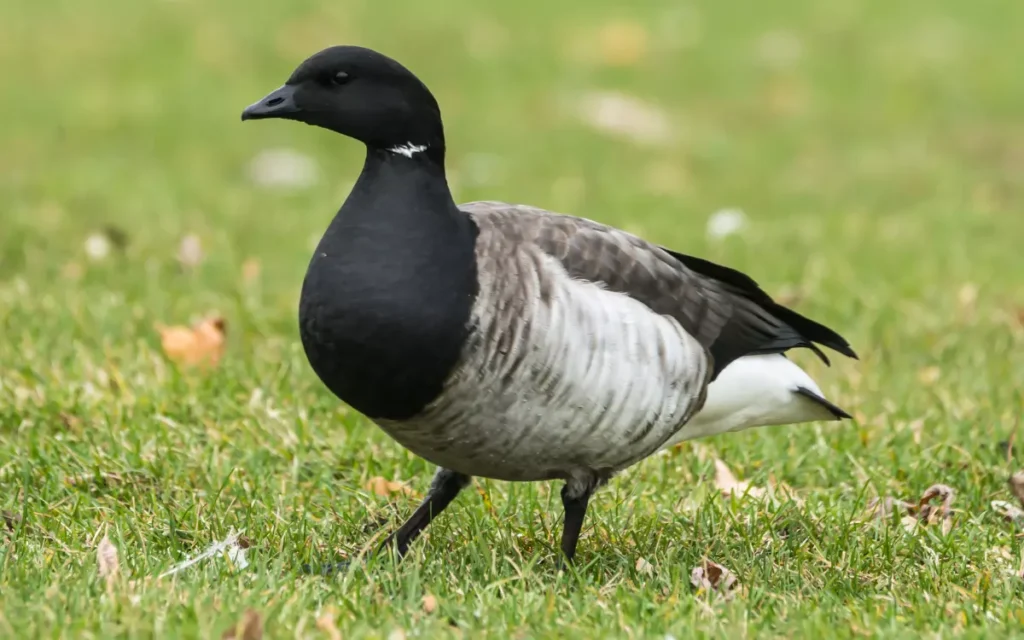
The Brant is a smaller, darker goose that is strongly tied to coastal habitats. In Connecticut, it is mainly found along Long Island Sound, where it feeds on marine vegetation during migration and winter.
Because Brant rarely venture inland, coastal areas provide the best chance for sightings.
Identification tips
- Dark gray-brown body
- Short neck
- Small white patch on the neck
Status in Connecticut
- Coastal migrant
- Regular winter visitor along the shore
Where to see them
- Coastal bays
- Salt marshes
- Open waters of Long Island Sound
Related article: 10 Largest Birds in Connecticut
4. Greater White-fronted Goose
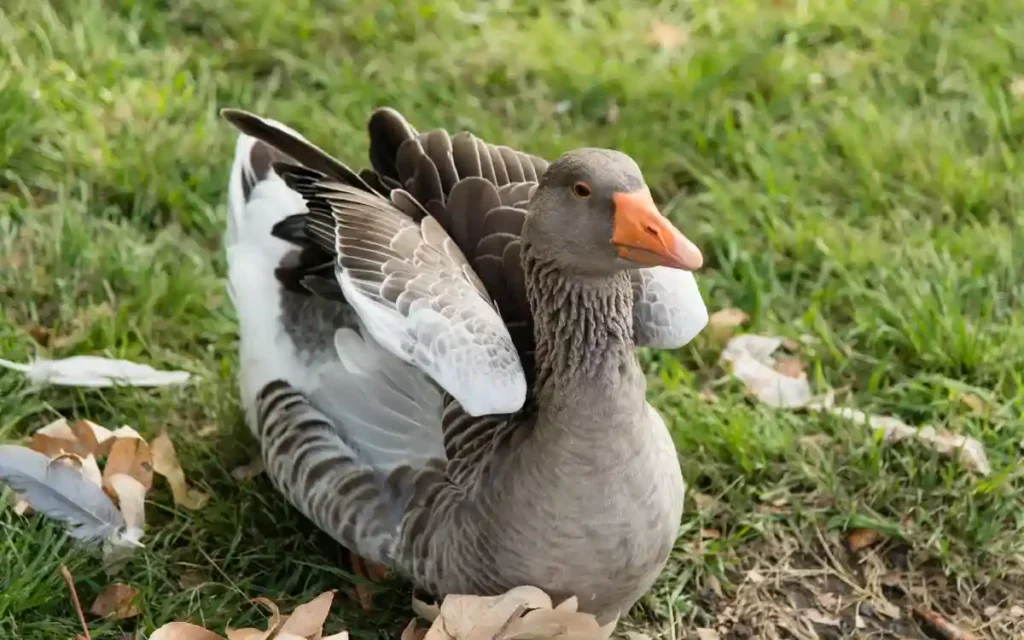
The Greater White-fronted Goose is an uncommon but regular visitor to Connecticut, usually appearing during migration or winter. Most sightings involve single birds or small groups mixed in with Canada Goose flocks.
This species is often overlooked due to its similarity in size to Canada Geese.
Identification tips
- Brownish-gray body
- White patch at the base of the bill
- Orange legs
Status in Connecticut
- Uncommon migrant and winter visitor
Where to see them
- Agricultural fields
- Wetlands
- Mixed goose flocks
5. Cackling Goose
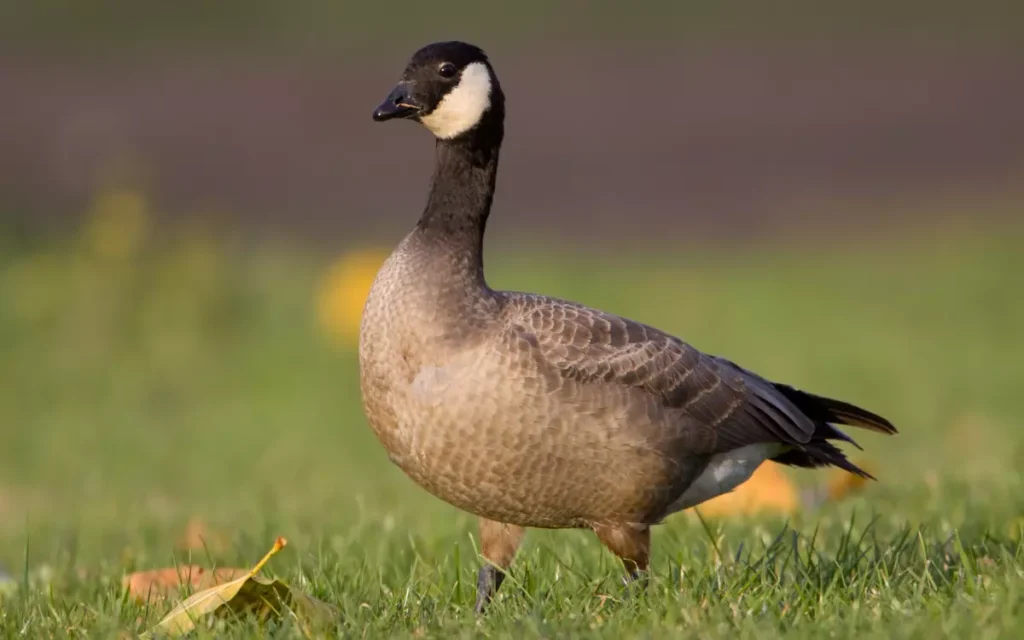
Cackling Geese are rare but increasingly reported in Connecticut. They closely resemble small Canada Geese and are often missed unless carefully observed.
Most sightings involve a single bird traveling with Canada Geese.
Identification tips
- Smaller size than Canada Goose
- Shorter neck and bill
- More compact body
Status in Connecticut
- Rare visitor
- Seen during migration or winter
Where to see them
- Open fields
- Reservoirs
- Canada Goose flocks
Quick Comparison of Geese in Connecticut
Goose SpeciesStatusBest SeasonCanada GooseVery commonYear-roundSnow GooseCommon migrantFall & springBrantCoastal migrantWinterGreater White-fronted GooseUncommonMigration & winterCackling GooseRareMigration & winter
When Is the Best Time to See Geese in Connecticut?
- Fall (October–November): Peak migration activity
- Winter (December–February): Best time for coastal and northern species
- Spring (March–April): Return migration north
Cold weather often concentrates geese near open water, making winter an excellent season for observation.
Where to Look for Geese in Connecticut
Geese favor wide, open spaces where they can feed and detect predators easily. Productive locations include:
- Wetlands and marshes
- Large rivers and reservoirs
- Agricultural fields
- Coastal waters and bays
FAQs
How many types of geese live in Connecticut?
Connecticut has five types of geese, including common residents, migrants, and rare visitors.
What is the most common goose in Connecticut?
The Canada Goose is the most common and can be seen throughout the year.
Are geese in Connecticut migratory?
Some species are migratory, such as Snow Geese and Brant, while others like Canada Geese may remain year-round.
Where are geese most often seen?
Open fields, wetlands, rivers, and coastal areas are the best places to find geese.