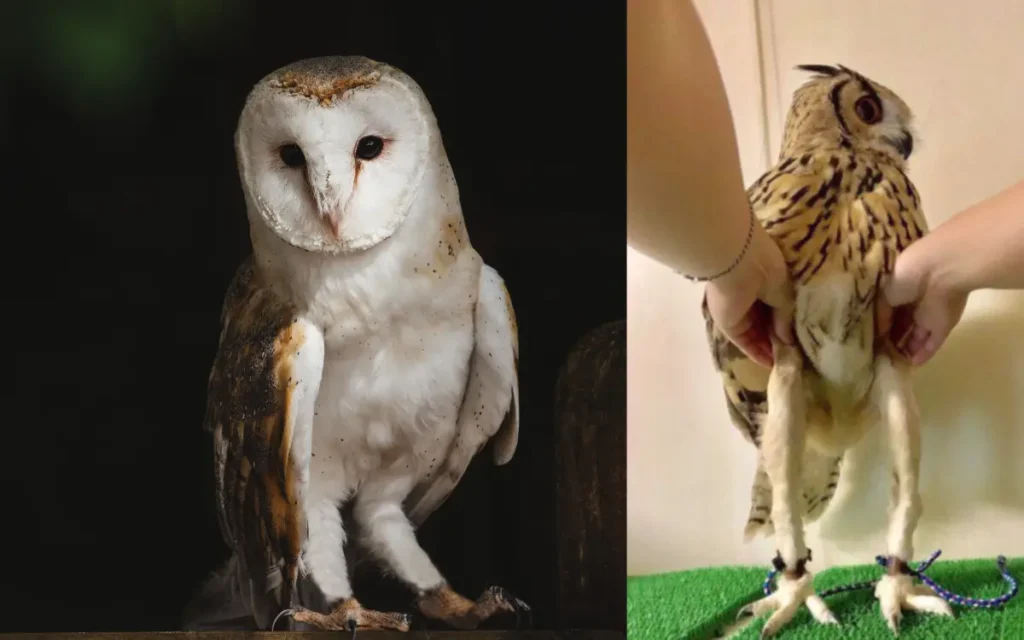
Birds that start with the letter “E” include well-known species like the Eastern Bluebird, Emu, European Robin, and Eurasian Eagle-Owl. These birds vary widely in size, habitat, and behavior from small backyard songbirds to large flightless birds found in open landscapes.
If you’re looking for a complete list of birds that begin with “E,” this guide covers 20 unique species along with key details to help you recognize them. Whether you’re a birdwatcher, student, or just curious, you’ll find quick facts, identification tips, and interesting traits for each bird below.
Birds That Start With E (Quick List)
- Eastern Bluebird
- Emu
- European Robin
- Elegant Tern
- Egyptian Goose
- Eastern Meadowlark
- Eurasian Eagle-Owl
- Evening Grosbeak
- Eared Grebe
- Eastern Whip-poor-will
- Ecuadorian Hillstar
- Eastern Phoebe
- Eurasian Curlew
- Elegant Crescentchest
- Eastern Screech-Owl
- European Starling
- Eurasian Jay
- Egyptian Vulture
- Elliot’s Pheasant
- Eurasian Spoonbill
1.Eastern Bluebird
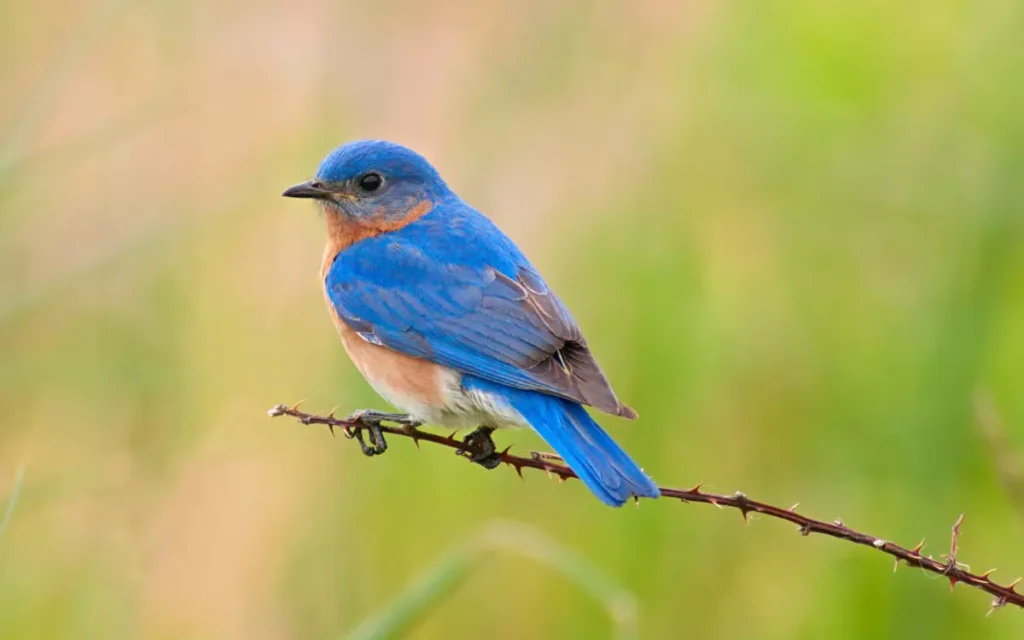
The Eastern Bluebird is one of the most recognizable birds in North America, thanks to its bright blue upperparts and warm orange chest. Males are more colorful, while females appear softer in tone.
You’ll usually find this bird in open fields, farmlands, and backyard nest boxes. It prefers areas with scattered trees where it can easily spot insects from a perch. Eastern Bluebirds mainly feed on insects during warmer months and switch to berries in winter.
One easy way to identify them is by their gentle, musical call and habit of sitting quietly on fences or wires before swooping down to catch food.
2.Emu
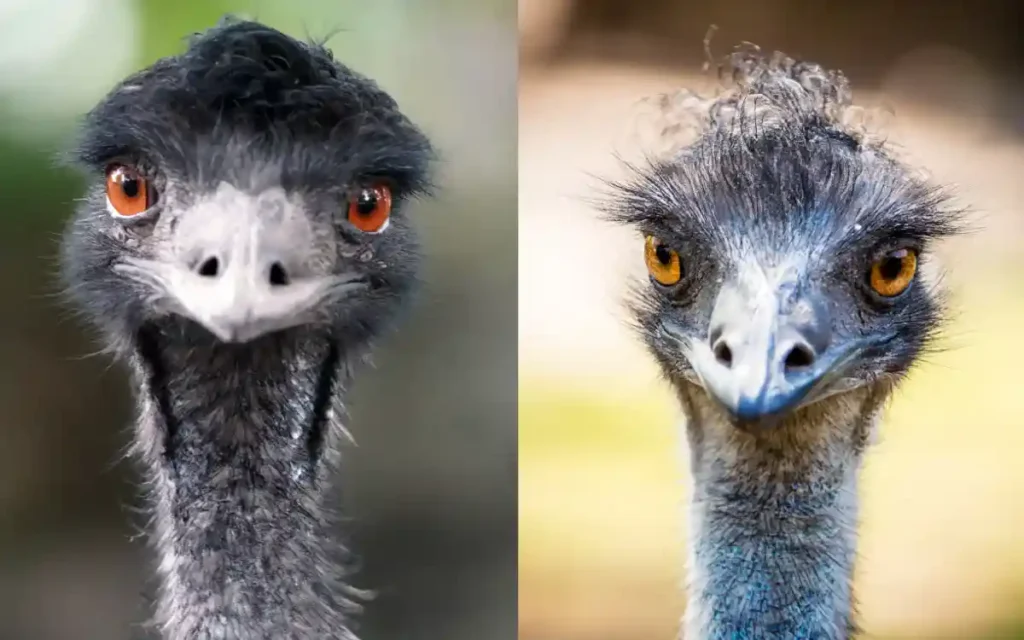
The Emu is a large, flightless bird native to Australia and the second-largest bird in the world after the ostrich. It has long, powerful legs, shaggy brown feathers, and a long neck adapted for open landscapes.
Emus are strong runners and can reach speeds of up to 30 mph, which helps them escape predators. Unlike most birds, males take care of the eggs and raise the chicks, making them unique in terms of parenting behavior.
They are commonly found in grasslands, savannas, and open forests, where they feed on plants, seeds, and small insects.
3.European Robin
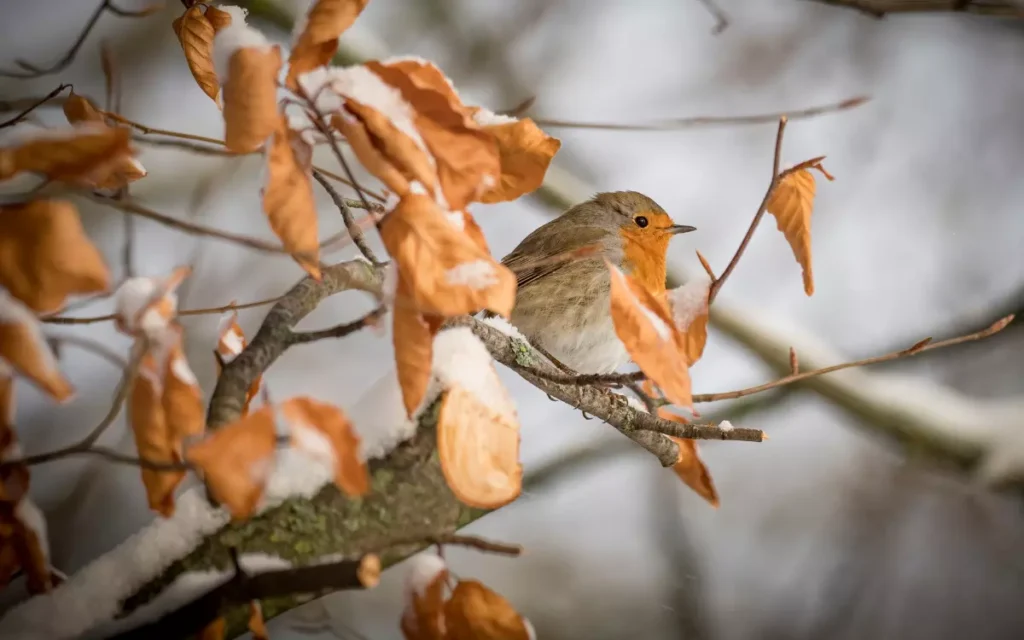
The European Robin is a small, round bird known for its bright orange-red chest and friendly behavior. It is commonly seen in gardens, parks, and woodlands across Europe.
Unlike many birds, robins are quite bold and will often approach humans, especially when soil is being turned for food. Their soft, sweet song is heard throughout the year, even in winter.
This bird is strongly associated with Christmas in the UK, often appearing on holiday cards and decorations, which makes it culturally significant as well.
4.Elegant Tern
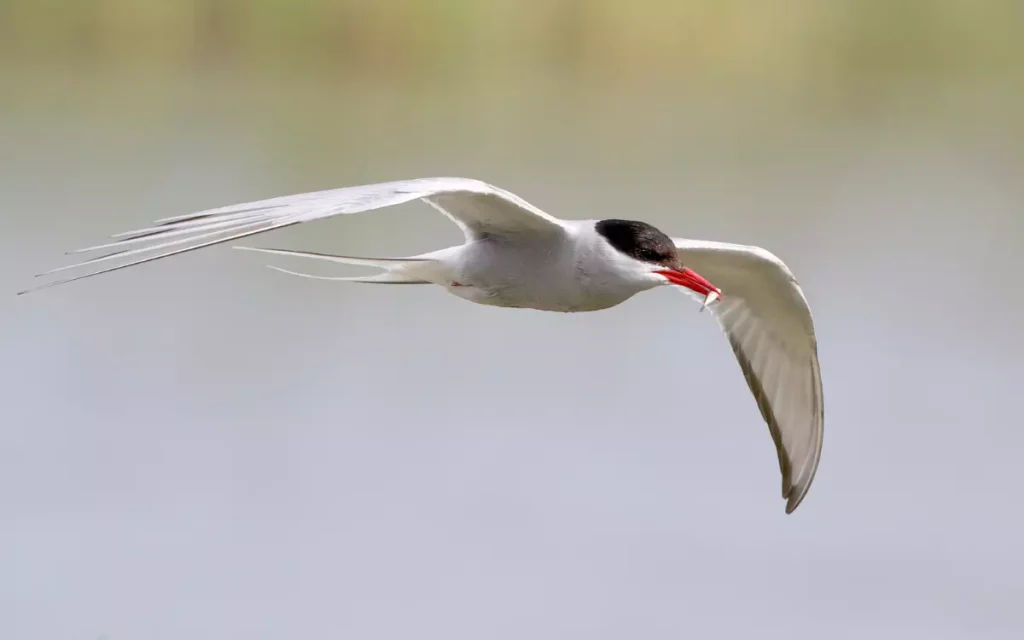
The Elegant Tern is a slender seabird easily recognized by its long orange bill and sleek, streamlined body. It is mostly found along the Pacific coasts of North and South America.
This bird is an expert diver, often seen hovering above the water before plunging down to catch fish. It usually nests in large colonies on sandy beaches and islands.
You can identify it by its sharp call, narrow wings, and slightly shaggy crest, especially during the breeding season.
5.Egyptian Goose
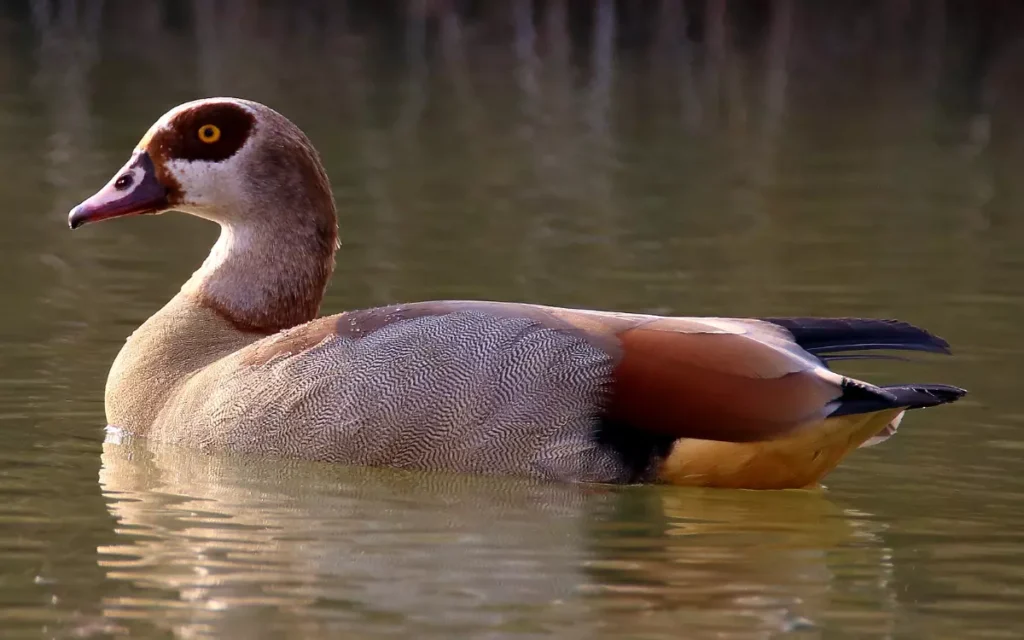
The Egyptian Goose is a striking waterbird with a pale brown body, dark eye patches, and pink legs. Despite its name, it is more closely related to ducks than true geese.
It is commonly found near rivers, lakes, and wetlands across Africa, but has also spread to parts of Europe. These birds are known for being territorial and can often be seen in pairs or small groups.
In ancient Egypt, this bird held cultural importance and was frequently depicted in artwork, which adds historical interest beyond its appearance.
6.Eastern Meadowlark
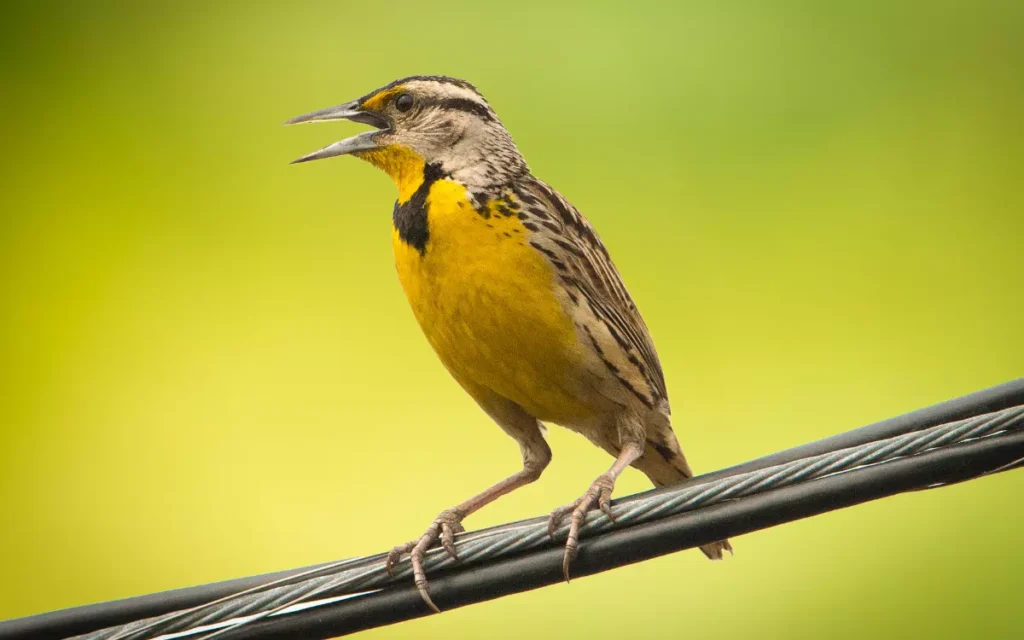
The Eastern Meadowlark is a medium-sized songbird known for its bright yellow belly marked with a bold black “V” shape. It’s commonly found in open grasslands, pastures, and fields across North and Central America.
This bird is easier to hear than to see. Its flute-like song carries across wide spaces, often giving away its location even when it’s hidden in tall grass. It spends most of its time on the ground searching for insects and seeds.
To identify it, look for its short tail, round body, and habit of flying low with slow wingbeats.
7.Eurasian Eagle-Owl
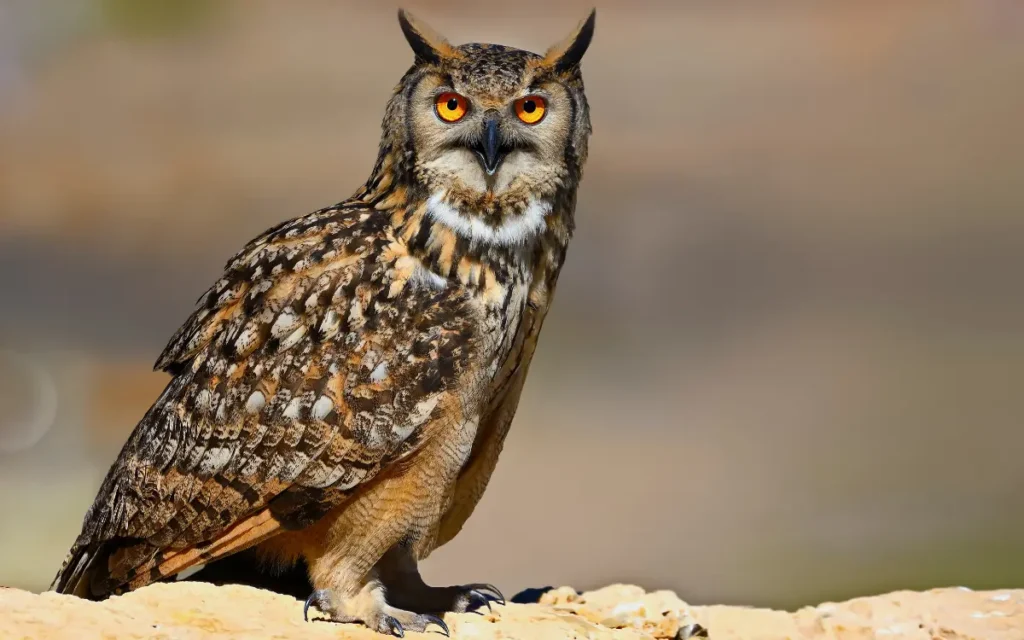
The Eurasian Eagle-Owl is one of the largest owl species in the world, with powerful talons and striking orange eyes. It has large ear tufts and a broad wingspan that can reach up to 6 feet.
This owl lives in a wide range of habitats, including forests, cliffs, and mountainous regions across Europe and Asia. It is a strong nighttime hunter, feeding on mammals, birds, and even other raptors.
You can recognize it by its deep hooting call and massive size, which makes it stand out from most other owls.
8.Evening Grosbeak
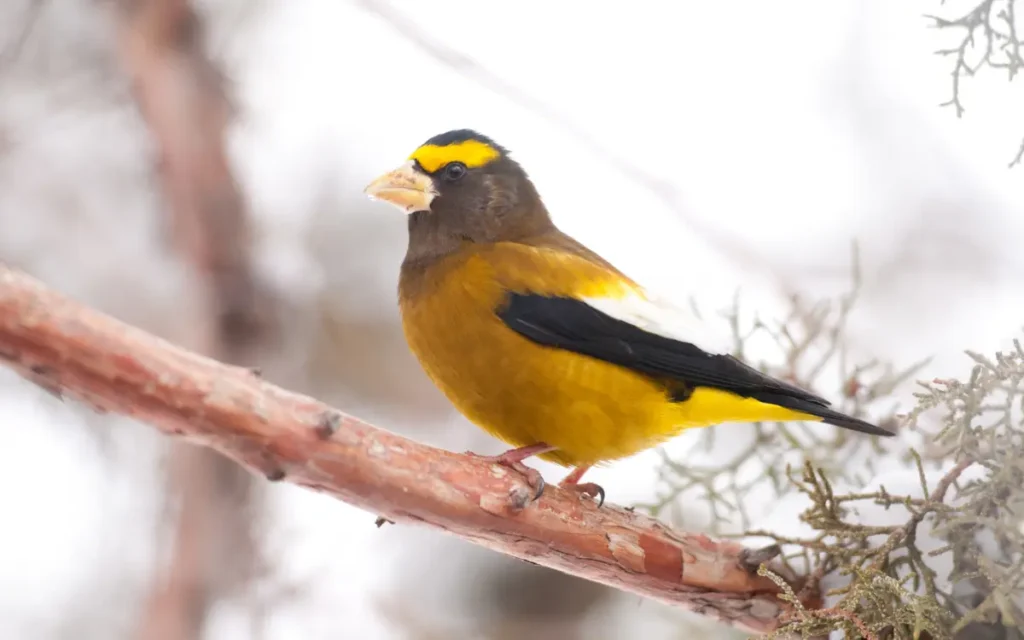
The Evening Grosbeak is a colorful, heavy-bodied songbird known for its thick, powerful bill designed for cracking seeds. Males have bright yellow and black plumage, while females are more muted in gray and olive tones.
It is commonly found in forests across North America, especially in colder regions. These birds often travel in flocks and visit feeders during winter.
Their strong bill is a key feature, allowing them to break open tough seeds that many other birds cannot handle.
9.Eared Grebe
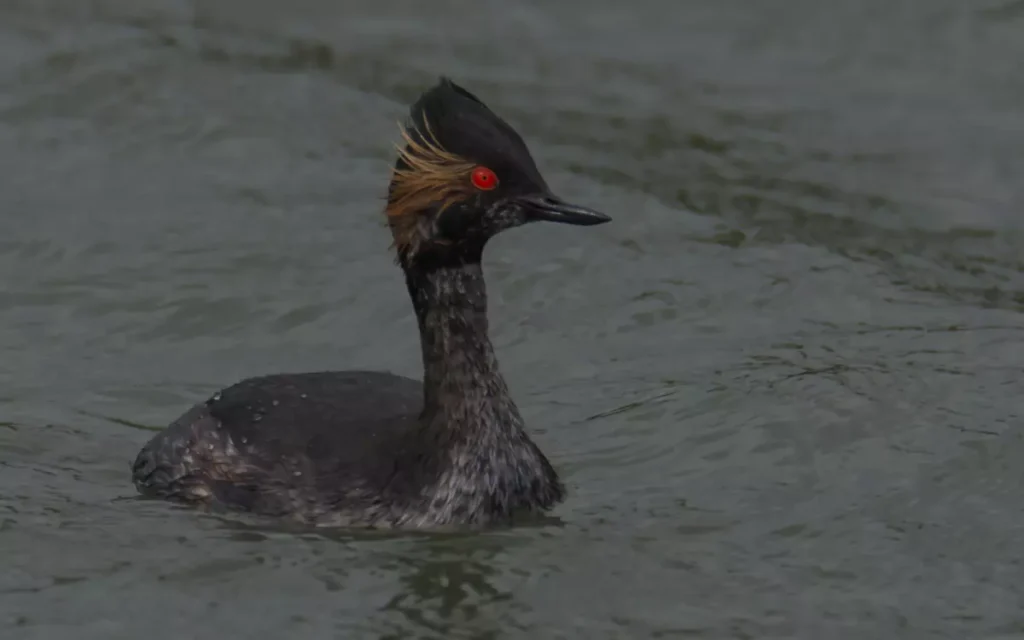
The Eared Grebe is a small waterbird with a sleek body, red eyes, and unique breeding plumage that includes golden feather tufts behind its eyes. It is found in lakes and wetlands across North and South America.
This bird is an excellent swimmer and diver, rarely seen walking on land. It feeds mainly on aquatic insects and small crustaceans.
During breeding season, Eared Grebes perform synchronized courtship displays on the water, which makes them fascinating to observe.
10.Eastern Whip-poor-will

The Eastern Whip-poor-will is a nocturnal bird best known for its repetitive call that sounds like its name. It is found in forests and wooded areas of eastern North America.
This bird has excellent camouflage, with brown and gray patterns that help it blend into the forest floor during the day. It becomes active at dusk, feeding on flying insects.
Because of its secretive nature, it is often heard more than seen, making its distinctive call the easiest way to identify it.
11.Ecuadorian Hillstar

The Ecuadorian Hillstar is a rare hummingbird adapted to high-altitude environments in the Andes Mountains. It lives in cold, harsh conditions where few other birds can survive.
Males have striking colors, while females are more subtle in appearance. Unlike most hummingbirds, this species often feeds while perched instead of hovering.
Its ability to survive in freezing temperatures and thin air makes it one of the most unique birds on this list.
12.Eastern Phoebe
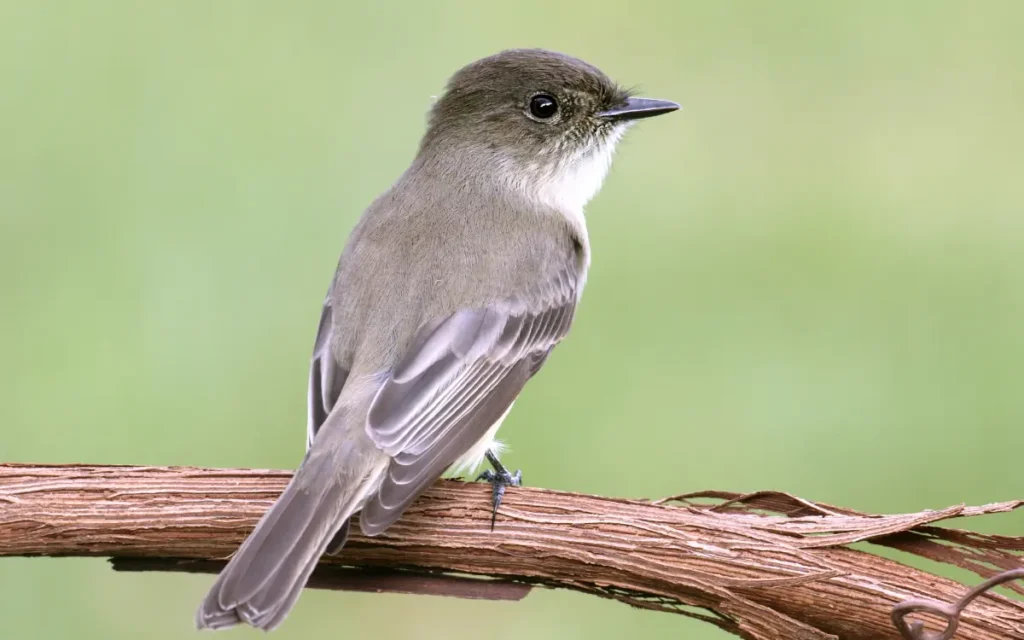
The Eastern Phoebe is a small flycatcher with plain brown and gray coloring, but it’s easy to recognize because of its constant tail-wagging behavior.
It is commonly found near water, bridges, and buildings across eastern North America. This bird often nests on man-made structures, which makes it familiar to many people.
Its simple “phoebe” call and habit of returning to the same nesting spots each year make it easy to identify.
13.Eurasian Curlew
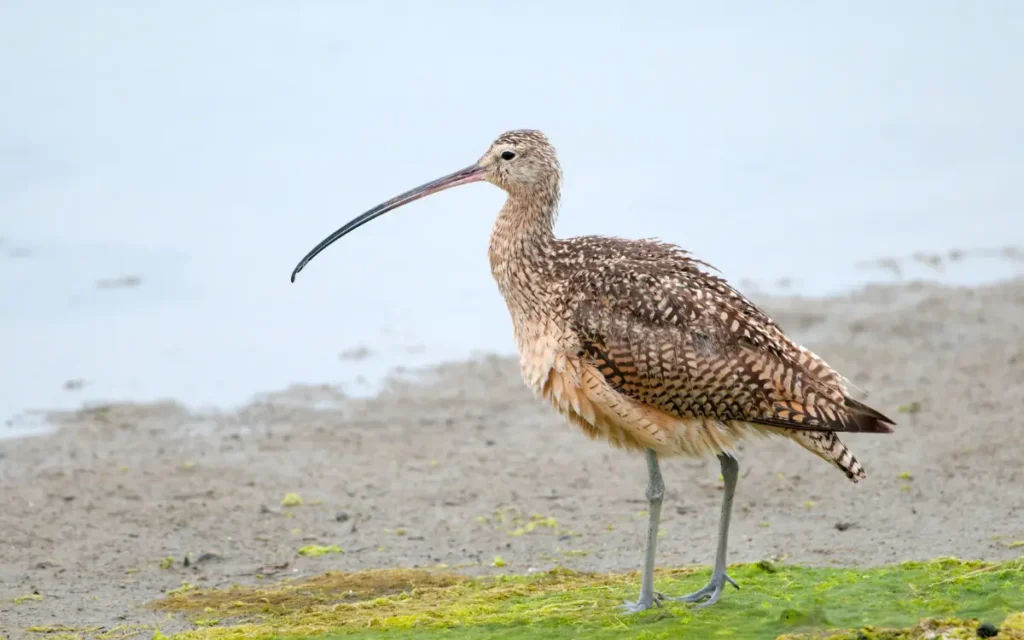
The Eurasian Curlew is a large shorebird known for its long, curved bill, which it uses to probe mud and sand for worms and small creatures.
It is found along coastlines, wetlands, and grasslands across Europe, Asia, and parts of Africa. Its haunting, bubbling call is a distinctive sound in coastal areas.
The long bill and graceful, slow flight make it one of the easiest shorebirds to recognize.
14.Elegant Crescentchest
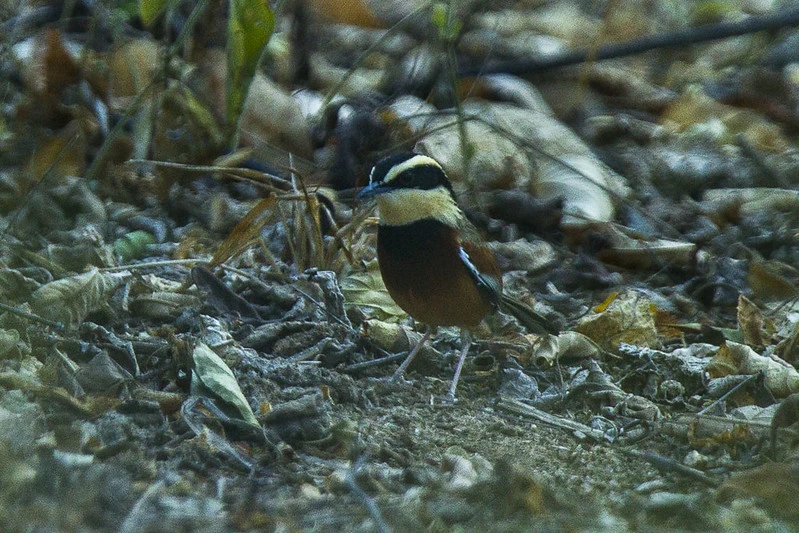
The Elegant Crescentchest is a small, ground-dwelling bird found in South America. It gets its name from the crescent-shaped marking across its chest.
This bird prefers dry scrublands and grasslands, where it moves quickly through low vegetation. It is often shy and not easy to spot.
Its unique chest marking and quick, hopping movement help distinguish it from other small birds in its habitat.
15.Eastern Screech-Owl
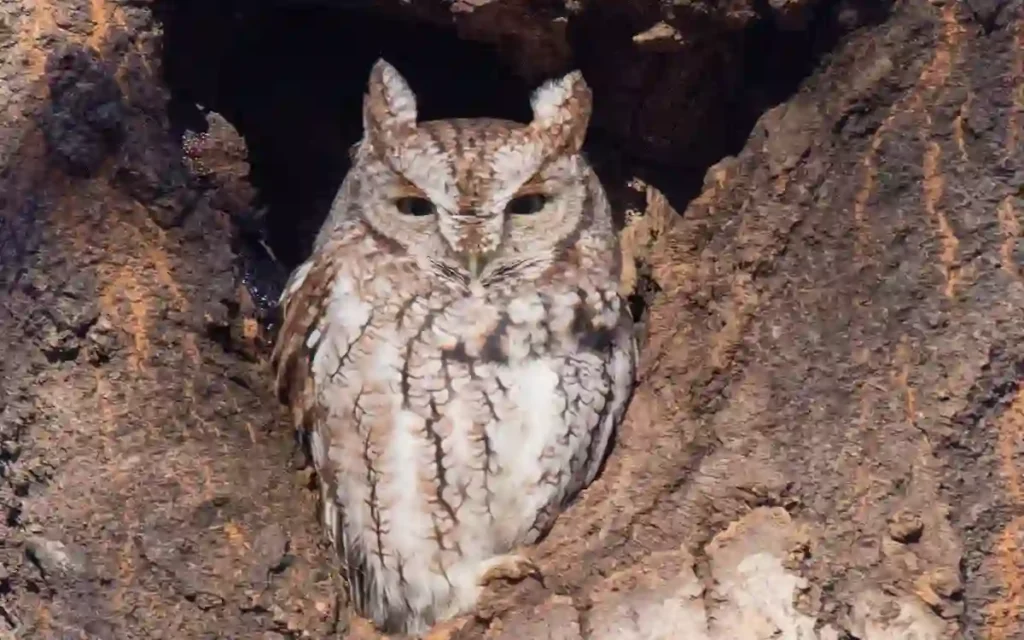
The Eastern Screech-Owl is a small, well-camouflaged owl found across eastern North America. Despite its name, it doesn’t actually screech instead, it produces soft trills and whinnies.
This owl blends perfectly with tree bark thanks to its gray or reddish-brown plumage. It prefers wooded areas, suburbs, and parks where it nests in tree cavities.
Because of its size and camouflage, it’s rarely seen during the day, but its calls at night make it easier to detect.
16.European Starling
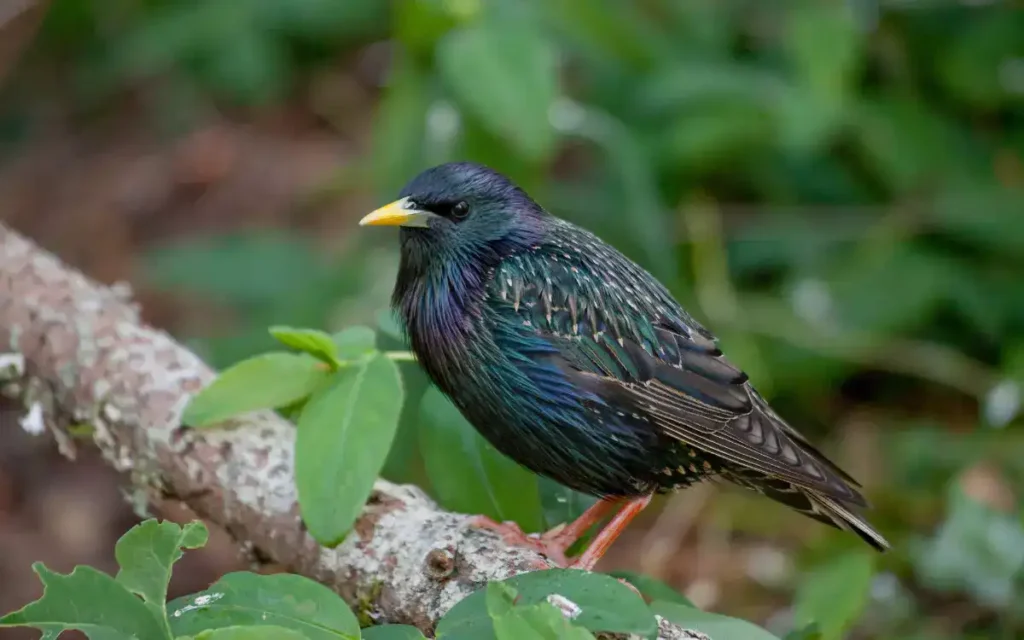
The European Starling is a highly adaptable bird with glossy black feathers that shine with green and purple tones in sunlight. It is now found across Europe, North America, and parts of Asia.
These birds are known for forming large flocks that move in synchronized patterns, especially during sunset. They are also skilled mimics and can copy sounds from other birds and even human-made noises.
Starlings are often seen in urban areas, fields, and gardens, making them one of the most familiar birds on this list.
17.Eurasian Jay
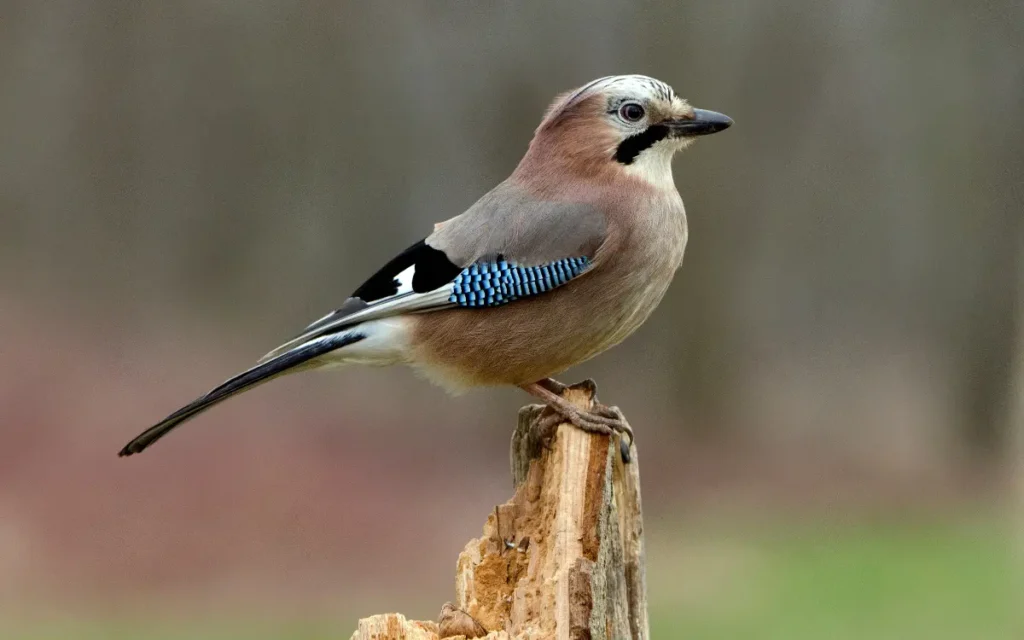
The Eurasian Jay is a colorful member of the crow family, recognized by its pinkish-brown body and bright blue wing patch. It is found in forests across Europe and Asia.
This bird is intelligent and plays an important role in nature by storing acorns, which helps trees grow in new areas. It is usually shy but can be noisy when alarmed.
Look for its quick flight through trees and flashes of blue on its wings when identifying it.
18.Egyptian Vulture
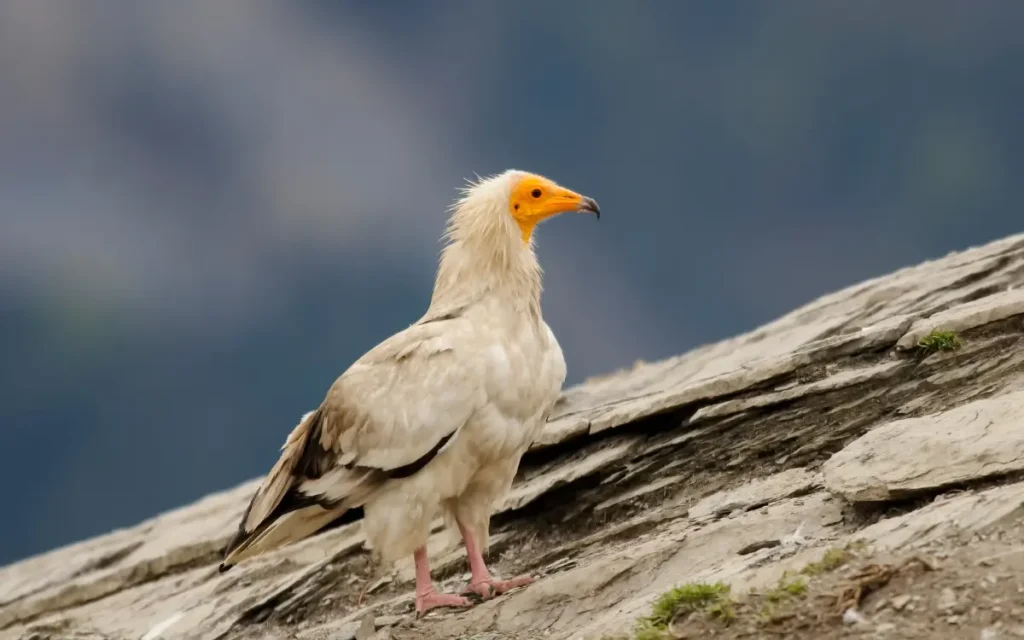
The Egyptian Vulture is a small vulture with white feathers, black flight wings, and a bare yellow face. It is found across Africa, Europe, and parts of Asia.
Unlike many birds, it is known for using tools—dropping stones to break open eggs. This makes it one of the few bird species with this kind of behavior.
It often feeds on carrion and waste, playing an important role in keeping ecosystems clean.
19.Elliot’s Pheasant
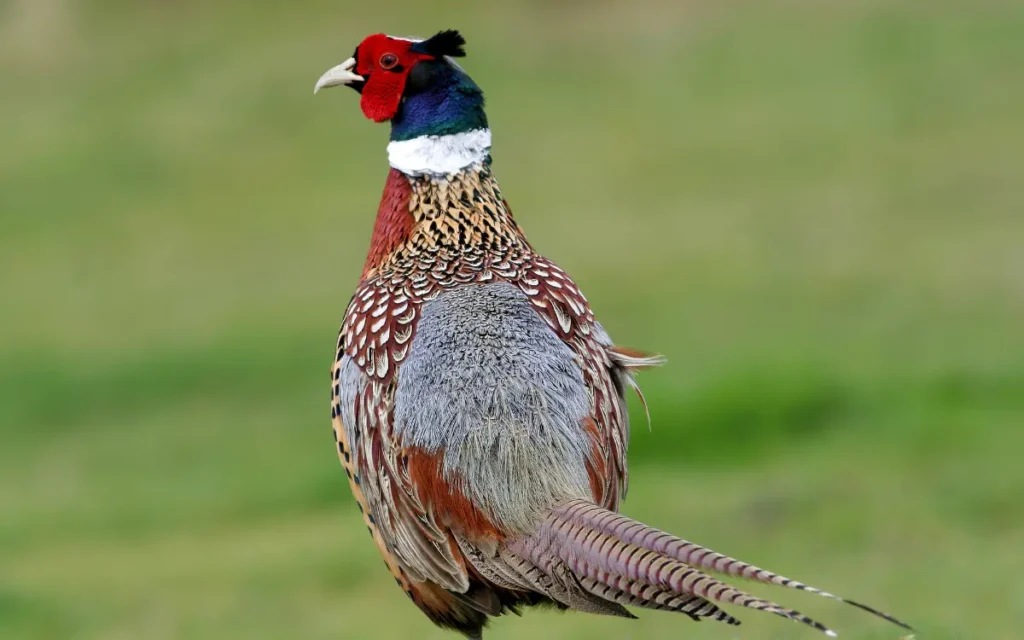
Elliot’s Pheasant is a beautifully patterned bird native to the forests of China. It has a long tail, chestnut body, and white markings that make it stand out.
This bird prefers dense mountain forests and is more often heard than seen due to its shy nature. It feeds on seeds, fruits, and small invertebrates.
Because of habitat loss, it is less commonly spotted in the wild, adding to its rarity.
20.Eurasian Spoonbill
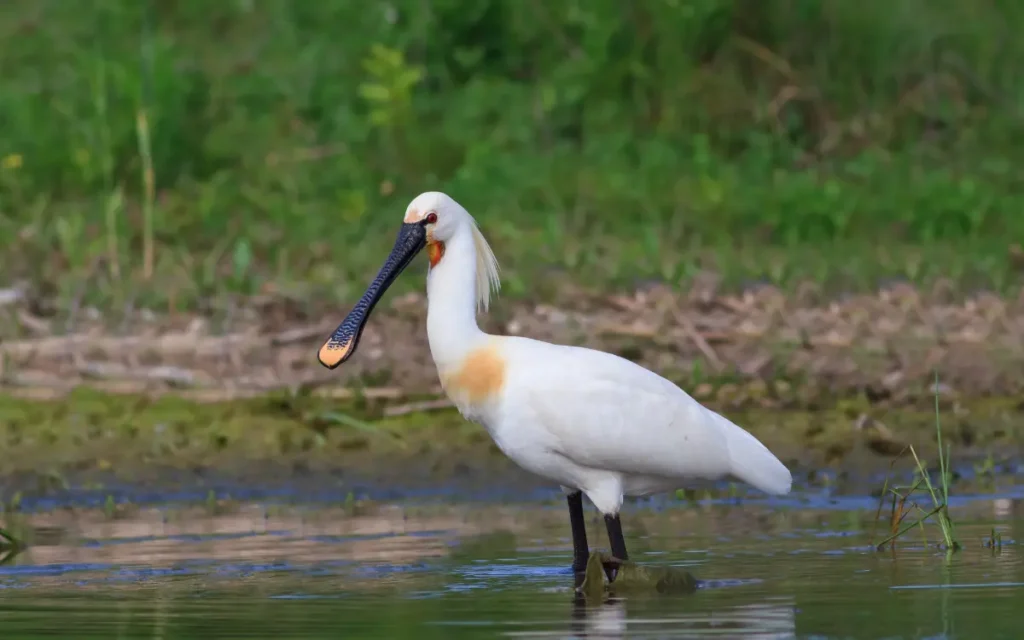
The Eurasian Spoonbill is a large white wading bird known for its unique spoon-shaped bill. It is commonly found in wetlands, marshes, and shallow waters across Europe, Asia, and North Africa.
It feeds by sweeping its bill side to side in the water to catch small fish and insects. This feeding style makes it easy to identify.
During breeding season, it develops long crest feathers, adding to its elegant appearance.
Related article:-
FAQs
What are some common birds that start with E?
Some common birds include Eastern Bluebird, Emu, European Robin, and Eastern Phoebe. These are widely known and often seen in their natural regions.
What is the largest bird that starts with E?
The Emu is the largest bird on this list and the second-largest bird in the world. It is a flightless bird native to Australia.
Are there birds that start with E in the United States?
Yes, birds like Eastern Bluebird, Eastern Meadowlark, Eastern Phoebe, and Eastern Screech-Owl are commonly found in the United States.
Are any birds that start with E endangered?
Yes, some species like the Egyptian Vulture face population decline due to habitat loss and environmental changes.