Hummingbirds live at the edge of survival. Their wings beat up to 80 times per second. Their hearts can exceed 1,000 beats per minute. Some cross the Gulf of Mexico without stopping. Many never survive their first year. Yet the adults that succeed often return to the same yard, the same feeder, and even the same branch year after year.
This guide explains hummingbird biology, lifespan patterns, major U.S. species, migration corridors, habitat preferences, feeding behavior, identification strategy, and even cultural meaning. Use this page as your central hummingbird resource and explore deeper regional and species guides from here.
Hummingbird Biology
Call:-
Hummingbirds belong to the family Trochilidae. Scientists recognize more than 300 species across the Americas, with roughly 15–20 appearing regularly in the United States.
Flight Mechanics
Hummingbirds rotate their wings in a full figure-eight motion. This movement allows them to:
- Hover in place
- Fly backward
- Make sharp lateral shifts
- Remain suspended while feeding
Unlike most birds, they generate lift on both the downstroke and upstroke.
Metabolism and Energy Demand
Calls:-
Hummingbirds burn energy at a rapid rate. To sustain this pace, they must feed frequently throughout the day. They rely on:
- High-sugar nectar
- Small insects for protein
- Stored fat reserves before migration
If you want deeper behavioral and physiological details, explore our full Hummingbird Facts guide.
Hummingbird Lifespan and Survival Patterns
Call:-
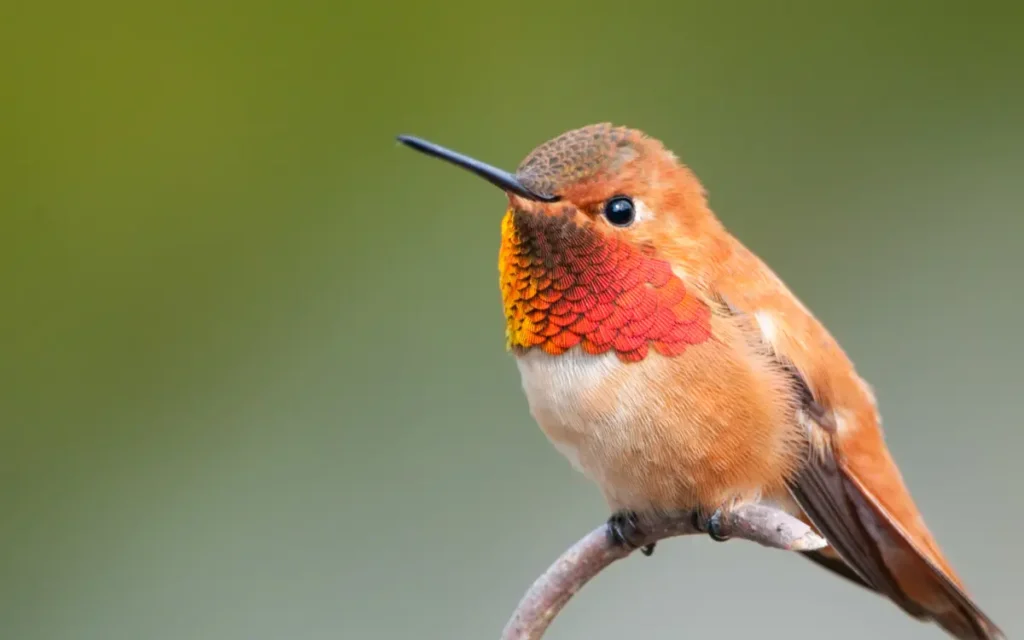
People often quote a 3–5 year lifespan. That number tells only part of the story.
First-Year Survival
Most hummingbirds do not survive their first year. Juveniles face:
- Long-distance migration without prior experience
- Severe weather exposure
- Predators such as hawks, cats, and snakes
- Limited fat reserves
The first southbound migration remains the most dangerous period of their lives.
Adult Longevity
Birds that survive their first migration often live several additional years. Adults show strong site fidelity. They:
- Return to established feeding territories
- Reuse migration pathways
- Nest in familiar areas
Lifespan by Species
| Species | Typical Lifespan | Migration Distance | Notes |
| Ruby-throated | 3–5 years | Long-distance | High juvenile mortality |
| Anna’s | 5–8 years | Short-distance | Stable in mild climates |
| Black-chinned | 3–6 years | Medium | Desert-adapted |
Longevity increases when birds experience stable food sources and moderate climates.
Major Hummingbird Species in the United States
Call:-
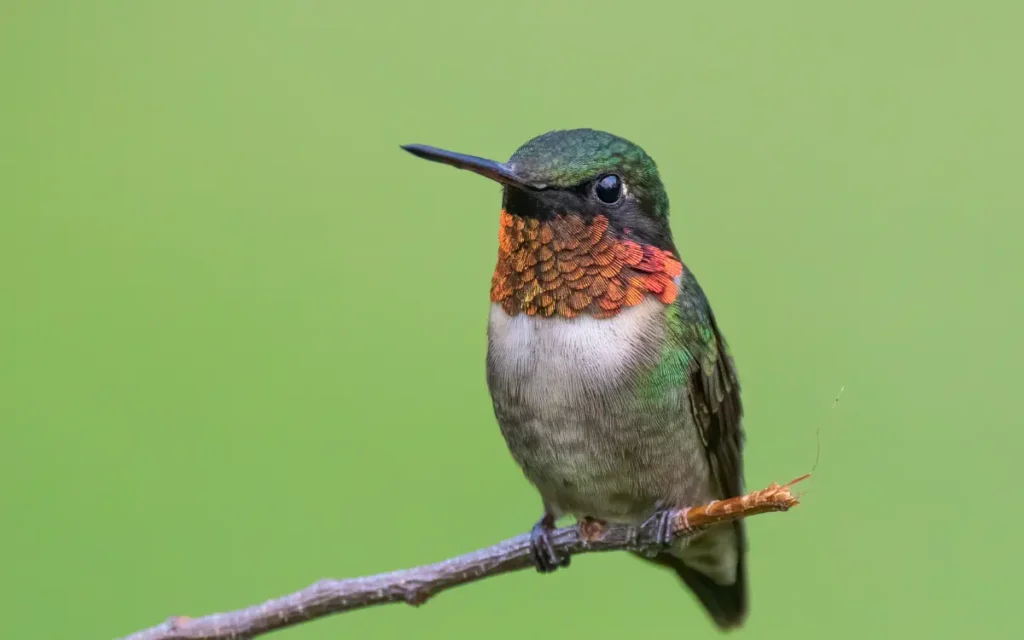
Ruby-throated Hummingbird
- Length: 2.8–3.5 inches
- Weight: 2–6 grams
- Range: Eastern United States
- Migration: Central America
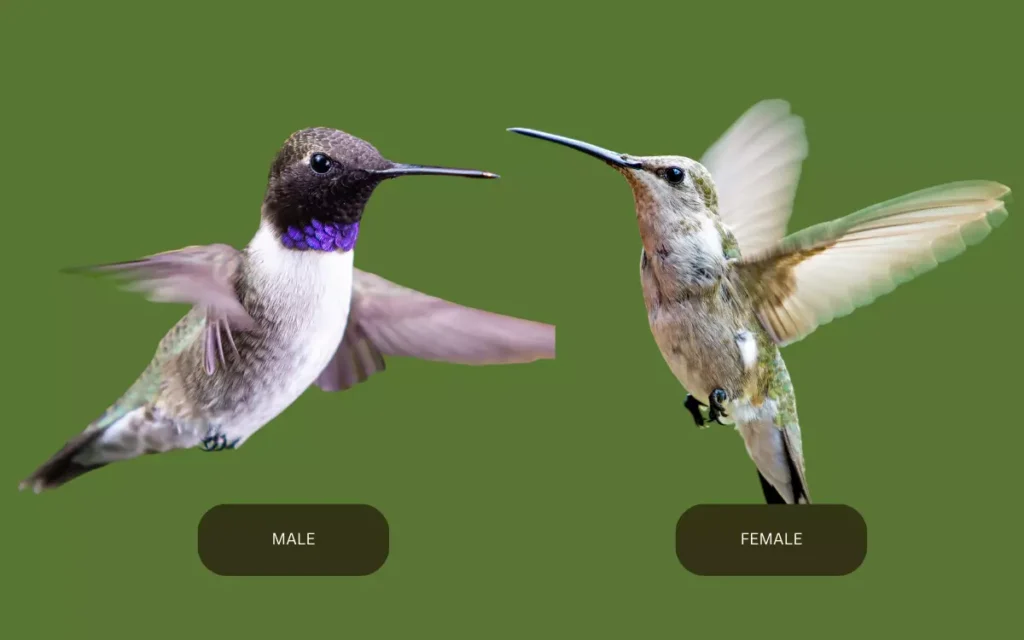
This species dominates eastern sightings. Males display a bright red throat, while females show pale undersides without red coloration.
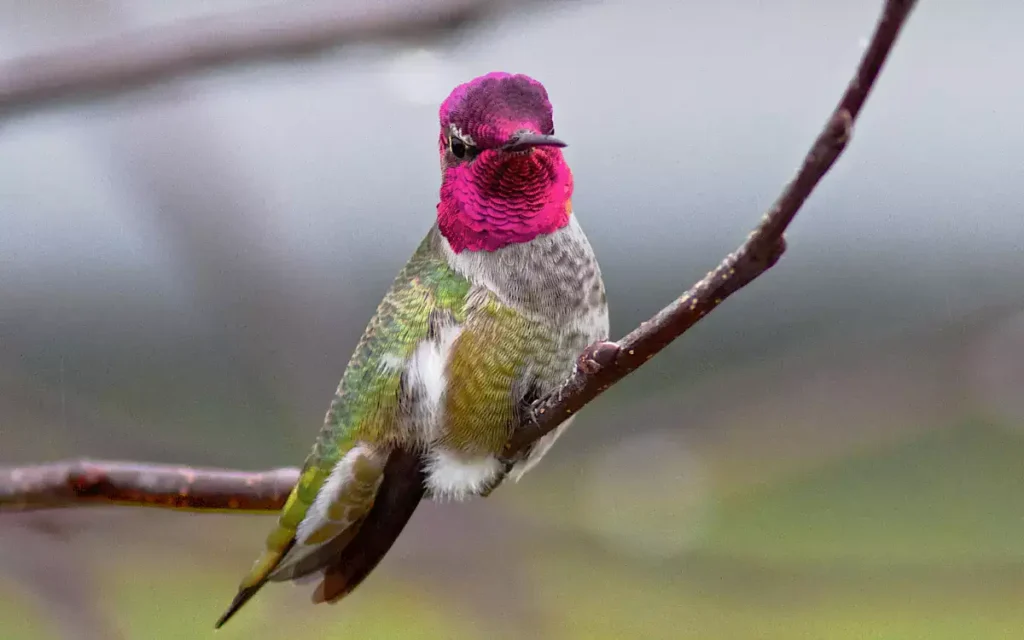
Anna’s Hummingbird
- Length: 3.9–4.3 inches
- Range: West Coast
- Residency: Often year-round
Anna’s hummingbirds adapt well to urban gardens and backyard feeders. Their rose-colored throat flashes brilliantly in direct sunlight.
Black-chinned Hummingbird
- Range: Southwestern states
- Throat: Appears dark until light reveals a thin purple band
- Habitat: Desert scrub, woodland edges, suburban yards
Each species adapts to its regional climate and flowering patterns.
Read also: Birds of the United States
Regional Distribution and Migration Corridors
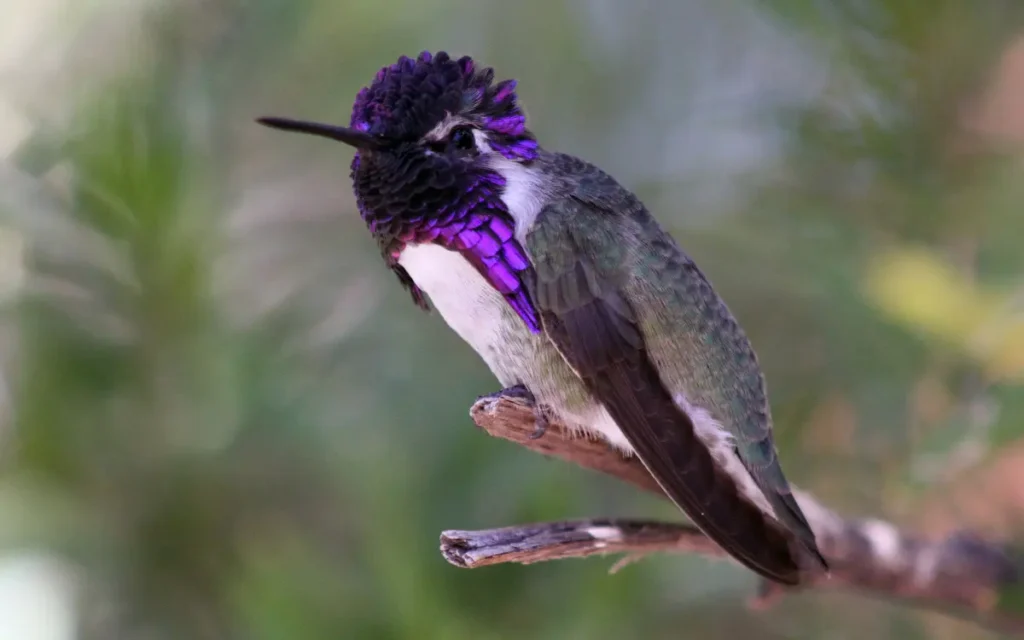
Geography strongly influences hummingbird diversity.
Texas as a Migration Gateway
Texas functions as a major funnel during both spring and fall migration. Multiple species pass through coastal and inland regions.
Explore seasonal timing and full species breakdowns in our detailed Hummingbirds in Texas guide.
Midwest Migration Patterns
States like Illinois primarily host Ruby-throated hummingbirds, with rare vagrant sightings during unusual weather events.
For arrival dates and seasonal details, see Hummingbirds in Illinois.
Habitat Preferences and Ecological Niches
Hummingbirds select habitats based on nectar availability.
Woodland Edges
They favor forest clearings where flowers grow in sunlight.
Desert Landscapes
Southwestern species thrive among blooming desert plants.
Mountain Meadows
High-elevation species track short flowering seasons.
Suburban Gardens
Native plants and feeders attract them consistently.
Flower abundance determines territory choice more than vegetation type alone.
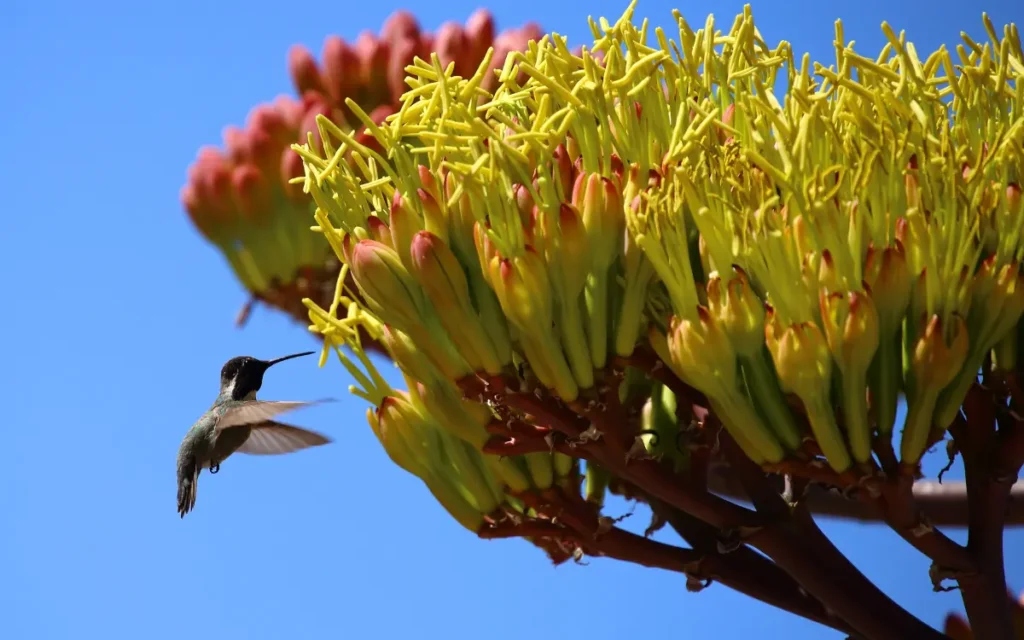
Diet, Feeding Behavior, and Energy Strategy
Hummingbirds feed almost constantly to maintain energy balance.
Nectar as Primary Fuel
Nectar provides carbohydrates that convert quickly into usable energy. They consume small amounts throughout the day rather than one large feeding.
Insects for Protein
They catch gnats, fruit flies, and spiders to obtain amino acids necessary for feather growth and reproduction.
Backyard Feeders
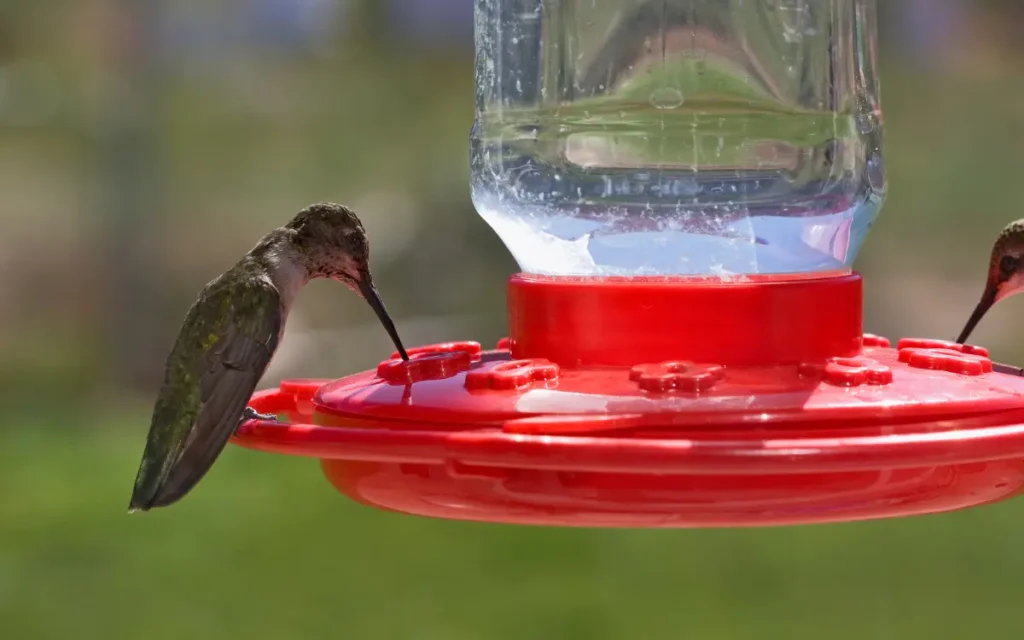
Feeders supplement natural nectar when maintained correctly. However, other species may also visit nectar sources.
Learn which birds share or compete at feeders in Birds That Drink Nectar from Hummingbird Feeders.
Migration Mechanics and Endurance
Migration tests hummingbird endurance.
Pre-Migration Fat Storage
Before departure, hummingbirds may double their body weight by storing fat. This reserve fuels long-distance travel.
Gulf of Mexico Crossings
Some Ruby-throated hummingbirds cross the Gulf in a nonstop flight of hundreds of miles. Wind direction and storm systems strongly influence survival.
Bloom Tracking
During spring migration, hummingbirds move northward in stages, following blooming plant cycles.
Torpor and Energy Conservation
Hummingbirds enter torpor at night or during cold weather.
What Torpor Does
- Lowers body temperature
- Slows heart rate
- Reduces energy expenditure
This adaptation allows survival during food shortages and chilly nights.
Identification Strategy for Birdwatchers
Successful identification requires careful observation.
Throat (Gorget) Color
Light angle changes color intensity. Observe from multiple positions.
Tail Shape
Tail feather length and spread patterns help separate similar species.
Regional Context
Location narrows possibilities quickly.
| Feature | Ruby-throated | Anna’s | Black-chinned |
| Region | East | West | Southwest |
| Residency | Migratory | Often resident | Migratory |
| Throat | Bright red | Rose-pink | Thin purple band |
Behavior also assists identification. Anna’s often vocalize loudly, while Ruby-throated males defend feeders aggressively.
How to Attract Hummingbirds Responsibly
Support hummingbirds with long-term habitat stability.
Plant Native Flowers
Choose tubular blooms that produce steady nectar.
Maintain Clean Feeders
Change sugar water every few days in warm weather.
Reduce Predator Risk
Place feeders away from dense shrubs where cats may hide.
Avoid Pesticides
Insects supply essential protein during breeding season.
Consistency increases the chance that returning adults will revisit your yard.
Cultural Meaning and Symbolism
Beyond biology, hummingbirds carry symbolic meaning in many cultures. People associate them with:
- Resilience
- Energy
- Renewal
- Joy
Explore deeper interpretations in our guide on Hummingbird Meaning and Symbolism
Frequently Asked Questions
What is the average lifespan of a hummingbird?
Most live 3–5 years, though some individuals exceed 8 years under favorable conditions.
Do hummingbirds return to the same feeder?
Yes. Many demonstrate strong site fidelity and memory of reliable food sources.
Which state sees the highest hummingbird diversity?
Texas records some of the greatest species diversity due to its migration geography.
How far can hummingbirds migrate?
Some travel over 2,000 miles annually between breeding and wintering grounds.
What is the rarest hummingbird in the U.S.?
Species like the Lucifer Hummingbird appear only in limited southwestern areas and during rare sightings.
Conclusion
Hummingbirds survive through speed, memory, and relentless energy intake. Their lifespan depends on migration success, habitat stability, and food availability. Their species diversity reflects geography, climate, and flowering cycles. Their behavior combines endurance with precision.
Use this guide as your foundation. Then explore regional sightings, feeder behavior, biological facts, and symbolic meaning through the linked resources across BirdSerenity.