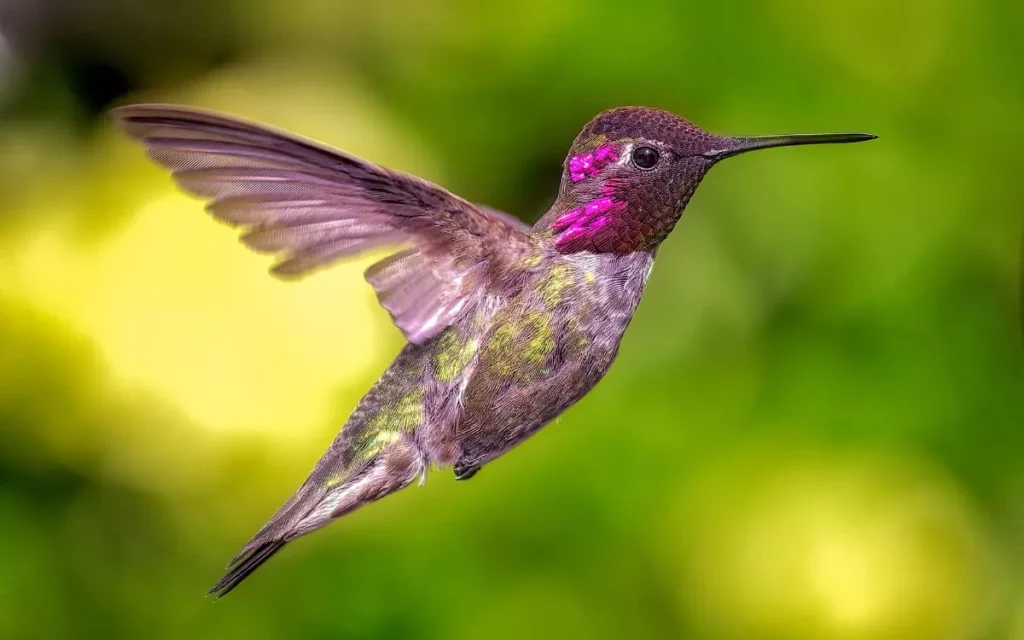
Ever spotted two birds in your yard one small and brown, the other bigger with a red chest and wondered who’s who? Meet the sparrow and the robin. These two birds are common sights across North America, but they’re more different than you might think. This guide breaks down the key traits to help you tell them apart with ease, even if you’re new to birdwatching.
Robin vs Sparrow Comparison

| Feature | Sparrow | Robin |
| Size | Small (5–7 inches) | Medium (9–11 inches) |
| Color | Brown, streaky, gray cap (male) | Bright orange chest, gray back |
| Voice | Chirpy, repetitive calls | Clear, flute-like whistles |
| Diet | Seeds, crumbs, insects | Worms, insects, berries |
| Nesting | Bushes, rooftops, crevices | Trees, ledges, porch lights |
| Migration | Mostly year-round residents | Migrate south for winter |
Size and Shape
Sparrows are compact and round-bodied, just a handful of fluff with wings. Robins stand taller and more upright, with longer legs and a sleeker frame. If one bird looks like it could perch on your finger while the other looks ready to stride across your lawn that’s a sparrow and a robin.
Color and Markings
Robins are easy to spot thanks to their glowing orange bellies and soft gray backs. They have a clean, bold look that stands out. Sparrows keep it subtle—brown and streaky with a bit of gray or black around the head, especially in male House Sparrows.
🪶 Tip: If you see a bird with a bright chest and it’s tugging at a worm, it’s likely a robin.
Bird Songs
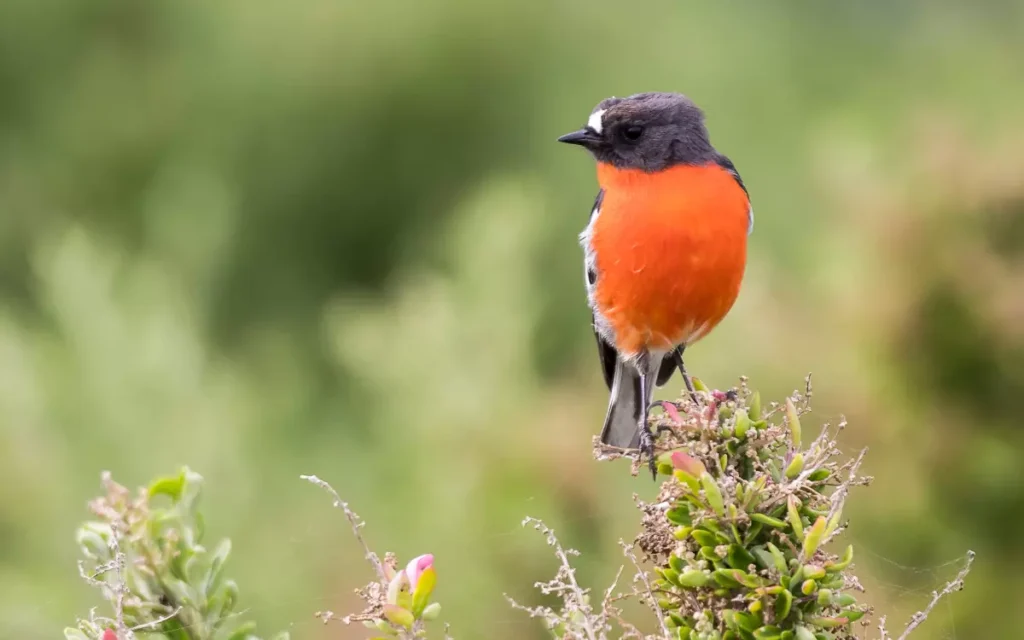
Robins sing rich, whistling tunes—perfect for early morning walks. Their song sounds almost like a gentle musical phrase. Sparrows, on the other hand, keep it simple: fast, chattery chirps. You’ll hear them talking more than singing.
🎧 Want to know who’s in your backyard? Listen carefully—robins serenade, sparrows chat.
Sparrow call
Robins call
Feeding Habits
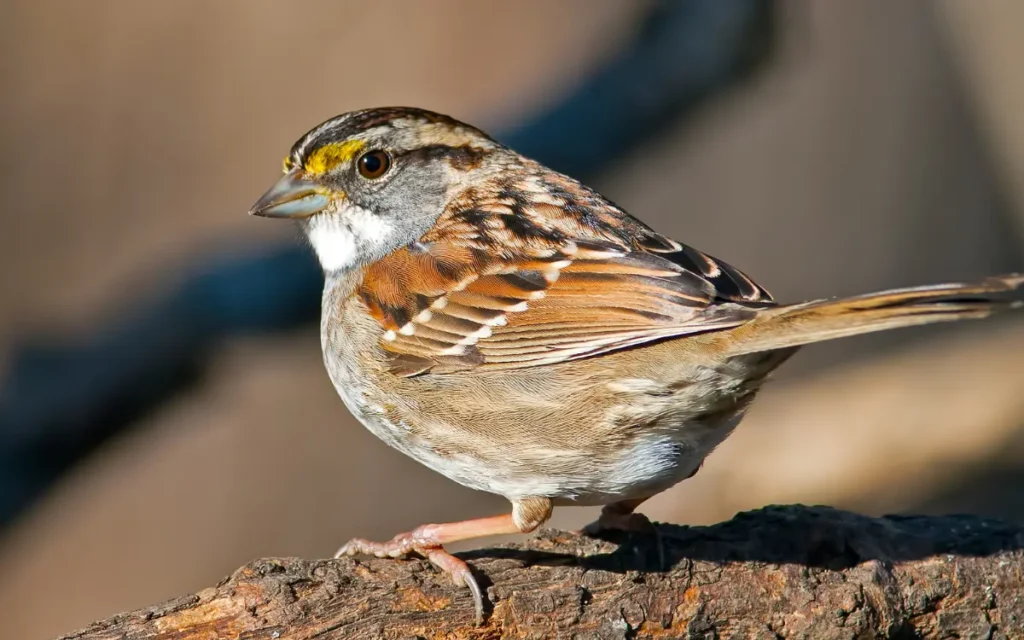
Sparrows love variety but are often seen pecking at seeds, breadcrumbs, and insects. They’re the cleanup crew under bird feeders and picnic tables. Robins prefer worms and insects—especially after the rain—but they’ll also munch on berries and fruit.
Nesting Differences
Sparrows build nests in all sorts of spots—bushes, building cracks, gutters. Their nests are a bit messy, made from twigs, feathers, and string. Robins are tidier. They use mud and grass to shape neat, round nests, usually in trees or on porch ledges.
Where They Live
Both birds are well-adapted to human spaces, but they have their preferences. Sparrows are city dwellers—they thrive anywhere people are. Robins enjoy open lawns and forest edges but are also comfortable near homes and parks.
Migration
Robins are seasonal visitors in many places. They fly south for the winter and return with spring—like a feathery sign that warmer days are coming. Sparrows are more likely to stick around, toughing it out through the colder months.
House Sparrow vs American Robin: A Closer Matchup
| Trait | House Sparrow | American Robin |
| Size | About 6 inches | Around 10 inches |
| Color | Brown body, gray crown (males) | Orange belly, darker head |
| Nest Sites | Under roof eaves, building crevices | Trees, porch lights, shrubs |
| Social Life | Very social, often in flocks | Usually seen alone or in small groups |
Read also: Song Sparrow vs House Sparrow: Key Differences for Birdwatchers
FAQs
How do I quickly tell a robin from a sparrow?
Robins are bigger and have an unmistakable orange chest. Sparrows are smaller, brown, and streaky.
Can they both visit the same feeder?
Yes, but they have different tastes. Use mixed seeds for sparrows and mealworms or fruit slices for robins.
Why do robins disappear in winter?
They migrate to find food in warmer areas. If your winters are mild, you might spot a few who stay behind.
Are sparrows noisy?
Sparrows are chatty and social. You’ll often hear their high-pitched chirping throughout the day.
Are these birds helpful in the garden?
Definitely! Robins eat grubs and beetles, while sparrows clean up crumbs and help control weed seeds.
Final Thoughts:
Once you know what to look for, telling sparrows and robins apart becomes second nature. One is a city-loving chatterbox; the other is a springtime songbird. Both bring life and charm to any backyard. So next time you spot some fluttering wings outside your window, you’ll know exactly who came to visit.