
Birds in Florida: Identification Guide for Birdwatchers
Florida is one of the most exciting birdwatching states in the U.S. because water, coast, wetlands, forests, grasslands, islands, and warm weather all come together here. You can see herons in a roadside ditch, pelicans over the beach, ibises walking across lawns, hawks over open fields, and songbirds in shady parks.
For beginners, Florida is especially rewarding because many birds are large, colorful, and easy to notice. Wading birds, shorebirds, gulls, ducks, raptors, and backyard birds can often be seen without a long hike.
This page is your Florida bird hub. Use it to learn common birds, explore habitats, find birdwatching places, and open our Florida bird guides as more pages are added.
Explore more state from here: 50 State Bird Guides
Florida Birding Overview
Florida birding is shaped by water and season. The state has Atlantic beaches, Gulf Coast islands, freshwater marshes, mangroves, pine flatwoods, cypress swamps, lakes, rivers, prairies, suburbs, and tropical-style habitats in the south.
South Florida can feel very different from the Panhandle. Coastal areas are strong for shorebirds, gulls, terns, pelicans, and wading birds. Inland wetlands are excellent for herons, egrets, ibises, ducks, and raptors. Neighborhoods and parks can be full of cardinals, mockingbirds, doves, woodpeckers, grackles, and warblers.
| Florida Birding Fact | Details |
| Recorded bird species | 500+ species reported in Florida |
| State bird | Northern Mockingbird |
| State bird year | 1927 |
| Best spring birding months | March to May |
| Best fall birding months | September to November |
| Strong birding habitats | Beaches, wetlands, mangroves, swamps, pine woods, lakes, prairies, parks, and backyards |
| Good for beginners? | Yes, many Florida birds are large, visible, and easy to watch near water or neighborhoods |
Common Birds Found in Florida
Florida has many bird species, but these are good starting birds for beginners. Many are common, easy to recognize, or seen in places people visit often.
Northern Mockingbird
The Northern Mockingbird is Florida’s state bird. It is gray with white wing patches and a long tail.
You may see it on lawns, rooftops, fences, shrubs, parking lots, and neighborhood trees. Mockingbirds are bold singers and may repeat many different sounds.
White Ibis
The White Ibis is one of Florida’s most familiar wading birds. Adults are white with a long curved orange-red bill and pinkish-red legs.
They often walk in groups across lawns, parks, wetlands, golf courses, and shallow water. Young birds are brown and white, which can confuse beginners at first.
Great Egret
The Great Egret is a tall white wading bird with a long neck, black legs, and yellow bill.
It hunts slowly in marshes, ponds, ditches, lakes, and coastal shallows. Its size and clean white plumage make it one of the easiest Florida water birds to notice.
Brown Pelican
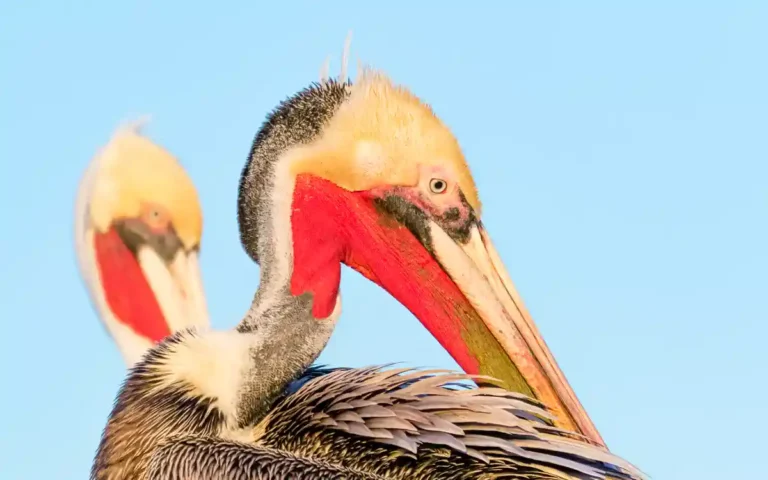
The Brown Pelican is common along Florida’s coasts. It has a large body, long bill, and pouch under the bill.
Watch for pelicans gliding low over waves or diving into water after fish. They are often seen near beaches, fishing piers, harbors, bays, and bridges.
Anhinga
The Anhinga is a dark water bird often seen around ponds, lakes, canals, and wetlands. It has a long neck and sharp bill.
After swimming, it often perches with wings spread open to dry. When only its neck sticks out of the water, it can look snake-like.
Sandhill Crane
Sandhill Cranes are tall gray birds with long legs, long necks, and a red patch on the head.
They are often seen in open fields, wet prairies, golf courses, pastures, and some neighborhoods. Their loud calls carry far and are easy to remember.
Red-bellied Woodpecker
The Red-bellied Woodpecker is common in Florida neighborhoods, parks, and wooded areas. It has a barred black-and-white back and red on the head.
The red belly is often hard to see, so beginners usually notice the head pattern first.
Red-shouldered Hawk
The Red-shouldered Hawk is one of the most common hawks in many parts of Florida. It often perches near woods, wetlands, canals, and suburban streets.
Its loud call is often heard before the bird is seen. Look for reddish barring below and broad wings when it flies.
Birds in Florida by Habitat
Habitat is one of the fastest ways to narrow down a Florida bird ID. A bird on a beach, in a cypress swamp, or walking across a lawn may belong to very different groups.
| Habitat | Birds You May See |
| Backyards and neighborhoods | Northern Mockingbird, Northern Cardinal, Mourning Dove, Blue Jay, Red-bellied Woodpecker |
| Lawns and parks | White Ibis, Boat-tailed Grackle, Sandhill Crane, Fish Crow, Common Grackle |
| Beaches and coastlines | Brown Pelican, gulls, terns, Willet, Sanderling, Black Skimmer |
| Mangroves and bays | Roseate Spoonbill, herons, egrets, cormorants, pelicans |
| Freshwater wetlands | Great Egret, Snowy Egret, Anhinga, Purple Gallinule, ducks |
| Cypress swamps | Limpkin, Barred Owl, Pileated Woodpecker, Prothonotary Warbler |
| Pine flatwoods | Red-cockaded Woodpecker, Pine Warbler, Eastern Bluebird, Bachman’s Sparrow |
| Open prairies and fields | Crested Caracara, Sandhill Crane, Eastern Meadowlark, Red-tailed Hawk |
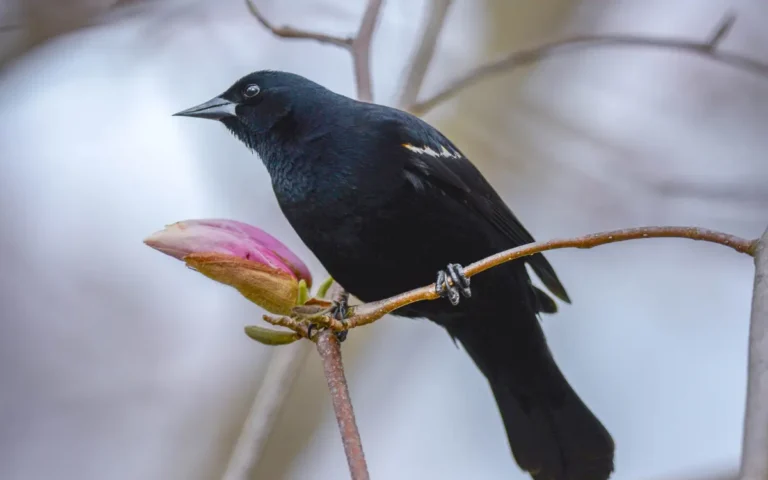
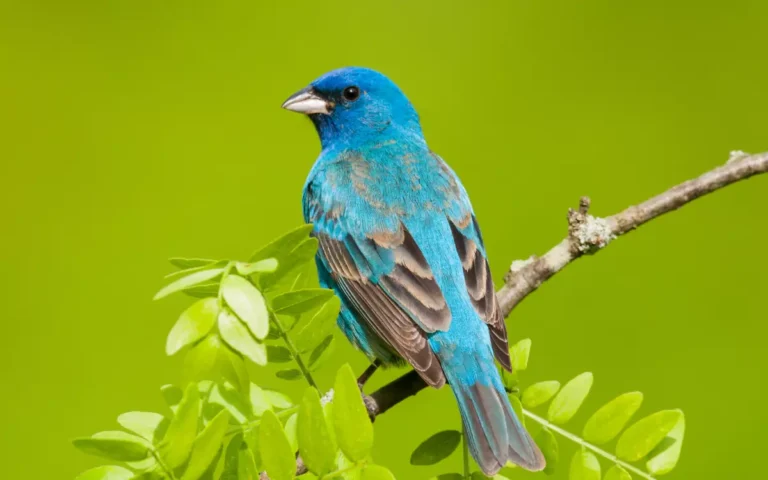
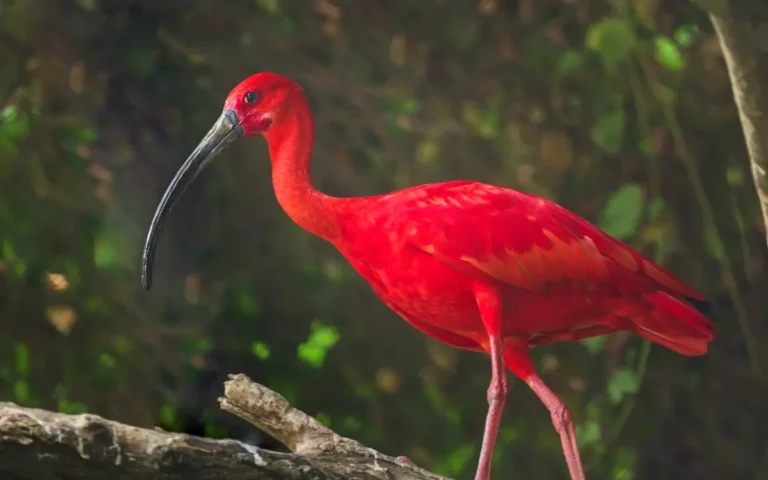
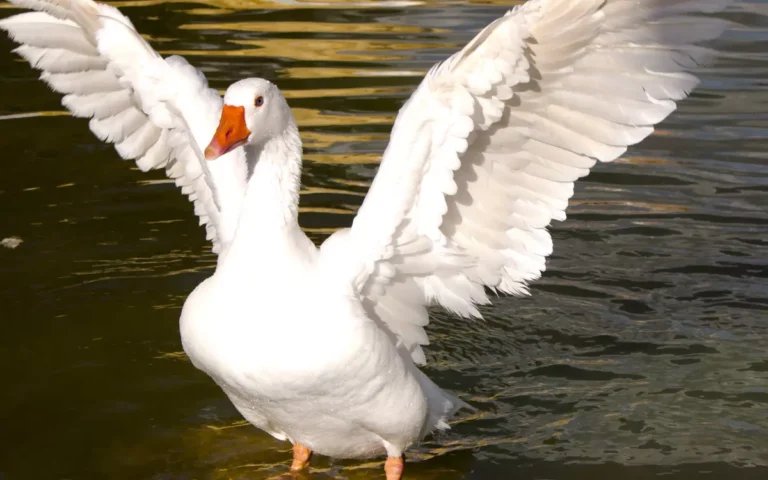
Explore Florida Bird Species Guides
Use these Florida guides when you want to learn more about a specific bird group.

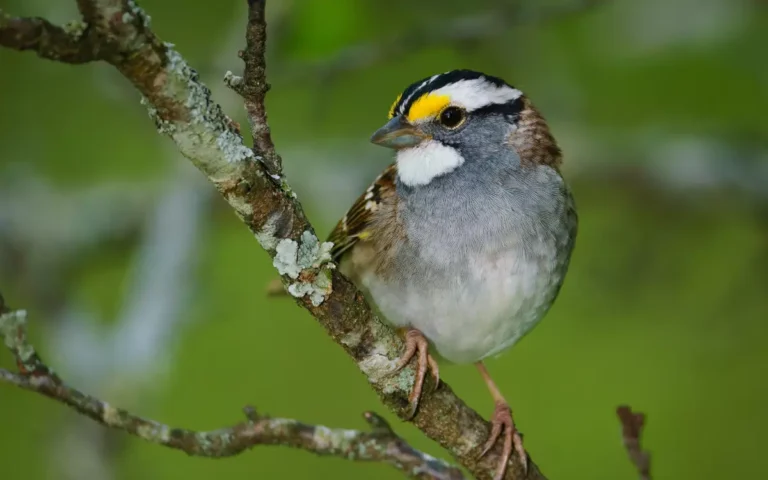
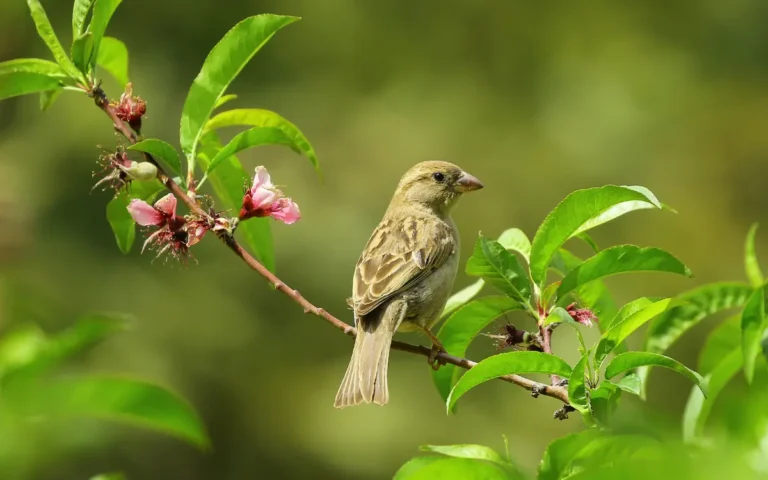
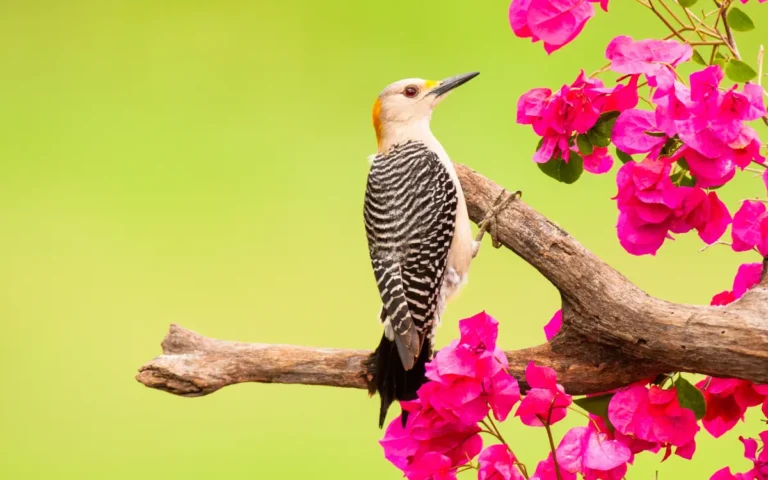
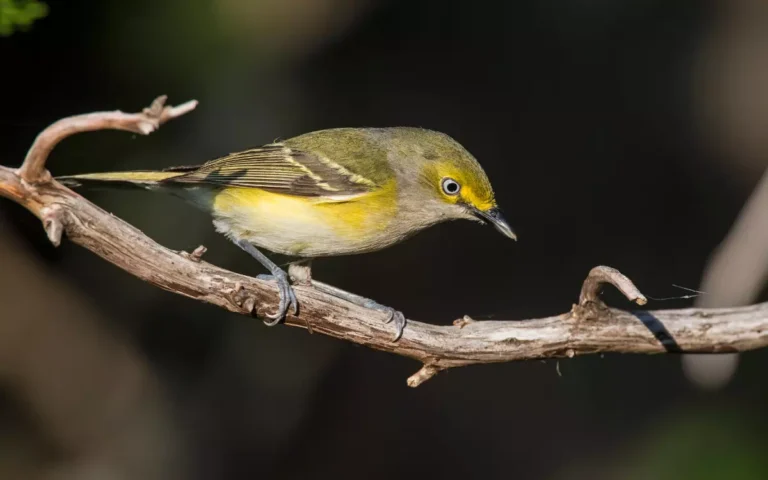
Best Time to Watch Birds in Florida
Florida birding is good all year, but the best season depends on what you want to see. Winter brings many visiting birds, spring and fall are good for migration, and summer can be excellent for nesting wading birds.
| Season | What to Look For |
| Spring | Migration, nesting wading birds, warblers, shorebirds, terns |
| Summer | Herons, egrets, spoonbills, young birds, swallow-tailed kites, coastal birds |
| Fall | Migrating songbirds, shorebirds, raptors, ducks, gulls, terns |
| Winter | Waterfowl, sparrows, warblers, shorebirds, gulls, raptors, visiting birds |
Spring
Spring is one of the best times to watch Florida birds. Songbirds move through parks and wooded areas, while wetlands and rookeries can become busy with nesting wading birds.
Coastal sites can also be active with shorebirds and terns.
Summer
Summer birding is best early in the morning because heat and storms can build later in the day.
Look for herons, egrets, ibises, spoonbills, woodpeckers, kites, and young birds. Wetlands, shaded trails, and coastal areas can still be productive.
Fall
Fall migration brings birds moving south through Florida. Some birds stop in coastal hammocks, parks, mangroves, wetlands, and neighborhoods.
Because some migrants look less bright in fall, pay attention to shape, movement, habitat, and calls.
Winter
Winter is one of Florida’s best birding seasons. Many northern birds spend the colder months here, including ducks, shorebirds, sparrows, warblers, and gulls.
The weather is also more comfortable, making it a great time for beginners to visit refuges, beaches, parks, and wetlands.
Best Bird Watching Spots in Florida
Florida has many famous birding areas, and the Great Florida Birding and Wildlife Trail connects more than 500 wildlife viewing sites across the state.
Everglades National Park
Everglades National Park is one of Florida’s most famous birding destinations. It has marshes, mangroves, sawgrass, coastal areas, and tropical hardwood habitat.
Look for herons, egrets, ibises, spoonbills, Anhingas, cormorants, raptors, warblers, and many wetland birds.
Merritt Island National Wildlife Refuge
Merritt Island is excellent for water birds, shorebirds, ducks, raptors, and wading birds. It has marshes, impoundments, coastal habitat, and open viewing areas.
It is a strong choice for photographers and beginners because many birds can be seen from roads and viewing spots.
Corkscrew Swamp Sanctuary
Corkscrew Swamp Sanctuary is known for cypress swamp habitat. It can be good for woodpeckers, wading birds, Barred Owls, songbirds, and wetland species.
The boardwalk makes it easier to explore without disturbing sensitive habitat.
Ding Darling National Wildlife Refuge
J.N. “Ding” Darling National Wildlife Refuge on Sanibel Island is a classic Florida birding spot. It is known for mangroves, mudflats, wading birds, shorebirds, and coastal wildlife.
Watch for Roseate Spoonbills, herons, egrets, pelicans, ibises, and shorebirds depending on season and tide.
Fort De Soto Park
Fort De Soto near St. Petersburg is a strong coastal birding site. It can be excellent for shorebirds, gulls, terns, wading birds, raptors, and migrating songbirds.
Spring and fall migration can be especially interesting when birds stop along the coast.
St. Marks National Wildlife Refuge
St. Marks in the Florida Panhandle offers marshes, coastal habitat, pine woods, pools, and open viewing areas.
It is good for ducks, wading birds, shorebirds, raptors, sparrows, and seasonal migrants.
Lake Apopka Wildlife Drive
Lake Apopka Wildlife Drive is popular because many birds can be seen from the road. It can be productive for herons, egrets, ducks, gallinules, raptors, swallows, and seasonal visitors.
Go slowly, bring binoculars, and check water edges carefully.
Backyard Birding Tips for Florida
Backyard birding in Florida can be very active, especially when your yard has native plants, clean water, shade, and safe cover.
| What to Add | Birds It May Attract |
| Native shrubs and trees | Cardinals, mockingbirds, catbirds, warblers, doves |
| Clean birdbath | Doves, cardinals, mockingbirds, wrens, warblers |
| Nectar plants | Hummingbirds, butterflies, orioles, warblers |
| Black oil sunflower seeds | Cardinals, titmice, chickadees, finches |
| Suet | Woodpeckers, wrens, nuthatches, chickadees |
| Brushy cover | Towhees, wrens, catbirds, sparrows, thrashers |
In Florida, clean water and native plants can be more useful than heavy feeding. Keep birdbaths fresh, especially during hot weather.
Simple Florida Bird Identification Tips
Florida has many large water birds, but some can look similar at first. Herons, egrets, ibises, spoonbills, gulls, and shorebirds all need careful watching.
| Clue | What to Notice |
| Habitat | Beach, marsh, pond, swamp, lawn, mangrove, pine woods |
| Size | Sparrow-sized, dove-sized, ibis-sized, heron-sized, goose-sized |
| Shape | Long legs, curved bill, straight bill, long neck, short tail, wide wings |
| Color pattern | All white, dark body, pink body, black wingtips, head pattern |
| Behavior | Wading, probing, diving, soaring, walking on lawns, perching |
| Season | Year-round, winter visitor, spring migrant, nesting season |
| Group size | Alone, pairs, flocks, rookeries, mixed feeding groups |
In Florida, bill shape is very helpful. A curved bill may point to an ibis, a spoon-shaped bill to a spoonbill, a dagger-like bill to a heron or egret, and a thick pouch-like bill to a pelican.
Florida Birding Ethics and Local Resources
Florida has sensitive beaches, wetlands, rookeries, mangroves, and nesting areas. Birds may look calm, but they can waste energy if people get too close.
Good birding habits:
- Keep distance from nests, rookeries, and young birds.
- Stay out of roped-off beach nesting areas.
- Do not chase birds for photos.
- Keep dogs away from shorebirds and nesting areas.
- Use bird calls or playback carefully.
- Respect refuge, park, and private property rules.
- Do not feed wild wading birds, gulls, pelicans, or cranes.
- Leave feathers, eggs, plants, and habitat where you find them.
For planning trips, the Great Florida Birding and Wildlife Trail is one of the best starting resources because it lists wildlife viewing locations across the state.
FAQs
What is the state bird of Florida?
The state bird of Florida is the Northern Mockingbird. It was designated as Florida’s state bird in 1927.
How many bird species are found in Florida?
More than 500 migratory, year-round, and wintering bird species are found in Florida, according to Audubon Florida.
What birds are common in Florida backyards?
Common Florida backyard birds include Northern Mockingbirds, Northern Cardinals, Mourning Doves, Blue Jays, Red-bellied Woodpeckers, Boat-tailed Grackles, Carolina Wrens, and House Finches.
When is the best time to go birdwatching in Florida?
Winter is excellent for visiting birds, waterfowl, shorebirds, and comfortable weather. Spring and fall are also strong because of migration, while summer can be good for nesting wading birds and local species.
What large white birds are common in Florida?
Common large white birds in Florida include Great Egrets, Snowy Egrets, White Ibises, Wood Storks, and Great White Herons in some southern areas. Bill shape and leg color are helpful for telling them apart.
Are flamingos native to Florida?
American Flamingos are associated with Florida, especially in southern coastal and wetland areas, but sightings are much less predictable than common birds like herons, ibises, and egrets.
Where should beginners watch birds in Florida?
Beginners can start at beaches, local parks, ponds, wetlands, wildlife drives, and backyard birding areas. Everglades National Park, Merritt Island, Ding Darling, Fort De Soto, Corkscrew Swamp, and Lake Apopka Wildlife Drive are strong places to begin.