
Birds in New Hampshire: Identification Guide for Birdwatchers
New Hampshire is a small state, but it gives birdwatchers a lot of variety. You can find birds along the Atlantic Coast, around lakes and ponds, in northern forests, across mountain slopes, beside rivers, and in quiet backyards.
For beginners, New Hampshire is easy to enjoy because many birds are familiar and close to home. Chickadees, cardinals, robins, finches, woodpeckers, jays, hawks, ducks, gulls, and sparrows can all be seen in the right places and seasons.
This page is your New Hampshire bird hub. Use it to learn common birds, explore habitats, find birdwatching places, and open our New Hampshire bird guides as more pages are added.
Explore more state from here: 50 State Bird Guides
New Hampshire Birding Overview
New Hampshire birding is shaped by forests, mountains, lakes, wetlands, and a short but valuable coastline. The White Mountains are good for northern and high-elevation birds, while the Seacoast region can bring gulls, shorebirds, ducks, herons, and migrating birds.
The state also has strong backyard birding. Feeders, shrubs, native trees, and clean water can attract chickadees, finches, woodpeckers, nuthatches, cardinals, and sparrows through the year.
| New Hampshire Birding Fact | Details |
| Recorded bird species | 432 species listed for New Hampshire |
| Breeding bird species | Roughly 190 species breed in New Hampshire |
| State bird | Purple Finch |
| Best spring birding months | April to June |
| Best fall birding months | September and October |
| Strong birding habitats | Northern forests, mountains, lakes, ponds, rivers, wetlands, coast, parks, and backyards |
| Good for beginners? | Yes, especially around feeders, parks, ponds, lake edges, forest trails, and coastal sites |
Common Birds Found in New Hampshire
New Hampshire has many bird species, but these birds are good starting points for beginners. Most are common, easy to notice, or connected to places people visit often.
Purple Finch
The Purple Finch is New Hampshire’s state bird. Males are washed with raspberry-red coloring on the head, chest, and back, while females are brown and streaked with a bold face pattern.
New Hampshire Audubon notes that Purple Finches breed throughout the state, though they are more common in the north and west in coniferous and mixed forests. They may also visit feeders, especially when sunflower seed is available.
Black-capped Chickadee
The Black-capped Chickadee is one of the most familiar birds in New Hampshire. It has a black cap, white cheeks, gray back, and tiny rounded body.
You can see chickadees in forests, backyards, parks, and winter feeder areas. They are active, curious birds that often travel with nuthatches, titmice, and woodpeckers.
American Robin
The American Robin is common on lawns, gardens, parks, fields, and woodland edges. It has an orange breast, gray-brown back, and upright posture.
Robins often run across grass, pause, then pull worms or insects from the soil. They are especially easy to notice in spring and summer.
Northern Cardinal
The Northern Cardinal is a favorite backyard bird in many parts of New Hampshire. Males are bright red with a black face mask, while females are warm brown with red on the wings, tail, and crest.
Cardinals live in shrubs, woodland edges, hedges, parks, and neighborhoods. They often visit feeders for sunflower seeds.
Blue Jay
The Blue Jay is bold, noisy, and easy to recognize. It has blue, white, and black plumage with a crest and strong calls.
Look for Blue Jays in oak woods, parks, neighborhoods, and feeder areas. They often give loud alarm calls when hawks or other threats are nearby.
White-breasted Nuthatch
The White-breasted Nuthatch is a small tree-climbing bird with a white face, gray-blue back, and black cap.
It often moves headfirst down tree trunks, which helps separate it from woodpeckers and chickadees. It also visits feeders for sunflower seeds and suet.
Downy Woodpecker
The Downy Woodpecker is a small black-and-white woodpecker found in woods, parks, orchards, and backyards.
It often visits suet feeders and taps on small branches. Males have a small red patch on the back of the head.
Common Loon
The Common Loon is one of New Hampshire’s most loved lake birds. It has a long body, sharp bill, and haunting calls that many people associate with northern lakes.
In breeding plumage, adults have a black head, white necklace markings, and a checkered back. Look for them on larger lakes and quiet water bodies.
Birds in New Hampshire by Habitat
Habitat is one of the easiest ways to narrow down a New Hampshire bird ID. A bird in spruce forest, a backyard feeder, and a rocky coast may all belong to different groups.
| Habitat | Birds You May See |
| Backyards and neighborhoods | Black-capped Chickadee, Northern Cardinal, Blue Jay, American Robin, Mourning Dove |
| Mixed forests | Purple Finch, White-breasted Nuthatch, Downy Woodpecker, Red-eyed Vireo, warblers |
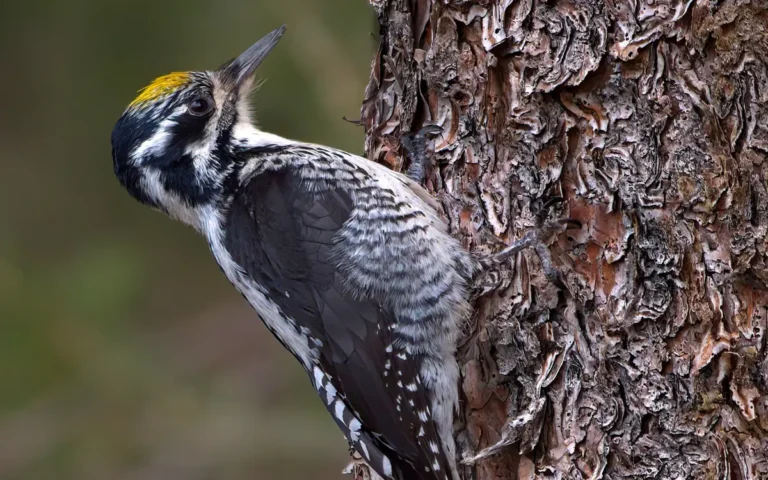
| Northern conifer forests | Boreal Chickadee, Canada Jay, Black-backed Woodpecker, crossbills, kinglets |
| Lakes and ponds | Common Loon, Mallard, Canada Goose, Belted Kingfisher, swallows |
| Rivers and wetlands | Great Blue Heron, Wood Duck, Red-winged Blackbird, Song Sparrow, kingfishers |
| Mountains and high elevations | Bicknell’s Thrush, Winter Wren, Dark-eyed Junco, ravens, warblers |
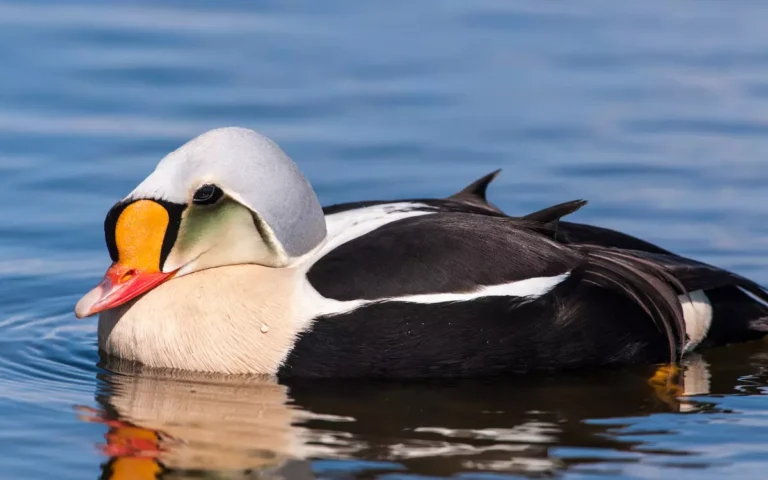
| Coast and estuaries | Herring Gull, Common Eider, cormorants, shorebirds, ducks |
| Winter feeder areas | Dark-eyed Junco, American Goldfinch, woodpeckers, chickadees, nuthatches |
Explore New Hampshire Bird Species Guides
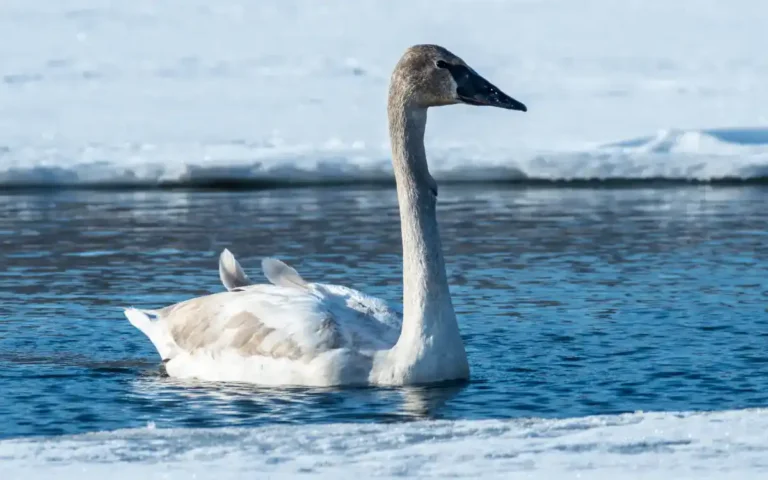
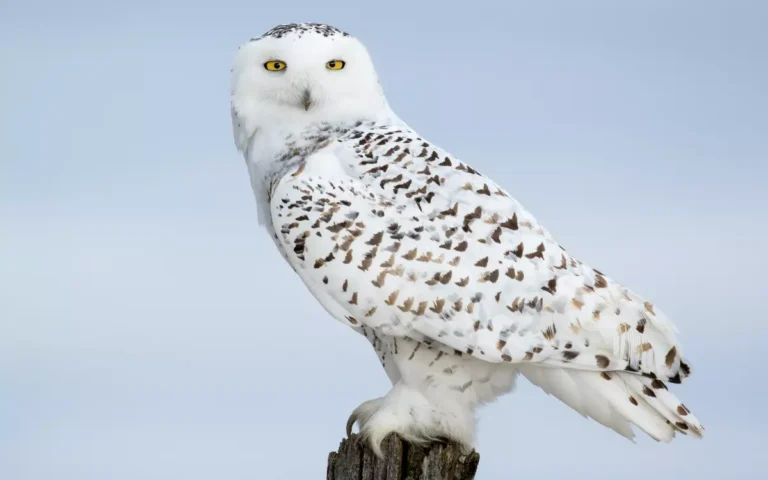
Use these New Hampshire guides when you want to learn more about a specific bird group.

Best Time to Watch Birds in New Hampshire
Birdwatching in New Hampshire changes a lot by season. Spring and summer are strong for songbirds and breeding activity, fall brings migration, and winter can be good for feeder birds, sea ducks, owls, and northern finches.
| Season | What to Look For |
| Spring | Warblers, vireos, thrushes, loons, nesting birds, returning migrants |
| Summer | Forest birds, mountain birds, lake birds, young birds, nesting activity |
| Fall | Migrating hawks, shorebirds, ducks, sparrows, warblers, finches |
| Winter | Chickadees, juncos, woodpeckers, sea ducks, gulls, owls, irruptive finches |
Spring
Spring is one of the best times to watch birds in New Hampshire. Birds return to forests, wetlands, lakes, backyards, and mountain habitats.
April and May can be especially good for migration, while June is strong for breeding birds in forests and higher elevations.
Summer
Summer is useful for woodland birding, lake birding, and mountain birding. Many birds are nesting, singing, and feeding young.
Early morning is best, especially on warm days. Forest trails, lake edges, and mountain paths can all be productive.
Fall
Fall migration brings birds moving south through New Hampshire. Hawks, sparrows, ducks, shorebirds, and songbirds may pass through at different times.
Coastal areas, lake edges, fields, and wooded trails can all be worth checking.
Winter
Winter birding in New Hampshire can be quiet but rewarding. Feeders may attract chickadees, nuthatches, woodpeckers, juncos, finches, and cardinals.
The coast can be useful for gulls, sea ducks, and other cold-season water birds. Some years also bring more northern finches depending on food conditions.
Best Bird Watching Spots in New Hampshire
New Hampshire has strong birding areas in forests, mountains, wetlands, lakes, and along the coast. These places are good starting points if you want to see more than backyard birds.
Great Bay National Wildlife Refuge
Great Bay National Wildlife Refuge is one of the best places in New Hampshire for coastal and estuary birding. It has salt marsh, mudflat, woodland, and bay habitat.
Look for waterfowl, shorebirds, gulls, herons, egrets, raptors, and migrating songbirds depending on season and tide.
Odiorne Point State Park
Odiorne Point State Park gives birders access to rocky coast, fields, woodland, and shoreline habitat.
It can be good for gulls, sea ducks, shorebirds, cormorants, raptors, and migrating landbirds. The coastal setting makes it especially useful during migration and winter.
Pondicherry Wildlife Refuge
Pondicherry Wildlife Refuge is a strong northern New Hampshire birding location. It has ponds, wetlands, forests, and mountain views.
Birders visit for water birds, boreal birds, warblers, flycatchers, woodpeckers, rails, and seasonal migrants.
White Mountain National Forest
White Mountain National Forest is one of the best areas for forest and mountain birds in New Hampshire.
Look for warblers, thrushes, vireos, chickadees, nuthatches, ravens, woodpeckers, and high-elevation species. Birding changes by elevation, so different trails can bring different birds.
Mount Washington Area
The Mount Washington region is useful for high-elevation birding. Some birds found here are tied to mountain forests and alpine-edge habitats.
Weather can change quickly, so plan carefully. Early morning visits in suitable conditions can be rewarding.
Lake Umbagog National Wildlife Refuge
Lake Umbagog is a strong place for northern wetland and lake birding. It can be good for loons, waterfowl, warblers, flycatchers, raptors, and birds using marsh and forest edges.
It is a good destination for birders who want a quieter northern experience.
Backyard Birding Tips for New Hampshire
Backyard birding in New Hampshire can be very active, especially when yards have trees, shrubs, water, feeders, and safe cover.
| What to Add | Birds It May Attract |
| Black oil sunflower seeds | Chickadees, cardinals, finches, nuthatches, titmice |
| Suet | Woodpeckers, nuthatches, chickadees, wrens |
| Clean birdbath | Robins, cardinals, chickadees, finches, warblers |
| Native shrubs | Catbirds, robins, sparrows, waxwings, cardinals |
| Conifer cover | Chickadees, nuthatches, finches, owls, winter birds |
| Nest boxes | Eastern Bluebirds, wrens, chickadees, Tree Swallows |
In winter, keep feeders clean and place them near cover so small birds can move quickly to shrubs or trees. Fresh water can be useful when natural water is frozen.
Simple New Hampshire Bird Identification Tips
When you see a bird you do not know, avoid guessing by color alone. Light, season, age, and sex can all change how a bird looks.
Use these clues instead:
| Clue | What to Notice |
| Habitat | Backyard, northern forest, mountain, lake, wetland, coast, field |
| Size | Finch-sized, robin-sized, jay-sized, gull-sized, goose-sized, hawk-sized |
| Shape | Thick bill, thin bill, crest, long tail, long wings, rounded body |
| Behavior | Climbing, diving, soaring, flocking, ground-feeding, perching low |
| Sound | Song, call, drumming, chatter, whistle, harsh note |
| Season | Year-round, summer breeder, winter visitor, spring migrant, fall migrant |
| Elevation | Lowland, northern forest, mountain slope, high-elevation habitat |
In New Hampshire, habitat and season are very helpful. A bird at a winter feeder, a bird on a coastal rock, and a bird in a high mountain forest may come from very different groups.
New Hampshire Birding Ethics and Local Resources
New Hampshire has sensitive mountain habitats, wetlands, lake nesting areas, coastal stopovers, and forest breeding zones. Good birdwatching should protect birds and keep outdoor spaces enjoyable for everyone.
Good birding habits:
- Keep distance from nests and young birds.
- Do not approach loons or nesting water birds too closely.
- Use bird calls or playback carefully.
- Stay on marked trails in fragile mountain areas.
- Respect private property and refuge rules.
- Keep dogs away from nesting or resting birds.
- Leave feathers, eggs, plants, and habitat where you find them.
- Prepare for fast weather changes in mountain regions.
For local learning, New Hampshire Audubon offers bird information, conservation updates, and state bird resources, including its State of the Birds project.
FAQs
What is the state bird of New Hampshire?
The state bird of New Hampshire is the Purple Finch. The official New Hampshire Almanac lists the Purple Finch as the state bird.
How many bird species are found in New Hampshire?
Avibase lists 432 bird species for New Hampshire. New Hampshire Audubon also notes that roughly 190 bird species breed in the state.
What birds are common in New Hampshire backyards?
Common New Hampshire backyard birds include Black-capped Chickadees, Northern Cardinals, Blue Jays, American Robins, White-breasted Nuthatches, Downy Woodpeckers, Mourning Doves, American Goldfinches, and Dark-eyed Juncos.
When is the best time to go birdwatching in New Hampshire?
Spring and early summer are excellent for songbirds, nesting birds, loons, and forest birding. Fall is good for migration, while winter can be useful for feeder birds, sea ducks, gulls, owls, and northern finches.
Are Bald Eagles found in New Hampshire?
Yes, Bald Eagles are found in New Hampshire, especially near large lakes, rivers, and open water areas. They may be seen in different seasons depending on location and food availability.
What birds come to feeders in New Hampshire?
New Hampshire feeder birds may include Black-capped Chickadees, Northern Cardinals, White-breasted Nuthatches, Tufted Titmice, American Goldfinches, Downy Woodpeckers, Hairy Woodpeckers, Dark-eyed Juncos, and sometimes Purple Finches.
Where should beginners watch birds in New Hampshire?
Beginners can start in backyards, local parks, pond edges, lake shores, forest trails, and coastal sites. Great Bay, Odiorne Point, Pondicherry Wildlife Refuge, White Mountain National Forest, and local Audubon areas are good places to explore.