The Toco Toucan (Ramphastos toco) is an iconic bird known for its vibrant colors, unique features, and fascinating behaviors. Native to South America, these birds captivate bird enthusiasts and researchers alike.
Below are some quick facts that highlight their most intriguing qualities, followed by a detailed exploration of their life cycle, habitat, diet, and more.
8 Fascinating Facts About Toco Toucans
- Largest Toucan: The Toco Toucan is the largest species in the toucan family, measuring 22–26 inches in length.
- Colorful Beak: Its vibrant orange-yellow beak accounts for nearly one-third of its body length and helps with thermoregulation.
- Lightweight Beak: Despite its size, the beak is incredibly light, made of keratin with a hollow structure.
- Omnivorous Diet: They eat fruits, insects, small reptiles, eggs, and even chicks of other birds.
- Seed Dispersers: Their fruit-based diet makes them vital for forest regeneration as seed dispersers.
- Social Creatures: Toco Toucans are highly social and often live in small groups or pairs.
- Vocal Birds: They communicate with croaking calls and bill clattering sounds.
- Not Strong Fliers: They rely more on hopping between branches than sustained flight.
Physical Description of the Toco Toucan
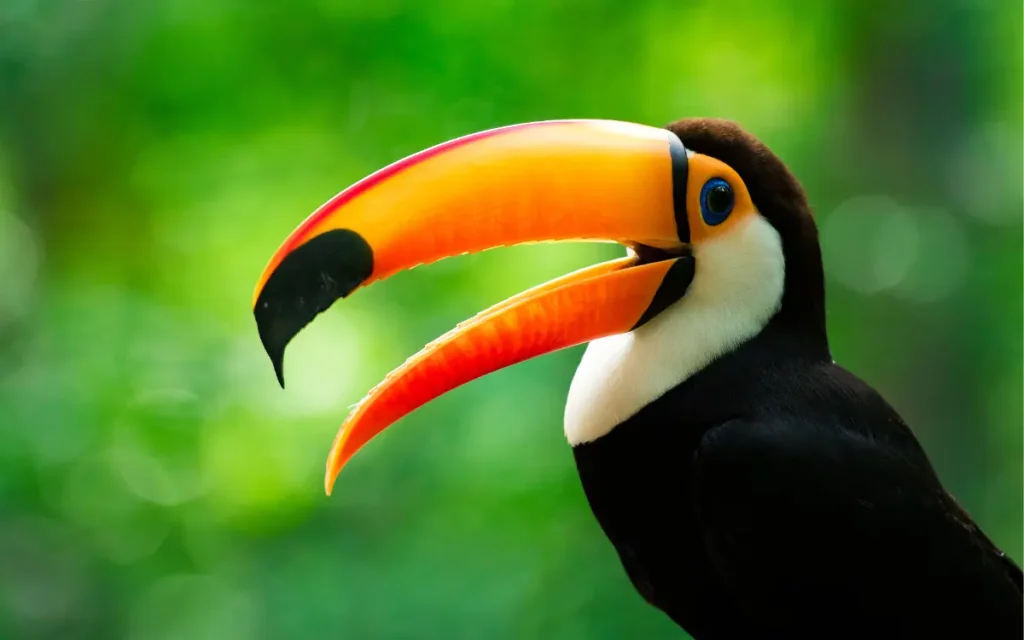
The Toco Toucan is the largest species in the toucan family. It measures around 22–26 inches in length and weighs approximately 20 ounces. One-third of its body length is attributed to its strikingly large, orange-yellow beak, which is lightweight yet strong, made of keratin. Its black plumage contrasts beautifully with its white throat and blue eye-rings, making it a visual marvel.
Life Cycle of a Toco Toucan
The Toco Toucan’s life begins as an egg. Females typically lay 2–4 eggs in tree cavities, often reusing holes created by woodpeckers. Both parents incubate the eggs for about 16–18 days. Hatchlings are born blind and featherless, relying entirely on their parents for food and protection. They fledge after 6–9 weeks, gradually learning to forage and adapt to their environment.
Toco Toucan Habitat
Toco Toucans thrive in tropical and subtropical environments. They inhabit rainforests, savannas, and open woodlands across South America, including Brazil, Paraguay, northern Argentina, and Bolivia. Unlike other toucan species, they are often found in lowland areas rather than dense forests.
What Does a Toco Toucan Eat?
The Toco Toucan’s diet is primarily frugivorous, consisting of a variety of fruits such as papaya, figs, and guava. However, they are opportunistic feeders and also consume:
- Insects
- Small reptiles
- Eggs and chicks of other birds This omnivorous diet not only sustains them but also contributes to seed dispersal, aiding forest regeneration.
How Long Do Toco Toucans Live?
In the wild, Toco Toucans have a lifespan of around 12–20 years, depending on environmental factors and predation risks. In captivity, with proper care, they can live up to 25 years.
Can Toucans Fly?
Yes, Toco Toucans can fly, but they are not strong fliers. Their flights are typically short and consist of rapid wing flapping followed by gliding. Instead, they are more adept at hopping between branches in trees.
Interesting Facts About Toucans
- Beak Facts: The Toco Toucan’s large beak helps with thermoregulation, allowing them to release heat to cool down.
- Tongue Features: Their tongue is long (about 6 inches) and fringed, aiding in manipulating food.
- Social Birds: They are often seen in small groups, communicating through croaking calls and bill clattering.
- Seed Dispersers: Their diet makes them vital for maintaining forest ecosystems.
- Cultural Icon: Toco Toucans are often used in advertisements and cartoons, symbolizing tropical biodiversity.
What Eats a Toucan?
Toco Toucans face predation from:
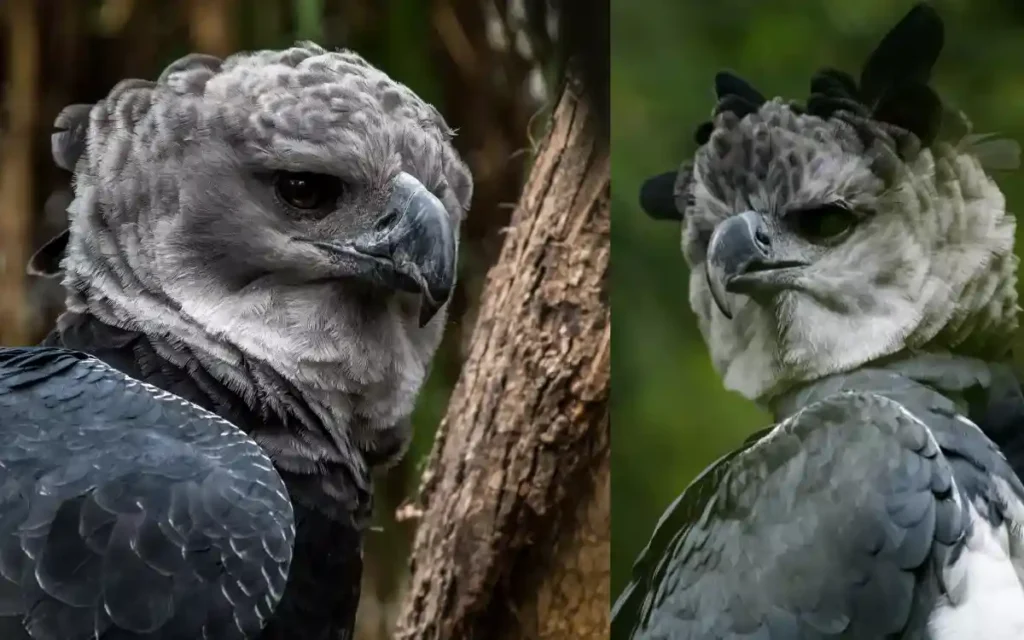
- Harpy Eagles
- Jaguars
- Large snakes Their nests are also vulnerable to smaller predators like monkeys and other birds.
Are Toco Toucans Endangered?
Currently, Toco Toucans are not considered endangered. However, they are affected by habitat loss due to deforestation and are sometimes captured for the illegal pet trade. Conservation efforts focus on protecting their natural habitats and raising awareness about their ecological importance.
Fun Facts About Toucans
- The beak of a toucan is as long as its body but is incredibly light.
- Despite their appearance, toucans are more closely related to woodpeckers than parrots.
- Baby toucans are called chicks, and they are born without their iconic beak size, which grows as they mature.
Related article: 15 Bird Similar To Toucan: Exploring Species
Why Are Toucans Important?
Toucans play a crucial role in their ecosystems as seed dispersers, ensuring the growth and sustainability of forests. Their presence indicates a healthy, thriving habitat.
Conclusion
The Toco Toucan is a fascinating bird with unique features and behaviors. From its bright beak to its role in the ecosystem, this bird symbolizes the beauty and complexity of nature. By protecting their habitats and raising awareness, we can ensure that future generations continue to marvel at these incredible creatures.