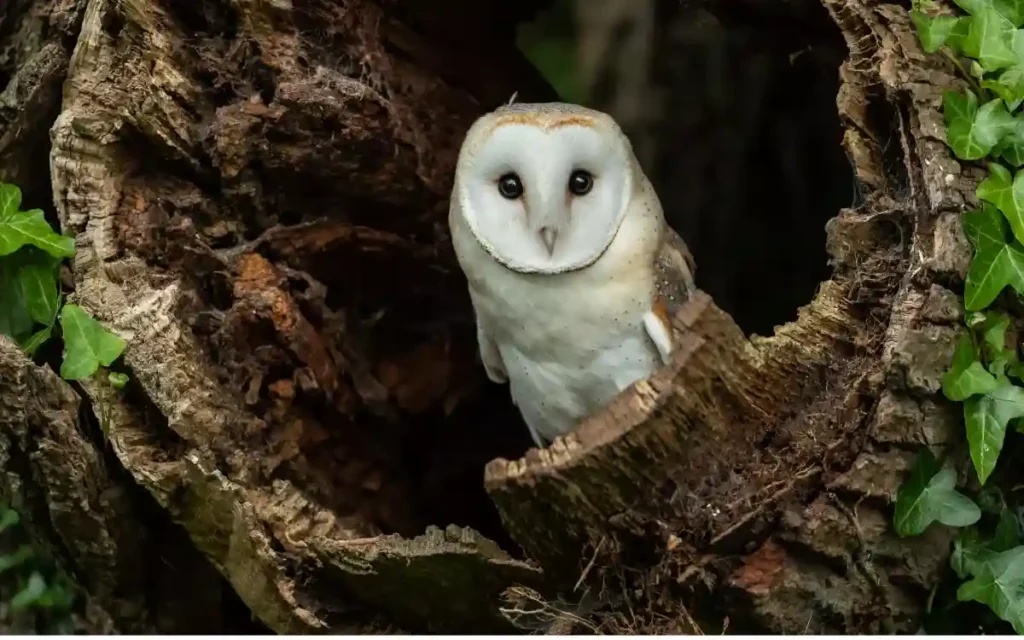
Birds of prey are some of the most impressive birds found in Connecticut, known for their sharp vision, powerful flight, and hunting skills. From soaring hawks over open fields to owls calling at night, these raptors play an important role in the state’s ecosystems. Many people are surprised to learn how many different birds of prey can be seen here throughout the year.
Connecticut is home to around 24 species of birds of prey, including hawks, eagles, falcons, owls, vultures, and ospreys. Some species live in the state year-round, while others appear only during winter or migration. Understanding which raptors occur in Connecticut helps birdwatchers know what to look for in each season and where these powerful birds are most likely to be found.
Birds of Prey in Connecticut
1. Bald Eagle
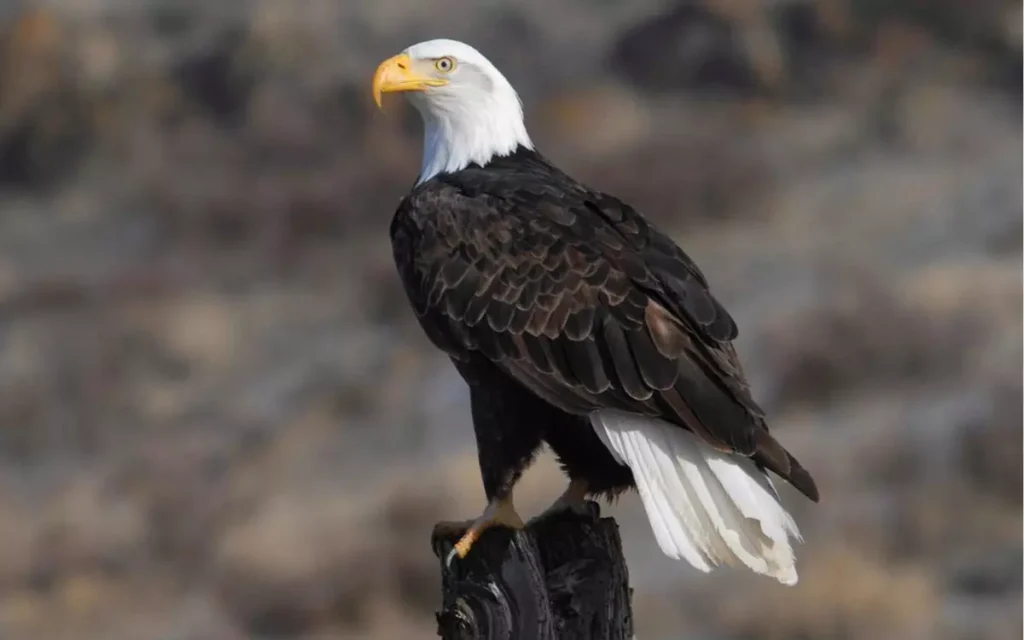
The Bald Eagle is one of the most recognizable birds of prey in Connecticut and a major conservation success story. Once rare, it is now seen regularly near large rivers, lakes, and coastal areas. Winter sightings increase as eagles gather near open water to hunt fish.
Quick facts
- Large dark body with white head and tail
- Seen year-round, most visible in winter
- Found near rivers, lakes, and coastlines
2. Golden Eagle
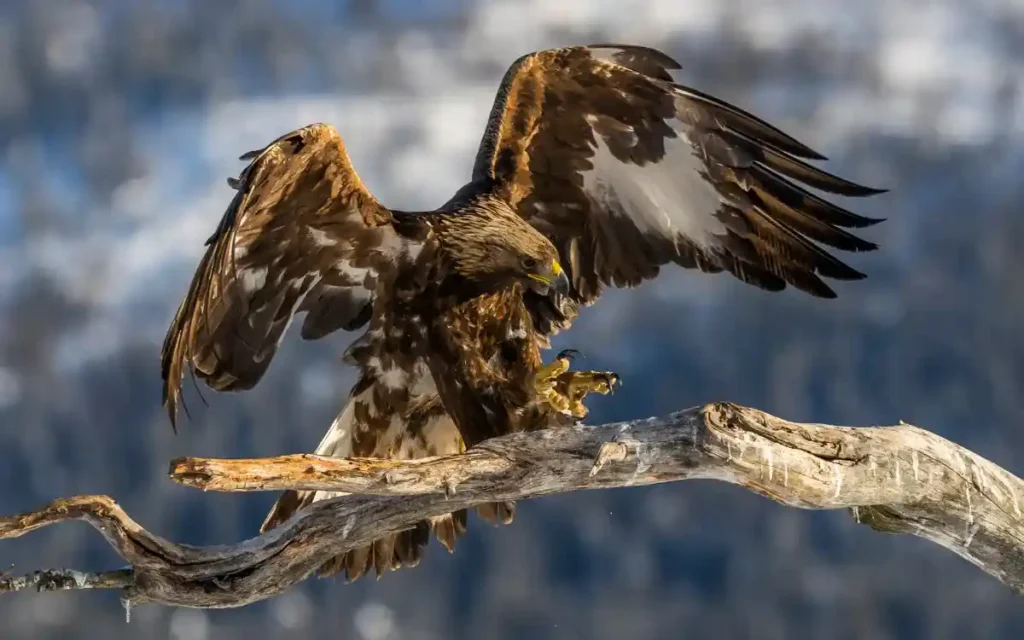
Golden Eagles are rare but powerful visitors to Connecticut, usually appearing during migration or winter. They prefer remote, open landscapes and are far less common than Bald Eagles, making any sighting notable.
Quick facts
- Very large raptor
- Rare migrant and winter visitor
- Prefers open, remote areas
3. Red-tailed Hawk
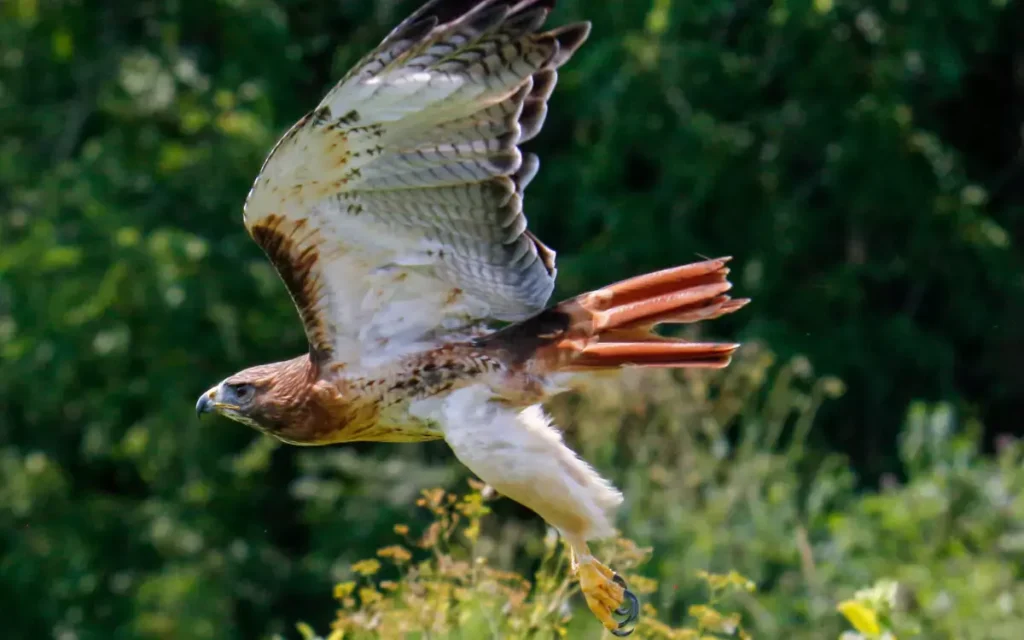
The Red-tailed Hawk is the most common hawk in Connecticut and can be seen throughout the year. In winter, they are often spotted perched along roadsides or soaring above open fields searching for prey.
Quick facts
- Broad wings and red tail
- Year-round resident
- Hunts small mammals
Read also: 14 Yellow Birds in Connecticut: Identification
4. Red-shouldered Hawk
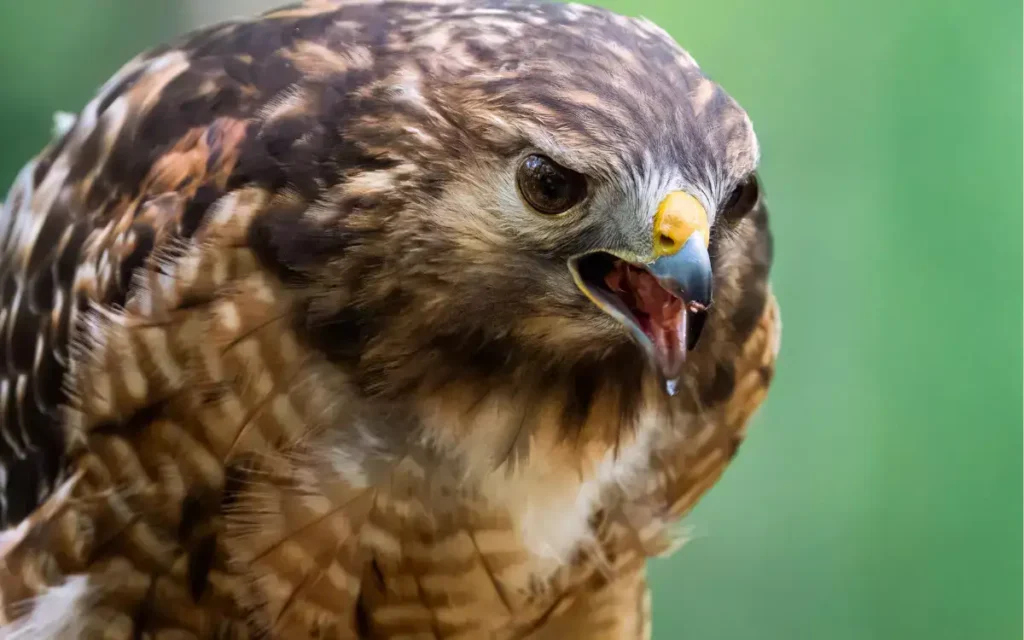
Red-shouldered Hawks favor wooded wetlands and forest edges. They remain in Connecticut year-round but are easier to see in winter when trees lose their leaves.
Quick facts
- Rust-colored chest
- Found near wetlands
- Loud, ringing calls
5. Cooper’s Hawk
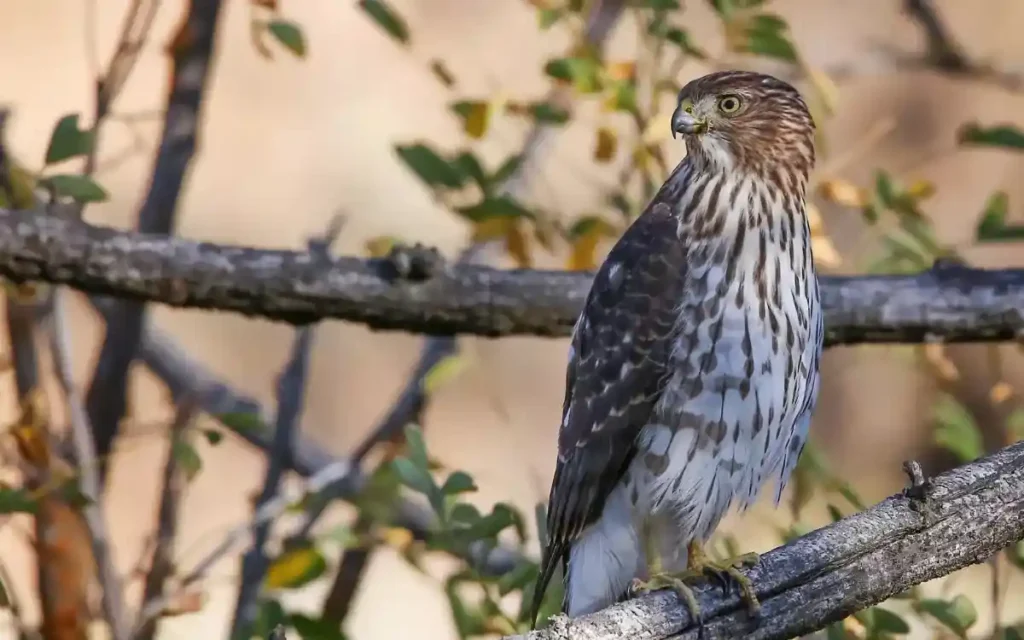
Cooper’s Hawks are agile predators commonly seen in wooded neighborhoods. During winter, they often hunt near bird feeders where smaller birds gather.
Quick facts
- Medium-sized hawk
- Hunts songbirds
- Common in residential areas
6. Sharp-shinned Hawk
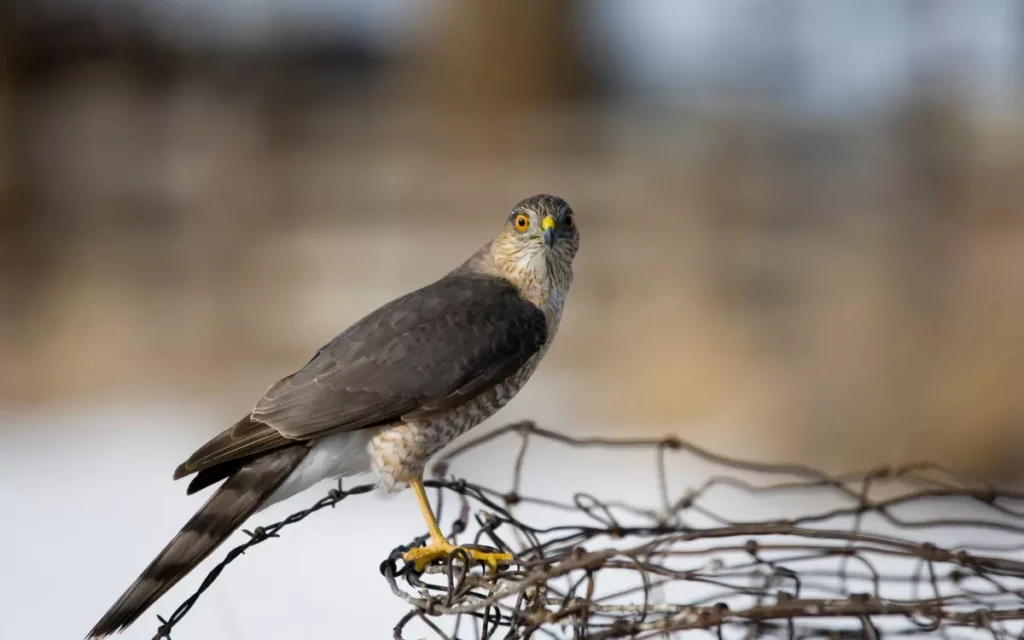
Sharp-shinned Hawks are small, fast hunters that rely on speed and surprise. They are especially noticeable in winter as they chase birds near feeders.
Quick facts
- Small, slim hawk
- Feeds on small birds
- Very quick flight
Read also: 10 Black Birds in Connecticut: Identification
7. Broad-winged Hawk
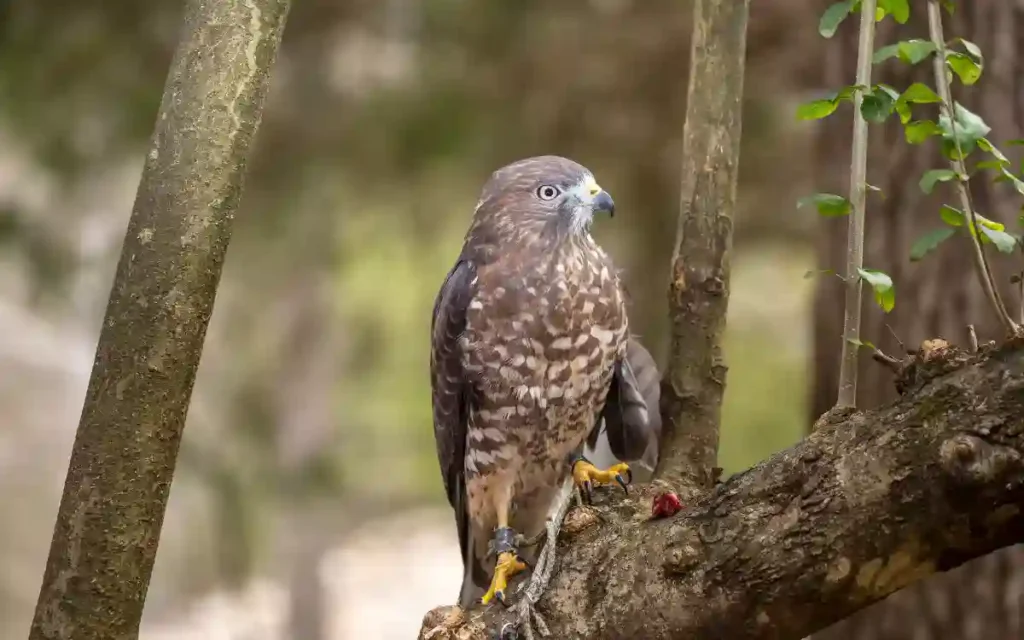
Broad-winged Hawks pass through Connecticut mainly during migration. They are rarely seen in winter and usually leave before cold weather sets in.
Quick facts
- Compact wings and tail
- Common migrant
- Rare in winter
8. Northern Harrier
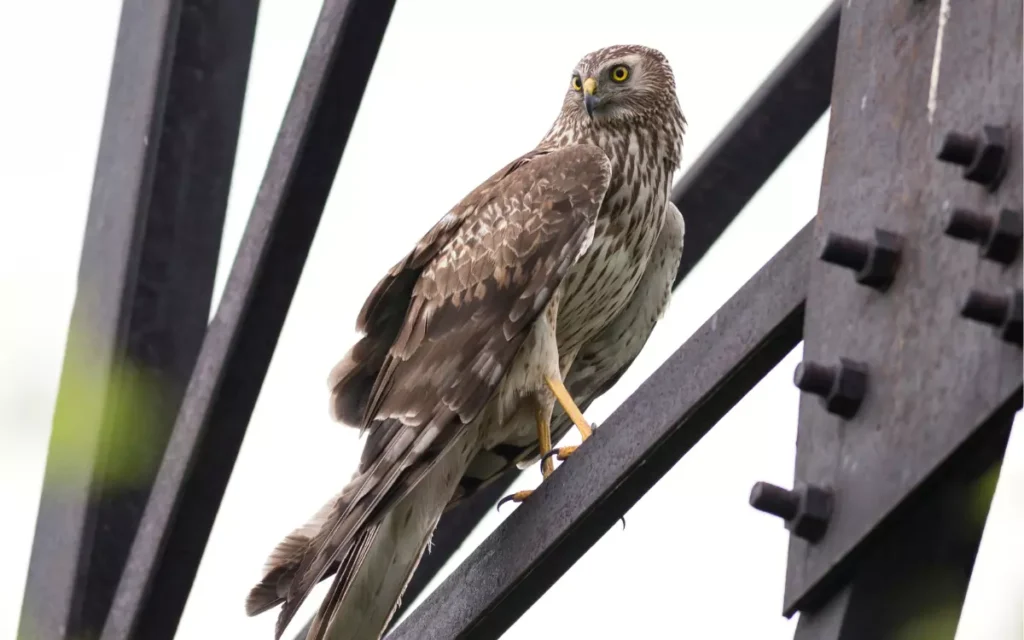
Northern Harriers are easily recognized by their low, gliding flight over open fields and marshes. They are reliable winter birds in Connecticut.
Quick facts
- Long wings and tail
- Flies low over fields
- Hunts small mammals
9. Rough-legged Hawk
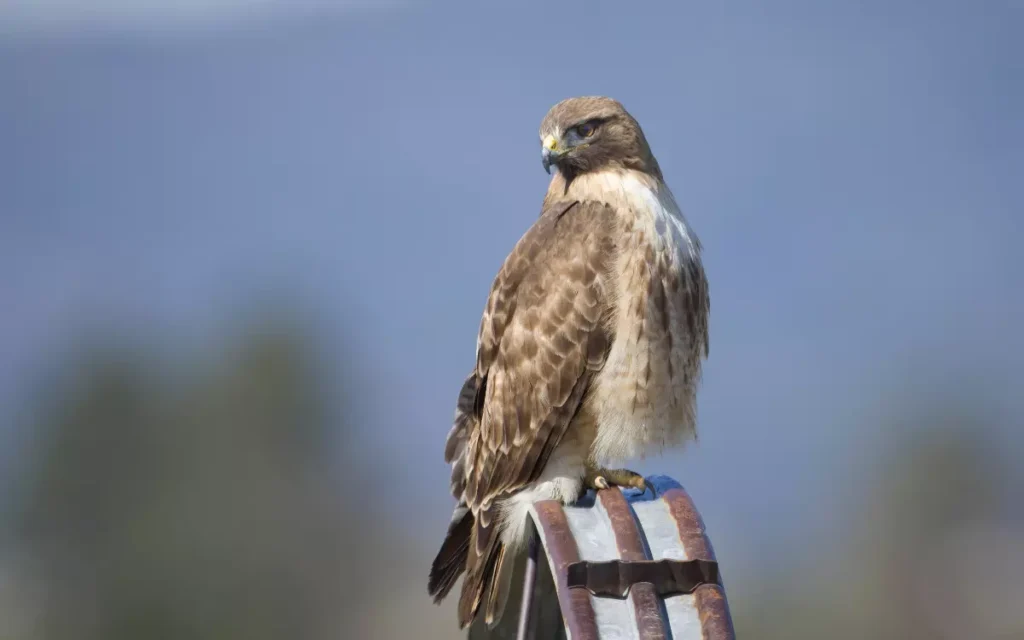
Rough-legged Hawks migrate south from the Arctic and are seen in Connecticut during winter. They prefer open landscapes and are known for hovering while hunting.
Quick facts
- Feathered legs
- Winter visitor
- Found in open fields
10. Swainson’s Hawk
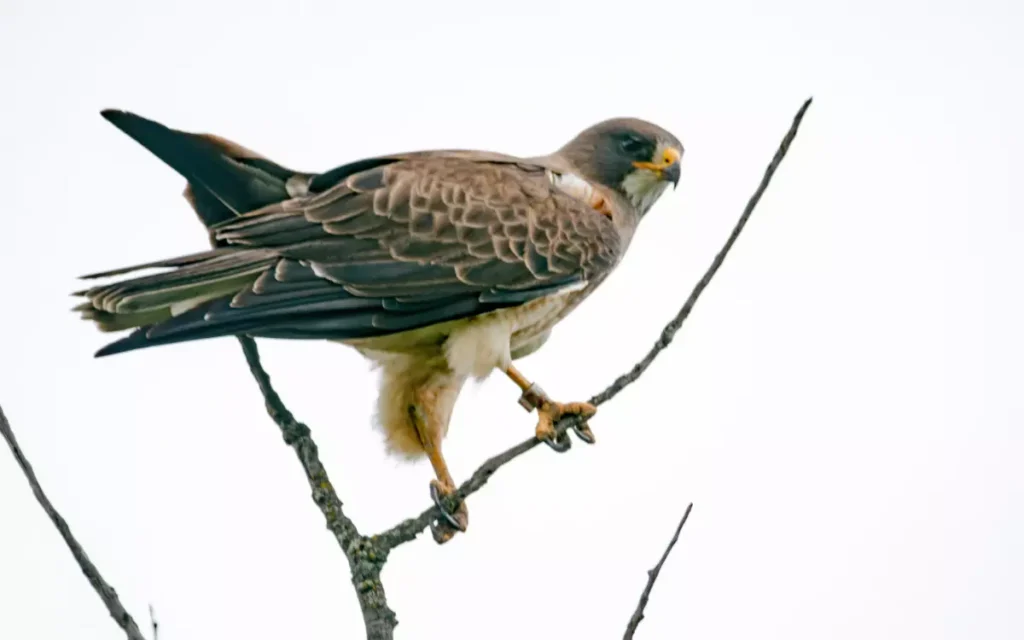
Swainson’s Hawks are extremely rare in Connecticut and usually appear only during migration. Winter sightings are uncommon and noteworthy.
Quick facts
- Large hawk
- Rare visitor
- Mostly migratory
11. Peregrine Falcon
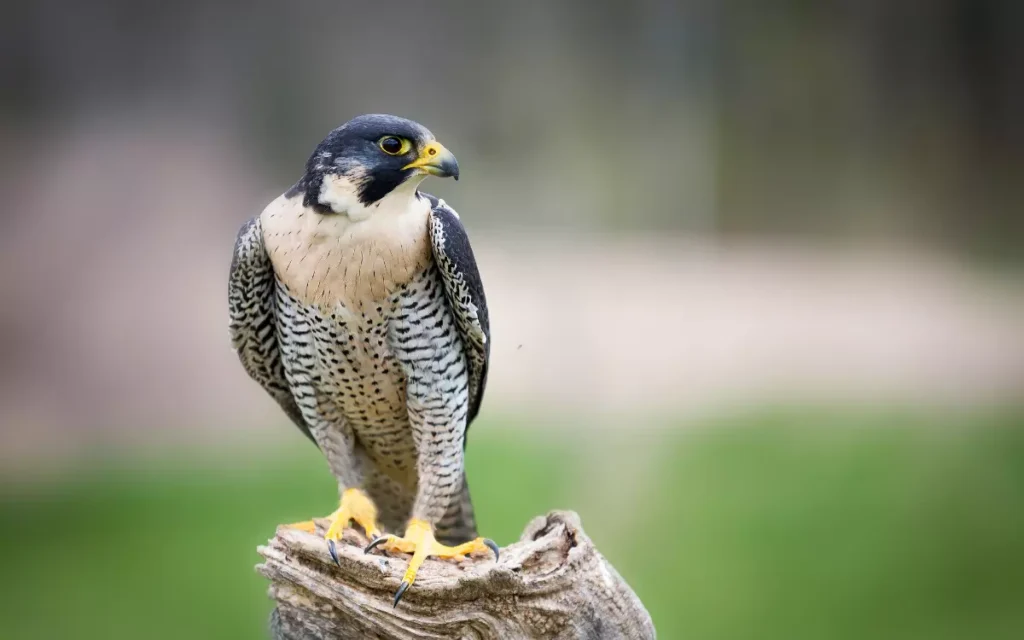
Peregrine Falcons are powerful hunters found year-round in Connecticut. They are often seen near cities, cliffs, and coastlines where they hunt birds in flight.
Quick facts
- Fastest bird in the world
- Year-round resident
- Hunts other birds
12. American Kestrel
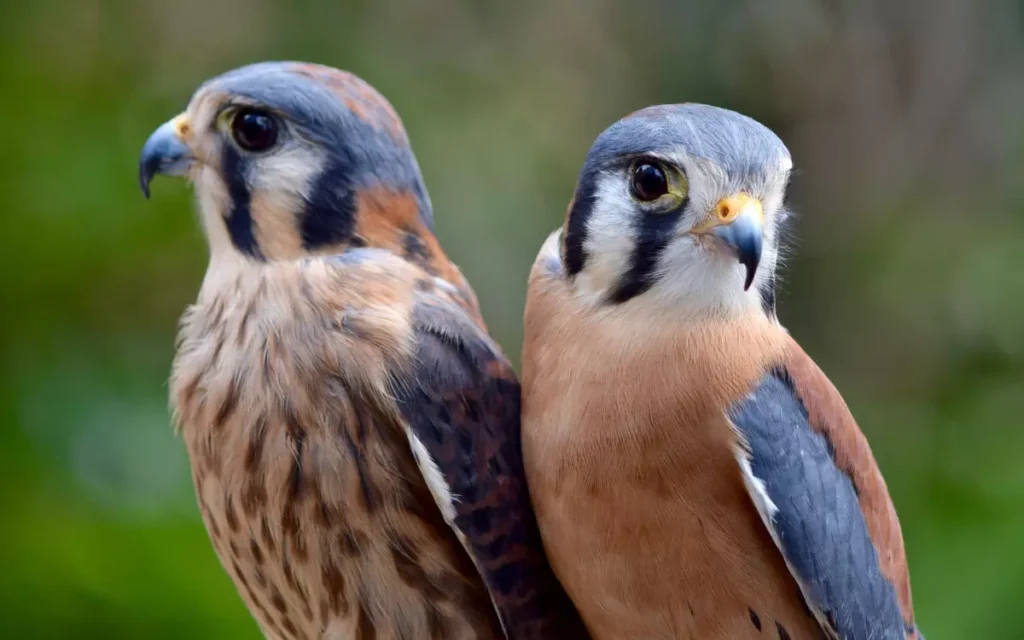
American Kestrels are the smallest falcons in Connecticut. They are often seen perched on wires or hovering over open fields, though winter numbers are lower.
Quick facts
- Small falcon
- Hovers while hunting
- Feeds on insects and rodents
13. Merlin
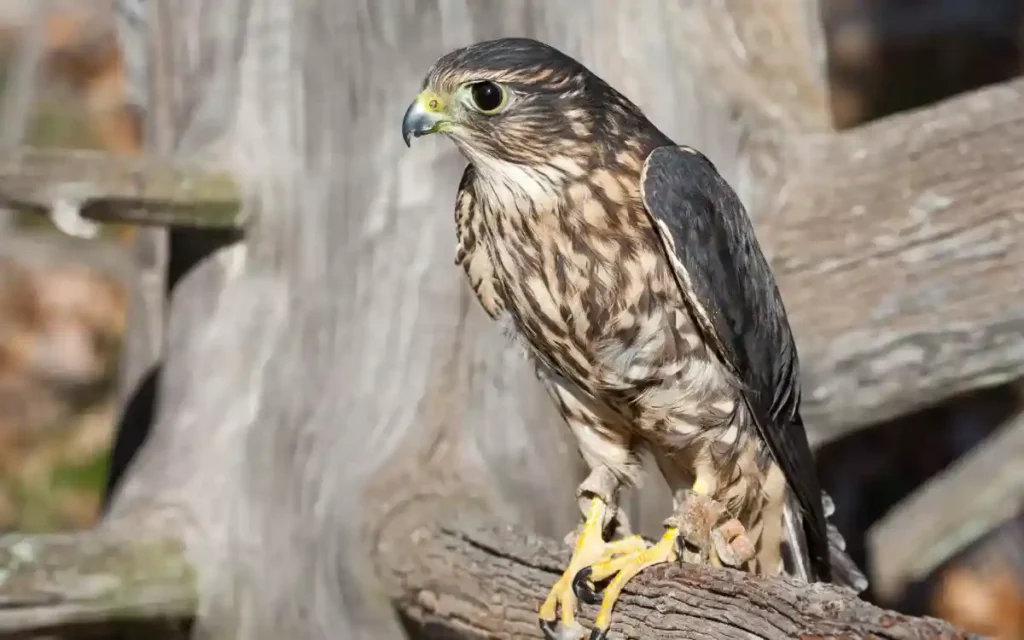
Merlins are compact falcons that appear more frequently in winter and during migration. They hunt small birds and are known for fast, direct flight.
Quick facts
- Small, powerful falcon
- Winter visitor
- Very fast hunter
14. Gyrfalcon
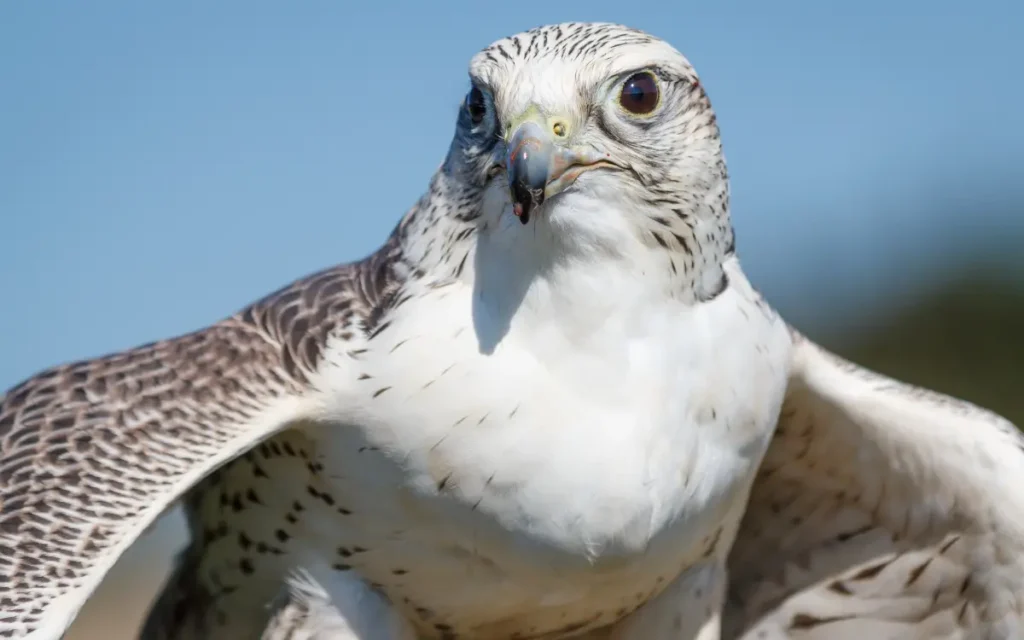
Gyrfalcons are extremely rare winter visitors to Connecticut. Most sightings occur along the coast and attract attention from birdwatchers.
Quick facts
- Very large falcon
- Rare winter visitor
- Coastal sightings
15. Great Horned Owl
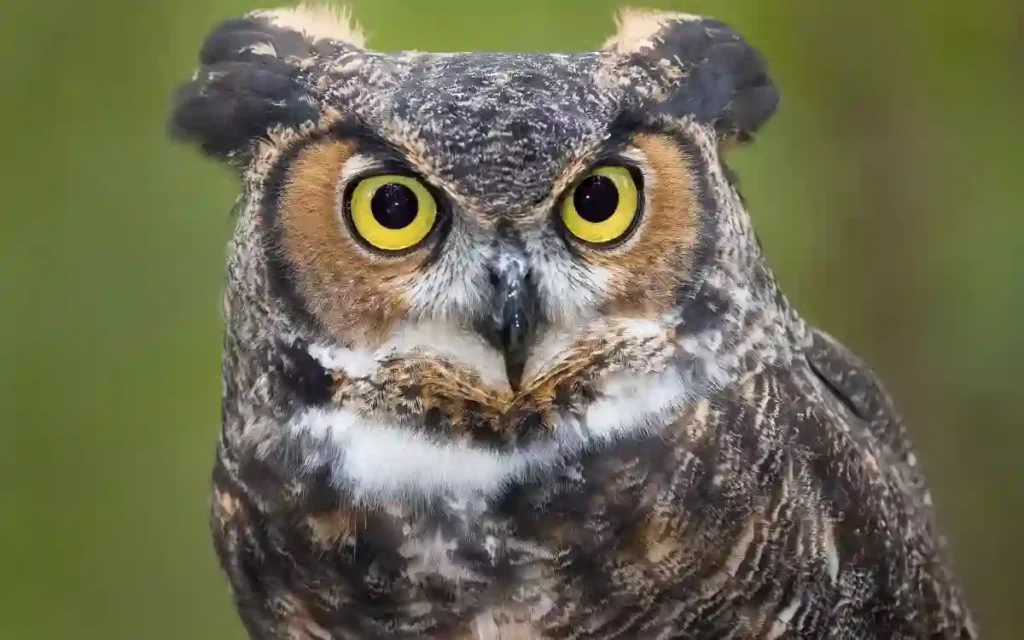
Great Horned Owls are large, powerful owls found year-round in Connecticut. They are often heard calling during winter nights while defending territories.
Quick facts
- Large owl with ear tufts
- Year-round resident
- Nocturnal hunter
16. Barred Owl
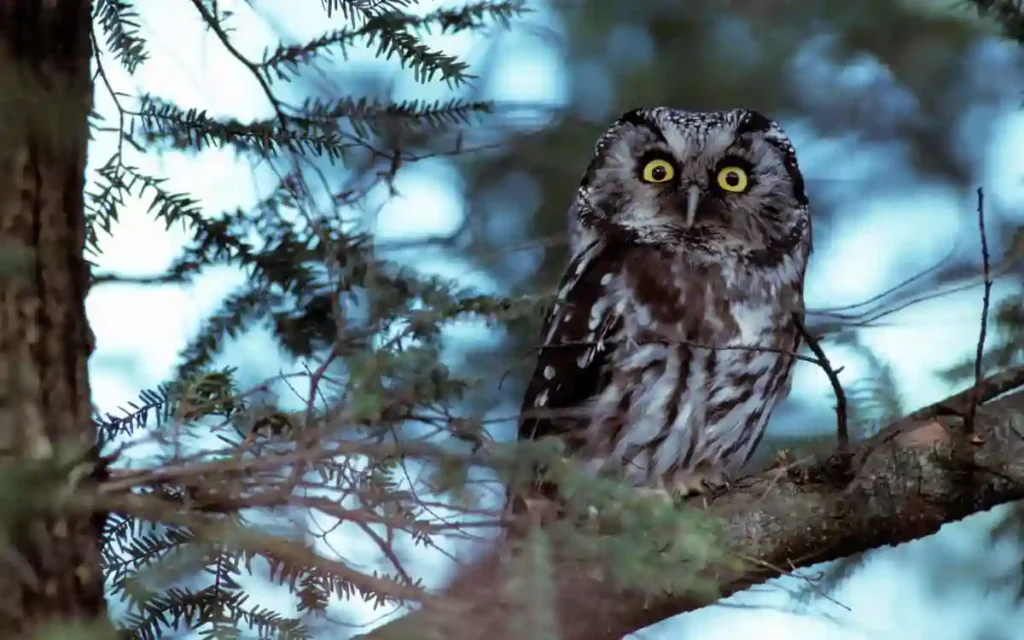
Barred Owls prefer mature forests and wetlands. They remain active throughout winter and are known for their distinctive nighttime calls.
Quick facts
- Brown and white barred pattern
- Forest-dwelling
- Active at night
17. Eastern Screech-Owl
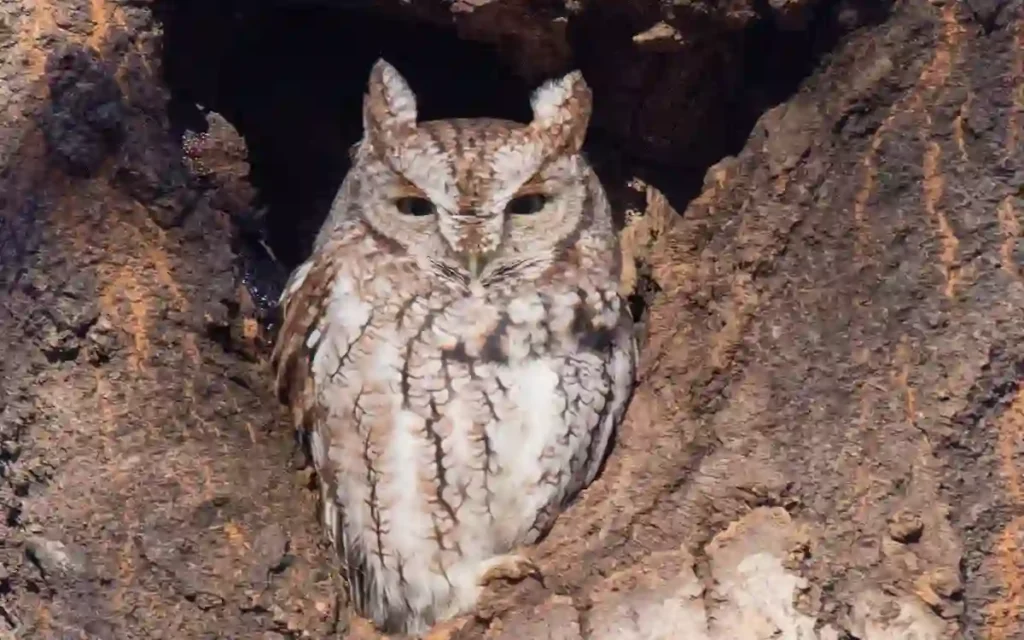
Eastern Screech-Owls are small but common owls that stay hidden during the day. They remain active through winter nights.
Quick facts
- Small owl
- Gray or reddish plumage
- Uses tree cavities
18. Snowy Owl
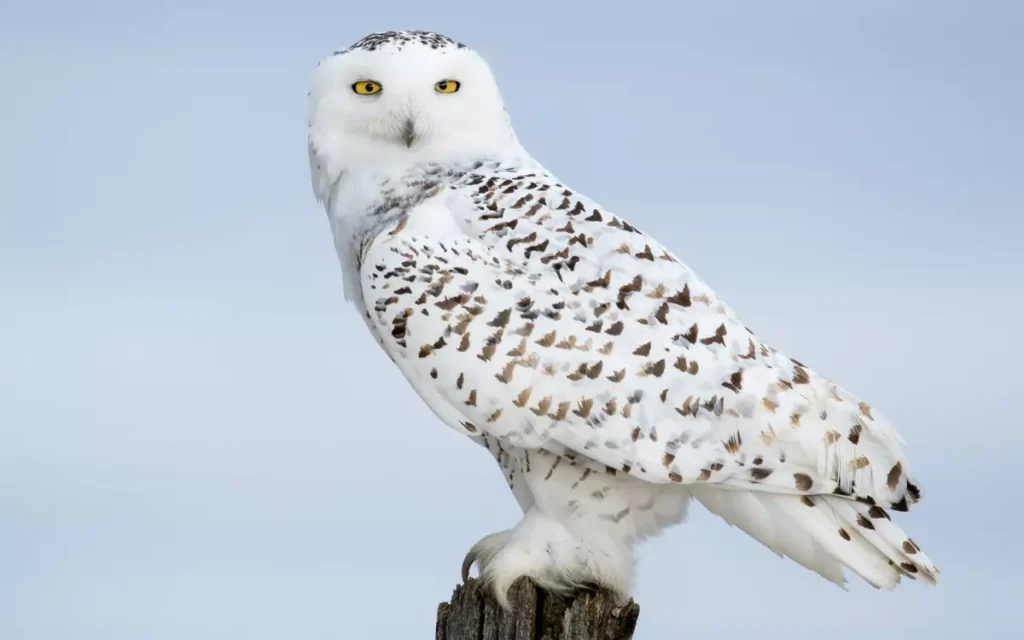
Snowy Owls are famous winter visitors that appear during certain years, especially along Connecticut’s coast. Their presence depends on food availability farther north.
Quick facts
- White plumage
- Winter visitor
- Open coastal areas
19. Short-eared Owl
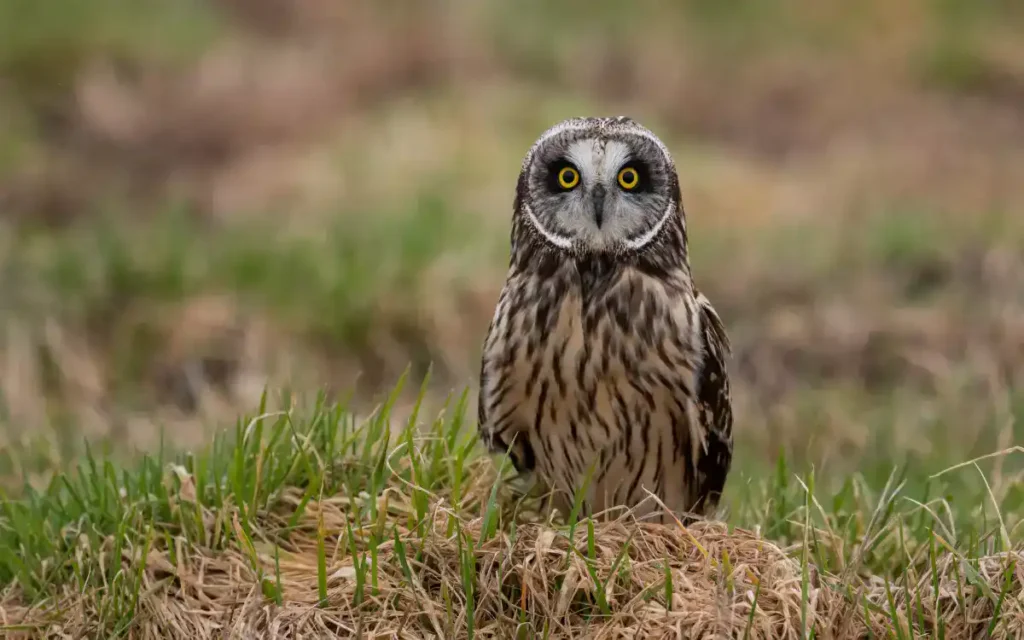
Short-eared Owls are winter birds found in grasslands and marshes. Unlike most owls, they are often active during daylight.
Quick facts
- Medium-sized owl
- Daytime activity
- Open habitats
20. Long-eared Owl
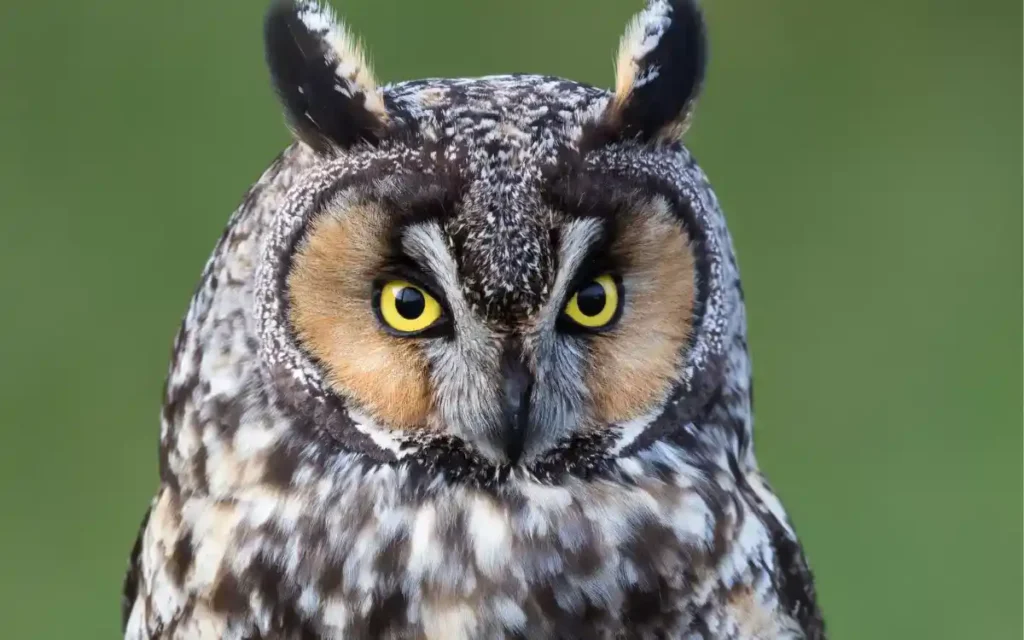
Long-eared Owls are secretive winter residents that roost quietly in dense vegetation, making them difficult to spot.
Quick facts
- Slender owl
- Nocturnal
- Hard to detect
21. Northern Saw-whet Owl
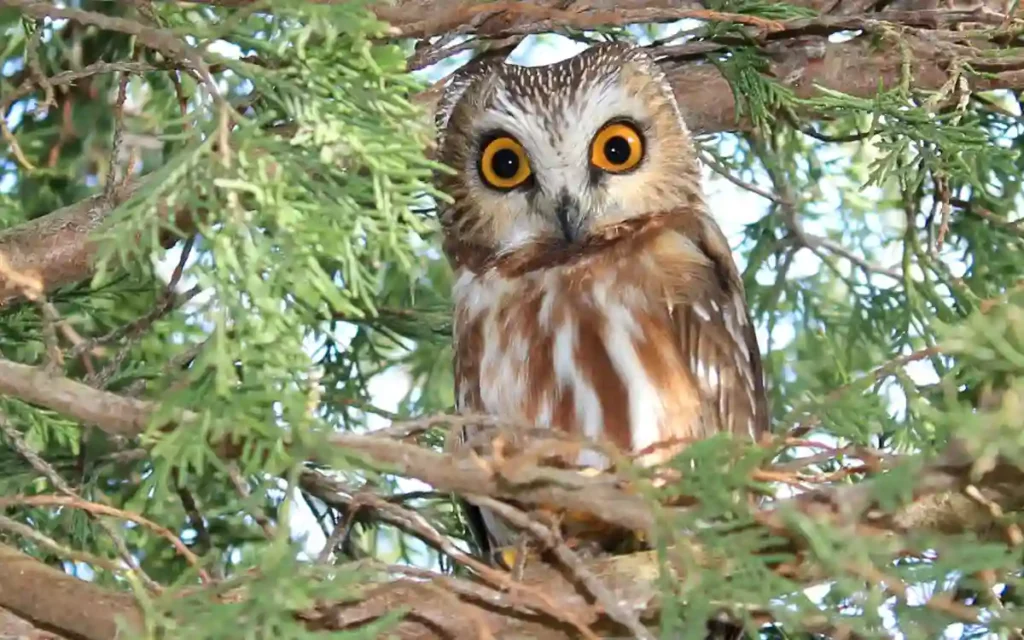
Northern Saw-whet Owls are tiny and elusive. They are more common during migration and winter but often go unnoticed.
Quick facts
- Very small owl
- Quiet behavior
- Forest habitats
22. Turkey Vulture
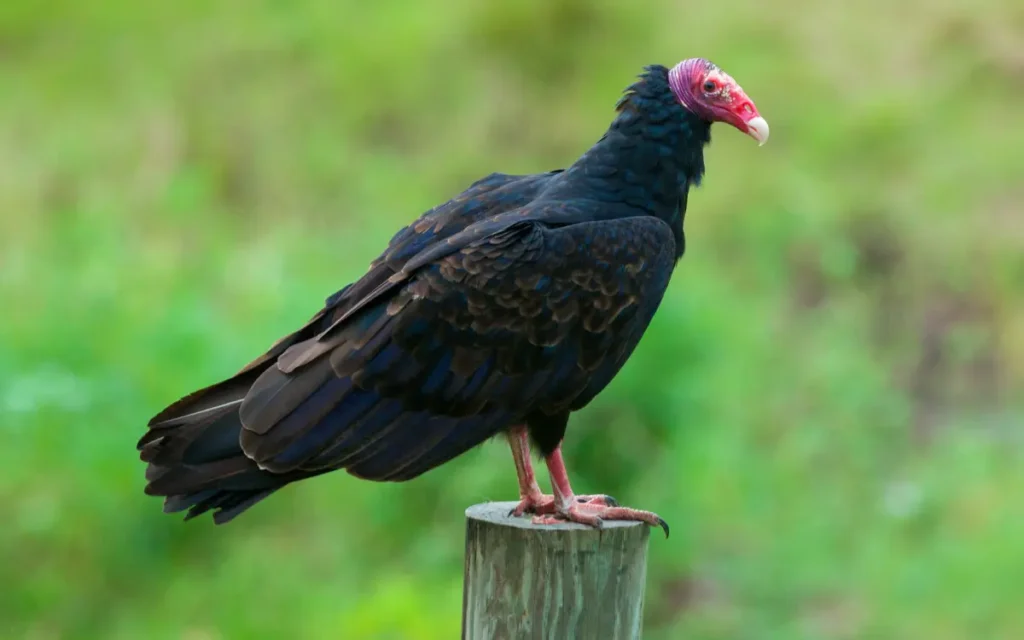
Turkey Vultures are increasingly seen year-round in Connecticut. They soar high while searching for carrion and help clean the environment.
Quick facts
- Large soaring bird
- Scavenger
- Expanding winter presence
23. Black Vulture
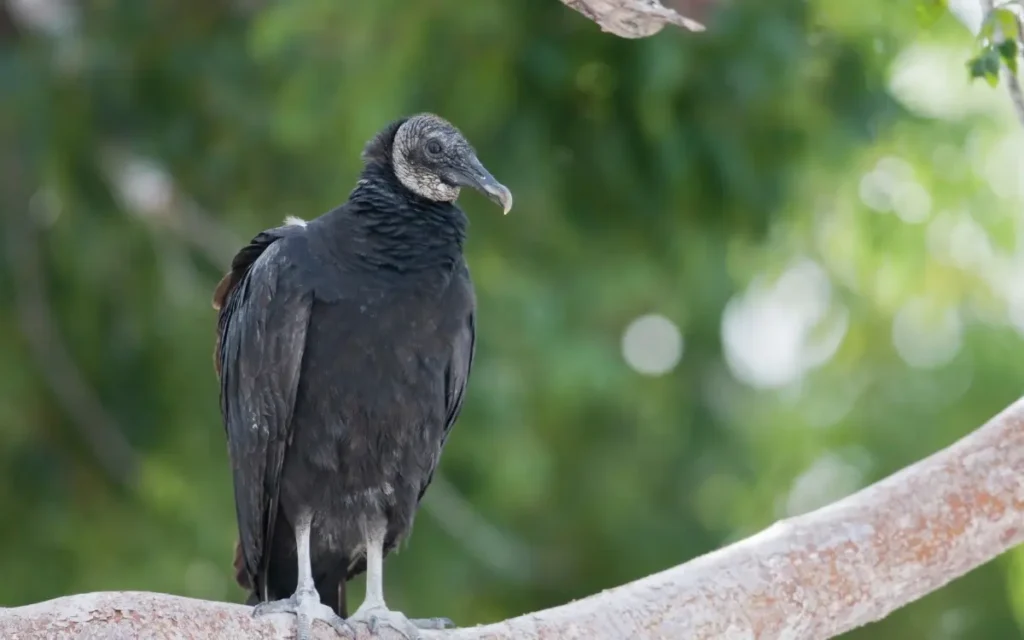
Black Vultures are less common than Turkey Vultures but are expanding northward. They are often seen in groups.
Quick facts
- Short tail
- Social scavenger
- Growing presence
24. Osprey
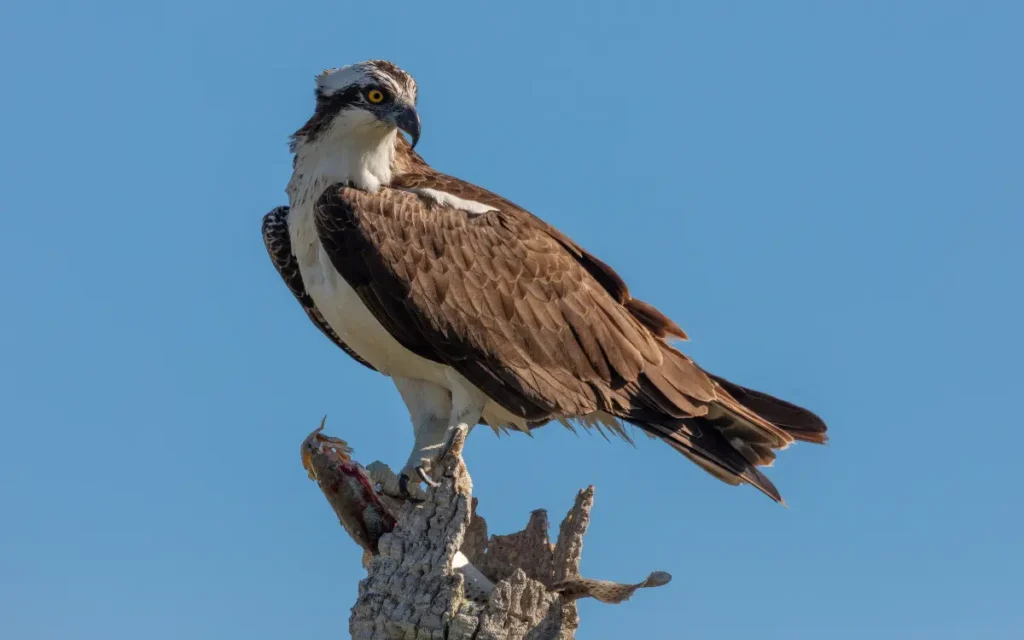
Ospreys are mostly present during spring and summer but may linger into early winter near open water. Full winter sightings are rare.
Quick facts
- Fish-eating raptor
- Mostly migratory
- Found near water
FAQ’s
How many birds of prey live in Connecticut?
Connecticut has around 24 species of birds of prey, including hawks, eagles, falcons, owls, vultures, and ospreys. Some species live in the state year-round, while others appear only during winter or migration seasons.
What is the most common bird of prey in Connecticut?
The Red-tailed Hawk is the most common bird of prey in Connecticut. It can be seen throughout the year, often perched along roadsides or soaring above open fields and farmland.
Are eagles found in Connecticut year-round?
Bald Eagles are now found in Connecticut year-round, with higher numbers seen in winter. Golden Eagles are much rarer and are usually seen only during migration or winter in remote areas.
What birds of prey are seen in Connecticut during winter?
Winter birds of prey in Connecticut include Red-tailed Hawks, Northern Harriers, Rough-legged Hawks, Snowy Owls, Peregrine Falcons, and Bald Eagles. Cold weather makes many of these raptors easier to spot as prey becomes more visible.
Where is the best place to see birds of prey in Connecticut?
Birds of prey are commonly seen near open fields, wetlands, coastlines, rivers, and forest edges. Coastal areas and open farmland are especially good spots during winter, while wooded areas are better for owls and woodland hawks.