Blue Jays are among the most familiar backyard birds in North America. Their bright blue feathers, bold personality, and loud calls make them hard to miss. While some people find them noisy or even pushy at feeders, many birdwatchers enjoy their intelligence, family bonds, and striking appearance.
In this guide, we’ll cover everything you need to know about Blue Jays what they look like, where they live, their behavior, symbolism, and how they compare to other birds. We’ll also link to detailed articles on specific Blue Jay topics so you can explore further.
Blue Jays Call:-
What Does a Blue Jay Look Like?
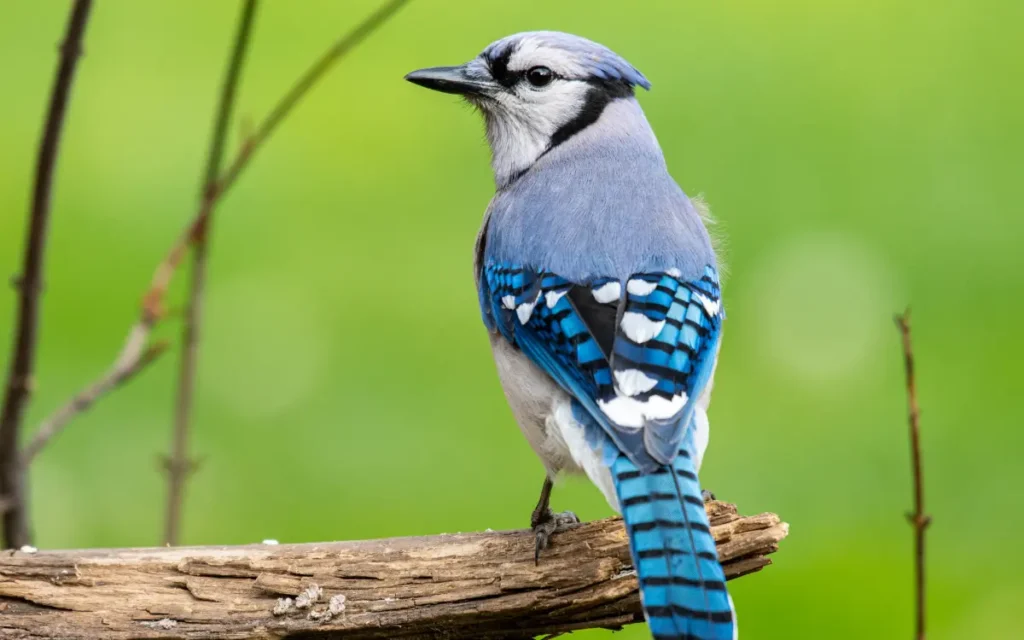
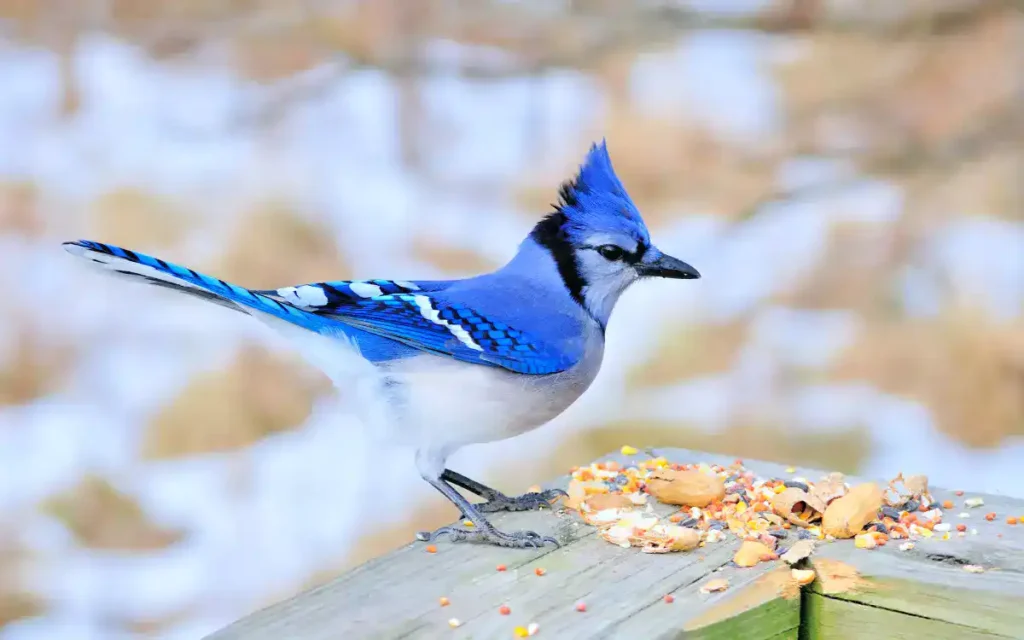
The Blue Jay is a medium-sized songbird with a prominent crest on its head, a black “necklace” across the throat, and a long tail with white edges. Its wings and tail show striking blue, white, and black patterns, while the underparts are soft gray.
Unlike many bird species, male and female Blue Jays look nearly identical. Juveniles may appear duller, with less vivid blue tones, but they gain the adult plumage within a few months.
Where Do Blue Jays Live?
Blue Jays are common across the eastern and central United States, stretching into southern Canada. They are often found in:
- Deciduous and mixed forests
- Suburban neighborhoods with large trees
- Parks and backyards with feeders
Not all Blue Jays migrate. Some populations stay in the same area year-round, while others move south in flocks during colder months. If you live in their range, chances are you’ll see them at some point during the year.
Blue Jay Behavior and Traits
Social Behavior
Blue Jays are highly social birds. You might see them traveling in small family groups or gathering in larger flocks during migration. They are known for their wide variety of calls—over 20 different vocalizations—including their ability to mimic hawks, which they sometimes use to scare other birds away from feeders.
Diet and Feeding
Their diet is varied and includes:
- Acorns and other nuts
- Seeds and grains
- Insects, caterpillars, and beetles
- Occasional bird eggs or nestlings
Blue Jays are famous for caching acorns in the ground, unintentionally helping oak forests spread.
Nesting and Breeding
They typically build their nests in the forks of trees using sticks, grass, and mud. The female lays 3–7 eggs, which are pale blue or greenish with brown spots. Both parents share responsibilities for raising the chicks.
Symbolism and Meaning of Blue Jays
Blue Jays often appear in stories and folklore. Many people associate them with clarity, truth, and communication because of their loud calls and strong presence. In some traditions, they symbolize loyalty and protection, as they fiercely defend their nests.
Seeing a Blue Jay can also carry personal meaning. Some believe it represents confidence, persistence, or a message to speak up. For a deeper look, read our dedicated guide on Blue Jay Spiritual Meaning.
How to Attract Blue Jays to Your Yard

Blue Jays are easy to attract if you provide the right food and setup. They prefer feeders that can handle larger seeds and nuts. Peanuts (shelled or unshelled) are especially effective. Sunflower seeds and suet also work well.
Other tips to bring them closer include:
- Planting oak trees or other nut-bearing species
- Providing a sturdy birdbath with fresh water
- Offering platform or tray feeders instead of small tube feeders
For a complete step-by-step guide, check our article: How to Attract Blue Jays.
Birds Similar to Blue Jays
Because of their blue coloring, many birds are mistaken for Blue Jays. Some common lookalikes include:
- Eastern Bluebird – Smaller, with an orange chest and no crest. See Blue Jay vs Bluebird.
- Northern Cardinal – Bright red with a crest, sometimes confused when females appear brownish with hints of blue nearby. See Blue Jay vs Cardinal.
- Scrub Jay – Found in the western U.S., lacking the Blue Jay’s black necklace. See Blue Jay vs Scrub Jay.
- Northern Mockingbird – Gray overall with flashes of white in the wings. See Blue Jay vs Mockingbird.
- American Robin – Rusty-orange chest with no crest. See Robin vs Blue Jay.
If you’d like a broader overview, visit our full guide on Birds Similar to Blue Jays.
Blue Jay Comparisons
Since Blue Jays are so common, birdwatchers often want to know how they compare to other familiar species. We’ve put together detailed side-by-side comparisons to make identification easier:
- Blue Jay vs Bluebird
- Blue Jay vs Cardinal
- Blue Jay vs Scrub Jay
- Blue Jay vs Mockingbird
- Robin vs Blue Jay
Each of these articles includes detailed differences in size, color, behavior, and range to help you quickly identify the bird at your feeder or on a walk.
Frequently Asked Questions
how long do blue jays live ?
Blue Jays generally live around 7 years in the wild, though some don’t survive that long because of predators, harsh weather, or accidents. In good conditions, especially with reliable food sources, they can live longer.
The oldest recorded wild Blue Jay (banded and tracked) lived to be about 17 years old. In captivity, with protection and steady food, they can sometimes live past 20 years, though this is rare.
Are Blue Jays aggressive?
They can be. Blue Jays are protective of their nests and may chase off other birds, including larger ones. At feeders, they sometimes dominate the space, but providing multiple feeding stations can reduce conflict.
Do Blue Jays migrate?
Some do, some don’t. Migration is irregular. You might see flocks moving south in fall, while others remain all year.
Can Blue Jays mimic sounds?
Yes. They are excellent mimics, often copying hawk calls and sometimes even human sounds.
Do Blue Jays recognize people?
There is evidence they can remember human faces, especially those who regularly feed them.
What does it mean when a Blue Jay visits you?
For some, it’s a simple joy of nature. For others, it carries symbolic meaning linked to clarity, protection, or encouragement to be more vocal.
Final Thoughts
Blue Jays are bold, intelligent, and beautiful birds that bring both energy and noise to backyards and forests. Whether you’re interested in their identification, symbolism, or how they compare to other species, there’s always more to learn about them.
For more on related birds, visit our guides on Types of Jays, Birds Similar to Blue Jays, and Blue Jay vs Cardinal.