13 Finches in Texas (Photo & ID Guide)
Texas has 13 birds in the finch family on its official state checklist. House Finches, Lesser Goldfinches, and American Goldfinches are the easiest to find. Pine Siskins and Purple Finches arrive mainly during winter, while crossbills appear when cone crops draw them south.
The list also includes several rare visitors. A Gray-crowned Rosy-Finch, Lawrence’s Goldfinch, Redpoll, or Pine Grosbeak would be an unusual Texas sighting that needs good photographs and location notes.
This guide follows the current Texas checklist, which places goldfinches, crossbills, siskins, redpolls, rosy-finches, and Evening Grosbeaks in the true finch family, Fringillidae.
1. House Finch
Scientific name: Haemorhous mexicanus
Texas status: Common year-round resident
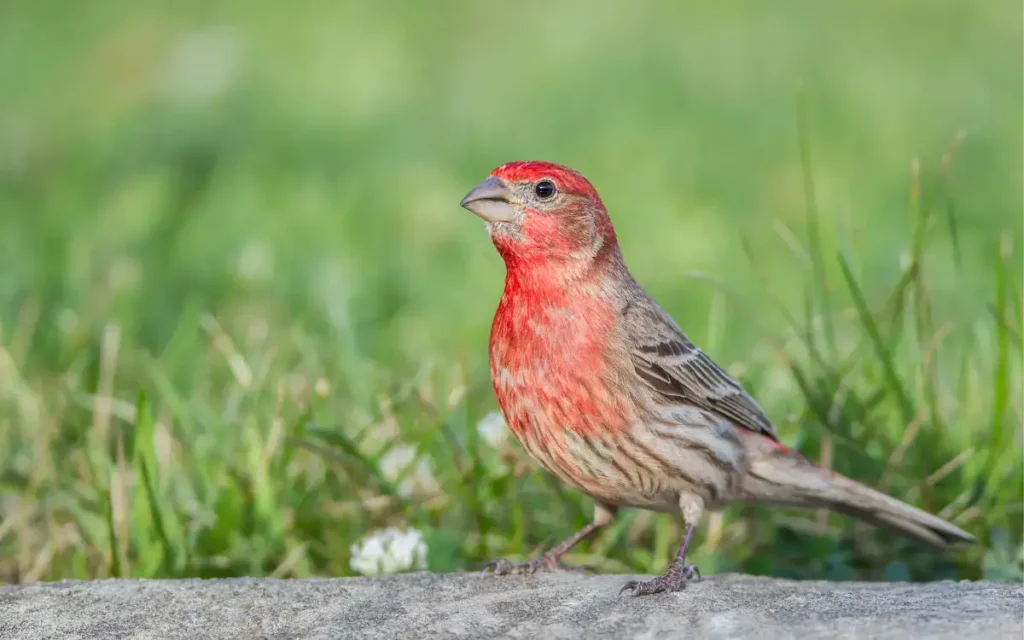
Easy ID: Red face and upper breast with a brown-streaked belly
Sound: Cheerful, jumbled warble ending in a rough note
The House Finch is the finch most Texans are likely to see around their homes. Adult males have red on the forehead, throat, and upper chest. The amount and shade of red vary; some males look orange or yellowish rather than bright red.
Females have no red plumage. They are gray-brown with blurry streaks across the chest and belly. Their faces look plain compared with female Purple Finches.
House Finches gather around towns, ranches, parks, parking lots, and backyard feeders. They eat sunflower seeds, millet, plant buds, berries, and small fruits.
These birds often nest on buildings. Hanging planters, porch lights, roof ledges, and sheltered signs may all provide nesting spots.
2. Purple Finch
Scientific name: Haemorhous purpureus
Texas status: Uncommon and irregular winter visitor
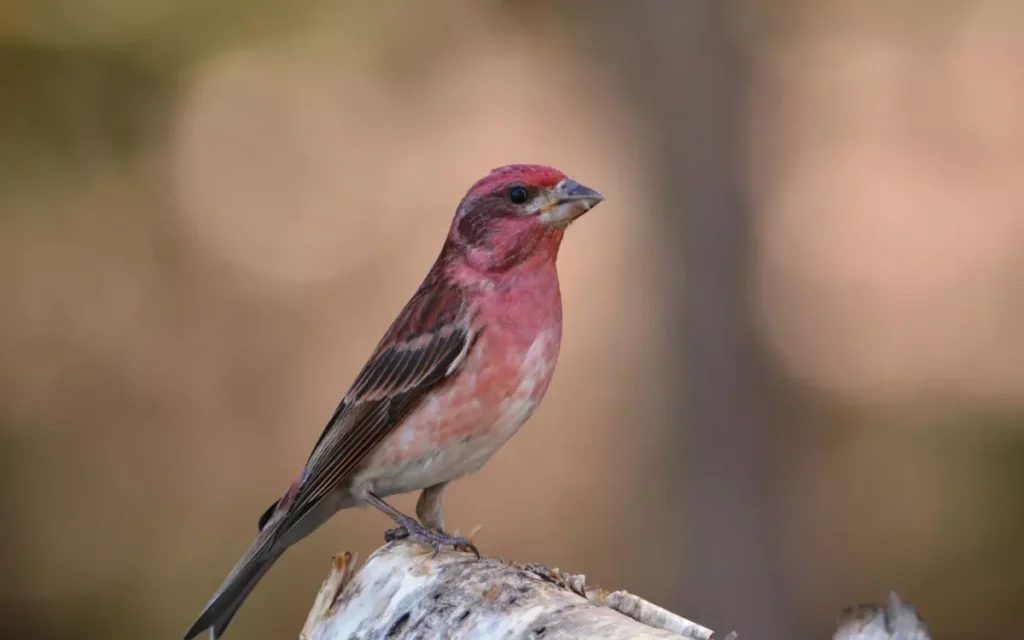
Easy ID: Male has a raspberry wash over the head, breast, and back
Sound: Rich, rising warble with short, sharp calls
Male Purple Finches look raspberry-red rather than purple. The color spreads across the head, upper chest, and back, giving them a more evenly washed appearance than male House Finches.
Females are brown and white with strong facial markings. Look for a pale eyebrow, dark cheek line, and sharply streaked underparts.
Most Texas sightings occur during winter in the eastern part of the state. They may visit sunflower feeders near mature woodland.
Purple Finches do not reach Texas in large numbers every year. A careful check of House Finch flocks is often the best way to find one.
House Finch vs Purple Finch
| Feature | House Finch | Purple Finch |
| Male color | Red mainly on face and chest | Raspberry wash extends onto back |
| Male belly | Strong brown streaking | Less heavily streaked |
| Female face | Plain | Bold eyebrow and cheek pattern |
| Bill | Smaller with a curved top | Straighter and heavier |
| Texas status | Common year-round | Irregular winter visitor |
3. American Goldfinch
Scientific name: Spinus tristis
Texas status: Common winter visitor
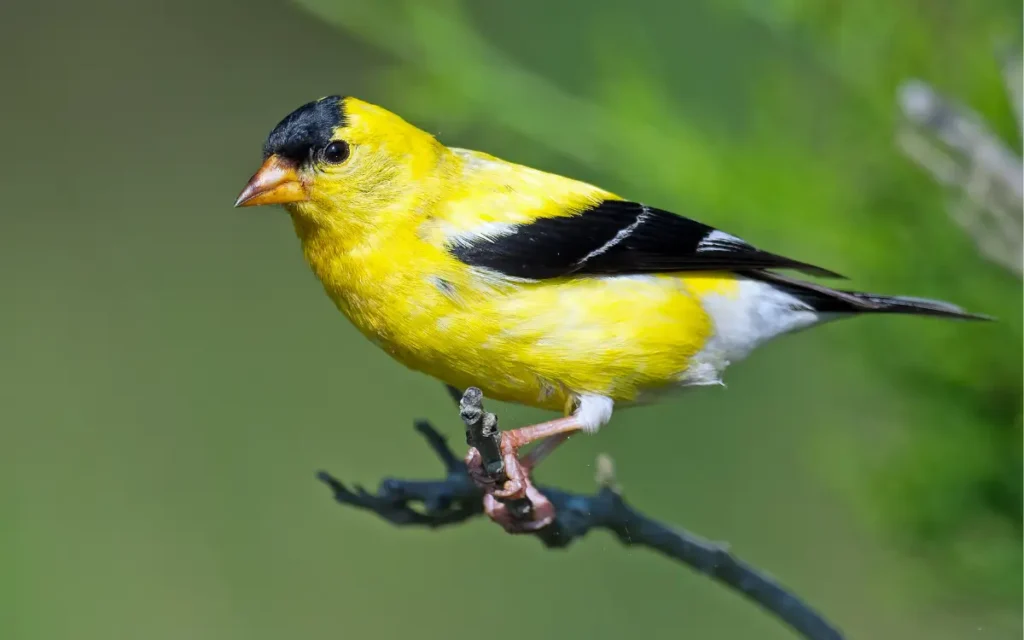
Easy ID: Black wings with white bars and a deeply notched tail
Sound: Bright flight call often written as “po-ta-to-chip”
American Goldfinches spend fall, winter, and early spring across much of Texas. Most leave before developing their brightest summer plumage.
Winter birds are brownish or olive-yellow with dark wings, pale wing bars, and a light underside. Males begin turning yellow during spring. A breeding male has a bright yellow body, black forehead, and black-and-white wings.
Their bouncing flight is a useful clue. The bird closes its wings between short groups of wingbeats, creating a rising-and-falling path.
American Goldfinches feed on thistle, sunflower, and other small seeds. They often travel in flocks and may crowd nyjer feeders during cold weather.
Lesser vs American Goldfinch
| Feature | Lesser Goldfinch | American Goldfinch |
| Size | Smaller | Slightly larger |
| Male back | Dark olive or blackish | Bright yellow |
| Wing patch | Large white patch | White wing bars |
| Tail markings | White near the base | White on outer tail feathers |
| Texas season | Often year-round | Mainly fall through spring |
| Flight call | Varied whistles and chatter | “Po-ta-to-chip” |
4. Lesser Goldfinch
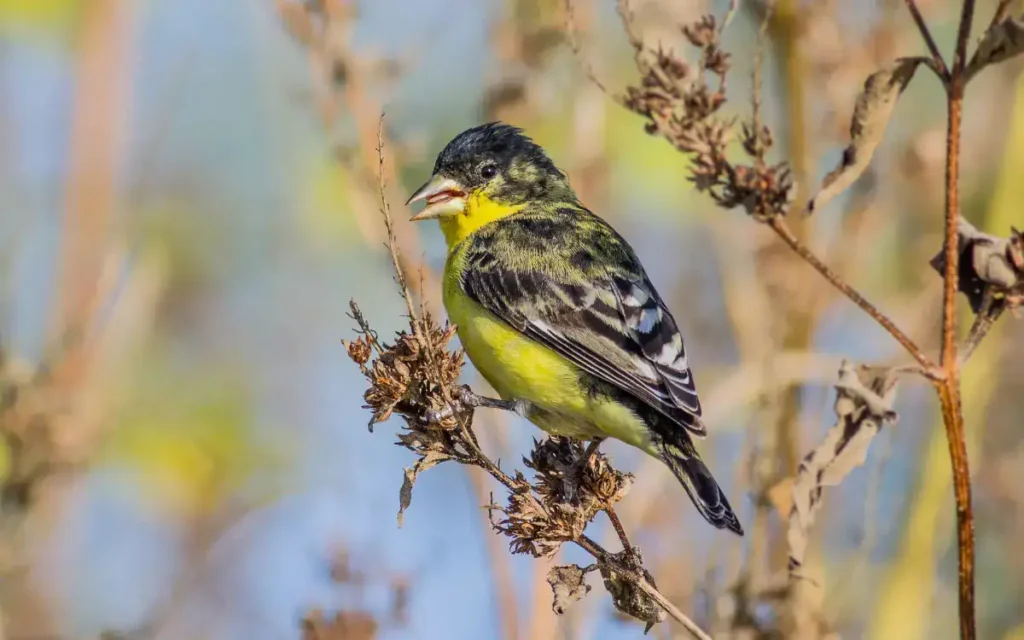
Scientific name: Spinus psaltria
Texas status: Year-round resident
Easy ID: Small yellow bird with dark wings and white wing patches
Sound: Fast series of whistles, chatters, and copied bird calls
Male Lesser Goldfinches have bright yellow underparts and dark wings marked with white. Males in much of Texas may have black caps and dark olive or blackish backs.
Females are duller. They have olive backs, yellowish underparts, dark wings, and two pale wing bars. They lack the male’s black cap.
This small finch is most common across Central, South, and West Texas. Look for it in brushy fields, gardens, open woodland, streamside trees, and weedy roadsides.
Lesser Goldfinches are drawn to sunflower and nyjer feeders. Away from feeders, they cling to thistles, sunflowers, and other seed-producing plants.
5.Pine Siskin
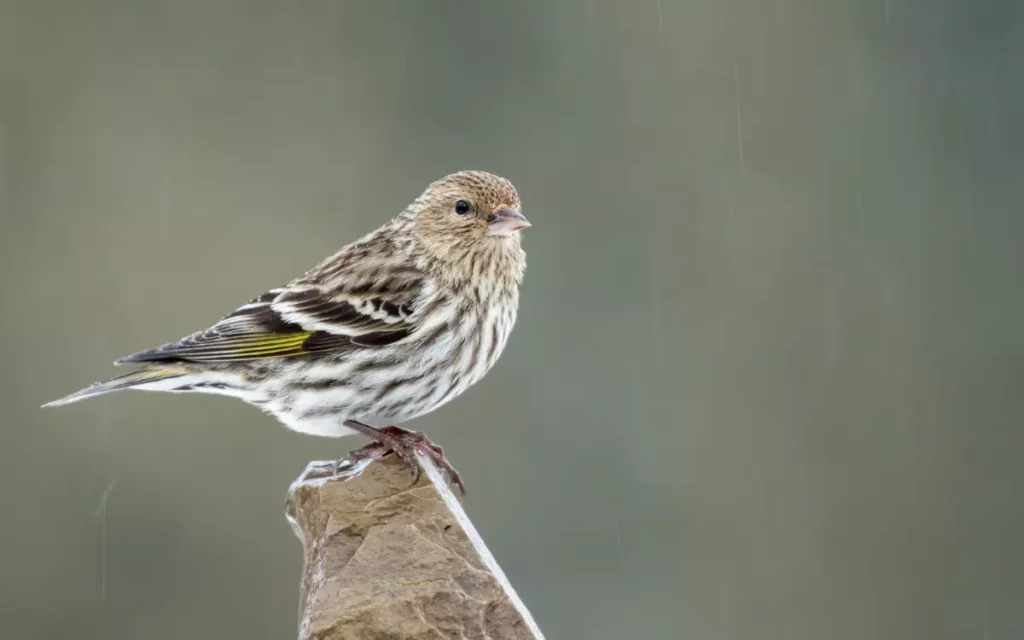
Scientific name: Spinus pinus
Texas status: Irregular winter visitor
Easy ID: Heavily streaked brown finch with yellow in its wings
Sound: Rising, buzzy “zreeee” mixed with quick chatter
At first glance, a Pine Siskin can look like a small sparrow. Its narrow, pointed bill and flashes of yellow in the wings and tail reveal that it is a finch.
Both sexes have brown-streaked bodies. The yellow wing markings may be hard to see while the bird is perched but become clearer during flight.
Pine Siskin numbers change sharply from year to year. Some winters bring large flocks to Texas; in other years, very few are reported. Their movements depend heavily on seed supplies farther north.
They readily eat nyjer and sunflower chips. Siskins may feed beside American Goldfinches, but their sharper bills and streaked underparts make them easy to separate with a close view.
6.Red Crossbill
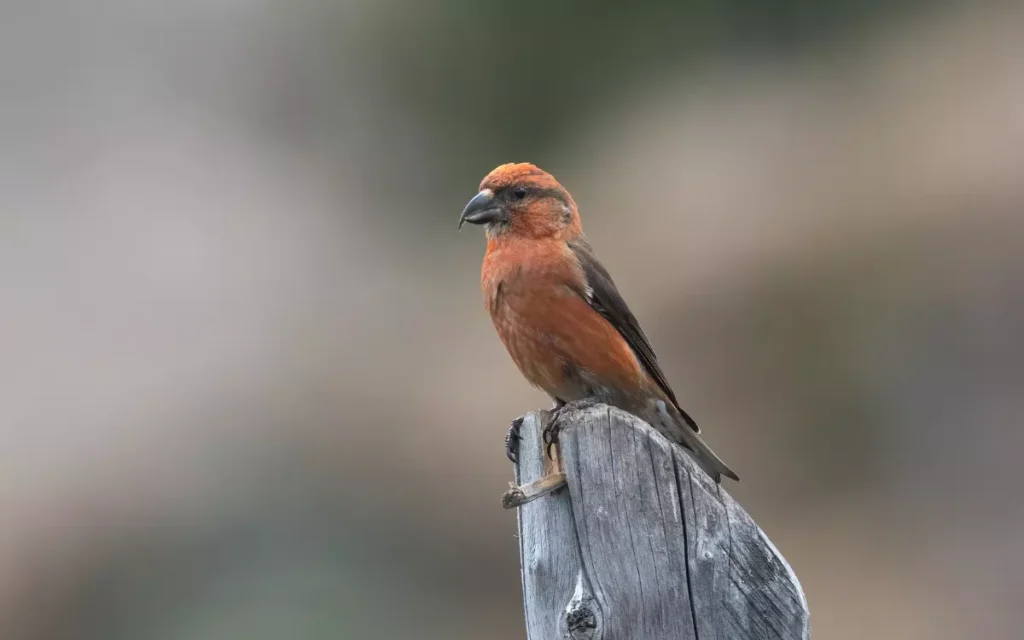
Scientific name: Loxia curvirostra
Texas status: Irregular and nomadic visitor
Easy ID: Upper and lower bill tips cross over each other
Sound: Hard, repeated “jip-jip” flight calls
The crossed bill is the defining mark of a Red Crossbill. The unusual shape lets the bird pry apart cone scales and remove the seeds with its tongue.
Adult males are usually red-orange or brick-red with dark wings. Females are yellowish, olive, or gray-green. Young birds have heavy streaking.
Red Crossbills do not follow a fixed migration schedule. They travel according to the availability of conifer seeds, so their numbers and locations can change from one year to the next.
Texas reports often come from places with mature pines or other cone-producing trees. Listen for flight calls because crossbills may feed quietly near the tops of trees.
7. Cassin’s Finch
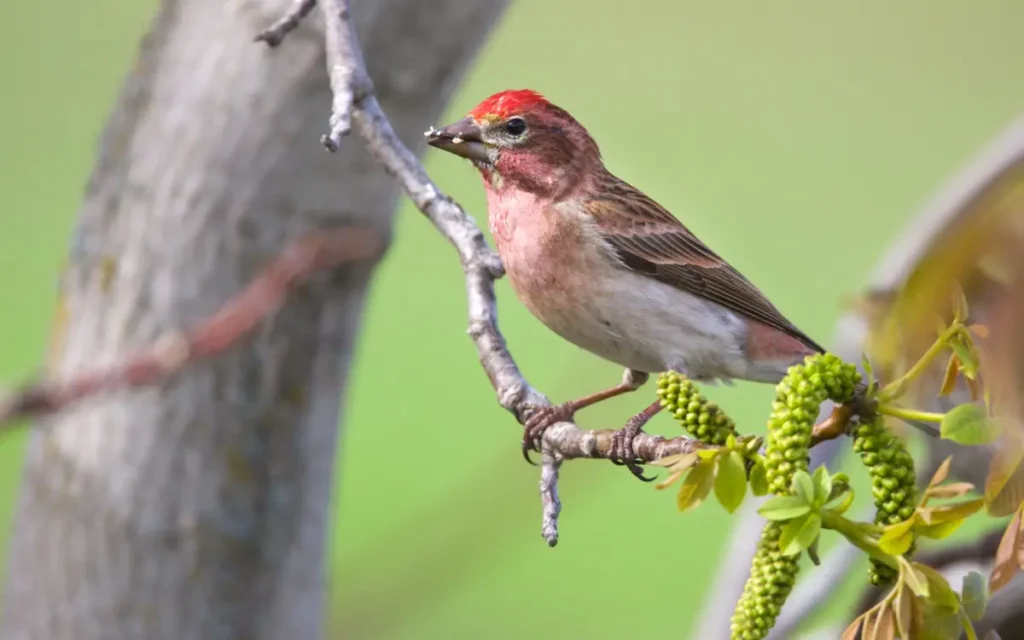
Scientific name: Haemorhous cassinii
Texas status: Uncommon winter visitor
Easy ID: Male has a bright red crown above a pale pink body
Sound: Long musical song with whistles and copied notes
Male Cassin’s Finches have red crowns that appear brighter than the rest of the head. Their breasts are lightly washed with pink, and the lower underparts usually have little streaking.
Females have sharply defined brown streaks across pale underparts. They also have longer, straighter bills than female House Finches.
This is a western mountain species. In Texas, it is most likely during winter in the Trans-Pecos, particularly around the Davis and Guadalupe mountains. Occasional birds may wander beyond that area.
Cassin’s Finches feed on conifer seeds, buds, berries, and small fruits. Winter movements can bring them to feeders in mountain communities.
8. White-winged Crossbill
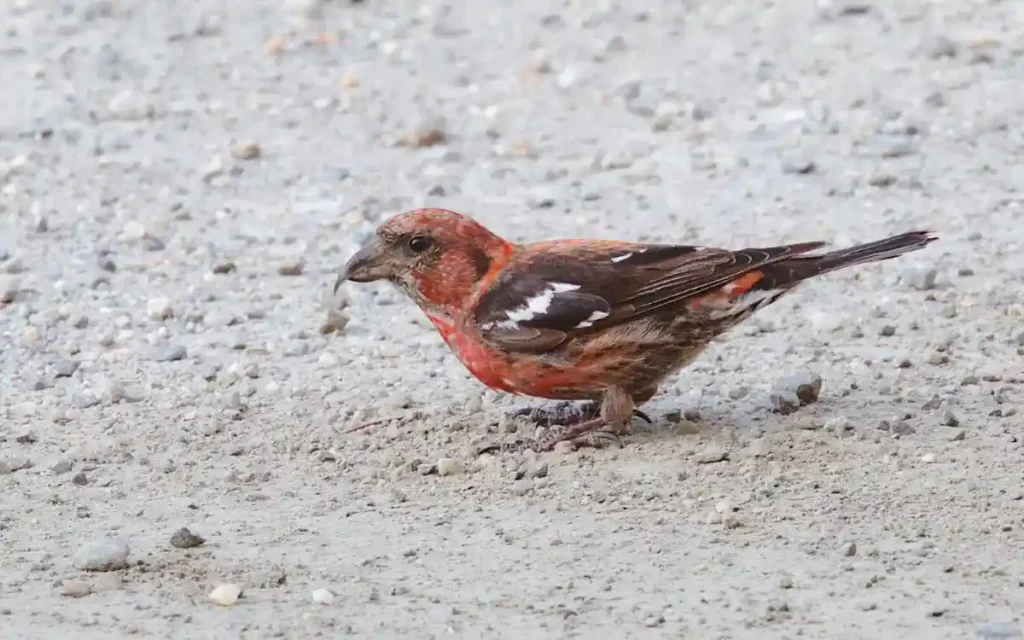
Scientific name: Loxia leucoptera
Texas status: Very rare visitor
Easy ID: Crossed bill with two bold white wing bars
Sound: Dry, rapid trills and sharp flight calls
Male White-winged Crossbills are pink-red with dark wings crossed by two broad white bars. Females are yellowish or olive with the same white wing pattern.
The white bars separate this species from the more likely Red Crossbill. Both species have crossed bill tips and feed heavily on conifer seeds.
White-winged Crossbills normally live much farther north. They may move south during major food shortages, but a bird reaching Texas is highly unusual.
Clear photographs should show the bill and wing bars. A rare Texas report should be submitted with supporting details to the Texas Bird Records Committee.
9. Redpoll
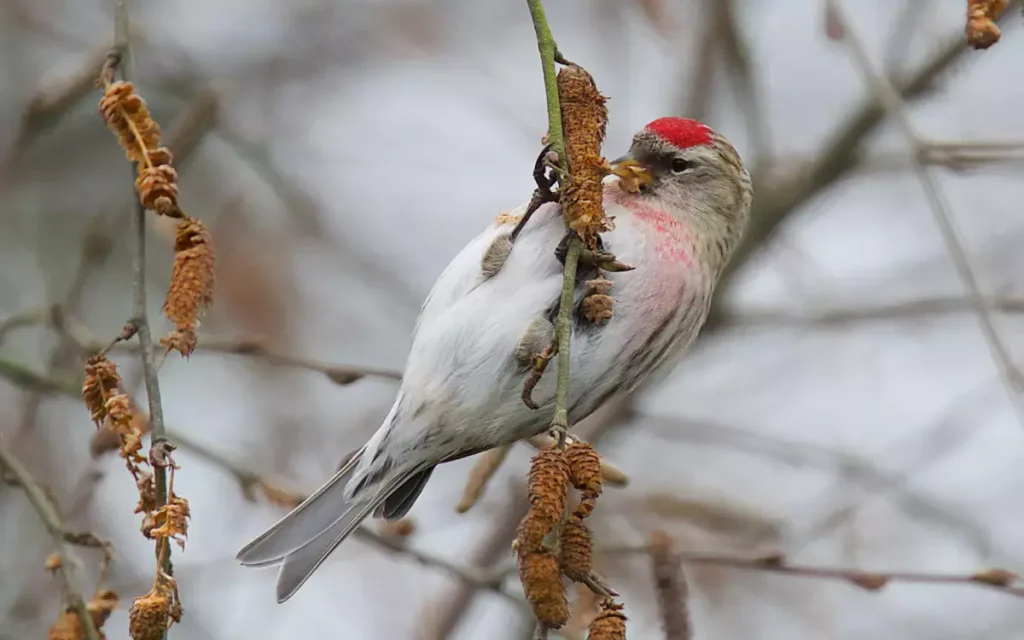
Scientific name: Acanthis flammea
Texas status: Very rare winter visitor
Easy ID: Tiny red crown, black chin, small yellow bill, and streaked sides
Sound: Dry rattles mixed with rising whistles
The bird formerly called the Common Redpoll is now listed simply as Redpoll after Common and Hoary Redpolls were combined into one species in 2024. The current Texas checklist uses the updated name.
Redpolls are small, pale finches with red caps, black patches under the bill, and two light wing bars. Adult males may have a pink wash across the chest.
These Arctic and boreal birds sometimes move south during winter, but very few reach Texas. Sightings may occur at feeders or in fields containing birch, alder, or weed seeds.
House Finches and Pine Siskins are more likely. A suspected Redpoll needs clear views of the crown, face, bill, wing bars, and undertail area.
10.Evening Grosbeak
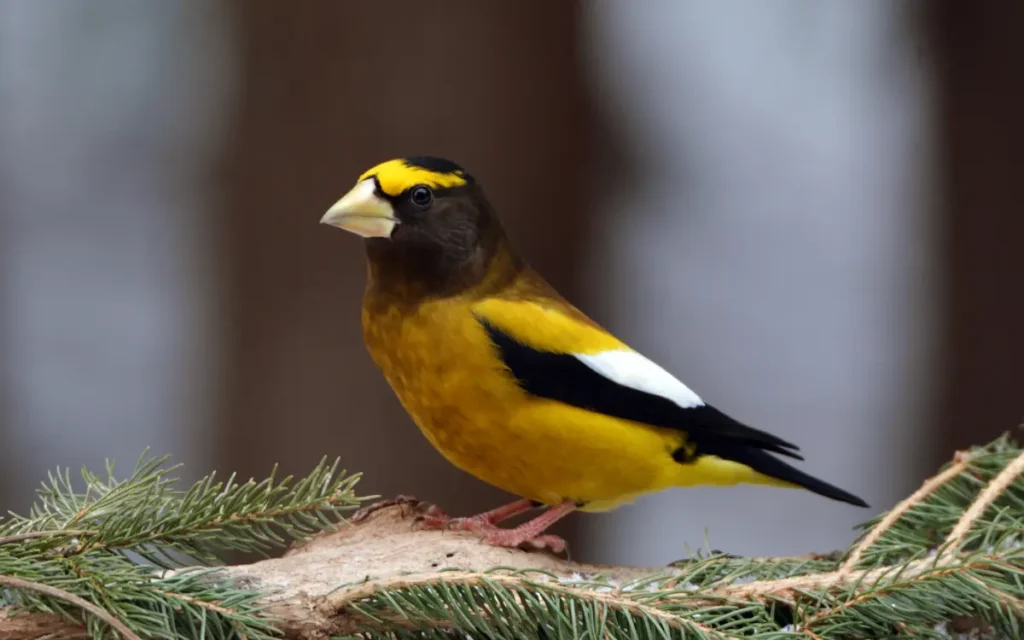
Scientific name: Coccothraustes vespertinus
Texas status: Rare and irregular visitor
Easy ID: Large finch with a thick pale bill and bold yellow wing patches
Sound: Sharp, ringing calls rather than a long musical song
Evening Grosbeaks are much larger and heavier than House Finches or goldfinches. Their oversized bills allow them to crack large seeds.
Adult males have yellow foreheads, dark heads, brown bodies, and large yellow-and-white wing patches. Females are mostly gray-brown with black-and-white wings and touches of yellow.
These northern finches sometimes move south in large numbers, though recent Texas sightings are uncommon. They may turn up in wooded areas, parks, or yards with sunflower feeders.
The official Texas checklist treats the Evening Grosbeak as a review species, so any sighting should be photographed when possible.
11.Pine Grosbeak
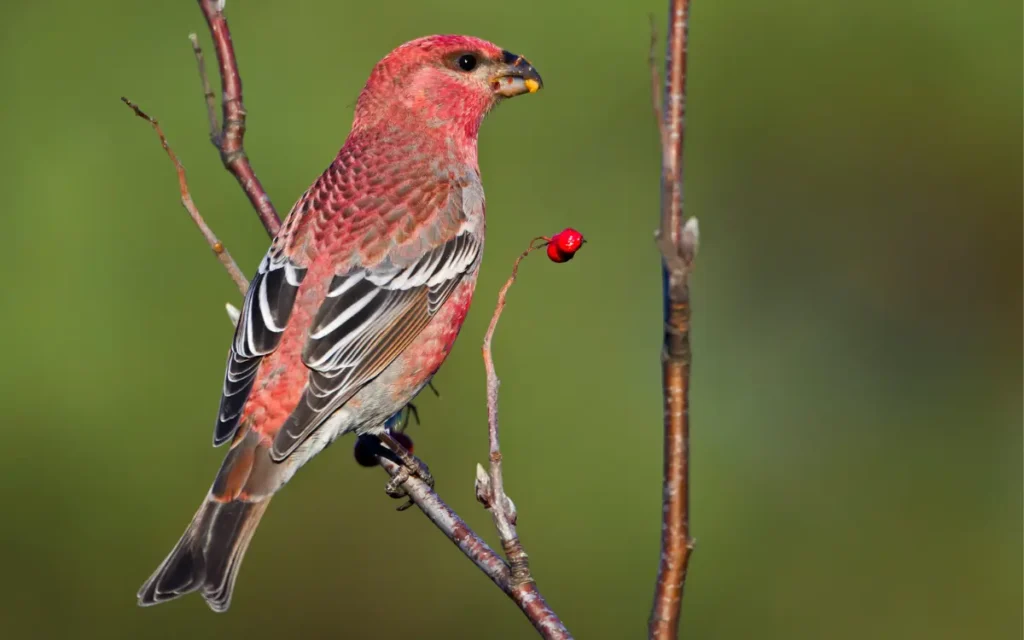
Scientific name: Pinicola enucleator
Texas status: Exceptionally rare visitor
Easy ID: Large, long-tailed finch with a heavy bill and gray wings
Sound: Clear, mellow whistles
Male Pine Grosbeaks have rosy-red heads, backs, and breasts with gray wings and tails. Females and young males are gray with yellowish or orange coloring around the head and rump.
This bird normally lives in northern conifer forests. It rarely travels far enough south to reach Texas, even during major winter movements.
A Pine Grosbeak in Texas would be far outside the range most birders associate with the species. House Finches, Purple Finches, and escaped cage birds should be ruled out.
Treat this as a state-list rarity rather than a bird visitors can reasonably expect to find.
12. Lawrence’s Goldfinch
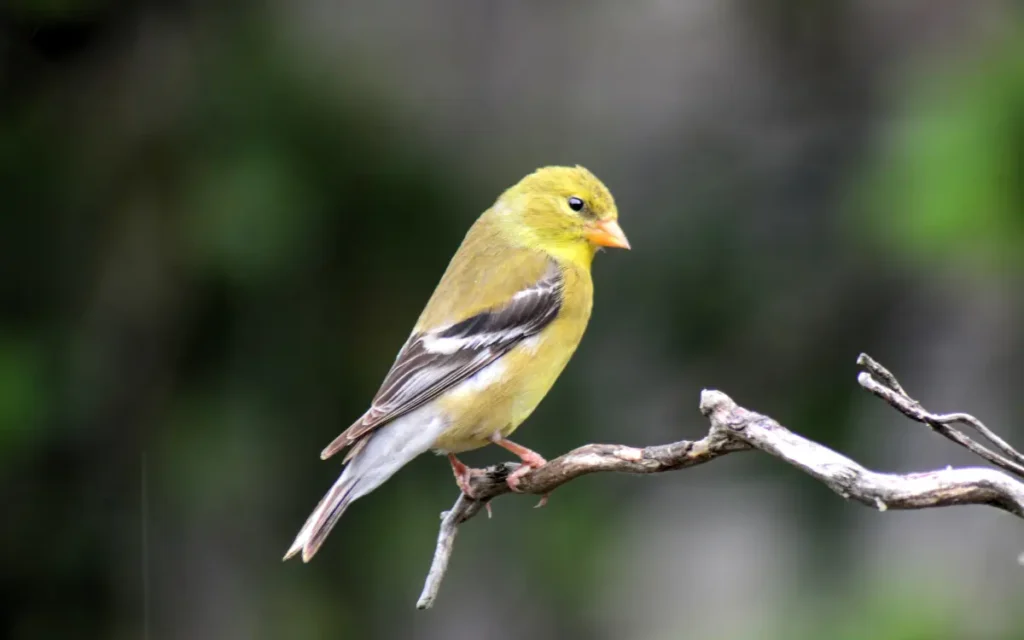
Scientific name: Spinus lawrencei
Texas status: Very rare visitor
Easy ID: Gray body, yellow chest, black face, and yellow wing patches
Sound: High, tinkling notes mixed with imitations
Male Lawrence’s Goldfinches have gray bodies, black faces, yellow chests, and broad yellow panels in the wings. Females are softer gray with smaller yellow markings and no solid black face.
This goldfinch is centered mainly in California and parts of the Southwest. Its movements are irregular because the birds follow changing water and seed supplies.
Only rare wanderers reach Texas, most likely in the western part of the state. Lesser Goldfinches are far more common and should be checked first.
The gray body is the easiest distinction. Male Lesser Goldfinches have yellow underparts with dark backs rather than gray bodies and isolated yellow chest patches.
13. Gray-crowned Rosy-Finch
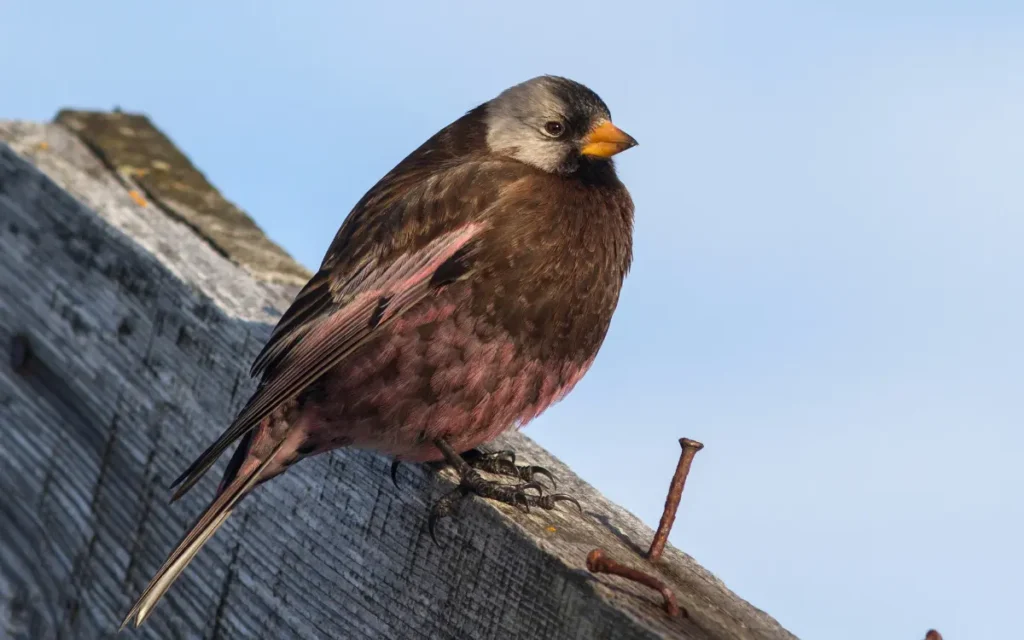
Scientific name: Leucosticte tephrocotis
Texas status: Accidental visitor
Easy ID: Brown body, gray crown, black forehead, and pink wings
Sound: Short, buzzy calls
Gray-crowned Rosy-Finches are mountain birds adapted to cold, open country. Their brown bodies are marked with pink along the wings, belly, and rump. Adults have gray around the crown and black across the forehead and throat.
They usually live far north or in high western mountain ranges. Texas has only accidental records, including documented occurrence in the far western part of the state.
A winter bird might appear around rocky slopes, mountain roads, open ground, or feeding areas. Most Texas birders will never encounter one within the state.
Most Common Finches in Texas
Five finches account for most everyday sightings:
- House Finch
- Lesser Goldfinch
- American Goldfinch
- Pine Siskin
- Purple Finch
House Finches are the most dependable year-round choice around towns and feeders. Lesser Goldfinches are regular in much of Central, South, and West Texas.
American Goldfinches and Pine Siskins become more noticeable during winter. Purple Finches are less predictable and occur mainly in the eastern part of Texas.
Texas Finches by Season
Spring
American Goldfinches may remain into spring and begin changing into brighter breeding plumage. House Finches and Lesser Goldfinches are active around nesting areas.
Summer
House Finches and Lesser Goldfinches are the two main finches to expect. Most American Goldfinches, Pine Siskins, and Purple Finches have moved north.
Fall
American Goldfinches begin returning as winter approaches. Pine Siskins may also arrive, although their numbers vary each year.
Winter
Winter brings the greatest variety. House Finches, Lesser Goldfinches, American Goldfinches, Pine Siskins, Purple Finches, and occasional Cassin’s Finches may all be present.
Crossbills and northern grosbeaks are possible during unusual southward movements, though none should be expected every winter.
How to Attract Finches in Texas
Black oil sunflower seeds attract House Finches, Purple Finches, Cassin’s Finches, and Evening Grosbeaks. Sunflower chips work well for smaller birds and leave less shell waste below the feeder.
Nyjer seed is popular with American Goldfinches, Lesser Goldfinches, and Pine Siskins. Use a tube feeder with small feeding ports or a mesh finch feeder.
Leave some seed heads standing in the yard. Sunflowers, coneflowers, thistles, and other seed-producing plants give goldfinches and siskins a natural feeding area.
Keep feeders dry and clean. Finches can spread eye infections and other illnesses where birds crowd together. Wash feeders regularly, clear old seed from the ground, and remove a feeder temporarily if several sick birds appear.
Birds Mistaken for Finches
House Sparrow
Female House Sparrows are often confused with female House Finches. House Sparrows have thicker bills, plainer underparts, and bold pale eyebrows. Female House Finches have streaked breasts and less obvious facial patterns.
Scaly-breasted Munia
This introduced Texas bird has a thick seed-eating bill and may gather in flocks like a finch. Adults have brown heads and scale-like markings across white underparts. It belongs to the estrildid finch family, not the Fringillidae family covered in the main list.
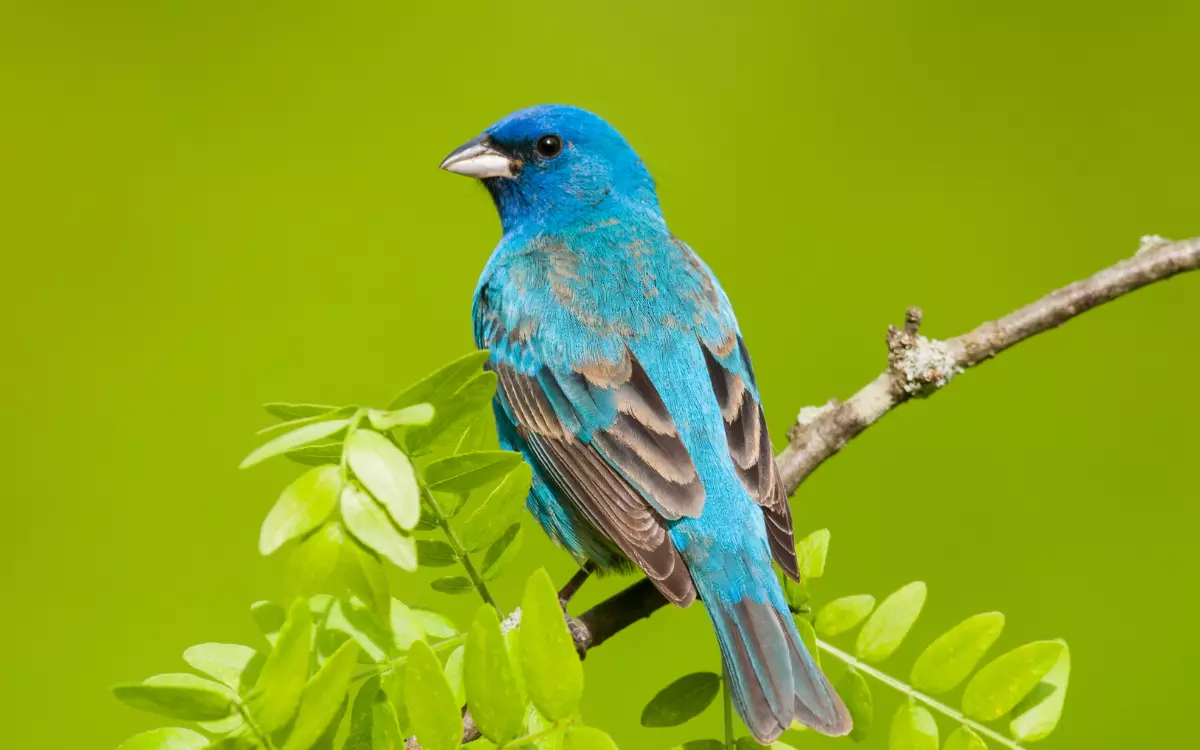
Indigo Bunting
Female Indigo Buntings can resemble plain brown finches, while males are bright blue. Their bills are deeper and their plumage lacks the heavy streaking seen on female House Finches.
Pine Warbler
A yellow Pine Warbler at a feeder may be mistaken for a goldfinch. It has a thinner bill, a less deeply notched tail, and a different body shape. It may also eat suet, something goldfinches rarely do.
FAQs
What is the most common finch in Texas?
The House Finch is the most common and widespread Texas finch. It lives in the state throughout the year and is frequently seen around houses, farms, towns, and seed feeders.
Are goldfinches found in Texas?
Yes. Texas has American Goldfinches and Lesser Goldfinches. American Goldfinches are mainly winter visitors, while Lesser Goldfinches live year-round in many central, southern, and western areas.
Do American Goldfinches live in Texas year-round?
Most American Goldfinches visit Texas from fall through spring. They migrate north for the breeding season, so summer sightings are limited and local.
What Texas finch has a red head?
The male House Finch has red across its forehead, face, and upper chest. Purple and Cassin’s Finches also have red heads, but both are less common in Texas.
What is the difference between a finch and a sparrow?
Finches generally have shorter, more rounded bills and often show yellow or red plumage. Many sparrows have longer bills, brown facial stripes, and more complicated back patterns. There are exceptions, so bill shape, wing markings, calls, and behavior should be checked together.
Are Pine Siskins common in Texas?
Pine Siskins are irregular winter visitors. They may be abundant during one winter and nearly absent the next. Their movements follow changes in northern seed supplies.
Are Purple Finches found in Texas?
Purple Finches visit Texas during winter, mainly in the eastern part of the state. They are less common and less dependable than House Finches.
Are there crossbills in Texas?
Red Crossbills occur irregularly in Texas, usually near mature conifers. White-winged Crossbills are much rarer and need documentation when seen.
What finches stay in Texas during summer?
House Finches and Lesser Goldfinches are the two main finches found during summer. Other finch species are primarily winter visitors, irregular wanderers, or accidental records.
Which seed attracts the most finches?
Black oil sunflower attracts the widest range of finches. Nyjer is especially good for goldfinches and Pine Siskins, though it should be fresh and kept dry.