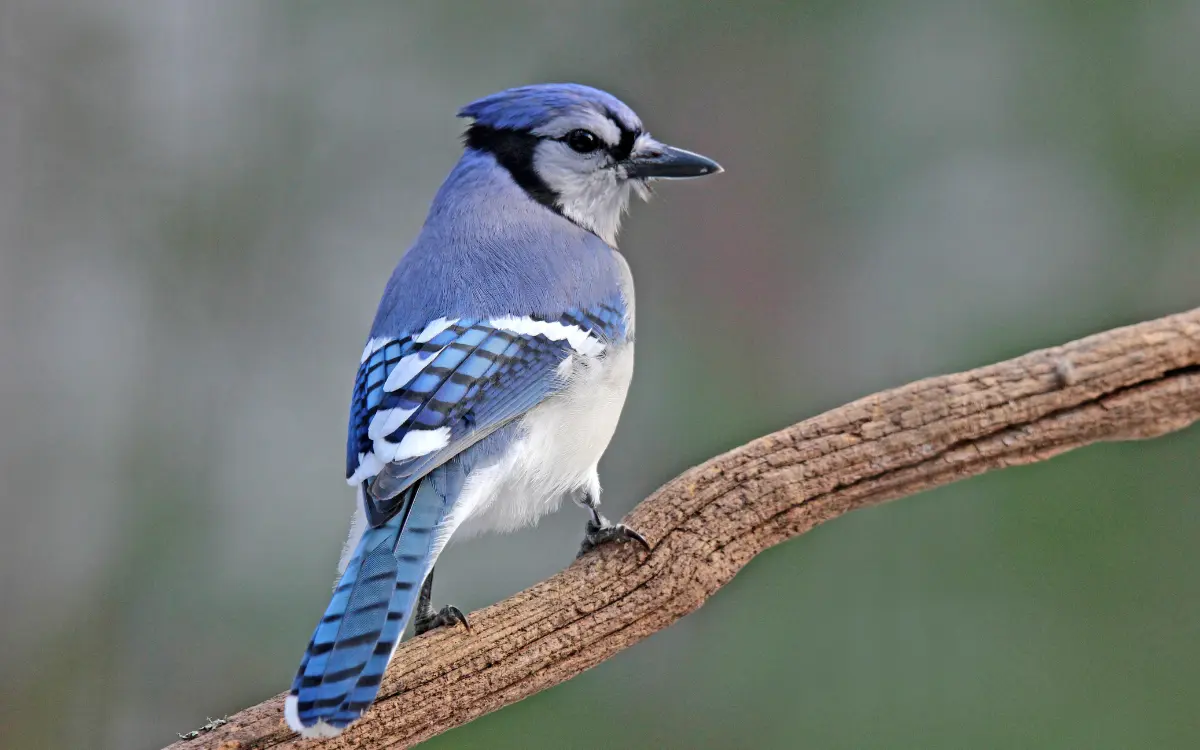
14 Yellow Birds in Connecticut With Photo
Yellow birds bring a bright, lively touch to Connecticut’s landscapes, whether you’re watching from your backyard or exploring local parks and forests. Some species, like the American Goldfinch, stay throughout the year and are easy to spot at feeders, while others appear only during spring and summer or pass through during migration.
From open fields and wetlands to dense woodlands, different habitats attract different yellow birds. This guide helps you identify the most common species in Connecticut, understand when they are most active, and know where to look so you can recognize them more easily in the wild or right outside your window.
1.American Goldfinch
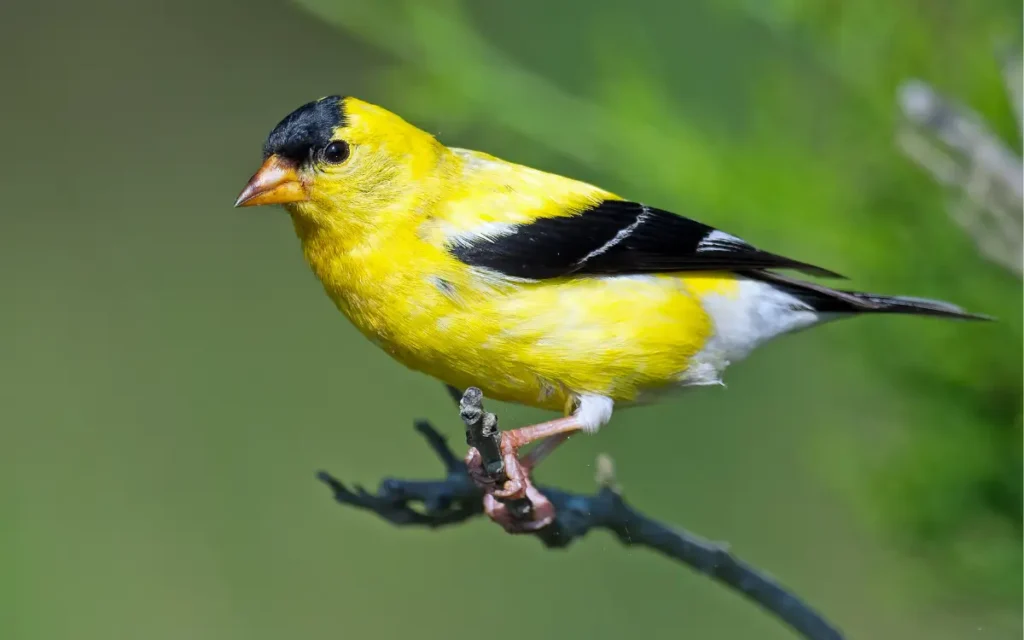
The American Goldfinch is one of the most recognizable yellow birds in Connecticut, especially during summer when males turn bright yellow with black wings and a black cap. Females are more muted but still show warm yellow tones. These birds are unique because they breed later in the season, often waiting until late summer when seeds are abundant. Goldfinches are frequent visitors to feeders and are commonly seen in open fields, gardens, and weedy areas. In winter, their color fades to a dull olive, but their behavior and shape remain easy to recognize.
Key points:
- Year-round resident
- Bright yellow in summer, dull in winter
- Attracted to nyjer and sunflower seeds
- Found in fields, gardens, and feeders
2.Baltimore Oriole
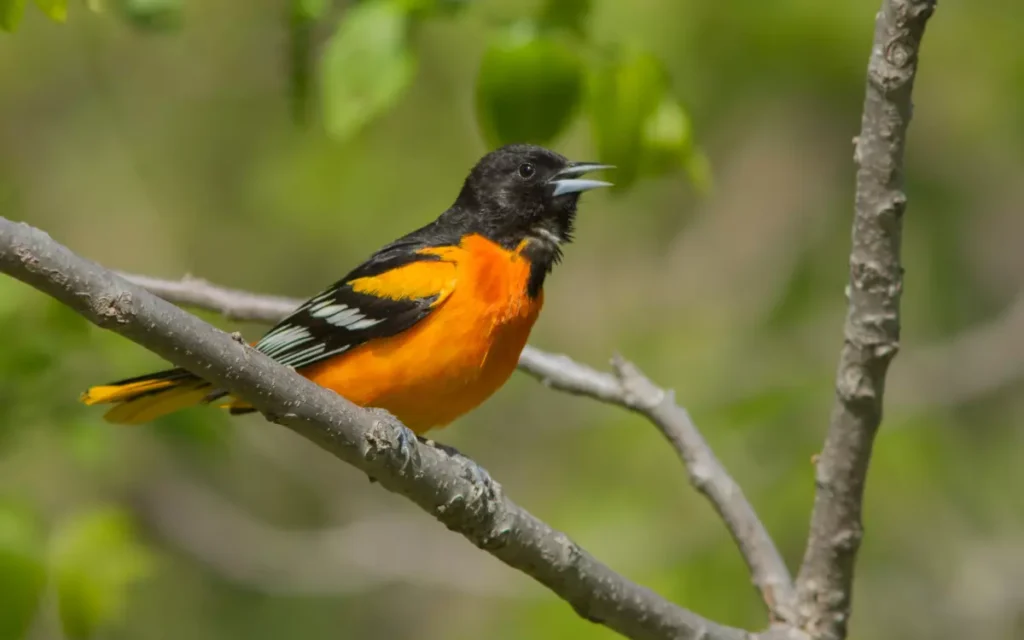
The Baltimore Oriole stands out with its bright orange-yellow underparts and contrasting black head and wings. These birds arrive in Connecticut during spring and stay through summer to breed. They prefer tall deciduous trees, especially near water or open landscapes. Orioles are known for their hanging, pouch-like nests and their preference for sweet foods. Birdwatchers often attract them using oranges or grape jelly. Their rich, flute-like song is another identifying feature that carries across treetops during the breeding season.
Key points:
- Builds hanging nests
- Spring and summer visitor
- Prefers tall trees near water
- Attracted to fruit and nectar
Related article: 5 Types of Geese in Connecticut
3.Cedar Waxwing
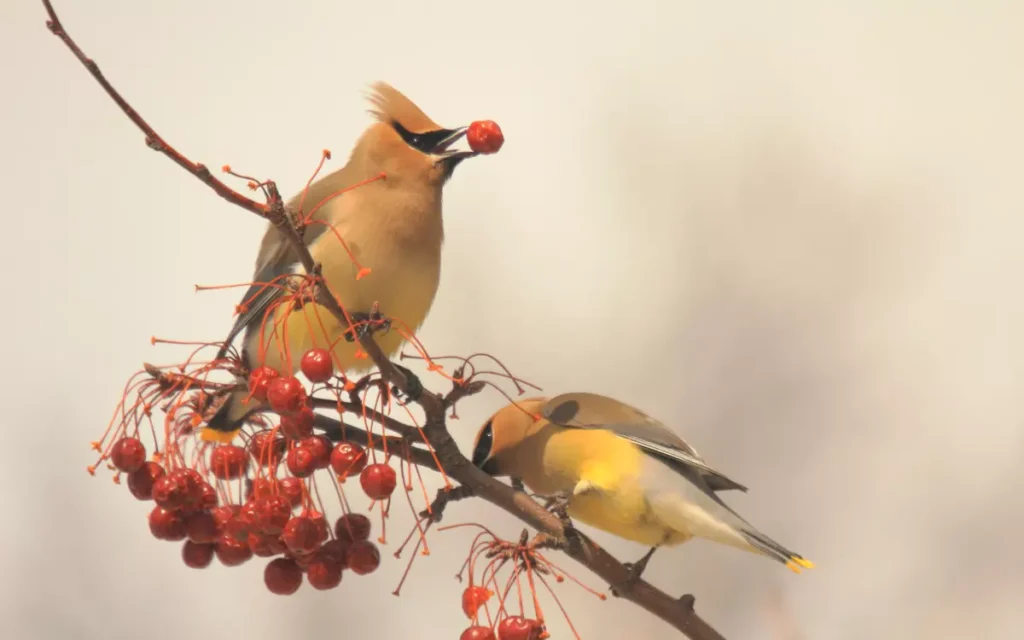
Cedar Waxwings are sleek, social birds with smooth brown plumage and a soft yellow belly. Their most noticeable feature is the yellow tip on their tail and the black mask across their eyes. They often travel in flocks, especially in late summer and fall when fruit is abundant. These birds rely heavily on berries and can strip trees quickly when feeding in groups. Their high-pitched, thin calls often reveal their presence before they are seen. Waxwings are common across Connecticut in areas with fruiting trees.
Key points:
- Recognizable by black mask and yellow tail tip
- Found in flocks
- Eats mostly berries
- Common in late summer and fall
4.Eastern Meadowlark
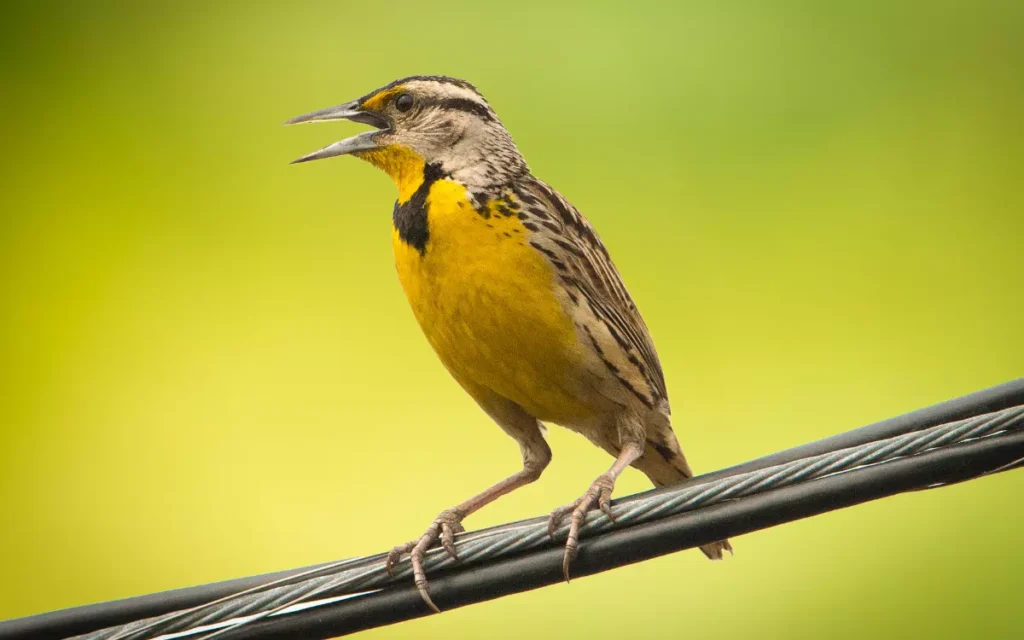
The Eastern Meadowlark is a ground-dwelling bird of open fields and grasslands. It has a bright yellow chest marked with a bold black “V,” making it easy to identify when perched on fence posts or low vegetation. Despite its name, it is more closely related to blackbirds than larks. Meadowlarks are more often heard than seen, producing a clear, flute-like whistle. In Connecticut, they are most active during spring and summer, though their populations have declined due to habitat loss.
Key points:
- Often seen on fence posts
- Found in open grasslands
- Yellow chest with black “V”
- Known for melodic song
Related article: 30 Ducks in Connecticut
5.Yellow Warbler
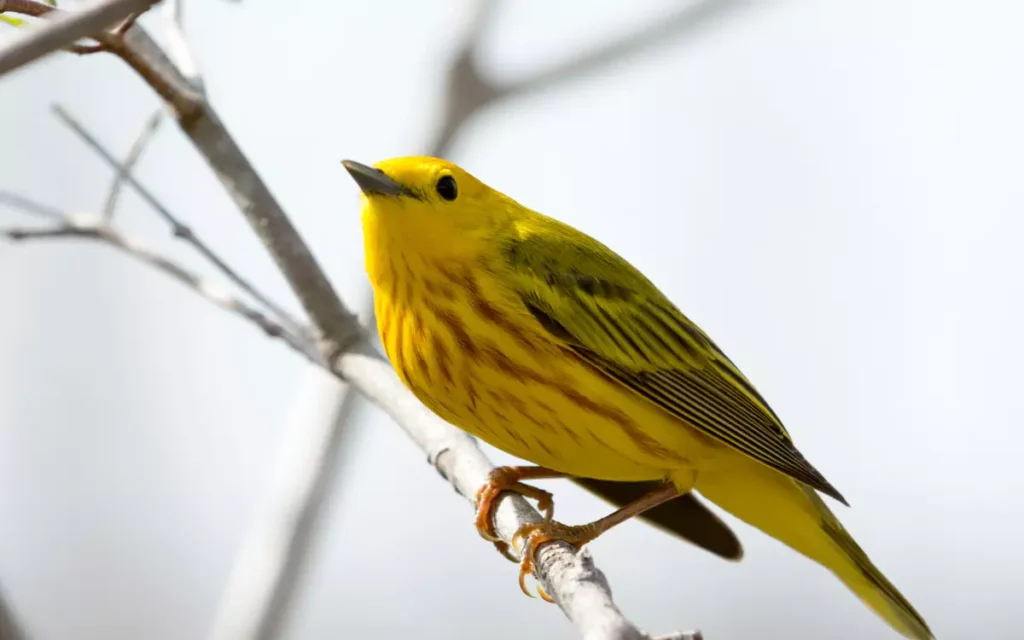
The Yellow Warbler is one of the easiest warblers to identify due to its entirely yellow body. Males may show faint reddish streaks on the chest, while females are more evenly colored. These birds are active and often found in wetlands, shrubby areas, and along streams. They arrive in Connecticut during late spring and stay through summer to breed. Their sweet, repetitive song is commonly heard in suitable habitats. Unlike many warblers, they are relatively easy to spot because they forage at lower levels.
Key points:
- Active and easy to spot
- Bright yellow overall
- Prefers wetlands and shrubs
- Spring and summer breeder
6.Common Yellowthroat
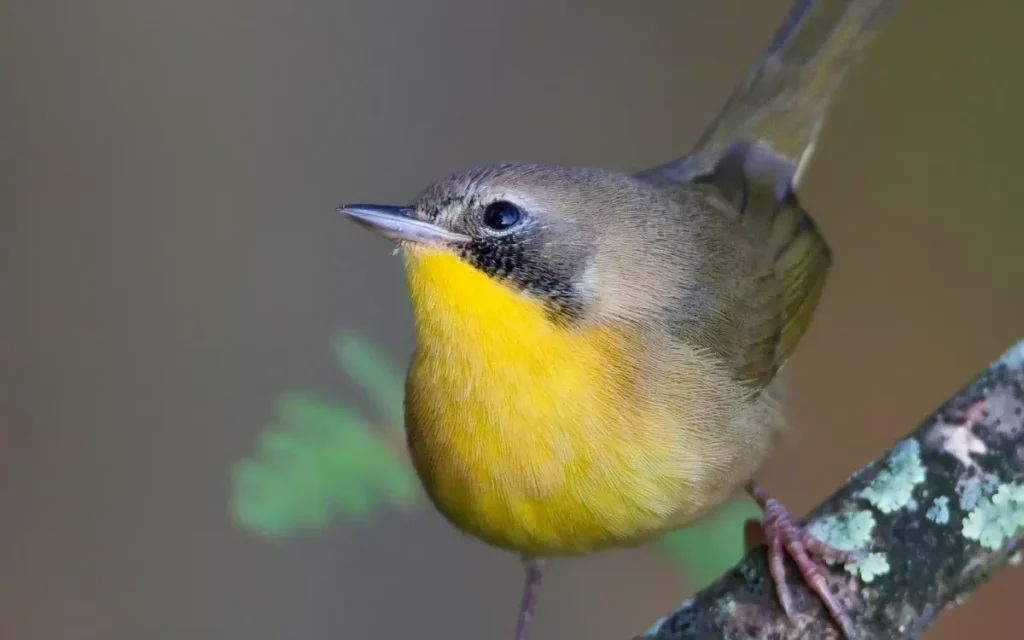
The Common Yellowthroat is a small, energetic warbler often found in marshes and dense vegetation. Males have a bright yellow throat and belly with a distinctive black mask across the face, while females lack the mask and appear more subdued. These birds are usually heard before they are seen, giving a recognizable “witchety-witchety” call. They stay low in thick cover, making them tricky to observe. In Connecticut, they are common during the warmer months in wet habitats.
Key points:
- Distinctive “witchety” call
- Yellow throat with black mask (male)
- Found in marshes and wetlands
- Stays hidden in dense cover
Related article: 10 Largest Birds in Connecticut
7.Prairie Warbler
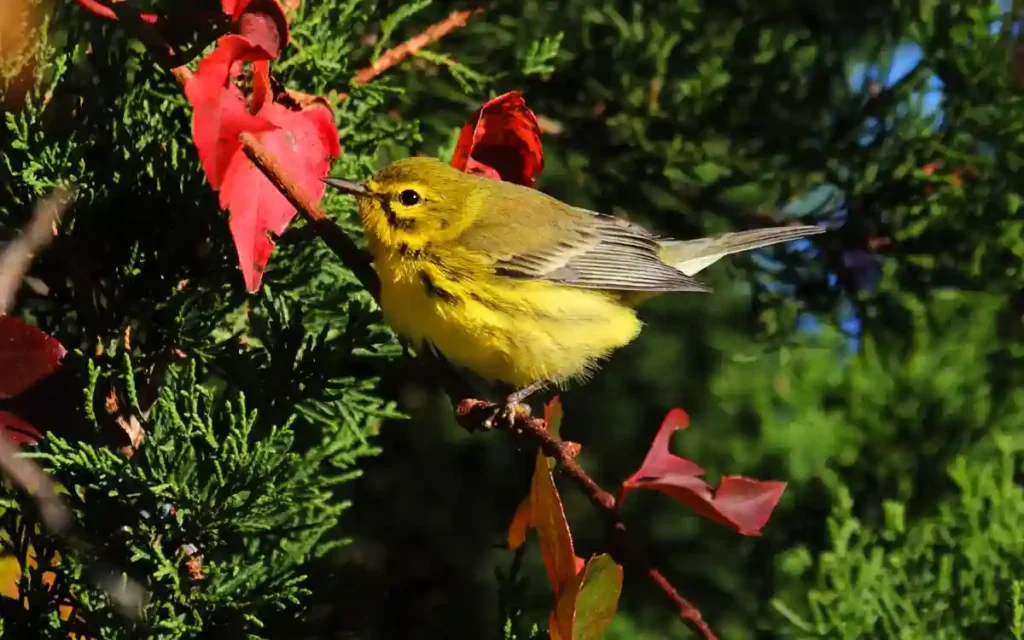
Prairie Warblers prefer open, scrubby habitats such as young forests, hillsides, and pine barrens. They are bright yellow with dark streaks along their sides, giving them a slightly striped appearance. These birds are more habitat-specific than other warblers and are less commonly seen. Their song is a rising series of buzzy notes that can help with identification. In Connecticut, they are present during the breeding season and favor areas with low vegetation and scattered trees.
Key points:
- Buzzy, rising song
- Yellow with dark streaks
- Prefers scrub and young forests
- Spring and summer breeder
8.Pine Warbler
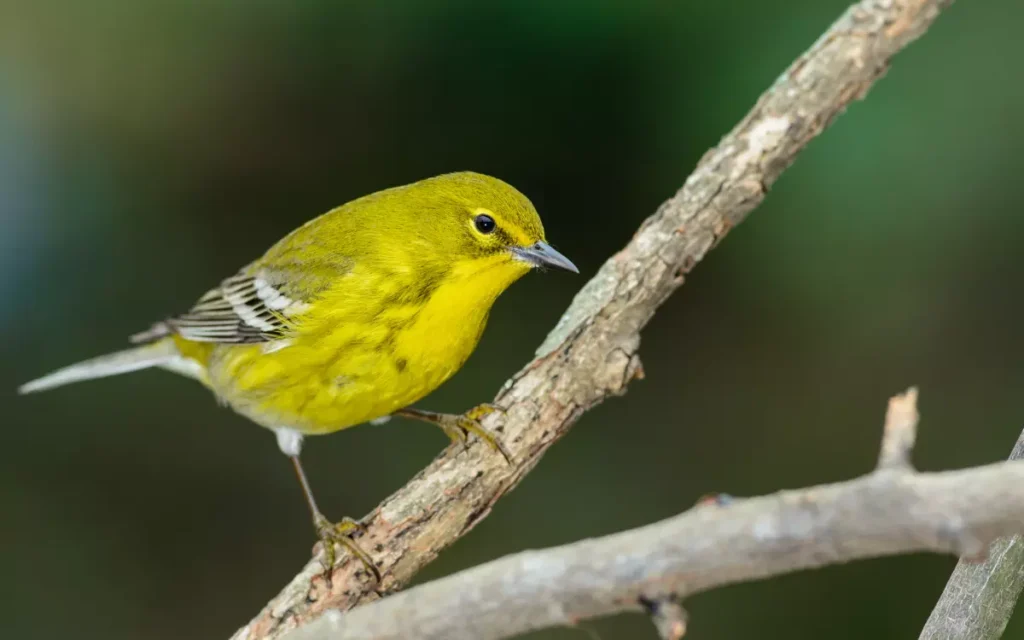
The Pine Warbler is one of the few warblers that can be found year-round in Connecticut. It has a more muted yellow-green color compared to brighter warblers. As its name suggests, it is closely associated with pine forests and spends most of its time high in trees. Its song is a steady trill that blends into the background of forest sounds. Pine Warblers are less active than other warblers and can be harder to notice unless you are specifically looking in pine habitats.
Key points:
- Soft, trilling song
- Found in pine forests
- Olive-yellow coloring
- Present year-round
Related article: 14 Most Common Birds in Connecticut: Backyard & Wild Species
9.Northern Parula
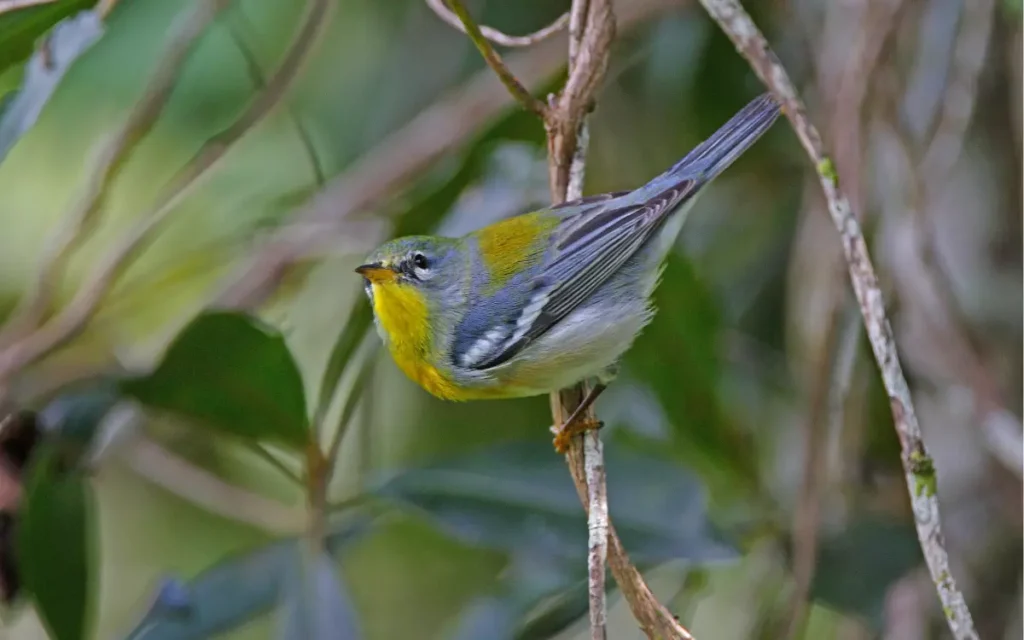
The Northern Parula is a small, colorful warbler with a yellow chest and bluish-gray upperparts. It also has a distinctive dark band across the chest, making it stand out from other yellow birds. These birds are migratory and pass through Connecticut during spring and fall. They prefer forests with hanging moss or lichen, where they build their nests. Northern Parulas move quickly through tree branches, making them challenging to follow, but their buzzy song helps locate them.
Key points:
- Quick and active movement
- Yellow chest with dark band
- Migratory species
- Found in forest canopies
10.Prothonotary Warbler
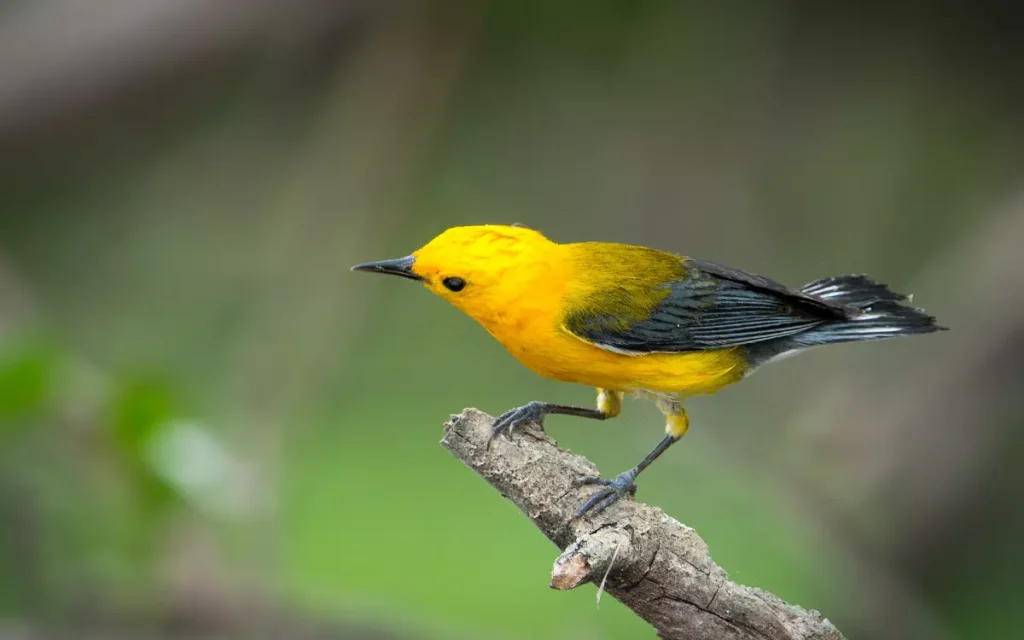
The Prothonotary Warbler is one of the brightest yellow birds you might encounter, with a glowing golden head and chest. It prefers wooded wetlands and areas near standing water. Unlike most warblers, it nests in tree cavities, often near water. In Connecticut, it is considered a rare visitor, usually seen during migration. Because of its bright color and unique habitat preference, spotting one is a memorable experience for birdwatchers.
Key points:
- Rare but striking visitor
- Bright golden-yellow body
- Prefers wetlands and flooded forests
- Nests in tree cavities
11.Hooded Warbler
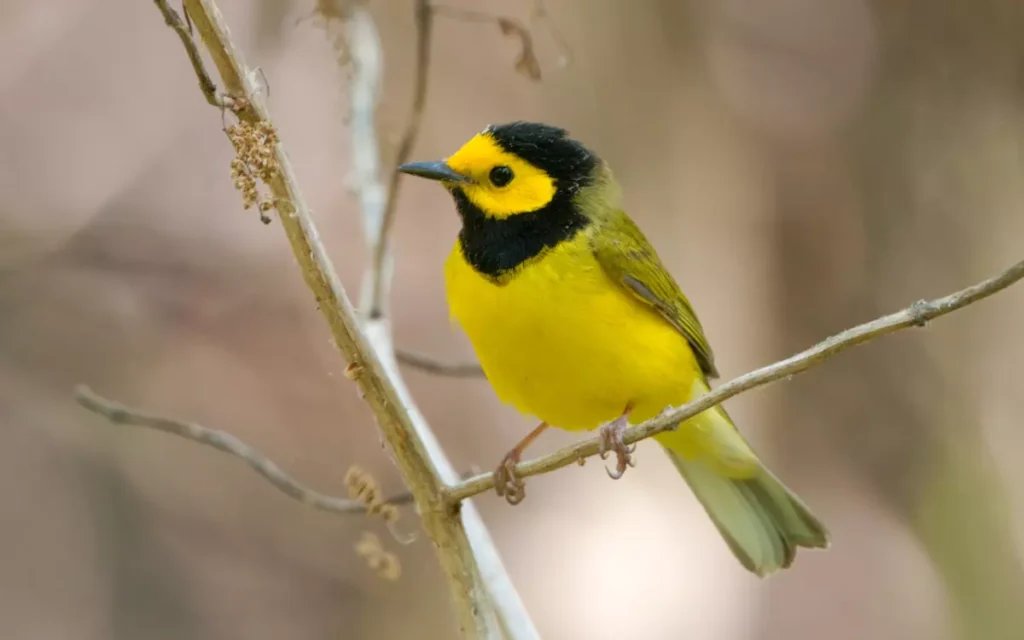
The Hooded Warbler is known for the male’s bold black hood surrounding a bright yellow face. Females lack the full hood but still show yellow coloring. These birds prefer dense understory in forests, often staying close to the ground compared to other warblers. In Connecticut, they are more commonly found in the southern parts of the state. Their loud, ringing song makes them easier to detect even when hidden in thick vegetation.
Key points:
- Loud, clear song
- Yellow face with black hood (male)
- Prefers dense forest understory
- Found in southern Connecticut
12.Orchard Oriole
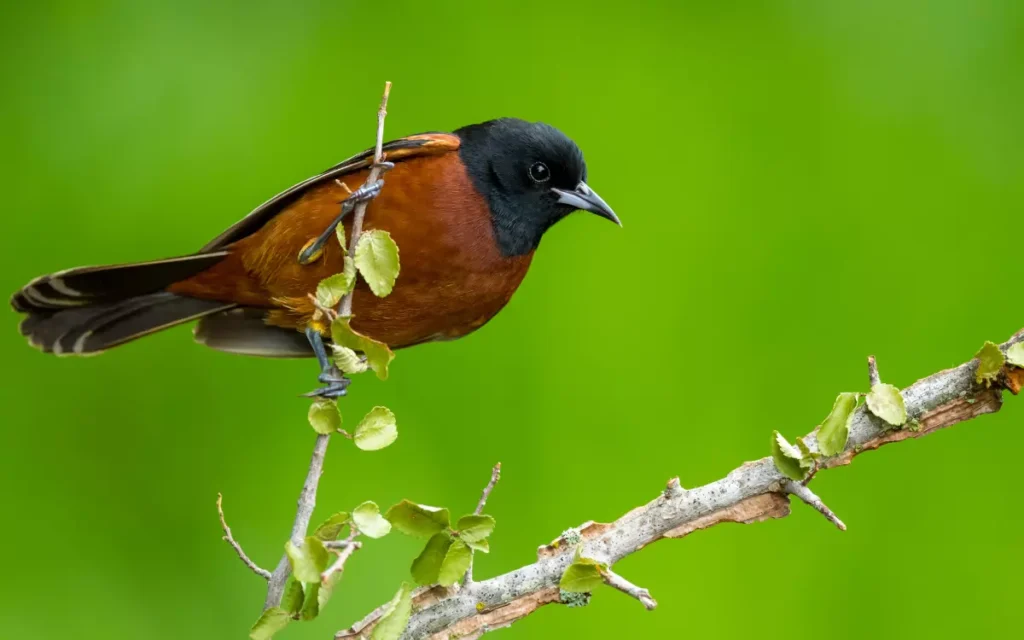
The Orchard Oriole is smaller and less bold than the Baltimore Oriole. Females and young birds appear yellow-green rather than orange, which can make identification tricky. They prefer open areas with scattered trees, such as orchards, parks, and river edges. These birds are less common but still present during the breeding season. Like other orioles, they are attracted to sweet foods and can sometimes be seen at feeders offering fruit or nectar.
Key points:
- Attracted to fruit and nectar
- Yellow-green female coloring
- Found in orchards and parks
- Spring and summer visitor
13.Scarlet Tanager (Female)
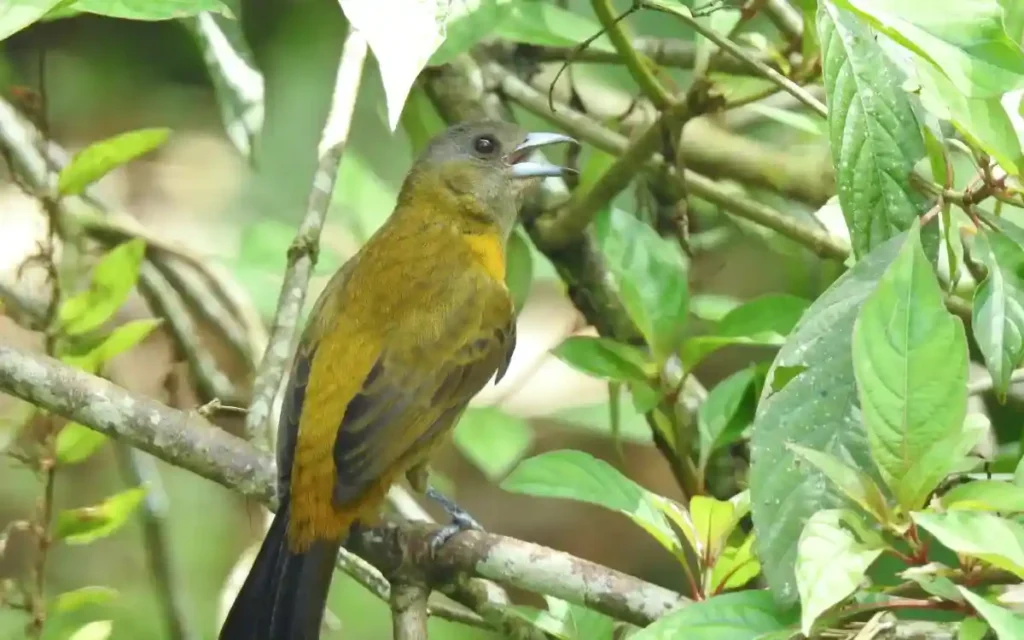
Female Scarlet Tanagers are olive-yellow rather than red, which often surprises birdwatchers. They prefer mature forests and spend most of their time high in the canopy. While males are easier to notice due to their bright red color, females rely more on subtle tones for camouflage. These birds are present in Connecticut during summer for breeding. Their song is similar to a robin but slightly hoarser, helping birders locate them.
Key points:
- Often high in tree canopy
- Olive-yellow coloring
- Found in mature forests
- Summer breeding species
14.Yellow-bellied Sapsucker
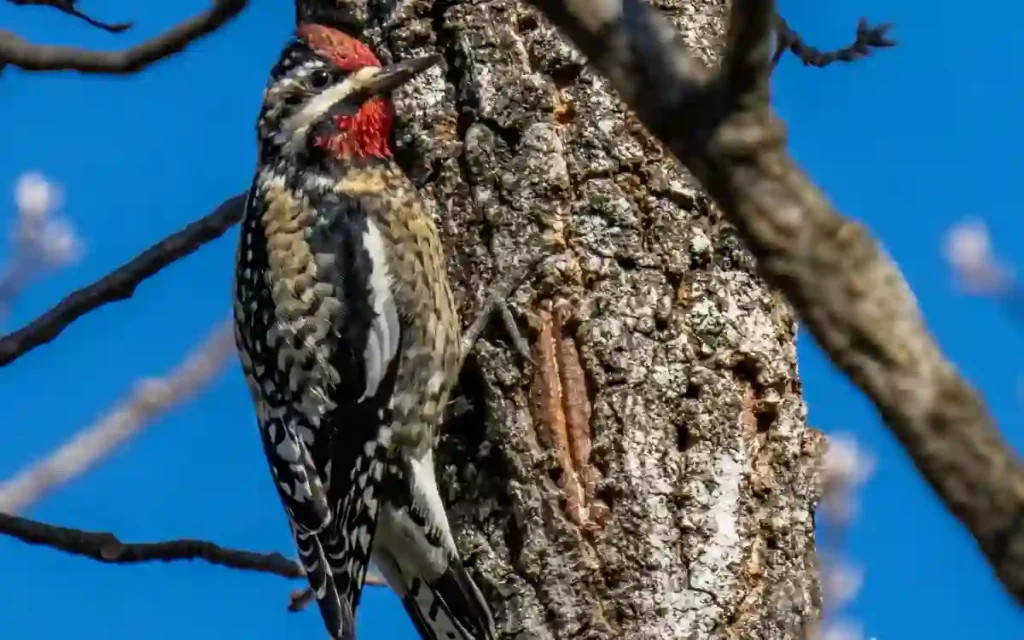
The Yellow-bellied Sapsucker is a type of woodpecker with a pale yellow wash on its belly. It is best known for drilling neat rows of holes in tree bark to feed on sap and insects. These patterns are often seen before the bird itself. In Connecticut, sapsuckers are usually seen during migration rather than year-round. They prefer forests and wooded areas where suitable trees are available for feeding.
Key points:
- Found in wooded areas
- Pale yellow belly
- Drills rows of sap holes
- Seen mostly during migration
FAQs
What is the most common yellow bird in Connecticut?
The American Goldfinch is the most common yellow bird and can be seen year-round, especially at feeders.
Which yellow birds visit backyards in Connecticut?
Goldfinches, Baltimore Orioles, and Cedar Waxwings are the most frequent backyard visitors, especially when food like seeds or fruit is available.
Are yellow birds in Connecticut seasonal?
Yes, many yellow birds such as warblers and orioles are seasonal and appear mainly during spring and summer, while a few species stay all year.
Where can I see yellow birds in Connecticut?
You can spot them in backyards, parks, wetlands, and forests. Areas with native plants, water sources, and feeders tend to attract more birds.
How do I attract yellow birds to my yard?
Offer nyjer seeds, sunflower seeds, fresh fruit, and provide clean water. Planting native shrubs and trees also helps attract them naturally.
What’s the difference between a goldfinch and a warbler?
Goldfinches are seed-eating birds that stay year-round, while most warblers eat insects and migrate seasonally.