Northern Cardinal Identification, Habitat, Diet & Behavior Guide
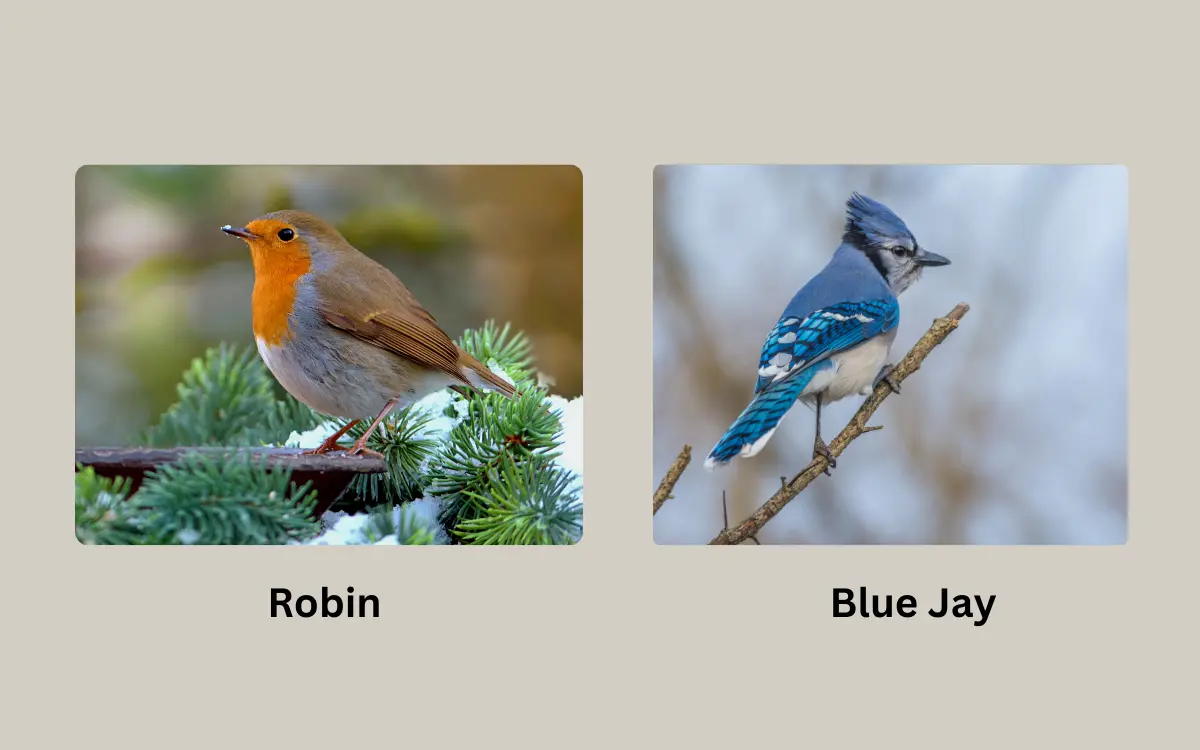
The Northern Cardinal is one of the most recognized birds in North America. Its bright red color, bold crest, and clear whistling song make it easy to spot and hear. You can find this bird in backyards, parks, forests, and neighborhoods throughout much of the United States.
In this guide, you’ll learn how to identify male, female, and juvenile cardinals, where they live, what they eat, how they nest, and how to attract them to your yard.
How to Identify a Northern Cardinal
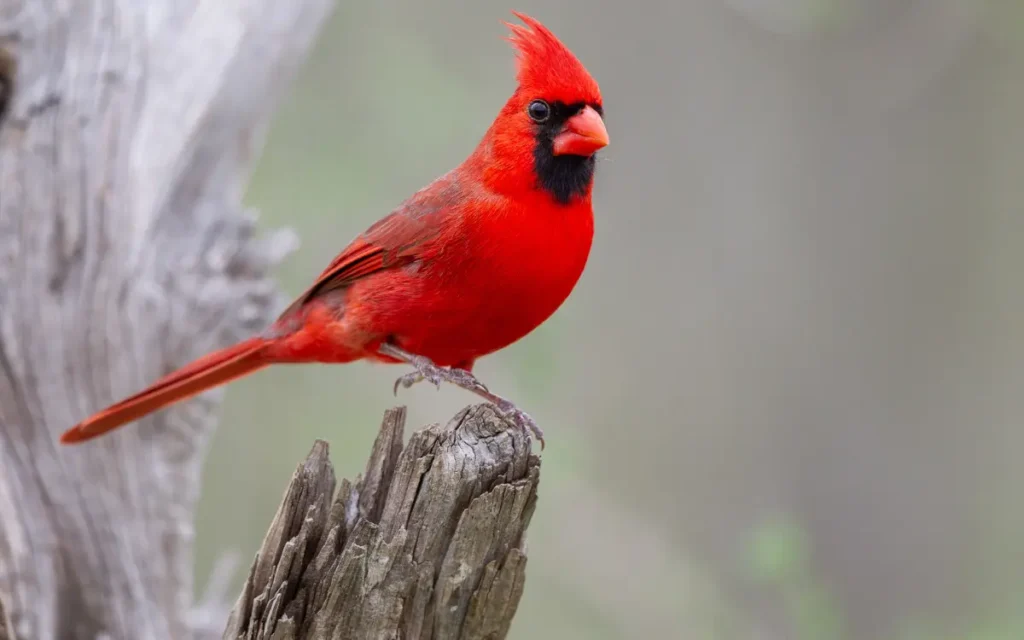
You can recognize a Northern Cardinal by its crest, thick orange bill, and long tail. Both males and females share the same body shape, but their colors look very different.
Size and Shape
- Length: 8–9 inches
- Wingspan: 10–12 inches
- Weight: About 1.5 ounces
Cardinals have a strong, cone-shaped bill built for cracking seeds. Their raised crest gives them a sharp, alert look.
Male vs Female Northern Cardinal
| Feature | Male | Female |
|---|---|---|
| Color | Bright red | Warm brown with red highlights |
| Face Mask | Bold black | Gray to soft black |
| Overall Brightness | Very vivid | More muted |
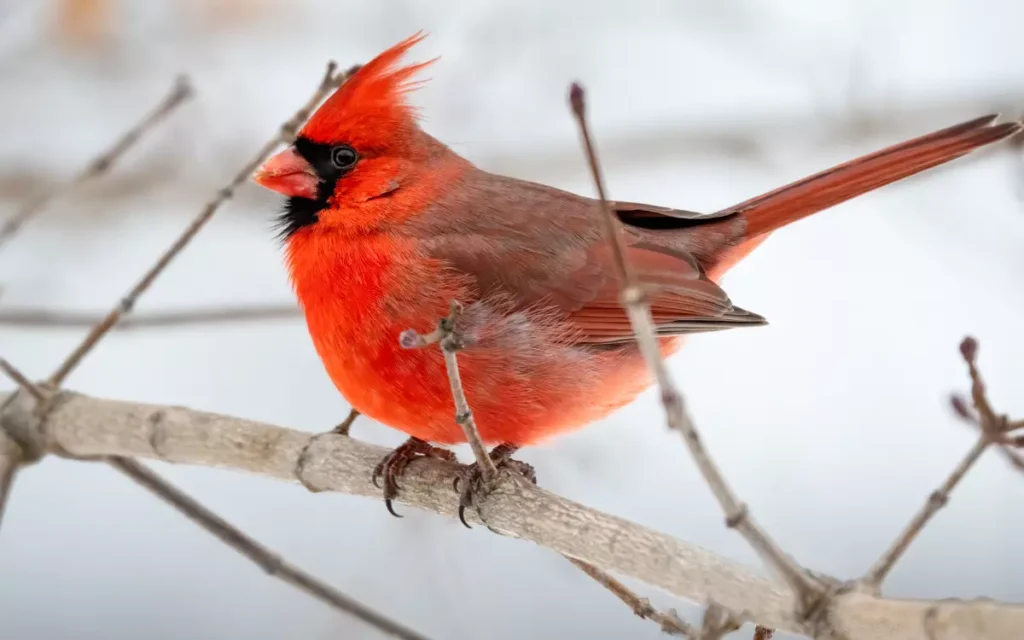
The male stands out with his deep red feathers and black mask around the face. The female looks softer in color but still shows red on her wings, crest, and tail.
Juvenile Cardinals
Young cardinals look similar to females but with one key difference: They have a dark gray or black bill instead of orange.
As they grow, the bill changes to orange, and males slowly develop their bright red feathers.
Where Do Northern Cardinals Live?
Northern Cardinals live year-round in the eastern and central United States. They do not migrate.
You can find them in:
- Woodland edges
- Suburban neighborhoods
- Parks
- Shrubby fields
- Backyard gardens
They prefer areas with dense shrubs and small trees where they can hide and nest.
Do Northern Cardinals Migrate?
No. Northern Cardinals stay in the same area all year.
This makes them a favorite winter bird. Their bright red feathers stand out beautifully against snow.
Related article: Types of Cardinals You Need to Know
What Do Northern Cardinals Eat?
Cardinals eat a mix of seeds, fruits, and insects.
Their diet includes:
- Sunflower seeds
- Safflower seeds
- Berries
- Cracked corn
- Beetles and caterpillars (especially in spring)
They often feed on the ground beneath feeders.
Best Feeders for Cardinals
Cardinals prefer:
- Platform feeders
- Hopper feeders
- Wide perches
They avoid small tube feeders with tiny perches.
If you want to attract them, offer black oil sunflower seeds and fresh water.
Seasonal Diet Changes
In spring and summer, cardinals eat more insects to feed their chicks.
In fall and winter, they switch to seeds and berries.
Northern Cardinal Nesting Habits
Cardinals begin nesting as early as March.
They often raise 2 to 4 broods per year.
The female builds the nest using:
- Twigs
- Grass
- Leaves
- Bark strips
She places it in dense shrubs or small trees, usually 3–10 feet above ground.
Eggs and Incubation
- Clutch size: 2–5 eggs
- Egg color: Pale blue or green with speckles
- Incubation: About 11–13 days
- Fledging: 9–11 days after hatching
The female incubates the eggs. The male brings her food during this time.
Do Cardinals Reuse Nests?
No. Cardinals build a new nest for each brood.
Northern Cardinal Calls and Songs
Both male and female cardinals sing.
Females sing to communicate with their mates, especially during nesting season.
Cardinal Behaviors
Cardinals defend their territory strongly.
You may see them:
- Chasing other birds
- Singing loudly from high branches
- Attacking their reflection in windows
They often mistake reflections for rival birds.
Do Cardinals Mate for Life?
Cardinals form strong pair bonds. Many pairs stay together for several seasons.
They often feed each other as part of courtship.
Birds Often Confused with Northern Cardinals
Some birds look similar at first glance.
| Bird | Key Difference |
|---|---|
| Pyrrhuloxia | Yellow curved bill |
| Summer Tanager | No crest |
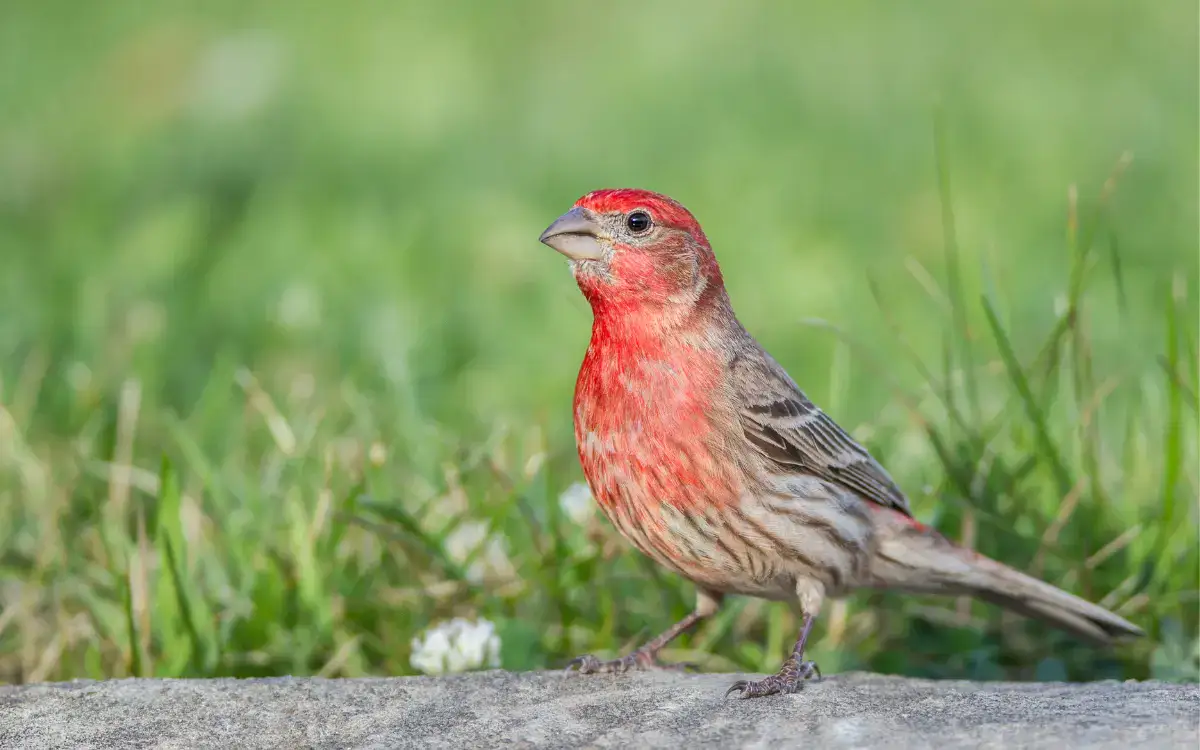
| House Finch | Streaked body |
The crest and thick orange bill make cardinals easy to confirm once you look closely.
Related article: 8 Bird Similar To Cardinal With Photo
Quick Facts About Northern Cardinals
| Feature | Detail |
|---|---|
| Scientific Name | Cardinalis cardinalis |
| Lifespan | 3–15 years |
| Migration | Non-migratory |
| Conservation Status | Least Concern |
| Nest Height | 3–10 feet above ground |
How to Attract Northern Cardinals to Your Yard
You can attract cardinals by creating a safe, natural environment.
Plant:
- Dense shrubs
- Native berry bushes
- Evergreen trees
Provide:
- Sunflower seeds
- Fresh water
- Quiet shelter
Avoid heavy pruning during nesting season.
States Where You Can See the Northern Cardinal
You can see Northern Cardinals across much of the eastern and central United States. They stay year-round and do not migrate.
This makes them one of the easiest birds to spot in many states.
Common States With Large Cardinal Populations
You can regularly find them in:
- Texas
- Florida
- North Carolina
- South Carolina
- Georgia
- Alabama
- Tennessee
- Kentucky
- Virginia
- Illinois
- Indiana
- Ohio
- Missouri
- Arkansas
- Louisiana
They also live in parts of:
- Pennsylvania
- New York
- Michigan
- Oklahoma
- Kansas
Frequently Asked Questions
Are Northern Cardinals rare?
No. They are common throughout much of the United States and remain stable in population.
Why are female cardinals brown?
The brown color helps females stay hidden while nesting. It protects them from predators.
Why do cardinals sing so much?
They sing to defend territory and communicate with mates.
Do cardinals stay in winter?
Yes. They remain in their territory all year.
Can you keep a cardinal as a pet?
No. It is illegal in the United States to keep native wild birds as pets.
Final Thoughts
The Northern Cardinal remains one of the most loved birds in North America. Its bright color, bold song, and year-round presence make it easy to enjoy in any season.
If you plant shrubs, offer quality seed, and provide fresh water, you will likely see this beautiful bird in your own backyard.