
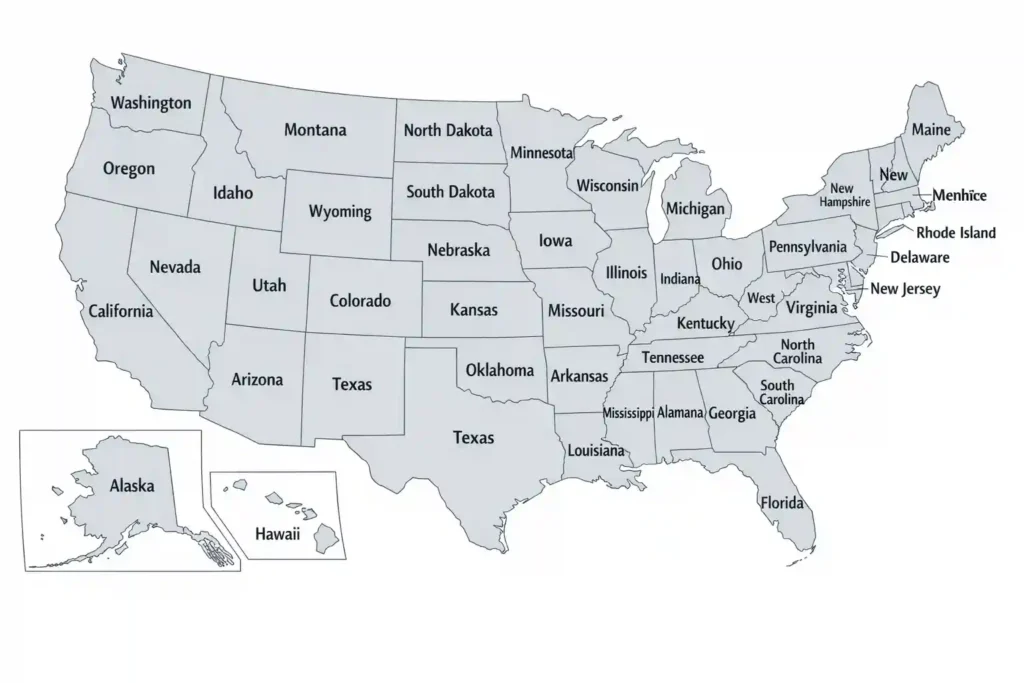
The United States supports one of the most diverse bird populations in the world. From Arctic tundra in Alaska to subtropical wetlands in Florida, the country provides habitat for hundreds of resident and migratory species throughout the year.
More than 900 bird species have been recorded across the U.S., and that number continues to grow as rare sightings are documented. Some birds live here year-round. Others arrive only during spring breeding season. Many pass through during migration, using established flyways that stretch across continents.
Whether you’re exploring backyard birds, planning a birdwatching trip, or researching species found in your state, this guide provides a complete national overview with regional insights and connections to detailed state-level bird guides.
How Many Bird Species Live in the United States?
Over 900 species have been officially recorded in the United States. However, not all of them are permanent residents.
Bird presence in the U.S. falls into four primary categories:
| Category | Description | Example |
| Permanent Residents | Live year-round in parts of the U.S. | Northern Cardinal |
| Breeding Migrants | Arrive in spring to nest | Ruby-throated Hummingbird |
| Winter Visitors | Spend colder months in the U.S. | Snowy Owl |
| Rare / Accidental | Occasionally recorded outside normal range | Tropical vagrants |
Permanent Residents
These species remain in the same general region throughout the year. Their range may shift slightly based on food availability, but they do not migrate long distances. Examples include the Northern Cardinal, Blue Jay, and American Crow.
Permanent residents are commonly seen in backyard habitats and urban areas, making them familiar to most Americans.
Breeding Migrants
Many species travel thousands of miles each spring to breed in the United States. They take advantage of warmer temperatures and abundant food supplies during the nesting season.
Examples include:
- Warblers
- Hummingbirds
- Many shorebirds
- Certain raptors
These birds typically arrive between March and May and begin migrating south again in late summer or early fall.
Winter Visitors
Some species breed in Canada or the Arctic and move south into the United States for the winter months.
Common winter visitors include:
- Snowy Owls
- Dark-eyed Juncos (in southern states)
- Certain waterfowl species
Winter bird populations can look completely different from summer populations in many northern states.
Rare and Accidental Species
Occasionally, birds appear outside their normal geographic range. These rare sightings may result from storms, navigation errors, or climate-related shifts.
Southern border states such as Texas and Arizona often record tropical species that wander north from Mexico.
Major Bird Habitats Across the United States
The reason the U.S. supports such a high number of species is simple: habitat diversity. The country includes nearly every major ecosystem type.
Let’s break down the major habitat categories.
Forest Birds
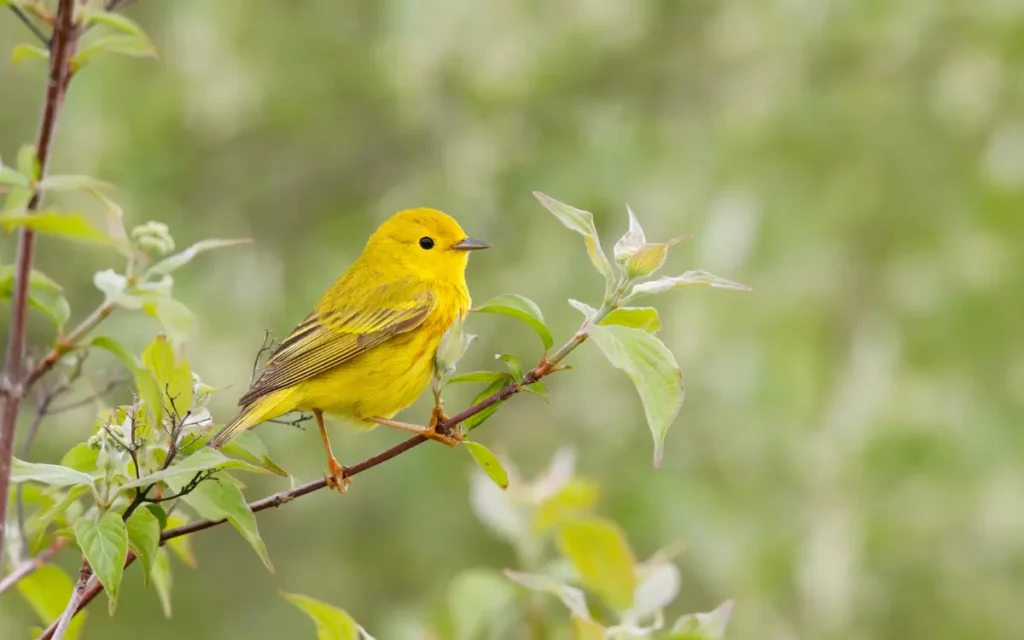
Large portions of the eastern and western United States are covered in forest ecosystems. These support:
- Woodpeckers
- Warblers
- Thrushes
- Owls
- Hawks
Eastern hardwood forests differ from western conifer forests, meaning species composition changes by region.
States like Connecticut, New Hampshire, and West Virginia support dense forest bird populations.
Desert Birds
The southwestern United States features desert ecosystems found primarily in:
- Arizona
- Southern California
- Parts of Texas
Desert birds are specially adapted to hot, dry conditions. Many hummingbird species thrive here, along with cactus wrens and roadrunners.
Desert habitats often overlap with Mexican bird ranges, increasing species diversity in border states.
Grassland Birds
The central U.S. contains prairie and grassland ecosystems. These are important for:
- Meadowlarks
- Grasshopper Sparrows
- Prairie raptors
- Certain migratory species
Illinois and other Midwest states historically supported large grassland bird populations, though habitat loss has reduced some numbers.
Wetland and Marsh Birds
Wetlands are some of the most productive bird habitats in the country.
Found heavily in:
- Florida
- Louisiana
- Coastal Texas
- Delaware
These areas support:
- Herons
- Egrets
- Ibises
- Ducks
- Shorebirds
Wetlands also serve as critical migration stopovers.
Coastal and Seabirds
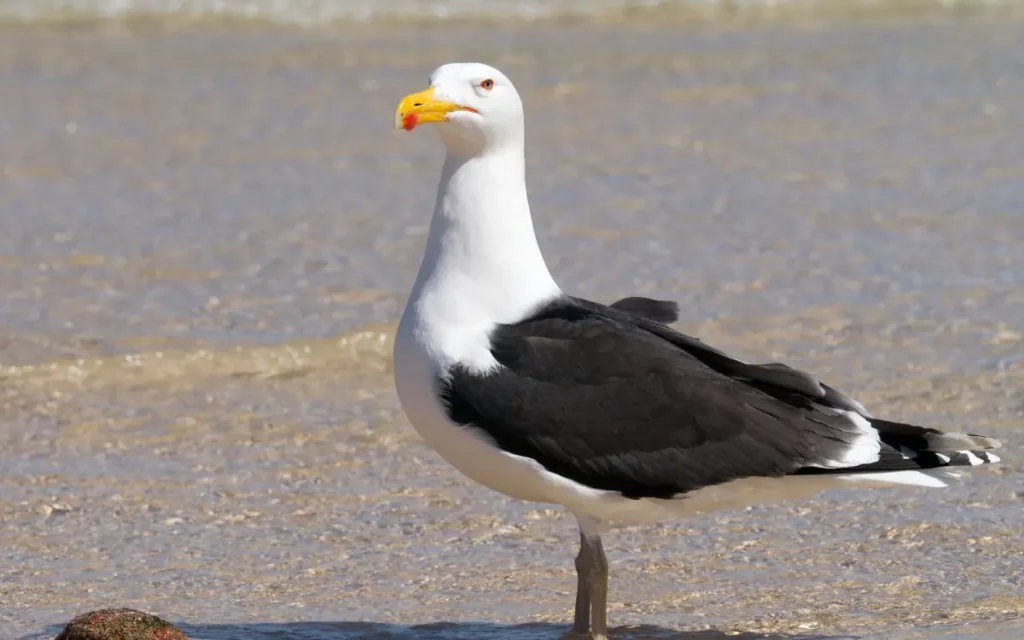
The United States has thousands of miles of coastline along the Atlantic, Pacific, and Gulf of Mexico.
Coastal habitats support:
- Pelicans
- Gulls
- Terns
- Sandpipers
- Seabirds
California and Florida offer particularly strong coastal diversity.
Mountain and Alpine Birds
High-elevation ecosystems in states such as Colorado and Wyoming support unique bird communities.
These include:
- Alpine songbirds
- High-elevation raptors
- Short-season breeding specialists
Mountain birds often have limited ranges and shorter nesting periods due to climate conditions.
Arctic Tundra Birds (Alaska)
Alaska stands apart from the rest of the country.
During summer, it becomes one of the most important breeding grounds for migratory birds in North America.
Species travel from:
- South America
- Central America
- Southern United States
To nest in Alaska’s tundra ecosystems.
Shorebirds and waterfowl are especially abundant during the short Arctic breeding season.
Bird Regions of the United States

While the United States contains 50 individual states, bird diversity is better understood through ecological regions. Climate, elevation, and geography influence which species live in each area.
Understanding these regions helps explain why certain birds appear in one part of the country but not another.
Southeast United States
The Southeast includes states such as:
- Florida
- Louisiana
- South Carolina
- Alabama
This region supports some of the highest bird diversity in the country due to:
- Warm climate
- Coastal wetlands
- Marsh systems
- Long growing seasons
The Southeast lies along the Atlantic Flyway, making it a major migration corridor.
Common bird groups here include:
- Wading birds (herons, egrets, ibises)
- Coastal shorebirds
- Year-round backyard songbirds
- Wintering waterfowl
Florida alone consistently ranks among the top states for bird species recorded annually.
Southwest United States
The Southwest includes:
- Texas
- Arizona
- Southern California
This region is particularly important for hummingbirds and desert species.
Why diversity is high here:
- Desert ecosystems
- Border overlap with Mexico
- Central Flyway migration route
- Varied elevation zones
Texas often ranks as the state with the highest total bird species count in the U.S., partly because it combines coastal, desert, forest, and grassland habitats.
Northeast United States
States such as:
- Connecticut
- New Hampshire
Experience strong seasonal bird changes.
The Northeast is defined by:
- Deciduous forests
- Cold winters
- Intense spring and fall migration waves
Bird diversity spikes during migration seasons when warblers, thrushes, and other songbirds pass through in large numbers.
Winter bird populations are much smaller than summer populations in this region.
Midwest United States
The Midwest includes:
- Illinois
- Surrounding prairie states
Grasslands, agricultural fields, and river systems define this region.
Key features:
- Mississippi Flyway corridor
- Waterfowl migration routes
- Prairie bird species
- Farmland-adapted birds
Large river systems play a critical role in migration timing and bird concentration.
Mountain West
States such as:
- Colorado
- Wyoming
Offer elevation-driven bird diversity.
Higher elevations create unique bird zones not found in lowland regions.
Species here often:
- Breed at high altitude
- Migrate vertically (down mountain slopes in winter)
- Have shorter breeding seasons
The Mountain West also supports a variety of raptors due to open terrain.
Pacific Coast
California represents the core Pacific region.
This area includes:
- Coastal cliffs
- Wetlands
- Forest ecosystems
- Mountain habitats
The Pacific Flyway brings millions of birds through this region each year.
California consistently ranks near the top in overall species count due to coastal access and diverse habitats.
Arctic North (Alaska)
Alaska deserves its own classification.
It supports:
- Massive breeding colonies
- Arctic specialists
- Short but intense nesting season
During summer months, bird density in Alaska increases dramatically.
Species migrate thousands of miles from South America to breed here.
Despite harsh winters, Alaska remains one of the most important bird states in the country.
Bird Migration Flyways in the United States
Migration is one of the defining features of U.S. bird life.
Four major flyways guide seasonal movement across the country.
Atlantic Flyway
Covers the eastern seaboard.
States heavily influenced:
- Florida
- South Carolina
- Delaware
- Connecticut
This flyway supports:
- Shorebirds
- Warblers
- Coastal waterfowl
Spring and fall migration are peak birdwatching seasons along the Atlantic coast.
Mississippi Flyway
Runs down the central U.S. along the Mississippi River.
Influences:
- Illinois
- Louisiana
- Arkansas
This flyway is especially important for:
- Ducks
- Geese
- Cranes
- Wading birds
Wetland habitats along this corridor create critical stopover points.
Central Flyway
Passes through:
- Texas
- Colorado
- Wyoming
This route supports:
- Grassland birds
- Waterfowl
- Raptors
Texas serves as a major entry and exit point for migratory birds using this corridor.
Pacific Flyway
Runs along the West Coast.
Strongly affects:
- California
- Alaska
This route supports:
- Coastal shorebirds
- Seabirds
- Western songbirds
California wetlands provide some of the most important migration stopovers in North America.
Flyway Comparison Table
| Atlantic | East Coast | Shorebirds, Warblers |
| Mississippi | Central U.S. | Waterfowl, Cranes |
| Central | Plains & Southwest | Raptors, Grassland Birds |
| Pacific | West Coast | Seabirds, Western Migrants |
Understanding flyways explains why bird sightings shift dramatically from season to season.
Most Common Bird Groups in the United States
The United States supports a wide range of bird families. While regional differences exist, several major bird groups appear across multiple states.
Breaking birds into groups helps readers understand patterns of behavior, habitat, and identification.
Songbirds (Passerines)
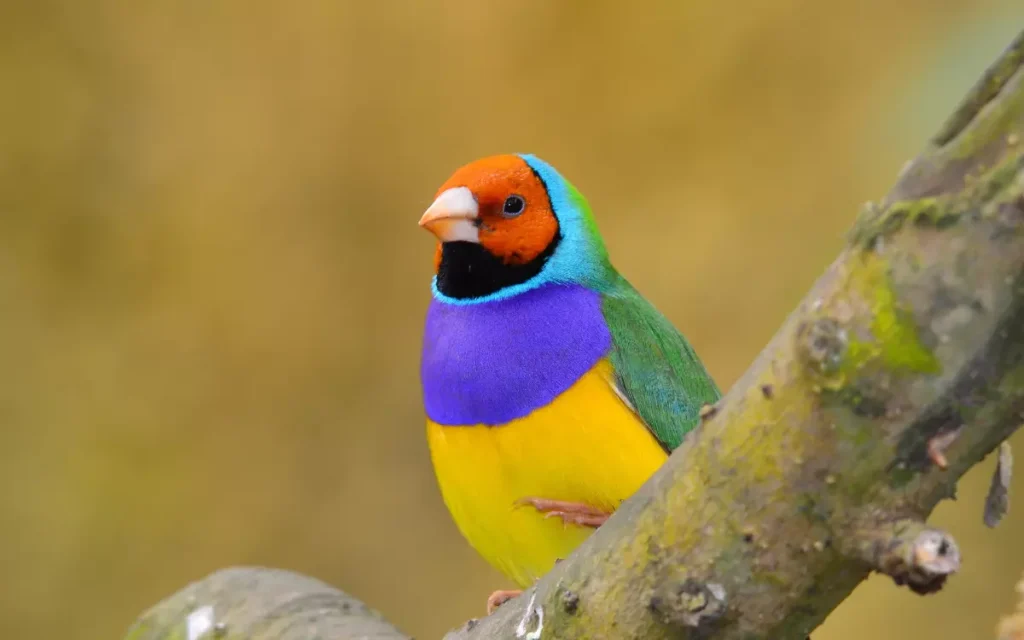
Songbirds make up the largest percentage of U.S. bird species.
They include:
- Warblers
- Sparrows
- Thrushes
- Finches
- Cardinals
Most backyard birds fall into this category.
Songbirds are especially active during spring and summer breeding season. Many migrate long distances between North America and Central or South America.
Eastern forests and southern wetlands support especially high songbird diversity.
Birds of Prey
Raptors are found across every U.S. state.
This group includes:
- Hawks
- Eagles
- Falcons
- Ospreys
- Kites
Open landscapes in states like Texas, Wyoming, and Colorado support large raptor populations.
Wetland regions also attract fish-eating species such as Ospreys.
Waterfowl
Ducks, geese, and swans dominate wetlands and freshwater habitats.
The Mississippi and Central Flyways are especially important for waterfowl migration.
States with strong wetland systems such as Louisiana, Florida, and Illinois see large seasonal waterfowl populations.
Shorebirds
Shorebirds migrate along coastlines and inland wetlands.
Common in:
- California
- Florida
- Delaware
- Alaska
Many shorebirds travel thousands of miles between Arctic breeding grounds and South American wintering areas.
Hummingbirds
Hummingbirds are most diverse in the western and southern United States.
Texas and Arizona record the highest hummingbird diversity.
Eastern states typically host only one regular breeding species, while western states may see multiple species throughout the year.
Woodpeckers
Woodpeckers are widespread across forested regions.
They:
- Remain year-round in many areas
- Adapt well to suburban environments
- Serve important ecological roles by controlling insect populations
Eastern forests and western woodlands both support strong woodpecker diversity.
Owls
Owls are found in every region of the country.
Different species adapt to:
- Forest habitats
- Grasslands
- Arctic tundra
- Urban environments
Winter months often bring increased owl visibility in northern states.
Which States Have the Highest Bird Species Counts?
Some states consistently rank higher in total bird species recorded.
This usually depends on:
- Habitat variety
- Geographic location
- Migration corridors
- Coastal access
Here’s a comparison of states known for high bird diversity:
| Texas | Coastal + desert + forest + migration overlap |
| California | Coastal + mountain + wetlands |
| Florida | Wetlands + tropical climate |
| Arizona | Desert + Mexican border overlap |
| Alaska | Massive breeding influx |
Texas typically ranks as the most species-rich state due to its location along the Central Flyway and proximity to Mexico.
California and Florida follow closely behind.
Explore Birds by State
Below are the states currently covered in our detailed bird guides:
- Alaska
- Alabama
- Arizona
- Arkansas
- California
- Colorado
- Connecticut
- Delaware
- Florida
- Illinois
- Louisiana
- New Hampshire
- South Carolina
- Texas
- West Virginia
- Wyoming
Each state guide includes:
- Small birds
- Birds of prey
- Water birds
- Hummingbirds
- Seasonal bird timing
- Habitat notes
More state guides are being added as we expand coverage nationwide.
Upcoming State Bird Guides
We are continuing to build comprehensive bird coverage for all 50 states.
Upcoming states include:
- Georgia
- North Carolina
- Virginia
- Pennsylvania
- New York
- Michigan
- Ohio
- Oklahoma
- Nevada
- Utah
- Oregon
- Washington
- Idaho
- Montana
- Maine
- Vermont
- Rhode Island
- Massachusetts
- New Jersey
- Maryland
- Mississippi
- Tennessee
- Kentucky
- Indiana
- Minnesota
- Iowa
- Kansas
- Nebraska
- South Dakota
- North Dakota
- Hawaii
As new guides are published, they will be linked here to complete the national directory.
Seasonal Bird Changes Across the United States
Bird populations shift dramatically throughout the year.
Understanding seasonal changes improves identification and birdwatching success.
Spring Migration
Between March and May:
- Warblers move north
- Hummingbirds arrive
- Raptors follow warming air currents
- Shorebirds pass through wetlands
Spring is often the most active birding season nationwide.
Summer Breeding Season
From May through July:
- Songbirds establish territories
- Hummingbirds nest
- Arctic species breed in Alaska
- Waterfowl raise young
Bird diversity peaks in northern states during summer.
Fall Migration
Between August and October:
- Birds move south
- Coastal regions see heavy shorebird traffic
- Raptors migrate along mountain ridges
Fall migration can rival spring in total bird numbers.
Winter Bird Patterns
From November through February:
- Northern species move south
- Waterfowl concentrate in warmer wetlands
- Some states see reduced diversity
- Others (like Florida and Texas) gain winter visitors
Winter birdwatching varies significantly by region.
Frequently Asked Questions
How many bird species are found in the United States?
More than 900 species have been recorded, including resident, migratory, and rare visitors.
Which U.S. state has the most bird species?
Texas consistently ranks highest due to habitat diversity and migration overlap.
Are hummingbirds found in every U.S. state?
Most states see at least one hummingbird species seasonally, though northern states typically host them only during breeding season.
What is the best state for birdwatching?
Texas, California, and Florida are often considered top destinations due to species diversity and habitat range.
Do bird species change depending on season?
Yes. Migration significantly shifts species presence throughout the year.
Final Thoughts
The United States offers exceptional bird diversity shaped by climate, geography, and migration. From desert hummingbirds in Arizona to Arctic breeders in Alaska, every region contributes something unique to the national bird landscape.
Use this guide as your starting point. Then explore detailed state bird pages to discover the species found in your region.
Bird diversity is not static it changes with season, habitat, and migration timing. The more you explore, the more patterns you’ll begin to recognize.