Birds in Wyoming: Identification Guide for Birdwatchers
Wyoming is a wide-open state with big skies, mountain ranges, sagebrush flats, grasslands, rivers, lakes, forests, canyons, and alpine country. That mix makes it a rewarding place to watch birds, especially if you enjoy open landscapes and mountain habitats.
Birding here can feel different from birding in smaller, greener states. Birds may be spread out across large areas, so habitat matters a lot. A bird on a sagebrush flat, a bird near a river, and a bird in a mountain forest may all belong to very different groups.
This page is your Wyoming bird hub. Use it to learn common birds, explore habitats, find birdwatching places, and open our Wyoming bird guides as more pages are added.
Explore more state from here: 50 State Bird Guides
Wyoming Birding Overview
Wyoming birding is shaped by elevation, open land, and water. The state has sagebrush country, shortgrass prairie, mountain forests, alpine tundra, wetlands, reservoirs, rivers, and canyon habitats.
Sagebrush areas are especially important for birds such as Greater Sage-Grouse, Sage Thrasher, Brewer’s Sparrow, and other dry-country species. Mountain areas can bring jays, nutcrackers, chickadees, nuthatches, woodpeckers, grouse, and high-elevation birds. Wetlands and rivers can attract cranes, ducks, geese, swans, herons, and shorebirds.
| Wyoming Birding Fact | Details |
| Recorded bird species | Over 470 species breed, winter, or migrate through Wyoming |
| State bird | Western Meadowlark |
| State bird adopted | February 5, 1927 |
| Best spring birding months | April to June |
| Best fall birding months | August to October |
| Strong birding habitats | Sagebrush, grasslands, mountains, forests, rivers, wetlands, lakes, and reservoirs |
| Good for beginners? | Yes, especially around parks, lakes, rivers, refuges, scenic roads, and backyard feeders |
Common Birds Found in Wyoming
Wyoming has many bird species, but these are good starting birds for beginners. Most are noticeable, tied to common habitats, or helpful for learning how birds change by region and elevation.
Western Meadowlark
The Western Meadowlark is Wyoming’s state bird. It has a bright yellow chest, a black V-shaped mark on the breast, brown streaked upperparts, and a rich song often heard across open country.
Look for it on fence posts, grasslands, pastures, sagebrush edges, and open fields. Its song is one of the classic sounds of Wyoming’s open landscapes.
Mountain Bluebird
The Mountain Bluebird is one of Wyoming’s most eye-catching open-country birds. Males are bright blue, while females are softer gray-blue with pale underparts.
You may see them in meadows, sagebrush edges, fence lines, ranchlands, open forest clearings, and mountain parks. They often perch low, then drop to the ground to catch insects.
Black-billed Magpie
The Black-billed Magpie is bold, long-tailed, and easy to recognize. It has black-and-white plumage with blue-green shine in the wings and tail.
Magpies are common around towns, ranches, roadsides, riparian areas, and open country. They are smart, social birds and often make loud calls.
Common Raven
The Common Raven is a large black bird with a heavy bill, wedge-shaped tail, and deep voice. It is common across many Wyoming habitats.
You may see ravens in mountains, canyons, towns, sagebrush country, roadsides, and national parks. They often soar, call from high perches, or play in the wind.
Red-tailed Hawk
The Red-tailed Hawk is one of Wyoming’s most familiar raptors. It is often seen soaring over open country or perched on poles, fence posts, cliffs, and trees.
Adults usually show a reddish tail in good light. Look for them in grasslands, ranchland, sagebrush areas, foothills, open valleys, and highway corridors.
Canada Goose
Canada Geese are common around Wyoming lakes, rivers, reservoirs, ponds, parks, and wetlands. They are large birds with black necks, white cheek patches, and loud calls.
They are easy for beginners to recognize and often gather near open water and grassy areas.
Sandhill Crane
The Sandhill Crane is a tall gray bird with long legs, a long neck, and a red patch on the head.
In Wyoming, cranes are often tied to wetlands, river valleys, wet meadows, and open fields. Their loud rolling calls can carry a long distance.
Clark’s Nutcracker
Clark’s Nutcracker is a mountain bird often seen in conifer forests and higher elevations. It is gray with black wings, white wing patches, and a sharp bill.
You may see it around mountain roads, campgrounds, overlooks, and forest edges. This bird is strongly connected to high-elevation pine forests.
Birds in Wyoming by Habitat
Habitat is one of the best ways to identify birds in Wyoming. Start by asking where the bird was seen before focusing on color alone.
| Habitat | Birds You May See |
| Backyards and towns | House Finch, American Robin, Black-billed Magpie, Mourning Dove, Downy Woodpecker |
| Grasslands and open fields | Western Meadowlark, Horned Lark, Mountain Bluebird, Red-tailed Hawk, American Kestrel |
| Sagebrush country | Greater Sage-Grouse, Sage Thrasher, Brewer’s Sparrow, Vesper Sparrow, Sagebrush Sparrow |
| Rivers and riparian areas | Belted Kingfisher, Yellow Warbler, Willow Flycatcher, Great Blue Heron, swallows |
| Lakes and wetlands | Canada Goose, Mallard, Trumpeter Swan, Sandhill Crane, ducks, grebes |
| Mountain forests | Clark’s Nutcracker, Steller’s Jay, Mountain Chickadee, Red-breasted Nuthatch, woodpeckers |
| Alpine areas | White-tailed Ptarmigan, American Pipit, rosy-finches, ravens |
| Canyons and cliffs | Golden Eagle, Prairie Falcon, Canyon Wren, swifts, ravens |
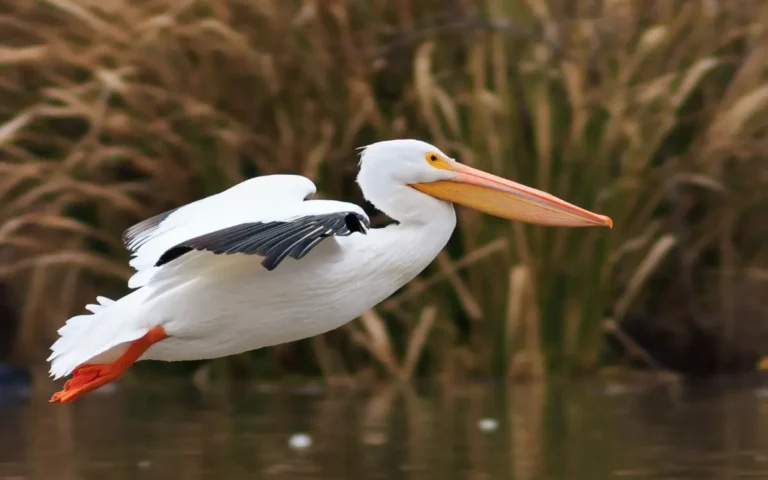
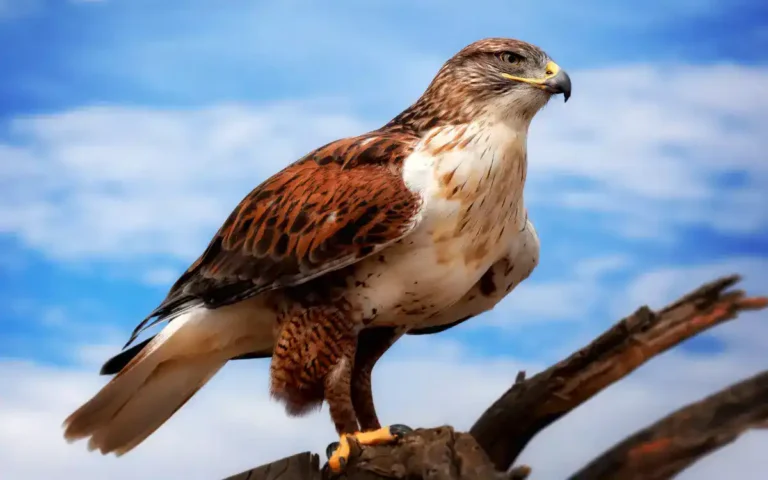
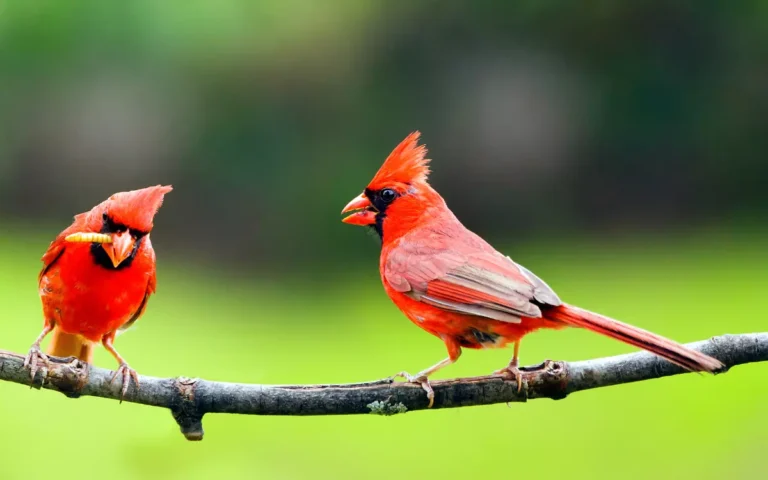
Explore Wyoming Bird Species Guides
Use these Wyoming guides when you want to learn more about a specific bird group.
Best Time to Watch Birds in Wyoming
Birdwatching in Wyoming changes strongly by season and elevation. Spring and summer are great for singing birds and breeding activity. Fall brings migration, while winter can be good for raptors, feeder birds, and hardy mountain species.
| Season | What to Look For |
| Spring | Meadowlarks, cranes, ducks, sage-grouse activity, returning songbirds |
| Summer | Mountain birds, grassland birds, nesting songbirds, raptors, cranes |
| Fall | Migrating raptors, ducks, shorebirds, sparrows, cranes, waterfowl |
| Winter | Eagles, hawks, owls, ravens, chickadees, juncos, open-water birds |
Spring
Spring is one of the best times to watch birds in Wyoming. Meadowlarks begin singing, cranes return to wetlands, waterfowl move through lakes and rivers, and sagebrush birds become more active.
Some higher-elevation areas may still be snowy, so lower valleys, wetlands, grasslands, and river corridors can be easier places to begin.
Summer
Summer is strong for mountain birding and open-country birding. Birds are nesting, feeding young, singing, and defending territories.
Mountain trails, sagebrush flats, wetlands, river corridors, and national parks can all be productive. Early morning is usually best.
Fall
Fall brings migration through wetlands, reservoirs, river valleys, and open country. Raptors may be easier to notice as they move along ridges and wide landscapes.
Water levels and weather can change what you see, so check lakes, mudflats, and open fields when conditions look good.
Winter
Winter birding in Wyoming is quieter but still worthwhile. Ravens, chickadees, magpies, juncos, eagles, hawks, and some owls may be easier to find.
Open water areas can hold ducks, geese, swans, and other water birds when much of the landscape is frozen.
Best Bird Watching Spots in Wyoming
Wyoming has many strong birding places, from famous national parks to quiet refuges, reservoirs, and sagebrush country.
Yellowstone National Park
Yellowstone is one of Wyoming’s best-known wildlife areas and can be excellent for birding too. The park has valleys, rivers, forests, lakes, wetlands, thermal areas, and mountain habitats.
Look for waterfowl, cranes, raptors, ravens, woodpeckers, jays, nutcrackers, and birds tied to open valleys or forest edges. Birding changes by elevation and season.
Grand Teton National Park
Grand Teton National Park offers mountain, lake, wetland, sagebrush, river, and forest habitats in one area.
Look for waterfowl, raptors, cranes, jays, nutcrackers, woodpeckers, warblers, and open-country birds. Early morning along lakes, rivers, and open meadows can be especially rewarding.
Seedskadee National Wildlife Refuge
Seedskadee National Wildlife Refuge follows the Green River and is a strong place for riparian birding in southwestern Wyoming.
Look for waterfowl, cranes, herons, kingfishers, raptors, songbirds, and birds using cottonwood and willow habitat.
Keyhole State Park
Keyhole State Park in northeastern Wyoming has reservoir, woodland, grassland, and shoreline habitat.
It can be useful for water birds, gulls, shorebirds, raptors, and open-country birds. Scan the water, shoreline, and nearby trees carefully.
Devil’s Tower National Monument
Devil’s Tower and the surrounding area offer forest, grassland, cliff, and river-edge habitat.
Look for raptors, swifts, woodpeckers, jays, meadowlarks, sparrows, and birds using rocky or wooded edges.
Bear River State Park
Bear River State Park near Evanston is an accessible place for beginner birders. River habitat, trails, open areas, and nearby water can attract songbirds, water birds, raptors, and common local species.
It is a good choice for relaxed birding close to town.
Backyard Birding Tips for Wyoming
Backyard birding in Wyoming depends on elevation, weather, water, trees, and nearby habitat. A yard in a mountain town may attract different birds than a yard in sagebrush country or along a river valley.
| What to Add | Birds It May Attract |
| Black oil sunflower seeds | Finches, chickadees, nuthatches, jays, grosbeaks |
| Suet | Woodpeckers, chickadees, nuthatches, jays |
| Clean water source | Robins, finches, sparrows, magpies, warblers |
| Native shrubs | Sparrows, towhees, waxwings, robins, finches |
| Conifer cover | Chickadees, nuthatches, jays, crossbills |
| Nest boxes | Mountain Bluebirds, wrens, chickadees, swallows |
Water can be very helpful in dry parts of Wyoming. Keep birdbaths clean and place feeders where birds have nearby cover from wind and predators.
Simple Wyoming Bird Identification Tips
Wyoming bird identification often starts with habitat. A bird on a sagebrush flat, a bird near a river, and a bird in a mountain forest may be completely different.
| Clue | What to Notice |
| Habitat | Sagebrush, grassland, mountain forest, river, lake, wetland, canyon |
| Elevation | Low valley, foothill, mountain forest, alpine area |
| Size | Sparrow-sized, robin-sized, magpie-sized, goose-sized, hawk-sized |
| Shape | Long bill, thick bill, long tail, pointed wings, rounded body, long legs |
| Behavior | Soaring, running, wading, diving, climbing, flocking, singing from fence posts |
| Sound | Song, call, drumming, croak, whistle, chatter |
| Season | Year-round, summer breeder, spring migrant, fall migrant, winter visitor |
In Wyoming, open space can make birds look smaller or farther away than expected. Binoculars help, but patience and habitat clues help even more.
Wyoming Birding Ethics and Local Resources
Wyoming has fragile alpine areas, sagebrush nesting habitat, wetlands, private ranchlands, and remote public lands. Good birdwatching should protect birds and respect the land.
Good birding habits:
- Keep distance from nests, leks, and young birds.
- Do not chase birds for photos.
- Watch sage-grouse from a respectful distance and follow local rules.
- Use bird calls or playback carefully.
- Stay on marked routes in fragile alpine or wetland areas.
- Respect private ranches and posted land.
- Keep dogs away from nesting or resting birds.
- Carry water, layers, and weather gear.
- Leave feathers, eggs, plants, and habitat where you find them.
For local planning, check Wyoming Game and Fish bird resources, refuge pages, park checklists, and local birding groups before visiting remote areas.
FAQs
What is the state bird of Wyoming?
The state bird of Wyoming is the Western Meadowlark. Wyoming adopted the meadowlark as its state bird on February 5, 1927.
How many bird species are found in Wyoming?
Wyoming Game & Fish notes that over 470 species of birds breed, winter, or migrate through Wyoming.
What birds are common in Wyoming backyards?
Common Wyoming backyard birds may include House Finches, American Robins, Black-billed Magpies, chickadees, Mourning Doves, Downy Woodpeckers, Northern Flickers, and Dark-eyed Juncos, depending on location and season.
When is the best time to go birdwatching in Wyoming?
Spring and summer are excellent for singing birds, sagebrush birds, mountain birds, cranes, and nesting activity. Fall is good for migration, while winter can be useful for raptors, ravens, juncos, chickadees, and open-water birds.
Are Bald Eagles found in Wyoming?
Yes, Bald Eagles are found in Wyoming, especially near rivers, reservoirs, lakes, wetlands, and open water areas. Winter and migration seasons can be good times to watch for them.
What birds come to feeders in Wyoming?
Wyoming feeder birds may include House Finches, chickadees, nuthatches, woodpeckers, jays, Dark-eyed Juncos, Pine Siskins, and American Goldfinches, depending on region and season.
Where should beginners watch birds in Wyoming?
Beginners can start at local parks, lakes, rivers, reservoirs, wildlife refuges, campgrounds, scenic roads, and backyard feeders. Yellowstone, Grand Teton, Seedskadee National Wildlife Refuge, Keyhole State Park, and Bear River State Park are good places to explore.