
Birds in Arizona: Identification Guide for Birdwatchers
Arizona is one of the most exciting states for birdwatching because the habitats change fast. You can move from cactus-filled desert to pine forest, canyon streams, grasslands, wetlands, and mountain “sky islands” in the same region.
That variety makes Arizona a favorite state for both beginners and serious birders. Some birds are easy to see around yards and parks, while others are tied to desert washes, riparian corridors, high-elevation forests, or southern Arizona canyons.
This page is your Arizona bird hub. Use it to learn common birds, explore habitats, find birdwatching places, and open our Arizona bird guides as more pages are added.
Explore more state from here: 50 State Bird Guides
Arizona Birding Overview
Arizona birding is shaped by heat, elevation, water, and migration. Desert birds are common around saguaro, cholla, mesquite, and open scrub. Riparian areas can be full of songbirds because water is so valuable in dry landscapes. Higher mountains bring a cooler mix of jays, woodpeckers, warblers, owls, and other forest birds.
Southern Arizona is especially famous among birders because it has species that are hard to find in many other parts of the United States.
| Arizona Birding Fact | Details |
| State bird | Cactus Wren |
| State bird year | 1931 |
| Best spring birding months | March to May |
| Best summer birding months | June to August, especially in higher elevations and canyons |
| Best fall birding months | August to October |
| Strong birding habitats | Desert, canyons, riparian areas, wetlands, grasslands, mountains, pine forests |
| Good for beginners? | Yes, especially around parks, desert trails, feeders, ponds, and nature preserves |
Common Birds Found in Arizona
Arizona has many special birds, but beginners can start with the species they are most likely to notice around neighborhoods, desert parks, trails, ponds, and open country.
Cactus Wren
The Cactus Wren is Arizona’s state bird. It is large for a wren, with a bold white eyebrow, spotted chest, brown upperparts, and a long tail.
You may see it around cactus, desert scrub, yards with native plants, and dry washes. It often moves confidently through cholla, prickly pear, mesquite, and other desert plants.
Gambel’s Quail
Gambel’s Quail is one of the most charming desert birds in Arizona. It has a round body, small head plume, and a busy walking style.
These quail often move in groups across yards, washes, roadsides, and desert neighborhoods. Listen for their clear calls, especially in the morning.
Gila Woodpecker
The Gila Woodpecker is a classic desert bird in Arizona. It has a barred back, tan head, and a loud voice.
It often nests in holes made in saguaro cactus. You may also see it around palm trees, yards, feeders, desert parks, and riparian areas.
Curve-billed Thrasher
The Curve-billed Thrasher is a gray-brown desert bird with a long curved bill and bright orange-yellow eyes.
It often runs on the ground, sings from cactus tops, and forages around desert shrubs. It can look plain at first, but the curved bill and bold behavior help with identification.
Verdin
The Verdin is a tiny desert bird with a yellow head and a small chestnut patch on the shoulder.
It moves quickly through thorny shrubs, mesquite, palo verde, and desert trees. Because it is small and active, it is often easier to hear before you see it.
Great-tailed Grackle
The Great-tailed Grackle is common in many Arizona towns, parking lots, parks, farms, and wet areas.
Males are glossy black with long tails and loud calls. Females are smaller and brown. These birds are bold, social, and easy to notice.
Mourning Dove
The Mourning Dove is a soft gray-brown bird with a small head, long pointed tail, and gentle cooing call.
It is common in yards, desert edges, open ground, farms, towns, and under feeders. Its fast wingbeats may make a whistling sound when it takes off.
Red-tailed Hawk
The Red-tailed Hawk is a common raptor across Arizona. It is often seen soaring over open country or perched on poles, cliffs, trees, and roadside posts.
Adults often show a reddish tail in good light. These hawks hunt in deserts, grasslands, farmland, canyons, and open woodland.
Birds in Arizona by Habitat
Arizona bird identification becomes much easier when you notice habitat. A bird in a cactus patch, a creekside cottonwood, and a pine forest may all come from very different groups.
| Habitat | Birds You May See |
| Desert scrub | Cactus Wren, Gambel’s Quail, Verdin, Curve-billed Thrasher, Black-throated Sparrow |
| Saguaro desert | Gila Woodpecker, Gilded Flicker, Cactus Wren, Costa’s Hummingbird |
| Riparian areas | Vermilion Flycatcher, Yellow Warbler, Bell’s Vireo, kingfishers, towhees |
| Wetlands and ponds | Egrets, herons, ducks, grebes, rails, shorebirds |
| Grasslands | Scaled Quail, meadowlarks, sparrows, Northern Harrier, American Kestrel |
| Canyons | Mexican Jay, Bridled Titmouse, Elegant Trogon, Painted Redstart, hummingbirds |
| Pine forests and mountains | Steller’s Jay, Acorn Woodpecker, Mountain Chickadee, nuthatches, warblers |
| Towns and neighborhoods | Great-tailed Grackle, Mourning Dove, House Finch, Anna’s Hummingbird, Lesser Goldfinch |
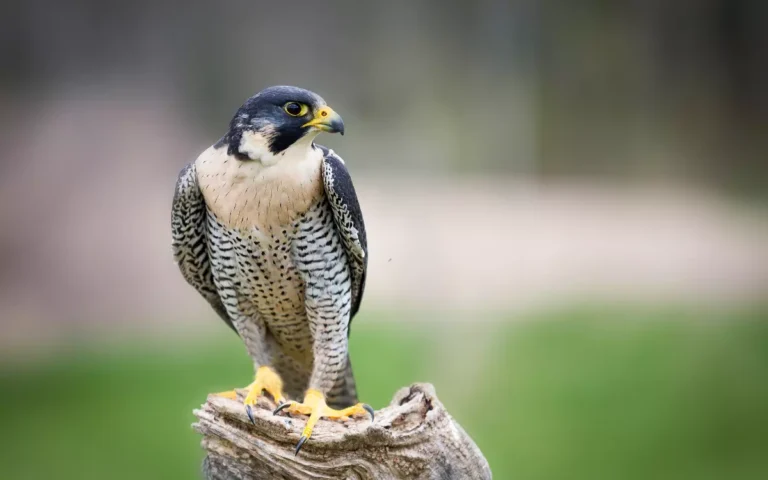
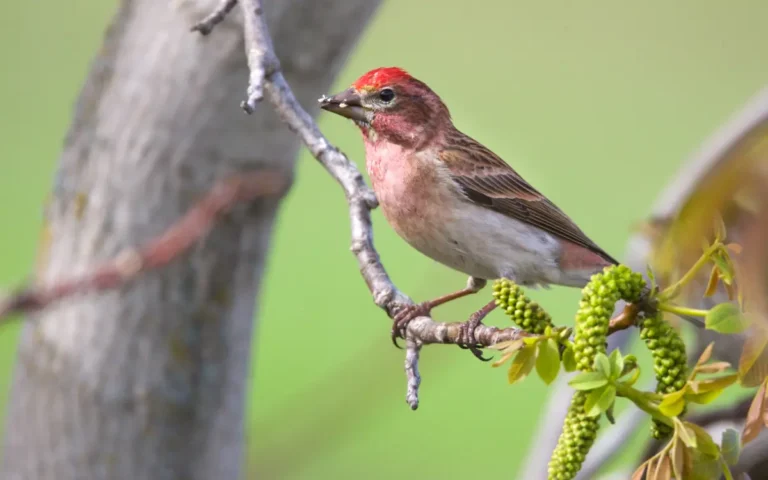
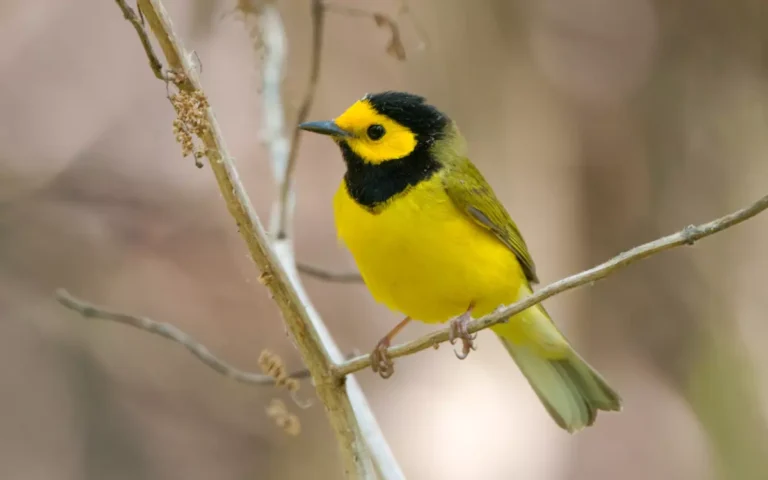
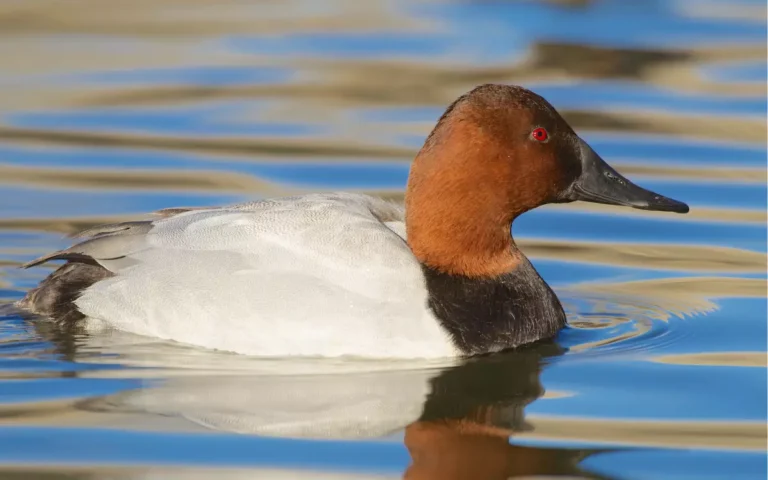
Explore Arizona Bird Species Guides
Use these Arizona guides when you want to learn more about a specific bird group.
Best Time to Watch Birds in Arizona
Birding in Arizona changes by elevation and season. Desert birding can be best early in the day, while mountain and canyon birding may stay comfortable longer during warmer months.
| Season | What to Look For |
| Spring | Migration, nesting birds, desert song, hummingbirds, warblers |
| Summer | Canyon birds, mountain birds, breeding activity, hummingbirds |
| Fall | Migrating shorebirds, songbirds, raptors, hummingbirds |
| Winter | Sparrows, waterfowl, raptors, desert birds, feeder birds |
Spring
Spring is one of the best times to bird in Arizona. Desert birds become more active, migrants pass through, and many birds start singing or nesting.
Early mornings are best, especially in low desert areas where heat builds quickly.
Summer
Summer birding can be excellent in Arizona, but location matters. Lower desert areas can be very hot, while mountain areas, canyons, and shaded riparian zones may be more productive.
This is also a strong time for hummingbirds in many parts of the state.
Fall
Fall migration can bring movement through wetlands, ponds, desert edges, and riparian corridors. Some birds look less bright than in spring, so behavior and habitat become more useful for identification.
This is a good season for checking water sources.
Winter
Winter birding in Arizona can be very enjoyable. Desert trails, wetlands, parks, and open fields may hold sparrows, raptors, ducks, and year-round desert birds.
Cooler temperatures make many desert birding walks easier than in summer.
Best Bird Watching Spots in Arizona
Arizona has many well-known birding areas. Some are easy to visit from major cities, while others are better for dedicated birding trips.
Madera Canyon
Madera Canyon is one of Arizona’s classic birding destinations. It has oak woodland, canyon habitat, feeders, trails, and mountain slopes.
Birders visit for hummingbirds, Mexican Jays, woodpeckers, flycatchers, warblers, and other southern Arizona specialties.
Ramsey Canyon Preserve
Ramsey Canyon is famous for hummingbirds and canyon birding. It has shady habitat, flowing water in some seasons, and a strong mix of desert, oak, and mountain influences.
It is a good place to move slowly, listen carefully, and watch flowering plants and feeders.
Patagonia Lake State Park
Patagonia Lake offers water, riparian growth, open areas, and nearby desert habitats. It can be good for water birds, flycatchers, warblers, hummingbirds, and seasonal migrants.
This is a useful location because it gives birders several habitat types in one trip.
Whitewater Draw Wildlife Area
Whitewater Draw is well known for cranes, waterfowl, raptors, and wetland birds. It can be especially rewarding in cooler months when large birds gather in open wetland habitat.
Bring binoculars and be ready to scan open water, fields, and sky.
Saguaro National Park
Saguaro National Park is a strong place to learn desert birds. Look for Cactus Wrens, Gila Woodpeckers, Gambel’s Quail, doves, thrashers, Verdin, and desert raptors.
Morning is usually the best time to visit, especially during warm months.
Tres Rios Wetlands
Tres Rios Wetlands near Phoenix is a helpful birding spot for water birds and urban-area birding. Visit Phoenix notes that the 700-acre wetlands area has more than 150 bird species, including American White Pelicans, ducks, Osprey, and grebes.
Because access rules can change, check current permit or visitor guidance before you go.
Watson Woods Riparian Preserve and Watson Lake
Watson Woods and nearby Watson Lake near Prescott are strong birding locations. Audubon notes that the area has a bird list topping 250 species and is important for wintering waterfowl, migrant shorebirds, Bald Eagles, and Peregrine Falcons.
This is a good choice if you want a cooler central Arizona birding site with water and riparian habitat.
Backyard Birding Tips for Arizona
Backyard birding in Arizona can be excellent, especially if your yard includes water, native plants, shade, and safe cover. Birds often use yards as rest stops in dry landscapes.
| What to Add | Birds It May Attract |
| Native desert plants | Cactus Wren, Verdin, thrashers, quail, hummingbirds |
| Clean water source | Doves, quail, finches, wrens, warblers, towhees |
| Nectar feeders | Anna’s Hummingbird, Costa’s Hummingbird, other seasonal hummingbirds |
| Seed feeders | House Finch, Lesser Goldfinch, doves, sparrows, quail |
| Suet | Woodpeckers, wrens, orioles, some desert birds |
| Brushy cover | Quail, towhees, sparrows, wrens, thrashers |
Water can be very attractive in Arizona, but it must be kept clean. A shallow birdbath with fresh water is often more useful than a complicated setup.
Simple Arizona Bird Identification Tips
Arizona has birds from several habitat zones, so identification can feel tricky at first. Start with easy clues before worrying about exact species.
| Clue | What to Notice |
| Habitat | Desert, canyon, creek, wetland, mountain forest, town, grassland |
| Size | Wren-sized, dove-sized, robin-sized, crow-sized, hawk-sized |
| Shape | Curved bill, long tail, crest, thick bill, long legs, pointed wings |
| Behavior | Running on ground, climbing cactus, hovering, wading, soaring, perching |
| Sound | Harsh call, musical song, chattering, drumming, cooing, buzzing |
| Season | Year-round, spring migrant, summer breeder, winter visitor |
| Water nearby? | Very useful in dry regions, especially for migrants and desert birds |
In Arizona, habitat and elevation are especially important. A bird in Phoenix desert, a bird in a canyon near Tucson, and a bird in a Flagstaff pine forest may come from very different bird groups.
Arizona Birding Ethics and Local Resources
Arizona has fragile desert, riparian, canyon, and grassland habitats. Birdwatching should protect these places, especially where birds nest, feed, or gather around limited water.
Good birding habits:
- Keep distance from nests and young birds.
- Do not chase birds for photos.
- Use bird calls or playback carefully.
- Stay on marked trails in fragile desert or canyon areas.
- Do not damage cactus, desert plants, or streamside vegetation.
- Respect private property and border-area rules.
- Carry enough water and plan for heat.
- Leave habitat as you found it.
For local planning, the Arizona Birding Trail is a useful resource for finding birding locations across the state.
FAQs
What is the state bird of Arizona?
The state bird of Arizona is the Cactus Wren. It was designated as the state bird in 1931.
What birds are common in Arizona backyards?
Common backyard birds in Arizona include House Finches, Mourning Doves, Gambel’s Quail, Cactus Wrens, Gila Woodpeckers, Verdin, Lesser Goldfinches, Anna’s Hummingbirds, and Curve-billed Thrashers.
When is the best time to go birdwatching in Arizona?
Spring is excellent for migration and nesting activity. Summer can be strong in mountain and canyon areas, especially for hummingbirds. Winter is also good for desert birding, sparrows, raptors, and water birds.
Are there hummingbirds in Arizona?
Yes. Arizona is one of the best states in the U.S. for hummingbirds. Depending on location and season, birders may see Anna’s, Costa’s, Black-chinned, Broad-billed, Rufous, and other hummingbirds.
Where can beginners watch birds in Arizona?
Beginners can start at local parks, desert trails, ponds, botanical gardens, nature preserves, and backyard feeders. Saguaro National Park, Tres Rios Wetlands, and Watson Lake are good examples of accessible birding areas.
What desert birds are common in Arizona?
Common Arizona desert birds include Cactus Wren, Gambel’s Quail, Gila Woodpecker, Verdin, Curve-billed Thrasher, Mourning Dove, Costa’s Hummingbird, and Black-throated Sparrow.
Are Bald Eagles found in Arizona?
Yes. Bald Eagles can be seen in Arizona, especially near lakes, rivers, reservoirs, and areas with good fish habitat.