Skip to content
birdserenity logo
  • Bird GuidesExpand
    • Bird Species
    • Bird By Color
    • Backyard Bird
    • Bird Symbolism and Spirituality
  • Comparisons
  • Birds A to Z
  • Bird Facts
  • Birds in the USAExpand
    • Birds in Alabama
    • Birds in Alaska
    • Birds in Arizona
    • Birds in Arkansas
    • Birds in California
    • Birds in Colorado
    • Birds in Connecticut
    • Birds in Delaware
    • Birds in Florida
    • Birds in Georgia
    • Birds in Illinois
    • Birds in Louisiana
    • Birds in New Hampshire
    • Birds in South Carolina
    • Birds in Texas
    • Birds in West Virginia
    • Birds in Wyoming
Pinterest
birdserenity logo

Birds in Georgia: Identification Guide for Birdwatchers

Georgia is a great state for birdwatching because it has mountains, pine woods, hardwood forests, rivers, farms, lakes, marshes, barrier islands, and Atlantic Coast beaches. That mix gives birds many places to live, nest, feed, and rest during migration.

For beginners, Georgia is also easy to enjoy. You can see cardinals, wrens, woodpeckers, hawks, herons, gulls, egrets, and feeder birds without traveling far. A backyard, local park, pond, lake edge, or short forest trail can be enough to start learning birds.

This page is your Georgia bird hub. Use it to learn common birds, explore habitats, find birdwatching places, and open our Georgia bird guides as more pages are added.

Explore more state from here:  50 State Bird Guides

Georgia Birding Overview

Georgia birding changes a lot by region. North Georgia has mountains, forests, rivers, and cooler highland habitats. Central Georgia has farms, neighborhoods, woodlands, ponds, and open fields. South Georgia adds pine flatwoods, swamps, wetlands, blackwater rivers, and coastal habitats.

The state is also well placed for migration. Birds moving along the Southeast and Atlantic Coast can use Georgia’s forests, wetlands, beaches, and barrier islands as feeding and resting areas.

Georgia Birding FactDetails
State birdBrown Thrasher
State bird year1970
Best spring birding monthsMarch to May
Best fall birding monthsSeptember to November
Strong birding habitatsMountains, pine forests, hardwood woods, wetlands, rivers, lakes, farms, beaches, and backyards
Good for beginners?Yes, especially around feeders, parks, ponds, trails, and coastal areas

Common Birds Found in Georgia

Georgia has many bird species, but these are good starting birds for beginners. Most are common, easy to notice, or connected to habitats people visit often.

Brown Thrasher

The Brown Thrasher is Georgia’s state bird. It is a reddish-brown songbird with a long tail, curved bill, yellow eyes, and heavy streaking on the chest.

Look for it in shrubs, hedges, brushy yards, woodland edges, and overgrown areas. It often stays low and may be easier to hear than see.

Northern Cardinal

The Northern Cardinal is one of Georgia’s most familiar backyard birds. Males are bright red with a black face mask, while females are warm brown with reddish wings, tail, and crest.

Cardinals live in shrubs, parks, gardens, woodland edges, and neighborhoods. They often visit feeders for sunflower seeds.

Carolina Wren

The Carolina Wren is small, warm brown, and very loud for its size. It has a curved bill, pale eyebrow stripe, and rounded body.

You may see it near porches, brush piles, gardens, sheds, wood edges, and thick shrubs. It often moves quickly through cover while giving loud calls.

Tufted Titmouse

The Tufted Titmouse is a gray songbird with a crest, pale belly, and dark eyes. It is common in Georgia’s deciduous woods and suburban yards.

At feeders, it often grabs one seed and flies off to eat it from a safer branch. It may travel with chickadees, nuthatches, and woodpeckers.

Red-bellied Woodpecker

The Red-bellied Woodpecker is common in Georgia woods, parks, and mature neighborhoods. It has a barred black-and-white back and red on the head.

The name can confuse beginners because the reddish belly is often hard to see. The red head markings are usually easier to notice.

Eastern Bluebird

The Eastern Bluebird is a bright, open-country bird often seen on fences, wires, fields, golf courses, farms, and nest box trails.

Males are blue above with a rusty-orange chest. Females are softer gray-blue but still show warm tones below.

Great Blue Heron

The Great Blue Heron is a tall water bird found near ponds, lakes, rivers, marshes, and coastal wetlands.

It often stands still while hunting fish, frogs, and other small prey. In flight, it folds its neck and beats its broad wings slowly.

Red-tailed Hawk

The Red-tailed Hawk is one of Georgia’s familiar raptors. It is often seen soaring over roadsides, fields, farms, and open woodland edges.

Adults usually show a reddish tail in good light. These hawks often perch on poles, trees, or fence posts while watching for prey.

Birds in Georgia by Habitat

Habitat is one of the easiest ways to narrow down a Georgia bird ID. A bird in a pine forest, a coastal marsh, and a backyard feeder may all come from very different groups.

HabitatBirds You May See
Backyards and neighborhoodsNorthern Cardinal, Carolina Wren, Tufted Titmouse, Blue Jay, Mourning Dove
Hardwood forestsWood Thrush, Red-eyed Vireo, Pileated Woodpecker, Scarlet Tanager, warblers
Pine woodsBrown-headed Nuthatch, Pine Warbler, Red-bellied Woodpecker, Eastern Bluebird
Lakes and riversGreat Blue Heron, Belted Kingfisher, Mallard, Canada Goose, Osprey
Swamps and wetlandsEgrets, herons, Wood Duck, Prothonotary Warbler, Red-winged Blackbird
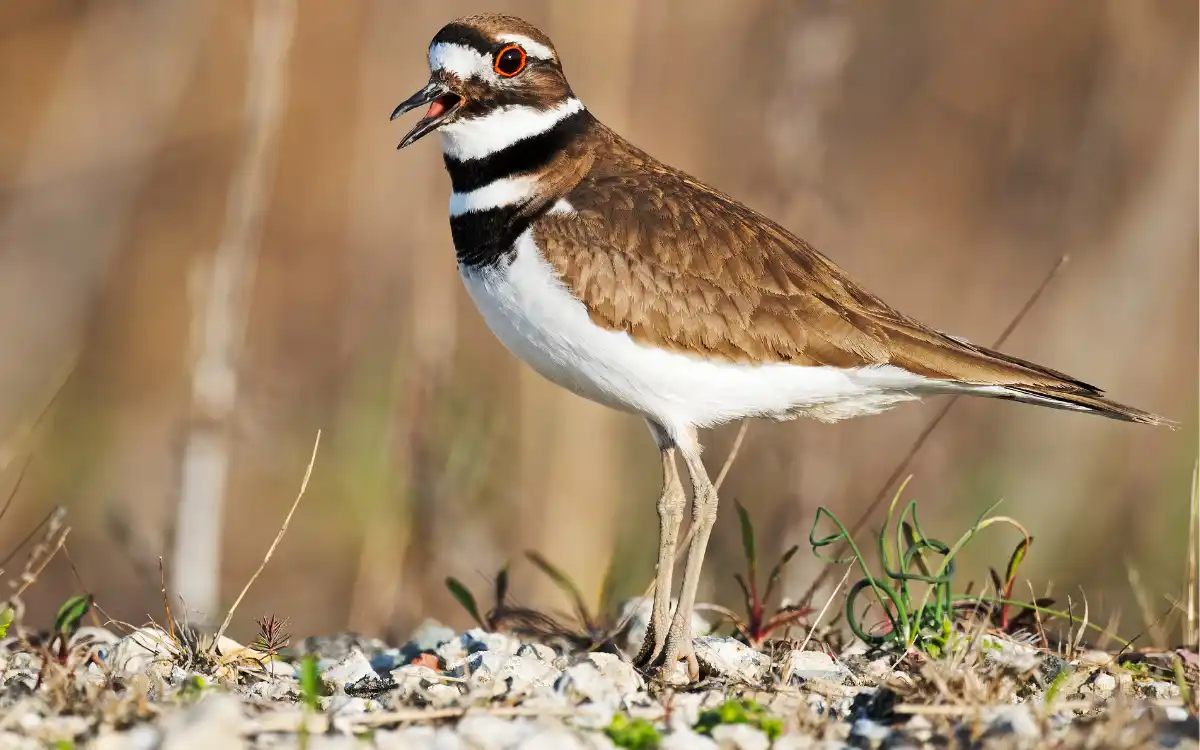
Open fields and farmsEastern Meadowlark, Killdeer, Red-tailed Hawk, American Kestrel, sparrows
Coast and barrier islandsGulls, terns, pelicans, shorebirds, herons, egrets
Winter feeder areasWhite-throated Sparrow, Dark-eyed Junco, American Goldfinch, woodpeckers, chickadees

Explore Georgia Bird Species Guides

Use these Georgia guides when you want to learn more about a specific bird group. Add or update these internal links as your Georgia sub-guides are published.

  • 15 White Birds in Georgia

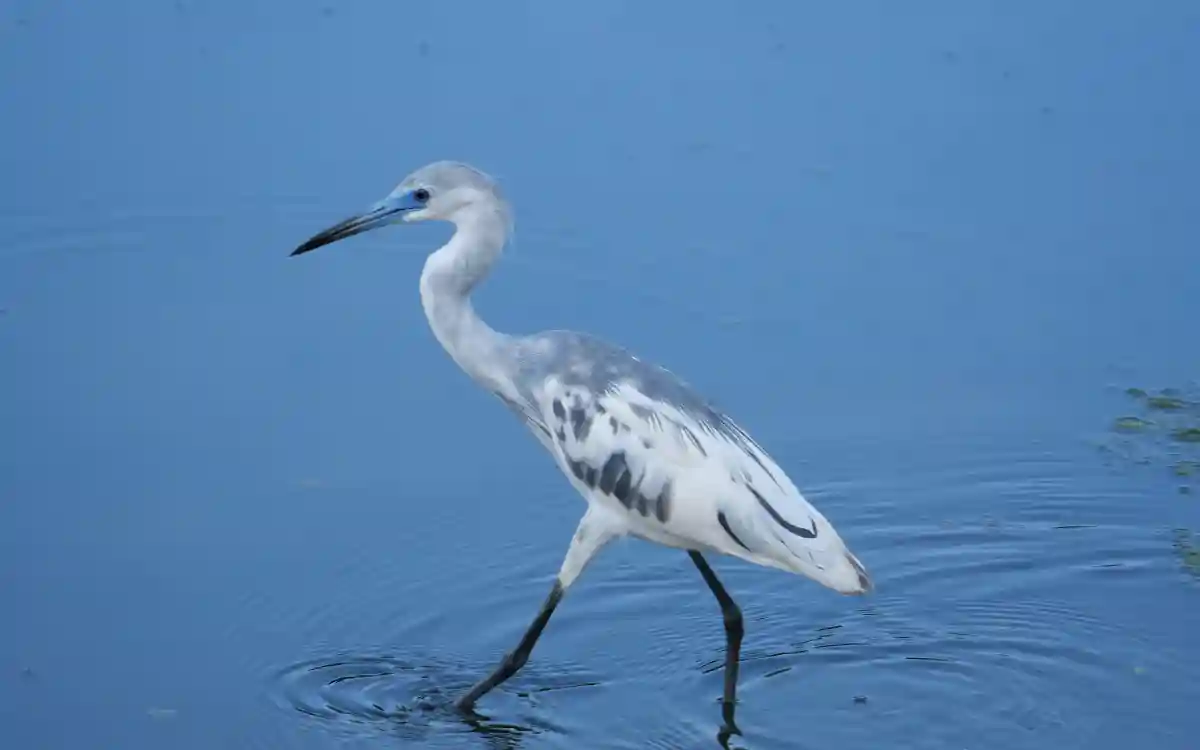
    15 White Birds in Georgia

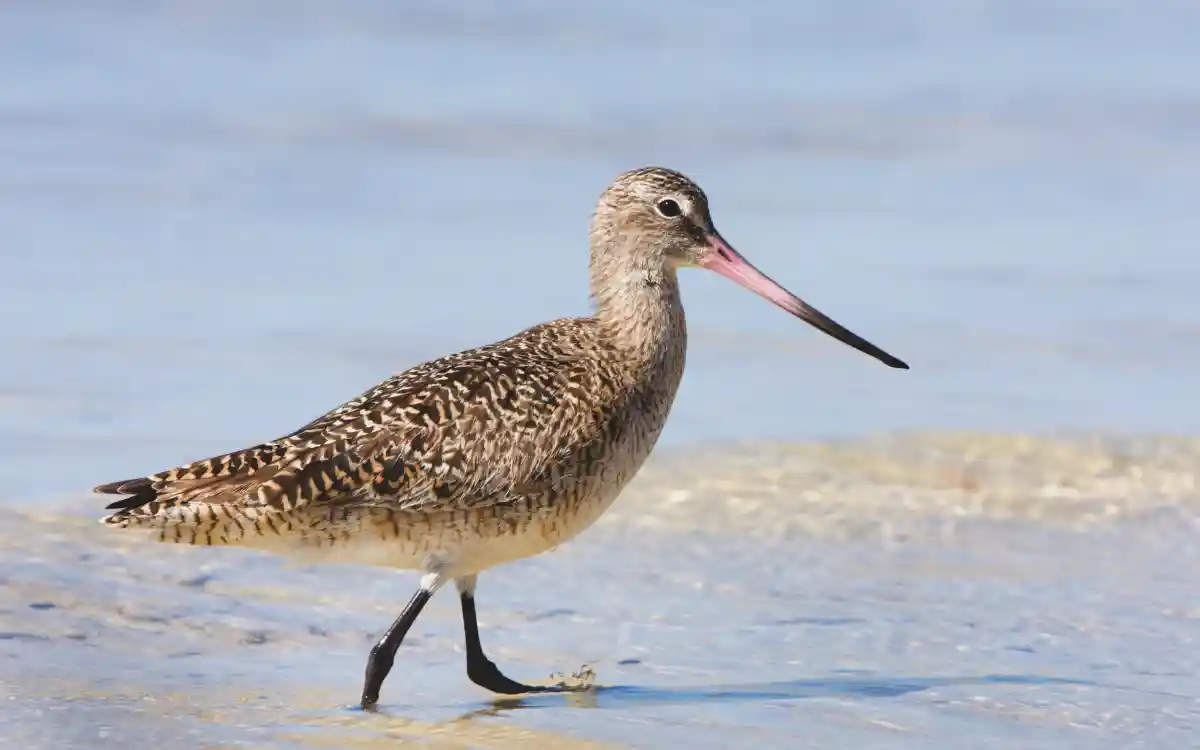
  • Marbled Godwit

    19 Shorebirds in Georgia

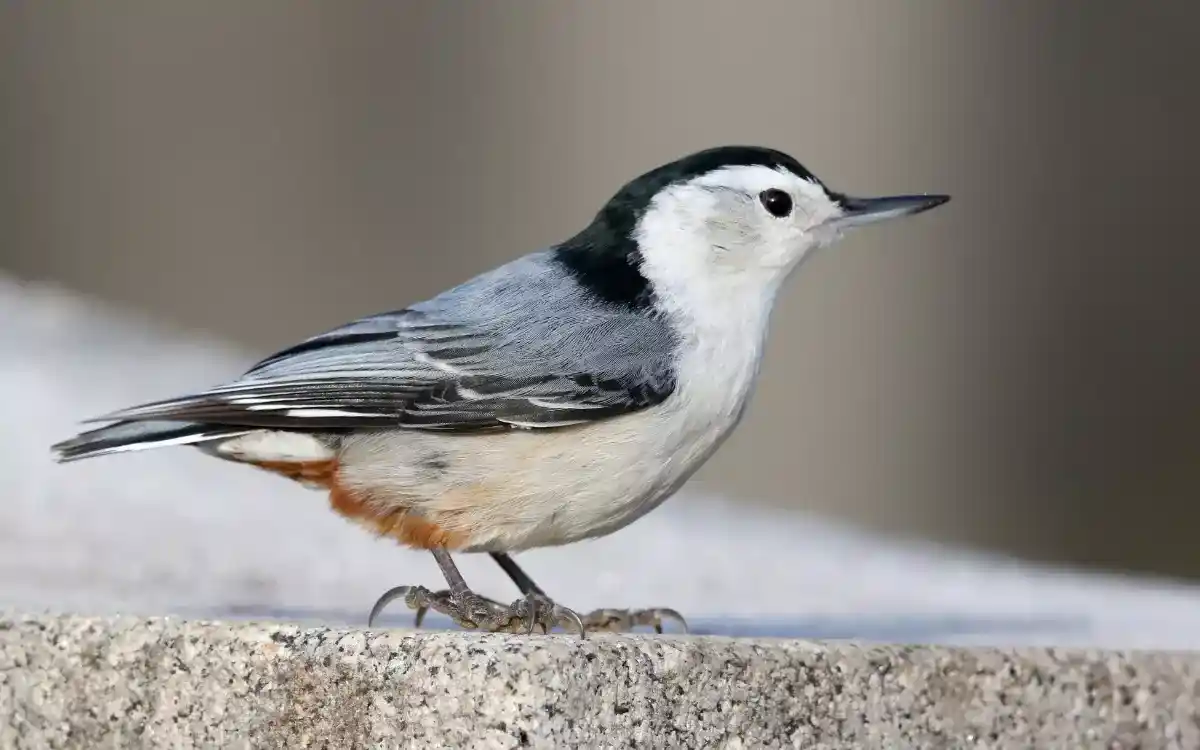
  • White-breasted Nuthatch

    21 Small Birds in Georgia

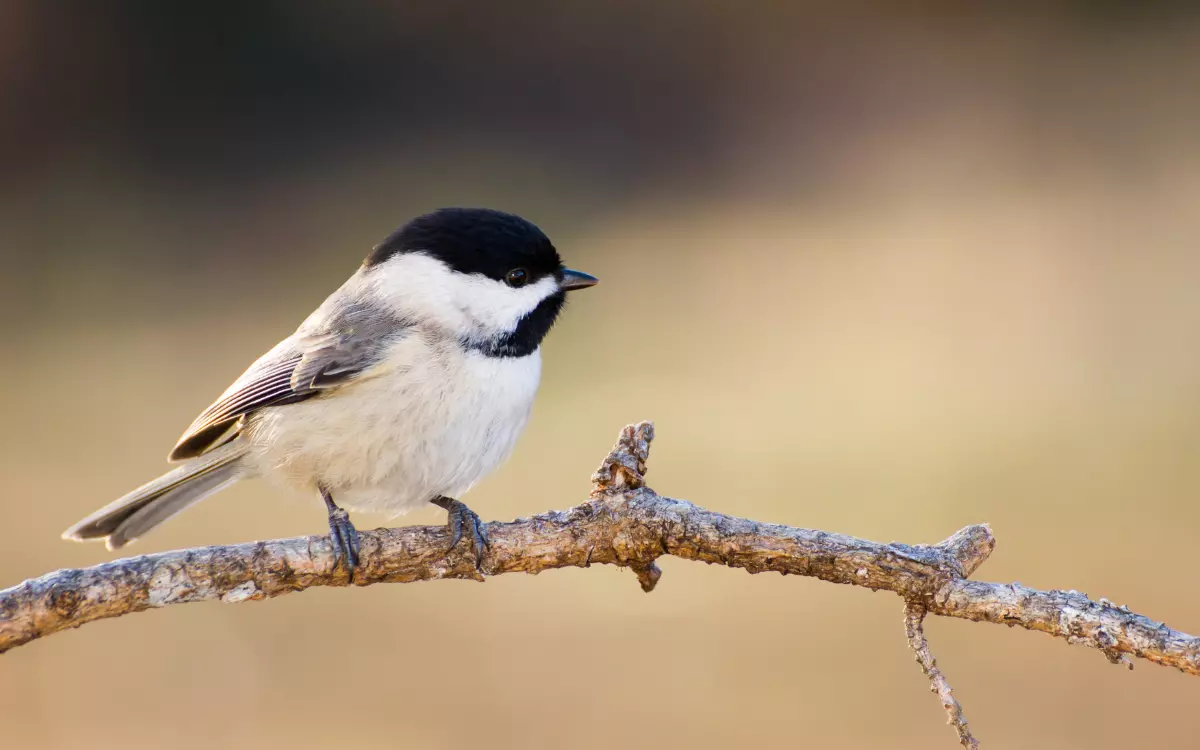
  • Carolina-Chickadee

    17 Gray Birds in Georgia

  • Hooded Warbler

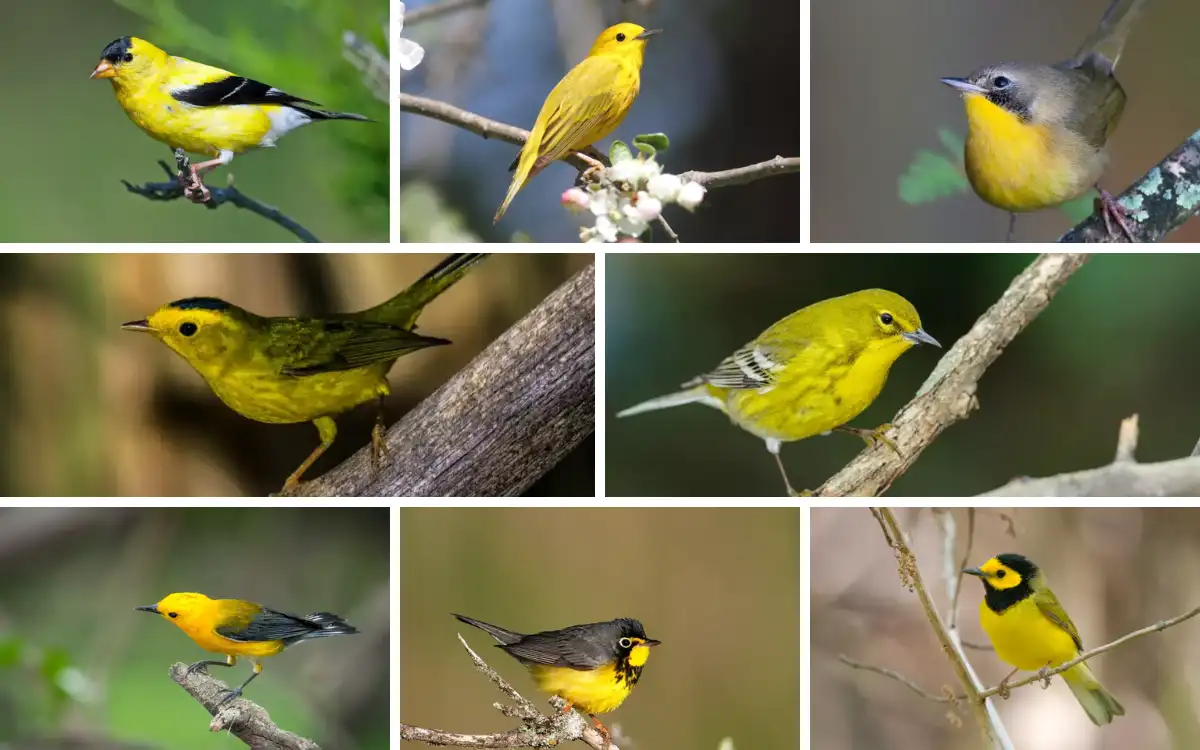
    15 Yellow Birds in Georgia

Best Time to Watch Birds in Georgia

Birdwatching in Georgia is good all year, but each season brings a different mix. Spring and fall are best for migration, summer is strong for nesting birds, and winter can be good for feeder birds, raptors, and waterfowl.

SeasonWhat to Look For
SpringWarblers, vireos, tanagers, orioles, shorebirds, nesting activity
SummerBreeding songbirds, herons, egrets, woodpeckers, swallows
FallMigrating songbirds, hawks, shorebirds, ducks, gulls, sparrows
WinterSparrows, waterfowl, Yellow-rumped Warblers, feeder birds, raptors

Spring

Spring is one of the best times to watch birds in Georgia. Many birds are singing, nesting, or moving through forests, parks, wetlands, and coastal stopover areas.

Wooded trails, river corridors, and barrier islands can all be active during migration.

Summer

Summer birding works best early in the day before the heat builds. Look for nesting birds, young birds, herons, egrets, swallows, and woodpeckers.

Pine woods, hardwood forests, wetlands, and shaded creek trails can be useful places to check.

Fall

Fall migration brings birds moving south through Georgia. Some birds look less colorful than in spring, so habitat, shape, movement, and calls become more useful.

Coastal sites, fields, wooded edges, and wetlands can all be productive.

Winter

Winter is a good season for sparrows, ducks, geese, raptors, and feeder birds. Backyard feeders may attract cardinals, titmice, chickadees, finches, woodpeckers, and doves.

Lakes, rivers, marshes, and refuges are also worth checking during colder months.

Best Bird Watching Spots in Georgia

Georgia has many birding areas, from mountain trails to swamps and coastal islands. These places are good starting points if you want to see a wider range of birds.

Okefenokee National Wildlife Refuge

Okefenokee is one of Georgia’s most famous natural areas. It has swamp, wetland, forest, and open water habitats that can support wading birds, woodpeckers, raptors, waterfowl, and songbirds.

It is especially good for birders who enjoy quiet wetland scenery and slower wildlife watching.

Jekyll Island

Jekyll Island is a strong coastal birding spot. Beaches, marshes, maritime forest, ponds, and tidal areas make it useful for shorebirds, gulls, terns, herons, egrets, and migrating songbirds.

Early morning and low-traffic times are usually best.

Cumberland Island National Seashore

Cumberland Island offers beaches, dunes, maritime forest, marsh, and open coastal habitat. Birders may find shorebirds, wading birds, raptors, woodpeckers, and seasonal migrants.

Because access takes more planning, it works well as a full-day birding trip.

Kennesaw Mountain National Battlefield Park

Kennesaw Mountain is a popular inland birding location near the Atlanta area. It can be especially good during spring and fall migration.

Look for warblers, vireos, tanagers, thrushes, hawks, woodpeckers, and other woodland birds.

Piedmont National Wildlife Refuge

Piedmont National Wildlife Refuge has pine woods, hardwood forest, fields, ponds, and creek habitats. It is a useful location for woodpeckers, songbirds, raptors, and woodland species.

It is a good place to slow down, listen, and check forest edges.

Altamaha Wildlife Management Area

The Altamaha River region has marshes, river habitat, fields, wetland edges, and coastal plain birdlife. It can be productive for wading birds, waterfowl, raptors, sparrows, and seasonal migrants.

Check current access rules before visiting wildlife management areas.

Backyard Birding Tips for Georgia

Backyard birding in Georgia can be very rewarding, especially if your yard includes trees, shrubs, water, and safe cover. Many common birds visit yards throughout the year.

What to AddBirds It May Attract
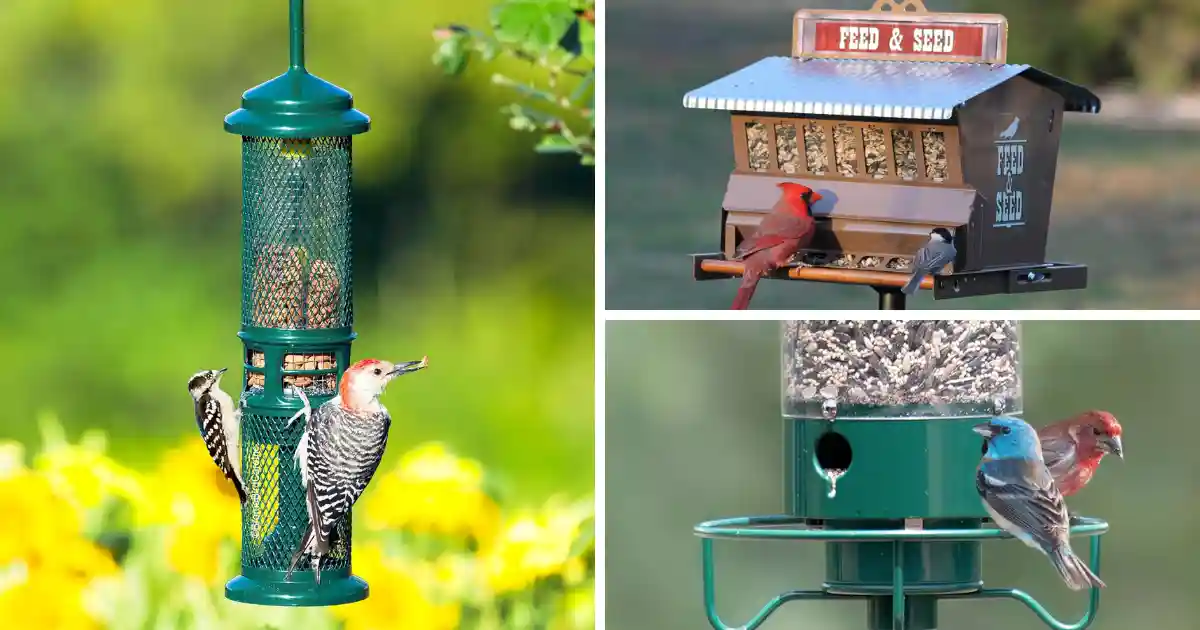
Black oil sunflower seedsCardinals, titmice, chickadees, finches, woodpeckers
SuetWoodpeckers, wrens, nuthatches, chickadees
Clean birdbathCardinals, robins, doves, wrens, mockingbirds
Native shrubsBrown Thrashers, cardinals, wrens, catbirds, sparrows
Nest boxesEastern Bluebirds, wrens, chickadees
Brushy cornerBrown Thrashers, towhees, wrens, sparrows

A brushy corner can be especially useful in Georgia because birds like Brown Thrashers, wrens, towhees, and sparrows often prefer cover instead of open lawn.

Simple Georgia Bird Identification Tips

When you see a bird you do not know, try not to rely only on color. Light, age, sex, season, and distance can all change how a bird looks.

Use these clues instead:

ClueWhat to Notice
SizeSparrow-sized, robin-sized, jay-sized, crow-sized, hawk-sized
ShapeLong tail, curved bill, thick bill, crest, long legs, pointed wings
HabitatBackyard, pine woods, hardwood forest, swamp, field, coast
BehaviorWading, climbing, hopping, scratching leaves, soaring, diving
SoundSong, call, drumming, whistle, chatter, harsh note
PatternWing bars, eye stripe, streaked chest, tail spots, head markings
SeasonYear-round, summer breeder, spring migrant, fall migrant, winter visitor

In Georgia, habitat can help a lot. A bird scratching under shrubs, a bird wading in a marsh, and a bird perched above a field are likely from very different groups.

Georgia Birding Ethics and Local Resources

Good birdwatching should protect birds and keep outdoor spaces enjoyable for everyone. When visiting Georgia parks, beaches, refuges, trails, and wildlife areas, follow posted rules and respect sensitive habitats.

Good birding habits:

  • Keep distance from nests and young birds.
  • Do not chase birds for photos.
  • Use bird calls or playback carefully.
  • Stay out of roped-off beach nesting areas.
  • Respect private property and refuge rules.
  • Keep dogs away from resting or nesting birds.
  • Leave feathers, eggs, plants, and habitat where you find them.
  • Carry water and plan for heat during warm months.

For local planning, Birds Georgia announced that the Georgia Birding Trail is planned to feature sites across the state, grouped into regional sub-trails. Local bird clubs, nature centers, and wildlife agencies can also help you find recent sightings and beginner-friendly walks.

FAQs 

What is the state bird of Georgia?

The state bird of Georgia is the Brown Thrasher. It was officially designated by the Georgia General Assembly on March 20, 1970.

What birds are common in Georgia backyards?

Common backyard birds in Georgia include Northern Cardinals, Carolina Wrens, Tufted Titmice, Blue Jays, Mourning Doves, Carolina Chickadees, House Finches, Brown Thrashers, and Red-bellied Woodpeckers.

When is the best time to go birdwatching in Georgia?

Spring and fall are excellent because of migration. Summer is good for nesting birds, while winter can be useful for sparrows, raptors, waterfowl, and feeder birds.

Are Bald Eagles found in Georgia?

Yes, Bald Eagles are found in Georgia, especially near large lakes, rivers, reservoirs, wetlands, and coastal areas.

What birds come to feeders in Georgia?

Georgia feeder birds may include Northern Cardinals, Tufted Titmice, Carolina Chickadees, House Finches, American Goldfinches, Mourning Doves, Downy Woodpeckers, and Red-bellied Woodpeckers.

Where should beginners watch birds in Georgia?

Beginners can start in backyards, local parks, ponds, lake edges, easy forest trails, and nature centers. Kennesaw Mountain, Piedmont National Wildlife Refuge, Jekyll Island, and Okefenokee are good places to explore.

Quick menu

  • About us
  • Contact us
  • Privacy Policy
  • Terms & Conditions
  • Disclaimer

Bird Tools

  • Egg Incubation Calculator
  • Bird Cage Size Calculator
  • Bird Nutrition Calculator
  • Bird age calculator

About us

Bird Serenity helps readers discover and identify birds through simple, reliable guides by color, location, species, and meaning. Our goal is to make birdwatching easier, clearer, and more enjoyable for everyone.

Follow Us

Pinterest Pinterest

© 2026 Birdserenity.com

  • Bird Guides
    • Bird Species
    • Bird By Color
    • Backyard Bird
    • Bird Symbolism and Spirituality
  • Comparisons
  • Birds A to Z
  • Bird Facts
  • Birds in the USA
    • Birds in Alabama
    • Birds in Alaska
    • Birds in Arizona
    • Birds in Arkansas
    • Birds in California
    • Birds in Colorado
    • Birds in Connecticut
    • Birds in Delaware
    • Birds in Florida
    • Birds in Georgia
    • Birds in Illinois
    • Birds in Louisiana
    • Birds in New Hampshire
    • Birds in South Carolina
    • Birds in Texas
    • Birds in West Virginia
    • Birds in Wyoming