The United States has an amazing mix of birds, from backyard cardinals and robins to coastal gulls, wetland herons, desert quail, mountain raptors, and rare island birds. Because birds change so much by region, habitat, and season, identifying them becomes much easier when you start with location.
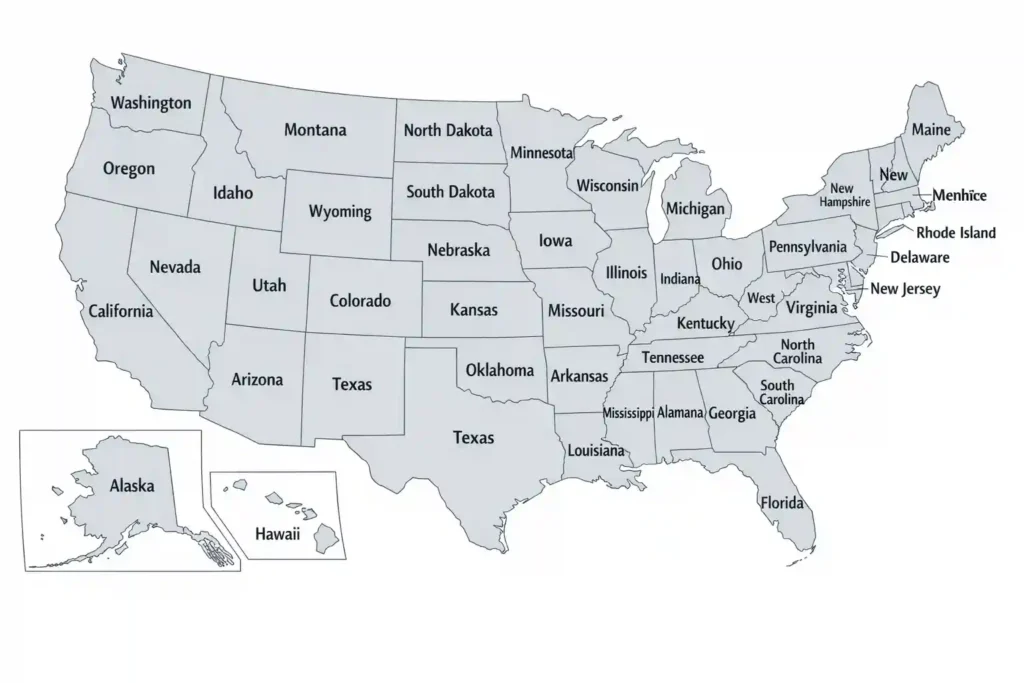
This guide is your main hub for finding birds across all 50 U.S. states. Use the state list below to explore local bird guides, common backyard birds, water birds, hawks, owls, woodpeckers, shorebirds, songbirds, and colorful birds found in each area.
Whether you are watching birds from your backyard, walking near a lake, visiting a beach, or hiking through the woods, these state bird guides will help you narrow down what you saw.
Why Identify Birds by State?
Bird identification is easier when you know where the bird was seen. A species that is common in Florida may be rare in Montana. A bird found along the coast may not appear in dry desert areas. Some birds stay in one region all year, while others only pass through during spring or fall migration.
State-based bird guides help you focus on the birds most likely to appear in your area.
| Identification Clue | Why It Helps |
| Location | Narrows the bird list quickly |
| Habitat | Helps separate backyard, forest, wetland, desert, and coastal birds |
| Season | Some birds are only seen during migration, winter, or breeding season |
| Color | A simple first clue for beginners |
| Size and shape | Helps compare similar birds |
| Behavior | Feeding, flying, swimming, climbing, or singing can confirm the ID |
Birds in the United States by State
Below is a complete list of U.S. state bird guides. Each state page can help you identify birds based on color, size, habitat, season, and behavior.
Alabama
Alabama has a rich mix of woodland birds, backyard birds, water birds, and migrating songbirds. Its forests, rivers, wetlands, and Gulf Coast areas make it a great state for birdwatching throughout the year.
Alaska
Alaska is known for seabirds, raptors, waterfowl, ptarmigan, cranes, and many migratory birds. Its wild coastline, tundra, forests, and wetlands create bird habitats that are very different from most other U.S. states.
Arizona
Arizona is one of the best states for desert birds, hummingbirds, quail, raptors, and colorful species from the Southwest. Its deserts, canyons, mountains, and riparian areas support many birds that are hard to find elsewhere.
Arkansas
Arkansas has forests, rivers, lakes, wetlands, and open fields that attract many songbirds, woodpeckers, hawks, herons, and waterfowl. It is also an important state for seasonal migration.
California
California has one of the widest bird ranges in the country. From coastal birds and desert species to mountain birds, backyard birds, raptors, and rare migrants, the state offers many strong birdwatching locations.
Colorado
Colorado is home to mountain birds, grassland birds, raptors, waterfowl, and forest species. Its high elevations, plains, rivers, and alpine areas make bird identification interesting across the state.
Connecticut
Connecticut has backyard birds, coastal birds, woodland species, and seasonal migrants. Its mix of forests, wetlands, rivers, and Long Island Sound shoreline makes it a useful state for beginner birdwatchers.
Delaware
Delaware may be small, but it has excellent bird habitats, especially along the coast and wetlands. Shorebirds, gulls, herons, waterfowl, songbirds, and backyard birds are commonly seen throughout the year.
Florida
Florida is one of the most exciting bird states in the U.S. It has wading birds, shorebirds, raptors, parrots, waterfowl, backyard birds, and many tropical or subtropical species that are harder to find farther north.
Georgia
Georgia has a strong mix of backyard birds, woodland birds, coastal birds, hawks, owls, woodpeckers, and warblers. Its mountains, forests, cities, wetlands, and coastal areas give birdwatchers plenty to explore.
Hawaii
Hawaii has some of the most unique birds in the United States, including native honeycreepers, seabirds, introduced species, and rare forest birds. Island birdwatching here is very different from mainland birding.
Idaho
Idaho has mountain birds, forest birds, raptors, waterfowl, and grassland species. Its rivers, lakes, sagebrush country, and high-elevation forests create strong bird habitats across the state.
Illinois
Illinois has many common backyard birds, water birds, hawks, owls, woodpeckers, and migratory songbirds. The state’s prairies, forests, wetlands, lakes, and urban parks make birdwatching easy for beginners.
Indiana
Indiana offers backyard birds, forest species, waterfowl, shorebirds, and many seasonal migrants. Its wetlands, farmlands, woodlands, and lakes provide habitat for a wide range of birds.
Iowa
Iowa is known for grassland birds, waterfowl, hawks, sparrows, blackbirds, and backyard birds. Its prairies, farms, rivers, wetlands, and wooded areas support many common and seasonal species.
Kansas
Kansas is a great state for grassland birds, prairie species, hawks, waterfowl, and migrating birds. Its open plains, wetlands, rivers, and wooded edges create useful bird habitats.
Kentucky
Kentucky has woodland birds, backyard birds, hawks, owls, woodpeckers, and water birds. Its forests, rolling hills, rivers, and lakes make it a strong state for year-round birdwatching.
Louisiana
Louisiana is rich in wetland birds, wading birds, waterfowl, coastal species, and songbirds. Its marshes, bayous, swamps, forests, and Gulf Coast habitats attract birds throughout the year.
Maine
Maine has seabirds, forest birds, boreal species, waterfowl, raptors, and backyard birds. Its rocky coast, lakes, wetlands, and northern forests make it a special place for birdwatching.
Maryland
Maryland has coastal birds, backyard birds, woodland species, raptors, waterfowl, and migrating songbirds. The Chesapeake Bay area is especially important for many water and shore birds.
Massachusetts
Massachusetts offers coastal birds, seabirds, backyard birds, forest species, and seasonal migrants. Its beaches, marshes, forests, parks, and islands make birdwatching very rewarding.
Michigan
Michigan has Great Lakes birds, forest birds, waterfowl, raptors, owls, woodpeckers, and backyard birds. Its lakeshores, wetlands, northern forests, and fields support many species.
Minnesota
Minnesota is home to loons, waterfowl, boreal birds, owls, woodpeckers, raptors, and backyard birds. Its lakes, forests, wetlands, and prairies make it a strong birding state.
Mississippi
Mississippi has woodland birds, wetland birds, waterfowl, hawks, owls, and many migrating songbirds. Its forests, rivers, swamps, and Gulf Coast areas support many bird species.
Missouri
Missouri has a mix of backyard birds, forest birds, grassland species, raptors, waterfowl, and woodpeckers. Its rivers, woodlands, fields, and wetlands create good bird habitats across the state.
Montana
Montana is known for mountain birds, grassland birds, raptors, waterfowl, and forest species. Its wide open landscapes, rivers, wetlands, and high elevations attract many birds.
Nebraska
Nebraska is an important state for migration, especially for cranes and waterfowl. It also has grassland birds, hawks, sparrows, blackbirds, and backyard species.
Nevada
Nevada has desert birds, mountain birds, raptors, waterfowl, and sagebrush species. Its dry landscapes, wetlands, canyons, and high country support many unique birds.
New Hampshire
New Hampshire has forest birds, mountain species, backyard birds, waterfowl, and seasonal migrants. Its lakes, northern woods, coastal areas, and mountains offer many birding spots.
New Jersey
New Jersey has excellent coastal birding, plus backyard birds, woodland species, shorebirds, waterfowl, and raptors. Its beaches, marshes, forests, and urban parks support many birds.
New Mexico
New Mexico has desert birds, mountain birds, hummingbirds, raptors, quail, and colorful Southwest species. Its dry habitats, forests, canyons, and rivers make it a great birding state.
New York
New York has backyard birds, forest birds, coastal birds, waterfowl, raptors, and many migrants. From city parks to the Adirondacks and Great Lakes, the state has a wide bird mix.
North Carolina
North Carolina has mountain birds, coastal birds, backyard species, waterfowl, raptors, and woodpeckers. Its beaches, forests, wetlands, and mountains create many bird habitats.
North Dakota
North Dakota is strong for prairie birds, waterfowl, shorebirds, raptors, and grassland species. Its wetlands, open fields, and migration routes make it important for birdwatching.
Ohio
Ohio has backyard birds, warblers, waterfowl, raptors, woodpeckers, and many seasonal migrants. Its forests, lakes, wetlands, and parks make it a popular state for birding.
Oklahoma
Oklahoma has grassland birds, woodland birds, raptors, waterfowl, and backyard species. Its prairies, lakes, forests, and open country support a useful mix of birds.
Oregon
Oregon has coastal birds, forest birds, mountain species, waterfowl, raptors, and backyard birds. Its Pacific coastline, forests, wetlands, and high desert areas create rich bird habitats.
Pennsylvania
Pennsylvania has backyard birds, woodland birds, hawks, owls, woodpeckers, waterfowl, and songbirds. Its forests, farms, rivers, and towns make birdwatching easy across the state.
Rhode Island
Rhode Island has coastal birds, gulls, shorebirds, waterfowl, backyard birds, and woodland species. Even as the smallest state, it offers useful birdwatching along beaches, marshes, and parks.
South Carolina
South Carolina has coastal birds, marsh birds, backyard species, woodpeckers, hawks, owls, and songbirds. Its beaches, swamps, forests, and wetlands support many common birds.
South Dakota
South Dakota has grassland birds, raptors, waterfowl, woodland birds, and species linked to open plains and wetlands. Its prairies, badlands, rivers, and lakes offer many birding areas.
Tennessee
Tennessee has backyard birds, woodland birds, hawks, owls, warblers, woodpeckers, and water birds. Its forests, mountains, rivers, and lakes make it a strong state for birdwatching.
Texas
Texas is one of the best birding states in the country. It has coastal birds, desert birds, tropical species, raptors, waterfowl, backyard birds, and many migrants moving through different regions.
Utah
Utah has desert birds, mountain birds, raptors, waterfowl, and wetland species. Its canyons, salt flats, lakes, forests, and dry scrub habitats attract many different birds.
Vermont
Vermont has forest birds, backyard birds, raptors, waterfowl, and seasonal migrants. Its mountains, lakes, farms, and woodlands make it a calm and rewarding state for birdwatching.
Virginia
Virginia has coastal birds, mountain birds, backyard species, waterfowl, raptors, and woodland birds. Its beaches, wetlands, forests, and Blue Ridge areas support many bird species.
Washington
Washington has coastal birds, seabirds, mountain species, forest birds, waterfowl, and backyard birds. Its Pacific coast, islands, forests, wetlands, and mountains create excellent bird habitats.
West Virginia
West Virginia has forest birds, mountain birds, warblers, woodpeckers, hawks, owls, and backyard species. Its wooded hills, rivers, and valleys make it good for spotting songbirds and raptors.
Wisconsin
Wisconsin has lake birds, forest birds, waterfowl, raptors, owls, woodpeckers, and backyard birds. Its Great Lakes shoreline, wetlands, forests, and farms support many bird species.
Wyoming
Wyoming has mountain birds, grassland birds, sagebrush species, raptors, and waterfowl. Its open plains, high country, rivers, and national parks make it a strong state for birdwatching.
Common Birds Across the United States
Some birds are seen across large parts of the country, especially in backyards, parks, farms, forests, and towns. These species are often the first birds beginners learn to identify.
| Bird | Common Clue | Where You May See It |
| American Robin | Orange chest, gray-brown back | Lawns, parks, yards |
| Northern Cardinal | Red male, crest, thick bill | Yards, shrubs, woodland edges |
| Blue Jay | Blue body, crest, loud call | Backyards, forests, parks |
| Mourning Dove | Soft gray-brown body, pointed tail | Yards, wires, open ground |
| American Goldfinch | Yellow male in breeding season | Fields, gardens, feeders |
| Downy Woodpecker | Small woodpecker, black-and-white body | Trees, feeders, wooded yards |
| Red-winged Blackbird | Black male with red shoulder patch | Marshes, fields, wetlands |
| House Finch | Brown streaks, red male head and chest | Yards, buildings, feeders |
| Canada Goose | Large water bird with black neck | Lakes, ponds, parks |
| European Starling | Dark glossy body with speckles | Lawns, farms, towns |
Main Bird Habitats in the United States
Birds are easier to identify when you understand where they live. Habitat often tells you more than color alone.
Backyards and Gardens
Backyards attract cardinals, finches, chickadees, doves, sparrows, woodpeckers, and hummingbirds. Feeders, native plants, water sources, shrubs, and trees can all bring birds closer to home.
Forests and Woodlands
Forests are home to woodpeckers, warblers, owls, thrushes, nuthatches, vireos, and many songbirds. In spring and summer, forest bird activity is often highest early in the morning.
Wetlands and Lakes
Wetlands, ponds, rivers, and lakes attract ducks, geese, herons, egrets, rails, kingfishers, and blackbirds. These areas are especially useful during migration and winter.
Grasslands and Open Fields
Grasslands support meadowlarks, sparrows, hawks, blackbirds, bobolinks, and other open-country birds. Many of these birds nest low in grasses and can be easier to hear than see.
Deserts and Scrublands
Desert areas are home to quail, roadrunners, cactus wrens, hummingbirds, towhees, and desert raptors. Look near shrubs, dry washes, cactus patches, and water sources.
Beaches and Coastal Areas
Coasts attract gulls, terns, pelicans, sandpipers, plovers, oystercatchers, and many seabirds. Shorebirds can be tricky, so size, bill shape, leg length, and feeding style matter a lot.
Mountains and High-Elevation Forests
Mountain habitats support jays, grouse, eagles, woodpeckers, finches, nutcrackers, and high-elevation songbirds. Bird species often change as elevation changes.
How to Use These State Bird Guides
Start with the state where you saw the bird. Then narrow it down by habitat, color, size, and behavior.
For example, if you saw a small yellow bird at a feeder, your guide may point you toward goldfinches or similar species. If you saw a large white bird near water, you may be looking at an egret, heron, ibis, swan, or pelican.
Each state guide should help you answer:
| Question | Why It Matters |
| What color was the bird? | Helps narrow the first group |
| How big was it? | Separates sparrows, robins, crows, hawks, and herons |
| Where was it seen? | Backyard, coast, lake, forest, desert, or field |
| What was it doing? | Swimming, climbing, soaring, hopping, or feeding |
| What season was it? | Some birds are seasonal visitors |
Latest Post
FAQs
How many states are in the United States?
There are 50 states in the United States. Each state has its own mix of common birds, seasonal visitors, migrating birds, and regional species.
What is the best way to identify a bird in the United States?
Start with the state, then look at the bird’s color, size, shape, habitat, behavior, and season. A photo can also help with small details like wing bars, bill shape, eye rings, and tail markings.
Are the same birds found in every U.S. state?
No. Some birds are widespread, but many species are tied to certain regions. For example, desert birds are more common in the Southwest, while seabirds are more common along the coast.
What are the most common backyard birds in the United States?
Common backyard birds include Northern Cardinals, American Robins, Blue Jays, Mourning Doves, House Finches, American Goldfinches, Downy Woodpeckers, chickadees, sparrows, and wrens.
Which U.S. state has the most birds?
Large and habitat-rich states such as Texas, California, Florida, and Arizona are often known for high bird diversity. They have coastlines, deserts, forests, wetlands, migration routes, and warm regions that attract many species.
Why do birds change by state?
Birds change by state because of climate, habitat, elevation, food sources, migration routes, and breeding ranges. A bird that needs wetlands will be more common near marshes and lakes, while a desert bird needs dry scrub or cactus habitat.
Should I identify birds by color or by state first?
Use both, but start with the state first. Location removes many unlikely species. Then color, size, and habitat help you narrow the bird down faster.