16 Birds With the Longest Migrations You Should Know
Some birds travel farther in a year than many people travel in a lifetime.
The Arctic Tern is the best-known example, moving between Arctic breeding grounds and waters near Antarctica. Other birds take different approaches. Bar-tailed Godwits can cross thousands of miles without landing, while tiny Northern Wheatears travel between Alaska and Africa.
Here are 16 birds known for some of the longest migrations on Earth.
1. Arctic Tern
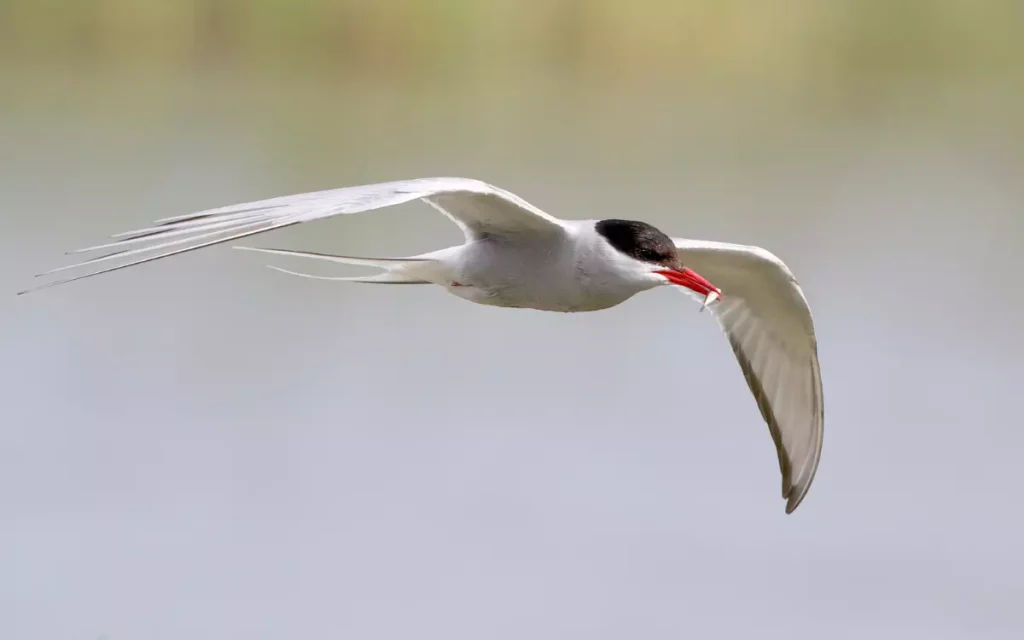
Scientific name: Sterna paradisaea
Migration: Arctic to Antarctic
Distance: Up to about 59,000 miles in a year
The Arctic Tern is generally considered the bird with the longest annual migration in the world.
It breeds in northern areas of North America, Europe, Greenland, and Asia. When the northern summer ends, the birds head south toward Antarctic waters.
They do not simply fly in a straight line. Many follow long ocean routes where winds and feeding conditions help them travel.
Because Arctic Terns spend summer in both hemispheres, they experience more daylight during a year than almost any other animal.
WOW FACTS: No other bird is known to travel such an enormous annual distance as regularly.
2. Sooty Shearwater
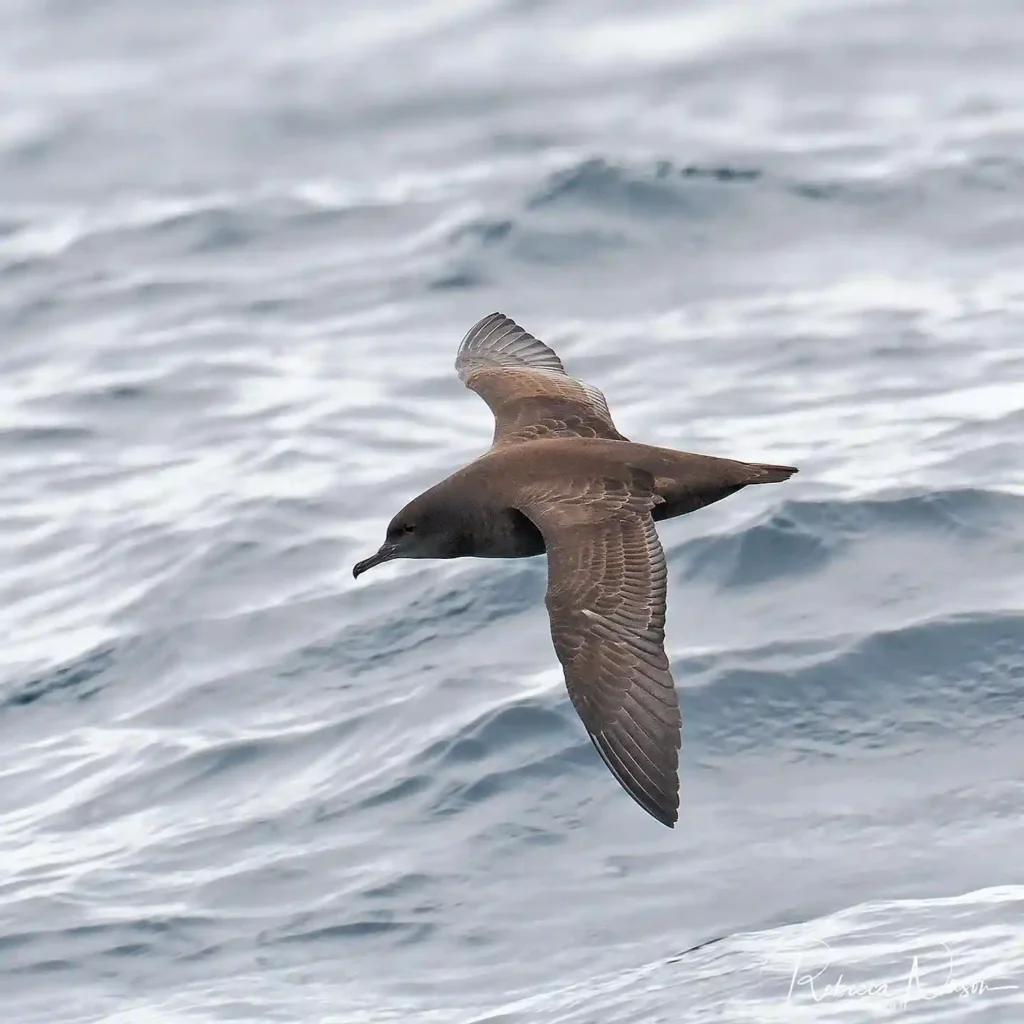
Scientific name: Ardenna grisea
Migration: Southern breeding grounds to northern oceans
Distance: Around 40,000 miles per year
Sooty Shearwaters spend much of their lives over open ocean.
They breed mainly around New Zealand, Australia, and southern South America. After breeding, many head north into productive feeding waters around Japan, Alaska, California, and the North Atlantic.
Their migration often forms a huge looping pattern rather than a simple north-south journey.
These birds use ocean winds to glide for long periods, helping them save energy while covering enormous distances.
3. Bar tailed Godwit

Scientific name: Limosa lapponica
Migration: Alaska to New Zealand and Australia
Nonstop flight: More than 8,400 miles
The Bar-tailed Godwit holds one of migration’s most impressive records.
Individuals have flown more than 8,000 miles across the Pacific without landing.
Before leaving Alaska, the birds feed heavily and gain body fat. Once they depart, there may be nowhere suitable to stop for much of the journey.
They can remain airborne for many days.
Their ability to complete such flights makes the Bar-tailed Godwit one of the clearest examples of long-distance endurance in birds.
4. Northern Wheatear

Scientific name: Oenanthe oenanthe
Migration: Northern breeding grounds to Africa
Distance: Up to about 9,000 miles one way
The Northern Wheatear looks like an ordinary small songbird, but its migration is far from ordinary.
Populations breeding in Alaska can travel west across Asia before eventually reaching Africa.
Other Northern Wheatears breed in Greenland and eastern Canada and cross the Atlantic region on their way to Africa.
This means birds from very different northern locations may eventually spend the nonbreeding season on the same continent.
Few small land birds travel such extreme distances.
5. Short tailed Shearwater
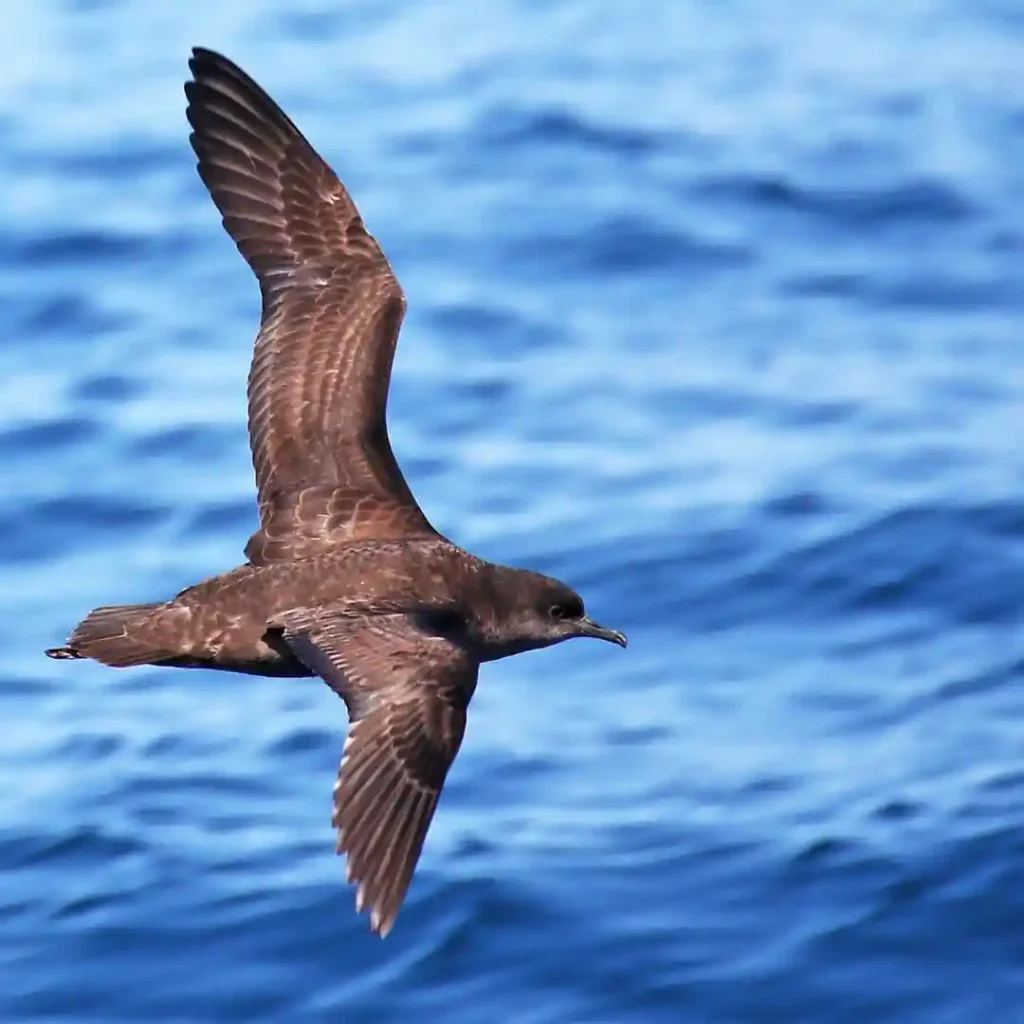
Scientific name: Ardenna tenuirostris
Migration: Australia to the North Pacific
Distance: Around 18,000 to 19,000 miles annually
Short-tailed Shearwaters breed mainly around Tasmania and southeastern Australia.
After the nesting season, they travel north through the Pacific toward Japan, Russia, Alaska, and the Bering Sea.
They later return south to breed again.
Huge groups may gather where ocean currents bring fish, squid, and other food close to the surface.
Their migration connects Australian breeding colonies with some of the richest feeding waters in the North Pacific.
6. Red Knot
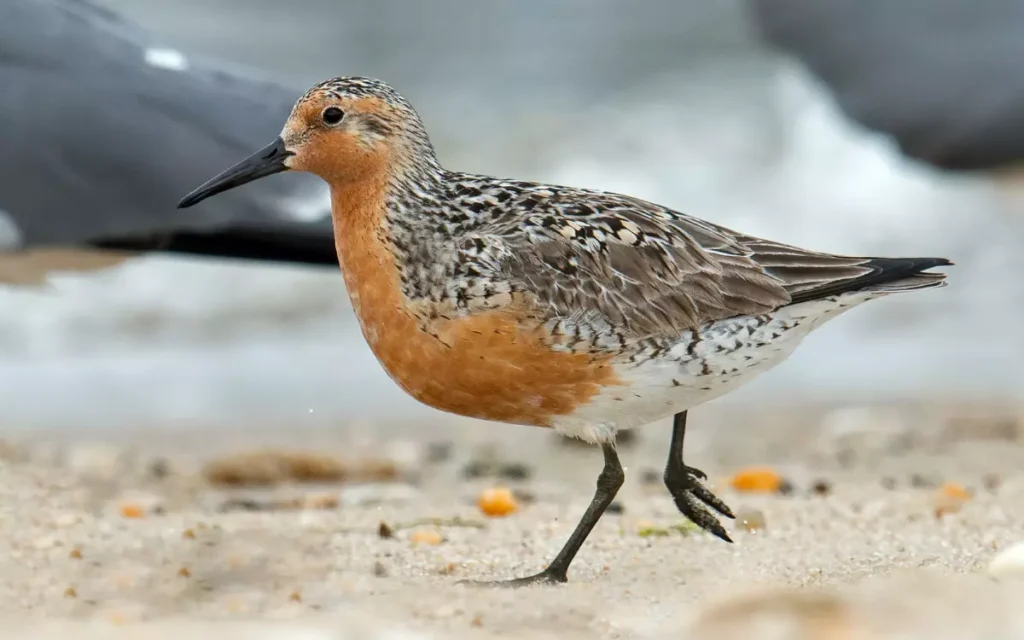
Scientific name: Calidris canutus
Migration: Arctic to South America
Distance: Up to around 20,000 miles annually
Red Knots are small shorebirds with one of the longest migrations in the Americas.
Some breed in the Canadian Arctic and travel as far south as Tierra del Fuego.
Along the way, they depend on coastal stopover areas where they can quickly rebuild body fat before continuing.
One famous stop occurs along Delaware Bay, where migrating Red Knots feed heavily during spring.
Their story shows why a bird can depend on places separated by thousands of miles.
7. Pacific Golden Plover

Scientific name: Pluvialis fulva
Migration: Arctic breeding grounds to Pacific islands and Australasia
Distance: More than 8,000 miles for some birds
Pacific Golden-Plovers breed across Alaska and Siberia.
After breeding, they spread across an enormous nonbreeding range that includes Hawaii, Southeast Asia, Australia, New Zealand, and many Pacific islands.
Some birds cross huge areas of open ocean.
Pacific Golden-Plovers are also known for returning to familiar nonbreeding areas year after year.
A bird may use nearly the same island, field, or coastal area each season after traveling thousands of miles.
8. Pectoral Sandpiper

Scientific name: Calidris melanotos
Migration: Arctic to southern South America
Distance: Around 19,000 miles round trip
Pectoral Sandpipers breed in Arctic areas of Alaska, Canada, and Russia.
When breeding season ends, many travel far south through North America before reaching South America.
Their route can take them through wetlands, mudflats, flooded fields, and shallow ponds.
For such a small bird, a journey stretching across much of the Western Hemisphere is remarkable.
Birdwatchers in North America often see them during migration rather than during breeding or winter.
9. Amur Falcon

Scientific name: Falco amurensis
Migration: East Asia to southern Africa
Distance: Around 13,000 miles annually
Amur Falcons breed in eastern Russia, northern China, and nearby regions.
During migration, they travel through Asia before crossing toward Africa.
One of their best-known stops occurs in northeastern India, where very large groups can gather during autumn migration.
They later continue across the Arabian Sea toward Africa.
For a small falcon, crossing such a large part of Asia, open ocean, and Africa is an impressive annual journey.
10. Ruff
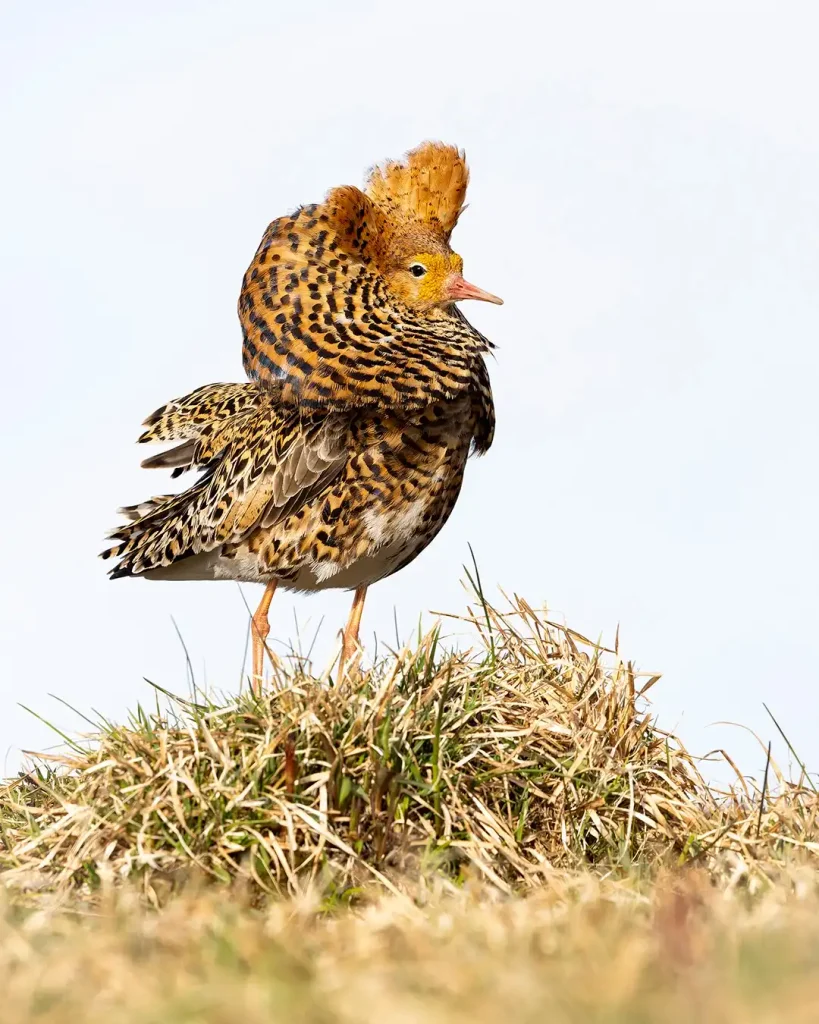
Scientific name: Calidris pugnax
Migration: Northern Eurasia to Africa and Asia
Distance: Up to about 9,000 miles one way
Ruffs breed across northern Europe and Asia.
Some populations spend the nonbreeding season in Africa, including areas far south of the equator.
During migration, they use wetlands, shallow lakes, flooded fields, and coastal areas for food.
Male Ruffs are famous for their unusual breeding feathers, but their migration is just as interesting.
A bird breeding in northern Siberia and wintering in southern Africa may cross a huge part of the globe twice each year.
11. Hudsonian Godwit

Scientific name: Limosa haemastica
Migration: Alaska and Canada to southern South America
Distance: Up to about 10,000 miles one way
Hudsonian Godwits make one of the longest migrations of any shorebird in the Americas.
They breed in northern wetlands and later travel to southern South America.
Some fly across large sections of ocean with very few places to land.
Before these long flights, they feed heavily and store extra fat that acts as fuel.
Unlike birds that stop frequently, godwits can cover very long sections of their route in a single flight.
12. Baird’s Sandpiper

Scientific name: Calidris bairdii
Migration: Arctic North America to South America
Distance: Around 9,000 miles
Baird’s Sandpipers breed in high Arctic regions and later travel almost the full length of the Americas.
Many reach southern South America.
They often migrate through inland habitats rather than staying entirely along coastlines.
Mudflats, lake edges, shallow pools, and open wetlands provide places to feed during the trip.
Young birds must complete this enormous first migration only months after hatching.
13. Swainson’s Hawk
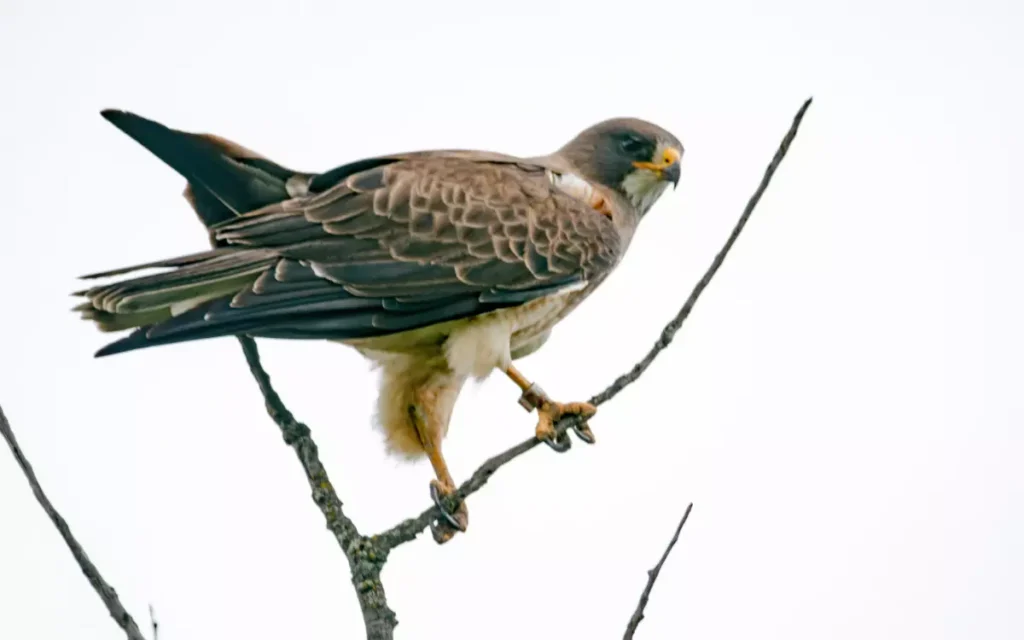
Scientific name: Buteo swainsoni
Migration: North America to South America
Distance: Around 12,000 miles or more each year
Swainson’s Hawks breed across western North America and travel south for the nonbreeding season.
Many end up on the grasslands of Argentina.
Instead of constantly flapping, they often use rising warm air called thermals.
The hawks circle upward inside a thermal, then glide toward the next one.
Large groups may gather during migration, creating impressive streams of raptors moving through Central and South America.
14. Sharp tailed Sandpiper
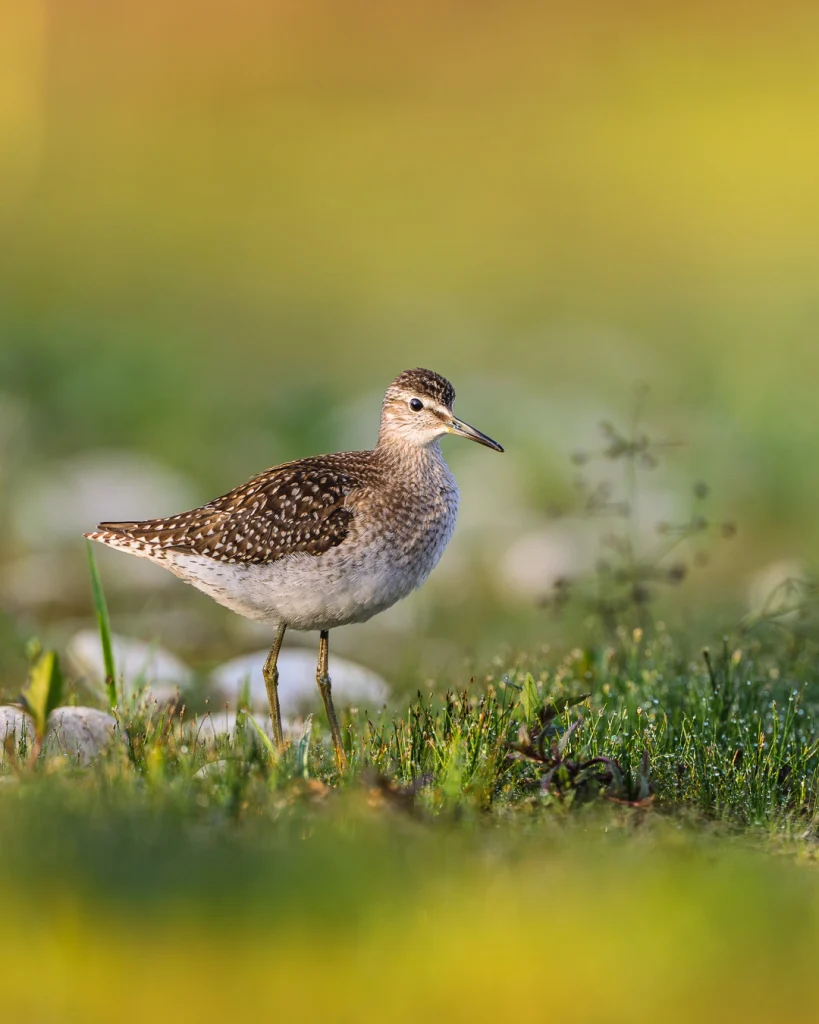
Scientific name: Calidris acuminata
Migration: Siberia to Australia and nearby regions
Distance: More than 6,000 miles one way
Sharp-tailed Sandpipers breed mainly in northern Siberia.
Most spend the nonbreeding season in Australia and surrounding areas.
Young birds can follow a different route from adults. Some move east toward Alaska before heading south across the Pacific.
This makes their first migration especially interesting.
They depend on wetlands along the route, where shallow water and exposed mud provide insects and other small foods.
15. Great Snipe
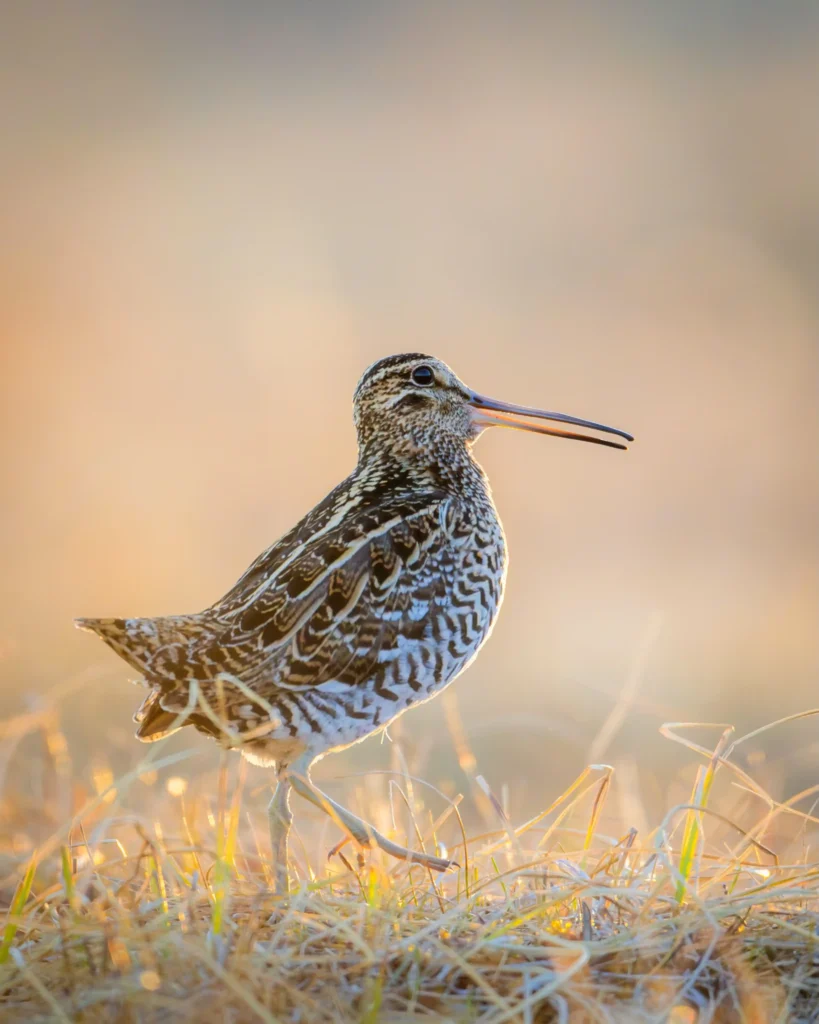
Scientific name: Gallinago media
Migration: Northern Europe to sub-Saharan Africa
Nonstop flight: Around 4,200 miles
The Great Snipe does not hold the record for overall migration distance, but it deserves a place because of the way it travels.
Some Great Snipes fly from northern Europe toward Africa in one very long flight.
They can maintain surprisingly high speeds while covering thousands of miles.
Unlike many migrating birds that stop repeatedly to feed, Great Snipes may complete large sections without landing.
That combination of distance and speed makes their migration unusual.
16. Adélie Penguin
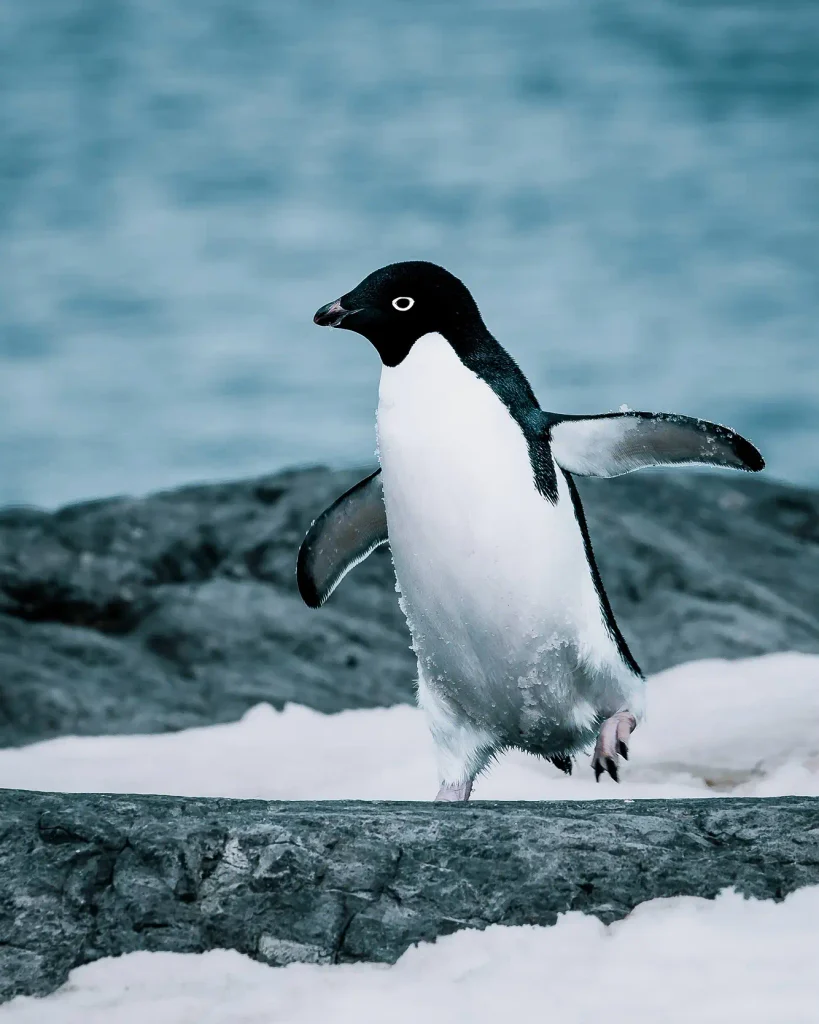
Scientific name: Pygoscelis adeliae
Migration: Around Antarctica
Distance: Around 8,000 miles annually for some populations
Long-distance migration is not limited to flying birds.
Adélie Penguins move around Antarctica as sea ice changes through the seasons.
After breeding, they may travel great distances to reach feeding areas before eventually returning toward their colonies.
Some of this journey involves swimming, while other sections may involve walking across ice.
Their yearly movements can add up to thousands of miles.
Which Bird Has the Longest Migration?
The Arctic Tern has the longest known annual migration of any bird.
Some individuals can travel close to 60,000 miles in a year while moving between the Arctic and Antarctic regions.
However, “longest migration” can mean different things.
| Record | Bird |
| Longest annual migration | Arctic Tern |
| Longest recorded nonstop flight | Bar-tailed Godwit |
| One of the longest songbird migrations | Northern Wheatear |
| Famous long-distance raptor | Swainson’s Hawk |
| Major transoceanic falcon migration | Amur Falcon |
How Do Birds Fly Thousands of Miles?
Long-distance migrants do not simply start flying and hope to reach the right place.
They use several natural abilities that help them complete the journey.
They Build Up Fat
Before a long migration, many birds eat much more than usual.
The stored fat becomes fuel during long flights when feeding is impossible.
They Use Favorable Winds
Birds can wait for wind conditions that help push them in the correct direction.
Ocean birds are especially good at using wind patterns to reduce the amount of energy needed for travel.
They Stop at Feeding Areas
Most migrating birds do not fly the full route nonstop.
Wetlands, coastlines, forests, grasslands, and mudflats act as rest and feeding areas.
Migrating birds can use several clues to stay on course, including:
- The sun
- Stars
- Earth’s magnetic field
- Coastlines
- Mountains
- Rivers
- Learned routes
Different species may depend on different combinations of these signals.
Why Do Birds Migrate So Far?
Most birds migrate because the best place for breeding is not always the best place for spending the rest of the year.
Northern regions can offer huge amounts of food during summer. Long daylight hours also give birds more time to feed their chicks.
When winter approaches, food becomes harder to find.
Birds then move toward warmer or more productive areas before returning north for the next breeding season.
Do Young Birds Know Where to Migrate?
In many species, young birds can begin migration without having traveled the route before.
Their direction and timing are partly controlled by instinct.
Other species learn parts of their migration route by traveling with parents or older birds.
This means bird migration can involve both inherited behavior and experience.
FAQs
What bird has the longest migration in the world?
The Arctic Tern has the longest known annual migration. Some tracked birds have traveled close to 60,000 miles during a single yearly cycle.
Which bird flies the farthest without stopping?
The Bar-tailed Godwit holds the best-known record for nonstop migration. Recorded individuals have flown more than 8,000 miles across the Pacific without landing.
Which small bird migrates the farthest?
The Northern Wheatear is one of the best examples. Some populations travel between Alaska and Africa despite weighing only about as much as a few coins.
Do migrating birds sleep while flying?
Most birds rest after landing, but some species can sleep briefly while flying. The ability varies between species and is more common among birds that spend long periods over the ocean.
How long can migrating birds fly without stopping?
It depends on the species. Many stop every few hours or days, while birds such as Bar-tailed Godwits can remain in the air for more than a week during extreme ocean crossings.
Why don’t birds get lost during migration?
Birds can use the sun, stars, Earth’s magnetic field, landmarks, wind patterns, and memory to navigate. Young birds of some species can even follow the correct general direction on their first migration.
What time of year do most birds migrate?
Spring and fall are the main migration seasons in much of the Northern Hemisphere. Spring migration takes birds toward breeding areas, while fall migration moves them toward nonbreeding grounds.