
Birds in Texas: Identification Guide for Birdwatchers
Texas is one of the best states in the U.S. for birdwatching because it is huge, varied, and placed where many bird ranges overlap. You can watch coastal birds along the Gulf, desert birds in West Texas, woodland birds in East Texas, grassland birds on the plains, and subtropical species in the Rio Grande Valley.
For beginners, Texas is also easy to enjoy. Many birds are common around yards, parks, ponds, ranch roads, beaches, feeders, and city green spaces. You can start with mockingbirds, cardinals, doves, grackles, hawks, herons, woodpeckers, and feeder birds, then move into more local groups as you learn.
This page is your Texas bird hub. Use it to learn common birds, explore habitats, find birdwatching places, and open our Texas bird guides as more pages are added.
Explore more state from here: 50 State Bird Guides
Texas Birding Overview
Texas birding changes a lot by region. East Texas has pine forests, hardwood bottomlands, lakes, rivers, and wetlands. Central Texas has oak-juniper hills, grasslands, streams, and open ranchland. West Texas brings desert, canyons, mountains, and dry scrub. South Texas has thornscrub, resacas, palm groves, and subtropical birds that are hard to find elsewhere in the United States.
The Gulf Coast is also a major birding area. Beaches, bays, mudflats, marshes, barrier islands, and coastal woodlots can be active during migration, winter, and nesting season.
| Texas Birding Fact | Details |
| Recorded bird species | 677 species on the official Texas state list |
| State bird | Northern Mockingbird |
| State bird year | 1927 |
| Best spring birding months | March to May |
| Best fall birding months | September to November |
| Strong birding habitats | Gulf Coast, wetlands, pine woods, oak-juniper hills, desert, grasslands, rivers, lakes, thornscrub, and backyards |
| Good for beginners? | Yes, especially around feeders, parks, ponds, coastal trails, wildlife refuges, and city green spaces |
Common Birds Found in Texas
Texas has hundreds of bird species, but these are good starting birds for beginners. Most are common, easy to notice, or connected to habitats people visit often.
Northern Mockingbird
The Northern Mockingbird is the state bird of Texas. It is gray with white wing patches, a long tail, and a bold personality.
You may see mockingbirds on lawns, fences, rooftops, shrubs, parking lots, and neighborhood trees. They are strong singers and often repeat many different sounds from high perches.
Northern Cardinal
The Northern Cardinal is one of the most familiar backyard birds in many parts of Texas. Males are bright red with a black face mask, while females are warm brown with red on the wings, tail, and crest.
Cardinals live in shrubs, brush, woodland edges, parks, and neighborhoods. They often visit feeders for sunflower seeds.
Great-tailed Grackle
The Great-tailed Grackle is common in many Texas towns, parking lots, parks, farms, and wetlands.
Males are glossy black with long tails and loud calls. Females are smaller and brown. These birds are bold, social, and easy to notice around people.
Mourning Dove
The Mourning Dove is a soft gray-brown bird with a small head, long pointed tail, and gentle cooing call.
It is often seen on wires, lawns, open ground, roadsides, ranches, farms, and under feeders. When it takes off, its wings may make a quick whistling sound.
Scissor-tailed Flycatcher
The Scissor-tailed Flycatcher is one of the most eye-catching open-country birds in Texas. It has a pale body, salmon-pink sides, and a very long forked tail.
Look for it on fences, utility lines, roadsides, pastures, and open fields. It often flies out from a perch to catch insects in the air.
Carolina Wren
The Carolina Wren is small, warm brown, and loud for its size. It has a curved bill, rounded body, and pale eyebrow stripe.
You may find it around porches, brush piles, gardens, shrubs, wooded edges, and thick cover. It often stays low, so its song may be easier to notice than the bird itself.
Red-bellied Woodpecker
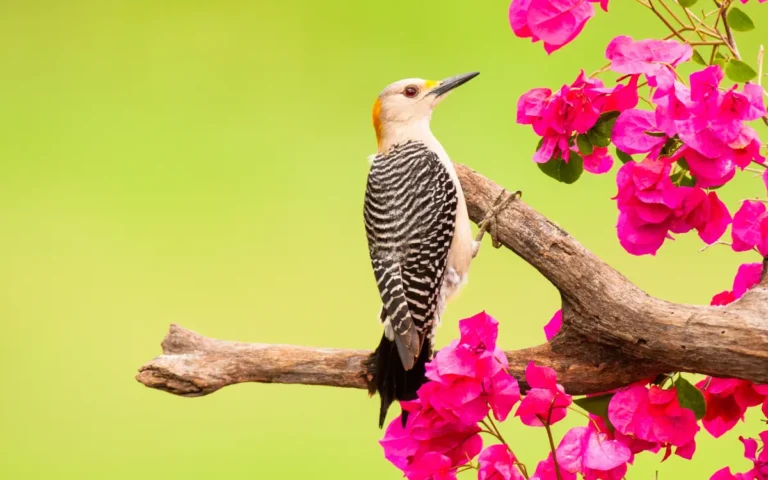
The Red-bellied Woodpecker is common in wooded neighborhoods, parks, forests, and river corridors in much of Texas.
It has a barred black-and-white back and red on the head. The red belly is often hard to see, so beginners usually notice the head pattern first.
Great Blue Heron
The Great Blue Heron is a tall water bird found near ponds, rivers, reservoirs, marshes, bays, and coastal wetlands.
It often stands still while hunting fish, frogs, and other small prey. In flight, it folds its neck and beats its broad wings slowly.
Birds in Texas by Habitat
Habitat is one of the easiest ways to narrow down a Texas bird ID. A bird in a Gulf marsh, West Texas canyon, East Texas pine forest, and city parking lot may all come from very different groups.
| Habitat | Birds You May See |
| Backyards and neighborhoods | Northern Mockingbird, Northern Cardinal, Mourning Dove, House Finch, Carolina Wren |
| City parks and open areas | Great-tailed Grackle, Blue Jay, American Robin, Red-tailed Hawk, Eastern Bluebird |
| East Texas pine woods | Pine Warbler, Brown-headed Nuthatch, Red-bellied Woodpecker, Pileated Woodpecker |
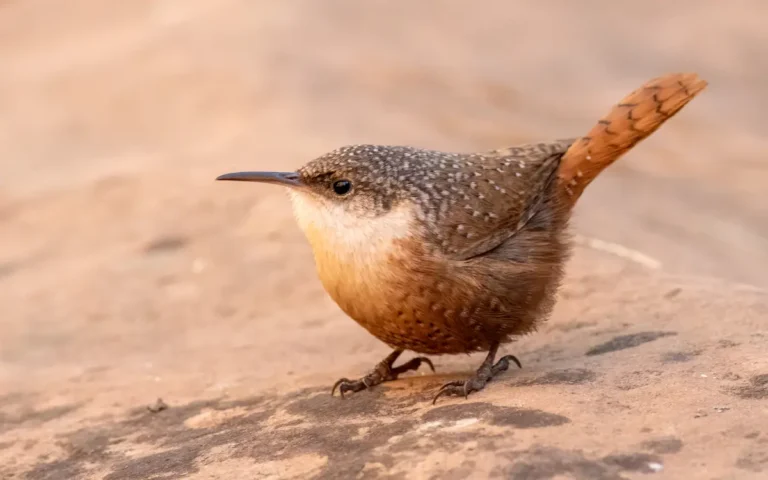
| Hill Country | Golden-cheeked Warbler, Black-crested Titmouse, Canyon Wren, Western Scrub-Jay |
| Gulf Coast beaches and bays | Brown Pelican, gulls, terns, Willet, Black Skimmer, American Oystercatcher |
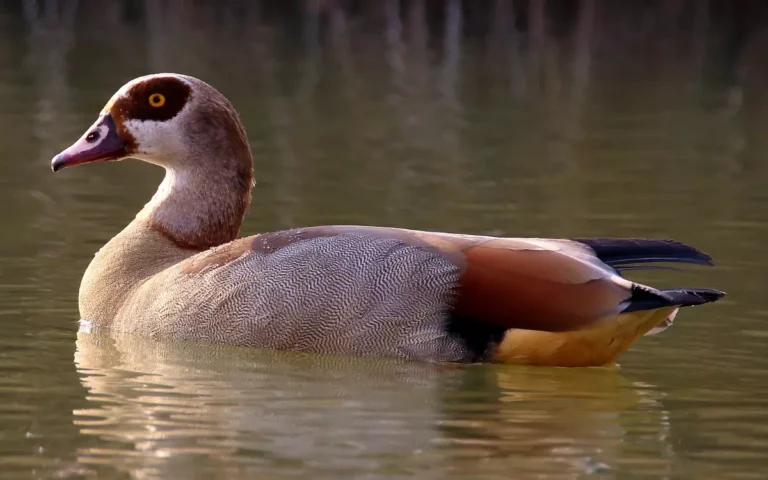
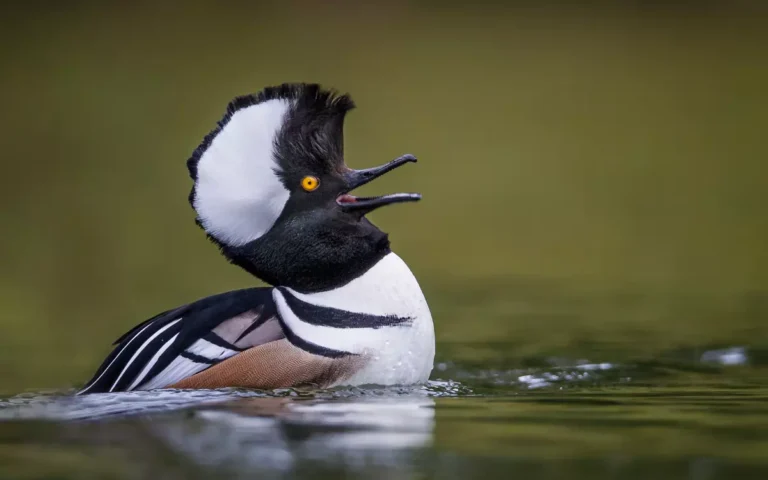
| Marshes and wetlands | Great Blue Heron, Snowy Egret, Roseate Spoonbill, ducks, rails |
| South Texas thornscrub | Green Jay, Plain Chachalaca, Altamira Oriole, Great Kiskadee |
| West Texas desert and mountains | Greater Roadrunner, Cactus Wren, Pyrrhuloxia, Curve-billed Thrasher |
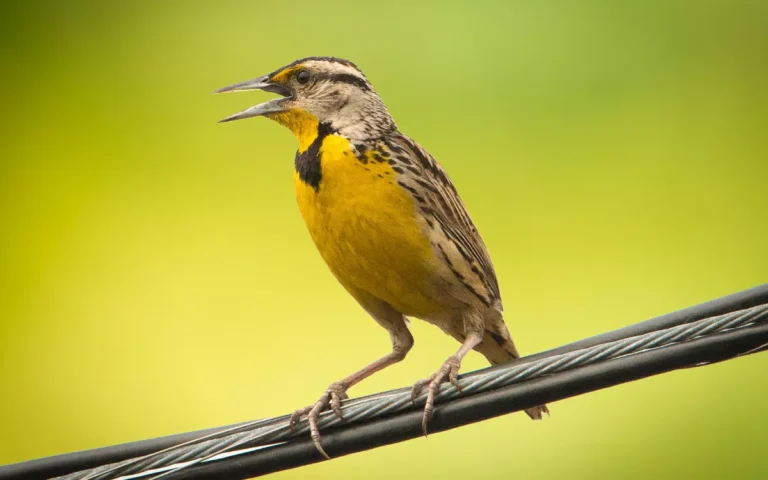
| Open fields and ranchland | Scissor-tailed Flycatcher, Eastern Meadowlark, Red-tailed Hawk, Killdeer |
Explore Texas Bird Species Guides
Use these Texas guides when you want to learn more about a specific bird group.




Best Time to Watch Birds in Texas
Birdwatching in Texas is good all year, but each season has a different feel. Spring and fall are excellent for migration, winter is strong for waterfowl and sparrows, and summer is useful for nesting birds and regional specialties.
| Season | What to Look For |
| Spring | Warblers, vireos, orioles, tanagers, shorebirds, nesting birds, coastal migrants |
| Summer | Breeding birds, herons, egrets, kites, flycatchers, desert birds, hummingbirds |
| Fall | Migrating songbirds, hawks, shorebirds, ducks, sparrows, coastal birds |
| Winter | Waterfowl, sparrows, cranes, raptors, gulls, feeder birds, South Texas specialties |
Spring
Spring is one of the best times to watch birds in Texas. Many birds move north through the state, and the Gulf Coast can be very active when migrants stop after crossing or following the coast.
Wooded patches, coastal areas, wetlands, parks, and river corridors can all be worth checking.
Summer
Summer birding works best early in the morning because heat builds quickly in many parts of Texas.
Look for nesting birds, kites, herons, egrets, flycatchers, woodpeckers, desert birds, and hummingbirds. Higher elevations, shaded trails, wetlands, and coastal areas can stay productive.
Fall
Fall migration brings birds moving south through Texas. Some birds look less bright than they did in spring, so shape, habitat, movement, and calls become more useful.
Coastal sites, fields, reservoirs, wooded edges, and wetlands can all be active.
Winter
Winter is a strong Texas birding season. Ducks, geese, sparrows, raptors, cranes, gulls, and feeder birds are often easier to find.
South Texas and the Gulf Coast can be especially rewarding in winter because the weather is comfortable and many birds remain active.
Best Bird Watching Spots in Texas
Texas has many excellent birding areas, from Gulf Coast migration sites to South Texas specialties, West Texas mountains, East Texas woods, and urban wetlands.
High Island
High Island is one of the most famous birding places on the Texas Gulf Coast. It is especially popular during spring migration when songbirds may stop in coastal woodlots.
Birders visit for warblers, vireos, tanagers, orioles, grosbeaks, shorebirds, herons, egrets, and other migrants.
Santa Ana National Wildlife Refuge
Santa Ana National Wildlife Refuge in the Lower Rio Grande Valley is one of the best places to look for South Texas birds.
Look for Green Jays, Plain Chachalacas, Altamira Orioles, Great Kiskadees, raptors, water birds, and brush-country species.
South Padre Island Birding, Nature Center & Alligator Sanctuary
South Padre Island is a strong coastal birding stop with boardwalks, wetlands, mudflats, and Gulf Coast habitat.
It can be good for shorebirds, herons, egrets, rails, ducks, gulls, terns, and spring migrants.
Aransas National Wildlife Refuge
Aransas National Wildlife Refuge is well known for coastal marshes, bays, oak mottes, grasslands, and winter birding.
Birders may look for Whooping Cranes in season, along with ducks, geese, herons, egrets, shorebirds, raptors, and coastal species.
Big Bend National Park
Big Bend is one of the best places to experience West Texas birding. It has desert, mountain, river, canyon, and riparian habitats.
Look for roadrunners, thrashers, vireos, hummingbirds, raptors, canyon birds, and regional specialties. Conditions can be hot and dry, so plan carefully.
Davis Mountains State Park
Davis Mountains State Park is a good West Texas mountain birding location. It can be useful for hummingbirds, jays, woodpeckers, towhees, wrens, and high-desert or mountain-edge birds.
Morning birding is usually best, especially during warmer months.
Anahuac National Wildlife Refuge
Anahuac National Wildlife Refuge has marshes, ponds, coastal prairie, and wetland habitats.
It can be good for rails, ducks, geese, herons, egrets, shorebirds, raptors, and seasonal migrants.
Backyard Birding Tips for Texas
Backyard birding in Texas depends heavily on region. A yard in East Texas, Dallas, Austin, El Paso, Houston, and the Rio Grande Valley may attract very different birds.
| What to Add | Birds It May Attract |
| Black oil sunflower seeds | Cardinals, finches, chickadees, titmice, jays |
| Suet | Woodpeckers, wrens, chickadees, nuthatches |
| Native shrubs | Mockingbirds, cardinals, wrens, thrashers, sparrows |
| Clean birdbath | Doves, cardinals, mockingbirds, grackles, warblers |
| Nectar plants | Hummingbirds, orioles, butterflies, warblers |
| Brushy cover | Towhees, wrens, sparrows, thrashers, quail |
| Shade trees | Woodpeckers, chickadees, titmice, jays, migrating songbirds |
In hot parts of Texas, clean water can be just as helpful as food. Refresh birdbaths often and place them where birds have nearby cover.
Simple Texas Bird Identification Tips
Texas has many bird regions, so identification can feel tricky at first. Start with where the bird was seen before focusing too much on color.
| Clue | What to Notice |
| Region | Gulf Coast, East Texas, Hill Country, Panhandle, West Texas, South Texas |
| Habitat | Backyard, marsh, beach, desert, pine woods, grassland, river, lake |
| Size | Sparrow-sized, dove-sized, jay-sized, heron-sized, goose-sized, hawk-sized |
| Shape | Long tail, curved bill, thick bill, long legs, pointed wings, crest |
| Behavior | Wading, soaring, climbing, running, hovering, flocking, diving |
| Sound | Song, call, drumming, chatter, whistle, harsh note |
| Season | Year-round, summer breeder, winter visitor, spring migrant, fall migrant |
In Texas, region matters a lot. A bird in the Lower Rio Grande Valley, a bird in the Panhandle, and a bird on the Gulf Coast may come from very different habitat groups.
Texas Birding Ethics and Local Resources
Texas has sensitive beaches, marshes, desert habitats, private ranchlands, nesting colonies, and migration stopover sites. Good birdwatching should protect birds and respect the land.
Good birding habits:
- Keep distance from nests and young birds.
- Do not chase birds for photos.
- Stay out of roped-off beach nesting areas.
- Use bird calls or playback carefully.
- Respect private ranches and posted land.
- Keep dogs away from nesting or resting birds.
- Do not approach rookery islands or nesting waterbird colonies.
- Leave feathers, eggs, plants, and habitat where you find them.
- Carry water and plan for heat, distance, and changing weather.
For trip planning, Texas Parks and Wildlife’s Great Texas Wildlife Trails can help birders find places across the state, including coastal birding trail sections. The Texas Ornithological Society and Texas Bird Records Committee are also useful for state bird records and checklist updates.
FAQs
What is the state bird of Texas?
The state bird of Texas is the Northern Mockingbird. It was adopted as the state bird in 1927.
How many bird species are found in Texas?
The official Texas Bird Records Committee state list includes 677 species as of August 14, 2025.
What birds are common in Texas backyards?
Common Texas backyard birds include Northern Mockingbirds, Northern Cardinals, Mourning Doves, Great-tailed Grackles, Carolina Wrens, House Finches, Blue Jays, and Red-bellied Woodpeckers.
When is the best time to go birdwatching in Texas?
Spring and fall are excellent because of migration. Winter is also strong for waterfowl, sparrows, raptors, cranes, and South Texas specialties. Summer can be good for nesting birds, but early morning is best in hot areas.
Are Bald Eagles found in Texas?
Yes, Bald Eagles are found in Texas, especially near large lakes, rivers, reservoirs, wetlands, and coastal areas. Winter can be a good time to look for them in some regions.
What birds come to feeders in Texas?
Texas feeder birds may include Northern Cardinals, House Finches, Carolina Chickadees, Tufted Titmice, Mourning Doves, woodpeckers, Lesser Goldfinches, and sparrows, depending on region.
Where should beginners watch birds in Texas?
Beginners can start in backyards, local parks, ponds, nature centers, beaches, boardwalks, and wildlife refuges. High Island, Santa Ana National Wildlife Refuge, South Padre Island, Aransas, Anahuac, and local city parks are good places to explore.