
Birds in West Virginia: Identification Guide for Birdwatchers
West Virginia is a beautiful state for birdwatching because it has mountains, forests, rivers, ridges, valleys, wetlands, farms, and quiet backyard habitats. The state’s landscape is not flat or simple, and that is exactly what makes birding here interesting.
You can watch cardinals and wrens around homes, warblers in mountain forests, hawks moving along ridges, woodpeckers in mature trees, and water birds near rivers and lakes. For beginners, West Virginia is a good place to learn birds slowly because many species are tied closely to habitat.
This page is your West Virginia bird hub. Use it to learn common birds, explore habitats, find birdwatching places, and open our West Virginia bird guides as more pages are added.
Explore more state from here: 50 State Bird Guides
West Virginia Birding Overview
West Virginia birding is shaped by elevation, forest cover, and river valleys. The Allegheny Mountains, Appalachian ridges, hardwood forests, high-elevation areas, and stream corridors all create useful habitat for birds.
Forested regions can be strong for woodpeckers, thrushes, vireos, warblers, owls, and tanagers. Open fields and farms can support hawks, meadowlarks, bluebirds, and sparrows. Rivers, reservoirs, and wetlands can attract herons, kingfishers, ducks, geese, and seasonal migrants.
| West Virginia Birding Fact | Details |
| Recorded bird species | About 354 species documented on a commonly cited West Virginia list |
| State bird | Northern Cardinal |
| State bird year | 1949 |
| Best spring birding months | April to June |
| Best fall birding months | September and October |
| Strong birding habitats | Mountain forests, ridges, rivers, wetlands, farms, parks, lakes, and backyards |
| Good for beginners? | Yes, especially around feeders, parks, forest trails, rivers, lakes, and scenic overlooks |
Common Birds Found in West Virginia
West Virginia has many bird species, but these are good starting birds for beginners. Most are common, easy to notice, or strongly linked to familiar habitats.
Northern Cardinal
The Northern Cardinal is West Virginia’s state bird and one of the easiest backyard birds to recognize. Males are bright red with a black face mask, while females are warm brown with red on the wings, tail, and crest.
Cardinals live in shrubs, hedges, woodland edges, gardens, parks, and neighborhoods. They often visit feeders for sunflower seeds and can be heard singing from trees and thickets.
American Robin
The American Robin is common around lawns, parks, gardens, fields, and woodland edges. It has an orange breast, gray-brown back, and upright posture.
Robins often run across grass, pause, and pull worms or insects from the soil. They are one of the easiest birds for beginners to watch closely.
Carolina Wren
The Carolina Wren is small, warm brown, and loud for its size. It has a curved bill, rounded body, and pale eyebrow stripe.
You may find it around porches, brush piles, gardens, wooded edges, sheds, and thick shrubs. It often stays low, so its song may be easier to notice than the bird itself.
Tufted Titmouse
The Tufted Titmouse is a gray songbird with a crest, pale belly, and large dark eyes. It is common in deciduous woods and wooded neighborhoods.
At feeders, it often grabs one seed and flies to a nearby branch. It may move with chickadees, nuthatches, and woodpeckers.
Blue Jay
The Blue Jay is bold, noisy, and easy to spot. It has blue, white, and black plumage with a crest and strong calls.
Blue Jays are common in oak woods, parks, forest edges, and feeder areas. They often warn other birds when hawks or owls are nearby.
Downy Woodpecker
The Downy Woodpecker is a small black-and-white woodpecker that often visits suet feeders. It climbs tree trunks and branches while searching for insects.
Males have a small red patch on the back of the head. Look for this bird in parks, woods, orchards, and backyards with mature trees.
Red-bellied Woodpecker
The Red-bellied Woodpecker is common in many West Virginia woods and neighborhoods. It has a barred black-and-white back and red on the head.
The name can confuse beginners because the red belly is usually faint. The red head markings are much easier to notice.
Red-tailed Hawk
The Red-tailed Hawk is one of West Virginia’s familiar raptors. It is often seen soaring over fields, ridges, farms, roadsides, and open valleys.
Adults usually show a reddish tail in good light. These hawks often perch on poles, trees, and fence posts while watching for prey.
Birds in West Virginia by Habitat
Habitat is one of the easiest ways to narrow down a West Virginia bird ID. A bird in a high mountain forest, a river valley, and a backyard feeder area may all belong to very different groups.
| Habitat | Birds You May See |
| Backyards and neighborhoods | Northern Cardinal, Carolina Wren, Tufted Titmouse, Blue Jay, Mourning Dove |
| Hardwood forests | Wood Thrush, Red-eyed Vireo, Scarlet Tanager, Pileated Woodpecker, warblers |
| Mountain forests | Black-throated Blue Warbler, Blackburnian Warbler, Winter Wren, Dark-eyed Junco, thrushes |
| Ridges and overlooks | Broad-winged Hawk, Red-tailed Hawk, Turkey Vulture, ravens, migrating raptors |
| Rivers and streams | Belted Kingfisher, Great Blue Heron, Wood Duck, Louisiana Waterthrush, swallows |
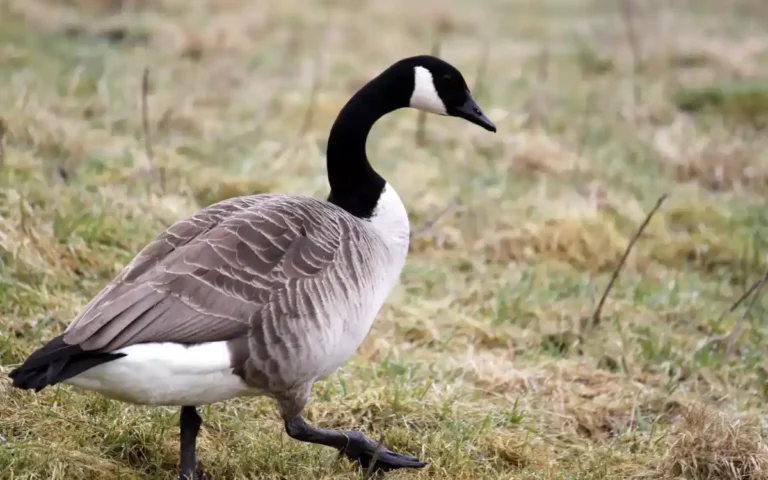
| Lakes and reservoirs | Canada Goose, Mallard, Double-crested Cormorant, Osprey, gulls |
| Farms and open fields | Eastern Bluebird, American Kestrel, Killdeer, Eastern Meadowlark, sparrows |
| Winter feeder areas | Dark-eyed Junco, White-throated Sparrow, American Goldfinch, woodpeckers, chickadees |
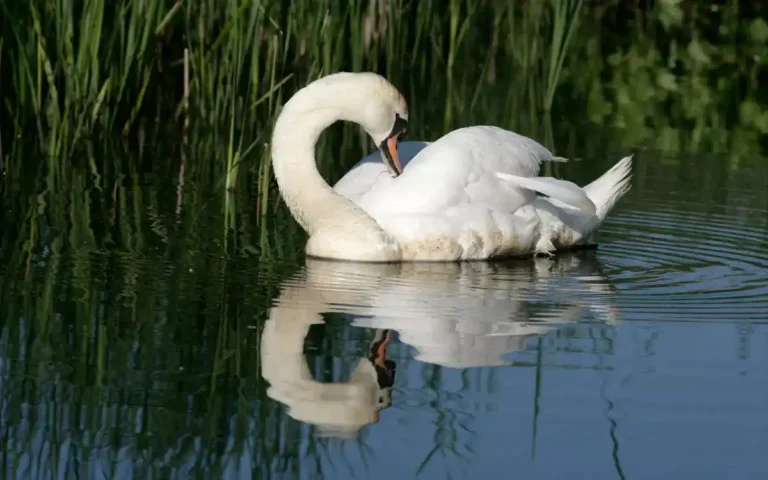
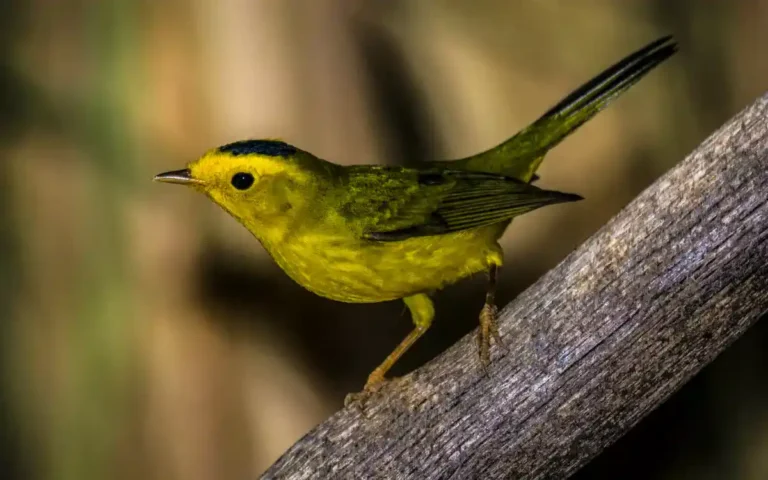
Explore West Virginia Bird Species Guides
Use these West Virginia guides when you want to learn more about a specific bird group.
Best Time to Watch Birds in West Virginia
Birdwatching in West Virginia is good all year, but each season has a different feel. Spring and early summer are strong for forest songbirds, fall is good for migration, and winter can be useful for feeder birds and raptors.
| Season | What to Look For |
| Spring | Warblers, vireos, tanagers, thrushes, nesting birds, migrating songbirds |
| Summer | Breeding forest birds, woodpeckers, wrens, hawks, flycatchers |
| Fall | Migrating raptors, sparrows, warblers, thrushes, water birds |
| Winter | Cardinals, juncos, sparrows, woodpeckers, chickadees, raptors, feeder birds |
Spring
Spring is one of the best times to watch birds in West Virginia. Forests, stream corridors, parks, and mountain trails can become active with migrating and breeding birds.
Warblers, vireos, tanagers, orioles, thrushes, and flycatchers may be easier to find during April and May.
Summer
Summer is strong for breeding forest birds. Early morning is best because many birds sing more before the day warms up.
High-elevation forests, shaded hollows, streamside trails, and mature woods can all be rewarding.
Fall
Fall migration brings birds moving south through ridges, valleys, wetlands, and wooded edges. Raptors may be easier to see from overlooks when weather conditions are right.
Some songbirds look duller in fall, so shape, behavior, and habitat become more useful.
Winter
Winter birding in West Virginia can be calm but productive. Feeders may attract cardinals, titmice, chickadees, juncos, sparrows, finches, and woodpeckers.
Open fields, river valleys, and overlooks can also be useful for hawks, vultures, ravens, and occasional eagles.
Best Bird Watching Spots in West Virginia
West Virginia has many birding areas, especially for forest birds, mountain species, raptors, and river habitats.
Dolly Sods Recreation Area
Dolly Sods is one of West Virginia’s most special birding areas. The West Virginia DNR lists it as a bird watching area for migrating raptors, high-elevation warblers, thrushes, and fall banding activity.
Its high, open, and forested habitats can feel very different from lower-elevation parts of the state. Weather can change quickly, so plan carefully.
Cranberry Glades Botanical Area
Cranberry Glades is another strong high-elevation birding area. The West Virginia DNR highlights it for flycatchers and northern warblers.
This is a good place to watch and listen slowly, especially in spring and early summer.
Smoke Hole Recreation Area
Smoke Hole offers river, field, cliff, and forest-edge habitat. The West Virginia DNR lists featured species and groups such as Bald Eagles, kingfishers, sandpipers, Osprey, and field birds for the area.
It is a useful spot if you want a mix of river and open-country birding.
Canaan Valley National Wildlife Refuge
Canaan Valley is a strong birding area for wetlands, fields, shrublands, and high-elevation habitats. It can be especially interesting for grassland birds, wetland birds, sparrows, raptors, and seasonal migrants.
Morning visits are often best, especially during breeding season.
New River Gorge National Park and Preserve
New River Gorge offers forested slopes, cliffs, river habitat, and open overlooks. It can be good for raptors, woodpeckers, warblers, vireos, ravens, and birds tied to river valleys.
Use overlooks for scanning and trails for listening to forest birds.
Coopers Rock State Forest
Coopers Rock has forest trails, rocky overlooks, and upland habitat. It can be good for woodpeckers, nuthatches, vireos, warblers, hawks, and ravens.
This is a useful birding spot near Morgantown and a good place for beginners who want forest birding.
Backyard Birding Tips for West Virginia
Backyard birding in West Virginia can be active all year, especially if your yard has trees, shrubs, water, and safe cover.
| What to Add | Birds It May Attract |
| Black oil sunflower seeds | Cardinals, chickadees, titmice, finches, nuthatches |
| Suet | Woodpeckers, nuthatches, chickadees, wrens |
| Clean birdbath | Robins, cardinals, doves, catbirds, warblers |
| Native shrubs | Cardinals, catbirds, robins, sparrows, waxwings |
| Nest boxes | Eastern Bluebirds, wrens, chickadees, Tree Swallows |
| Leaf litter area | Towhees, sparrows, thrushes, wrens |
In winter, feeders can become especially useful after snow or during cold spells. Keep feeders clean, keep seed dry, and place food near shrubs or trees where birds can retreat quickly.
Simple West Virginia Bird Identification Tips
West Virginia bird identification often starts with habitat and elevation. A bird in a mountain spruce area, a farm field, and a river valley may all be very different.
| Clue | What to Notice |
| Habitat | Backyard, hardwood forest, mountain forest, river, lake, field, ridge |
| Elevation | Low valley, wooded hill, high mountain, ridge top |
| Size | Sparrow-sized, robin-sized, jay-sized, crow-sized, hawk-sized |
| Shape | Thick bill, thin bill, crest, long tail, long wings, rounded body |
| Behavior | Climbing, hopping, soaring, wading, ground-feeding, singing from cover |
| Sound | Song, call, drumming, whistle, chatter, harsh note |
| Season | Year-round, spring migrant, summer breeder, fall migrant, winter visitor |
In West Virginia, sound can be very helpful. Many forest birds stay high in trees or hidden in leaves, so learning a few common songs can make birdwatching much easier.
West Virginia Birding Ethics and Local Resources
West Virginia has sensitive forests, high-elevation habitats, wetlands, rivers, and private land near birding areas. Good birdwatching should protect birds and respect the places they use.
Good birding habits:
- Keep distance from nests and young birds.
- Do not chase birds for photos.
- Use bird calls or playback carefully.
- Stay on marked trails in sensitive areas.
- Respect private property and posted land.
- Keep dogs away from nesting or resting birds.
- Leave feathers, eggs, plants, and habitat where you find them.
- Carry water, layers, and rain gear in mountain areas.
For local planning, the West Virginia Bird Records Committee maintains the official state bird list, and the West Virginia DNR provides bird watching area suggestions for different parts of the state.
FAQs
What is the state bird of West Virginia?
The state bird of West Virginia is the Northern Cardinal. West Virginia designated the Northern Cardinal as its official state bird in 1949.
How many bird species are found in West Virginia?
A commonly cited West Virginia bird list includes 354 documented species as of July 2021. The West Virginia Bird Records Committee maintains the official state bird list.
What birds are common in West Virginia backyards?
Common West Virginia backyard birds include Northern Cardinals, Carolina Wrens, Tufted Titmice, Blue Jays, American Robins, Mourning Doves, Downy Woodpeckers, Red-bellied Woodpeckers, and Black-capped Chickadees in many areas.
When is the best time to go birdwatching in West Virginia?
Spring is excellent for warblers, vireos, tanagers, thrushes, and other forest birds. Fall can be good for raptors and migration, while winter is useful for feeder birds, sparrows, juncos, and hawks.
Are Bald Eagles found in West Virginia?
Yes, Bald Eagles are found in West Virginia, especially near rivers, lakes, reservoirs, and open water areas. Winter and migration seasons can be good times to watch for them.
What birds come to feeders in West Virginia?
West Virginia feeder birds may include Northern Cardinals, Tufted Titmice, chickadees, House Finches, American Goldfinches, Downy Woodpeckers, Red-bellied Woodpeckers, White-throated Sparrows, and Dark-eyed Juncos.
Where should beginners watch birds in West Virginia?
Beginners can start in backyards, local parks, forest trails, river walks, lakes, and scenic overlooks. Dolly Sods, Cranberry Glades, Smoke Hole, Canaan Valley, New River Gorge, and Coopers Rock are good places to explore.