25 Peacock Facts That Most People Don’t Know
Peacocks are known for their striking feathers, but their story goes far beyond looks. These birds are intelligent, vocal, and surprisingly adaptable in the wild.
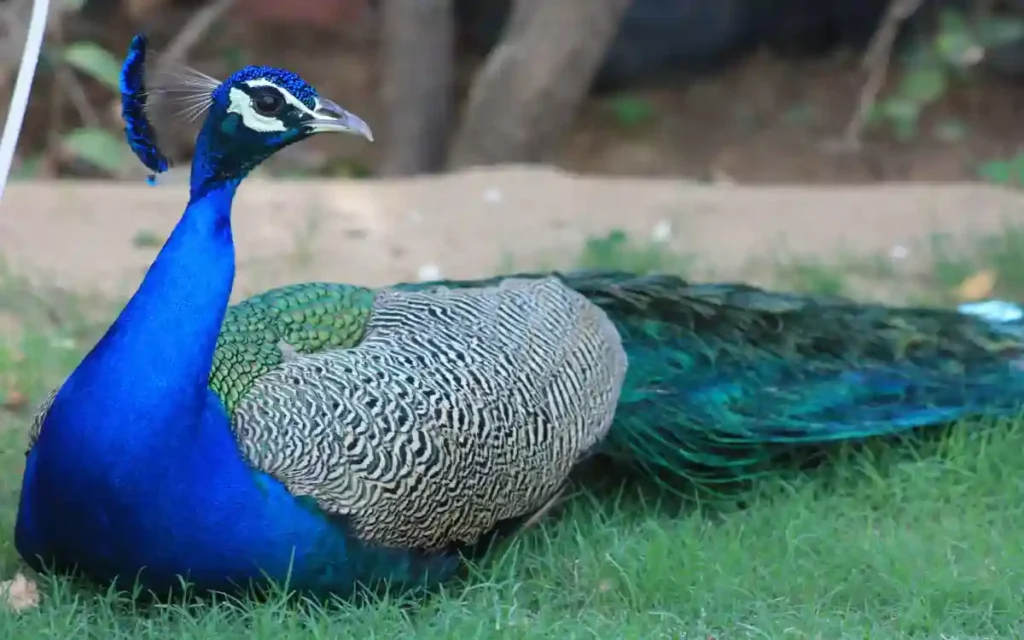
The word “peacock” refers only to males, while females are called peahens. Together, they are known as peafowl. Native to South Asia, they are now found in many parts of the world due to their popularity in gardens, parks, and estates.
If you’ve ever seen one in real life, you know how impressive they are. But their behavior, lifestyle, and survival skills are just as interesting as their appearance.
Let’s break down the most important peacock facts in a simple and useful way.
Quick Peacock Facts
| Feature | Details |
| Scientific Name | Pavo cristatus |
| Group Name | Peafowl |
| Lifespan | 15–20 years |
| Diet | Omnivore |
| Flight Ability | Short-distance |
| Habitat | Forests, grasslands, farmland |
1. Their Colors Come From Light, Not Pigment
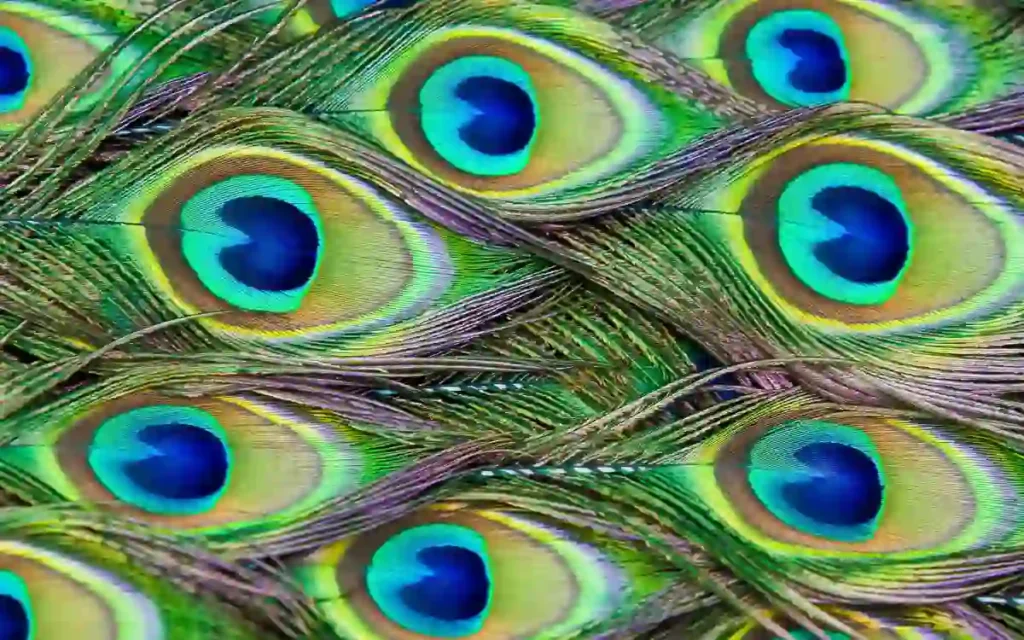
Peacock feathers look bright blue and green, but these colors are not caused by pigments like in most animals. Instead, they come from microscopic structures in the feathers that reflect light in different ways. This effect is called structural coloration. Because of this, the colors can appear to shift or shimmer depending on how light hits them, making the bird look even more striking.
2. The “Tail” Is Actually a Train
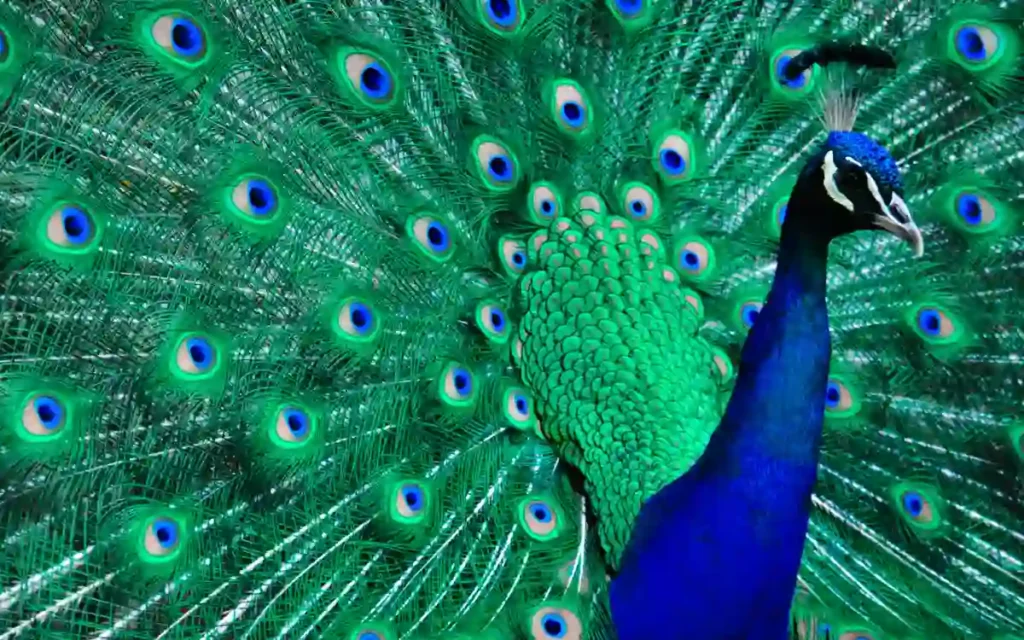
What most people call a peacock’s tail is not technically a tail. The real tail is short and hidden underneath. The long, decorative feathers are called a “train.” These feathers grow from the bird’s back and are used mainly for display during mating season, creating the iconic fan shape.
3. Eye Patterns Help With Mating
The circular patterns on peacock feathers are known as “ocelli,” or eye spots. These markings play a major role in attracting females. Studies suggest that peahens prefer males with more eye spots and better symmetry, which signals health and strong genetics. So, these patterns are not just for looks—they directly affect mating success.
4. Peacocks Shed Their Feathers Yearly
After the breeding season ends, peacocks naturally shed their long train feathers. This process is called molting. It usually happens once a year, and new feathers begin growing soon after. This cycle helps maintain feather quality and ensures the bird has a fresh, full display for the next mating season.
Read also:-
Behavior and Lifestyle:
5. Only Males Have Long Feathers
In peafowl species, only males develop the long, colorful train feathers. Females, known as peahens, have shorter, brownish feathers that help them blend into their surroundings. This camouflage is important for nesting, as it helps protect them and their eggs from predators.
6. Their Dance Is Part of Courtship
Peacocks perform a unique dance during mating season. They fan out their train, shake the feathers, and move in a semicircle around the female. The shaking creates a subtle rattling sound and vibration that enhances the display. This behavior is meant to impress and attract peahens.
7. They Have a Very Flexible Diet
Peacocks are omnivores, meaning they eat both plant and animal matter. Their diet includes seeds, fruits, insects, small reptiles, and even tiny mammals. This adaptability allows them to survive in different environments, from forests to farmland and even near human settlements.
8. Peacocks Can Be Territorial
Male peacocks can become quite territorial, especially during breeding season. They may chase or fight other males to protect their space and access to females. These conflicts are usually brief but can involve loud calls and aggressive posturing.
9. Their Calls Are Extremely Loud
Peacocks are known for their loud and sharp calls, which can travel long distances. These calls are often described as harsh or piercing. While they may seem noisy, these vocalizations help the birds communicate over large areas, especially in dense habitats.
10. They Call More During Rainy Season
Peacock calls become more frequent during the rainy season, which is also their breeding period. Many people believe that their calls can predict rain. While not scientifically proven as weather prediction, the increased activity does align with seasonal changes.
11. They Use Calls as Warning Signals
Peacocks are alert birds and often act as early warning systems. When they sense danger, they emit loud calls to alert others in the group. This helps the entire flock react quickly and stay safe from predators.
12. Native to South Asia
Peacocks are originally from the Indian subcontinent, especially India and Sri Lanka. They prefer habitats like forests, open grasslands, and areas near water. Their natural environment provides both food and safe nesting areas.
13. Now Found Around the World
Due to their popularity, peacocks have been introduced to many countries. Today, they can be found in parks, zoos, and private estates across Europe, North America, and other regions. They adapt well as long as food and shelter are available.
14. Peahens Lay Eggs on the Ground
Peahens build simple nests on the ground, usually hidden in vegetation. They lay around 4 to 8 eggs at a time. The location is chosen carefully to reduce the risk of predators finding the nest.
15. Chicks Are Called Peachicks
Baby peafowl are known as peachicks. They are born with soft feathers and can walk shortly after hatching. They stay close to their mother, who protects and guides them during their early development.
16. Males Take Years to Mature
Young male peacocks do not immediately have their famous feathers. It takes about 2 to 3 years for them to grow a full train. During this time, they look more like females and gradually develop their bright plumage.
17. They Can Fly Short Distances
Despite their large size and long feathers, peacocks can fly. However, they only fly short distances. This ability is mainly used to escape danger or reach higher places like tree branches.
18. They Sleep in Trees
At night, peacocks prefer to roost in trees rather than stay on the ground. This helps them avoid predators such as wild animals. Their strong legs and claws allow them to grip branches securely.
19. They Are Faster Than They Look
Peacocks may appear heavy, but they are surprisingly quick runners. They can move fast when escaping threats, which adds another layer to their defense system.
20. National Bird of India
The Indian peacock holds official status as the national bird of India. It is widely respected and protected, and it appears in art, culture, and traditions across the country.
21. Strong Cultural Symbolism
Peacocks are often linked to beauty, pride, and knowledge in different cultures. In India, they are associated with deities and spiritual meaning. Their presence is often seen as a positive symbol.
22. White Peacocks Are Not Albino
White peacocks are a result of a genetic variation called leucism. Unlike albino animals, they still have normal eye color. Their white feathers make them look unique, but they belong to the same species.
23. They Can Recognize People
Peacocks are intelligent birds and can recognize humans, especially those who feed them regularly. Over time, they may become comfortable around familiar people.
24. They Prefer Living in Groups
Peafowl often stay in small groups, especially when resting or roosting. Group living provides safety, as more eyes help detect danger early.
25. Feather Loss Is Natural and Safe
Peacocks losing their feathers might look dramatic, but it is completely natural. The process does not harm the bird, and new feathers grow back stronger for the next season.
FAQs
Do peacocks make good pets?
They can be kept in large spaces, but they are noisy and need proper care, so they are not ideal for most homes.
Can peacocks fly long distances?
No, they only fly short distances mainly to escape danger or reach high places.
Why do peacocks spread their feathers?
To attract females and show dominance during mating season.
What do peacocks eat?
They eat insects, seeds, fruits, and small animals.
Are peacocks rare?
The Indian peacock is common, but some species like the Green peafowl are less common.