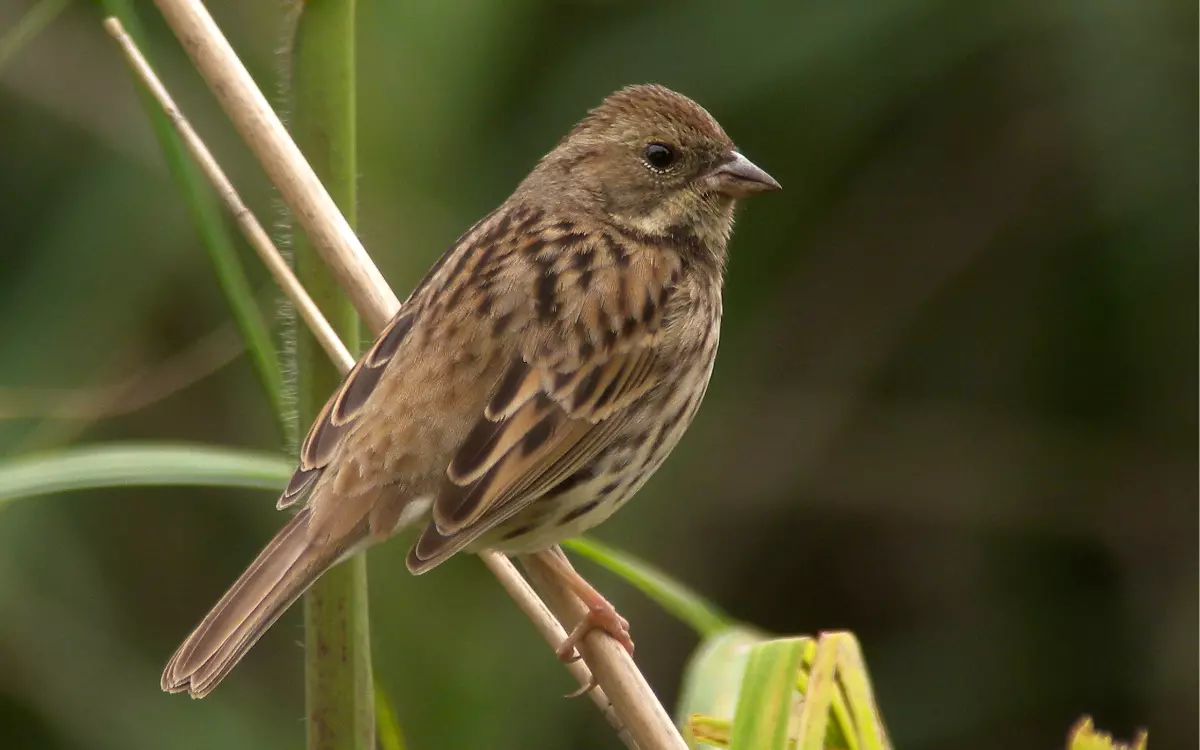
15 Small Birds in Delaware
Delaware’s landscape stretching from forested trails to coastal marshes hosts hundreds of bird species, but it’s often the smaller ones that bring the most joy to local birdwatchers. These tiny birds are full of life, chirping from tree branches, flitting between feeders, and showing off their bright personalities despite their size.
Whether you’re exploring a state park or sipping coffee by a backyard feeder, small birds in Delaware are everywhere once you start noticing them. This guide introduces fifteen of the most common and charming small birds you can see year-round or during seasonal migrations.
1. Carolina Chickadee
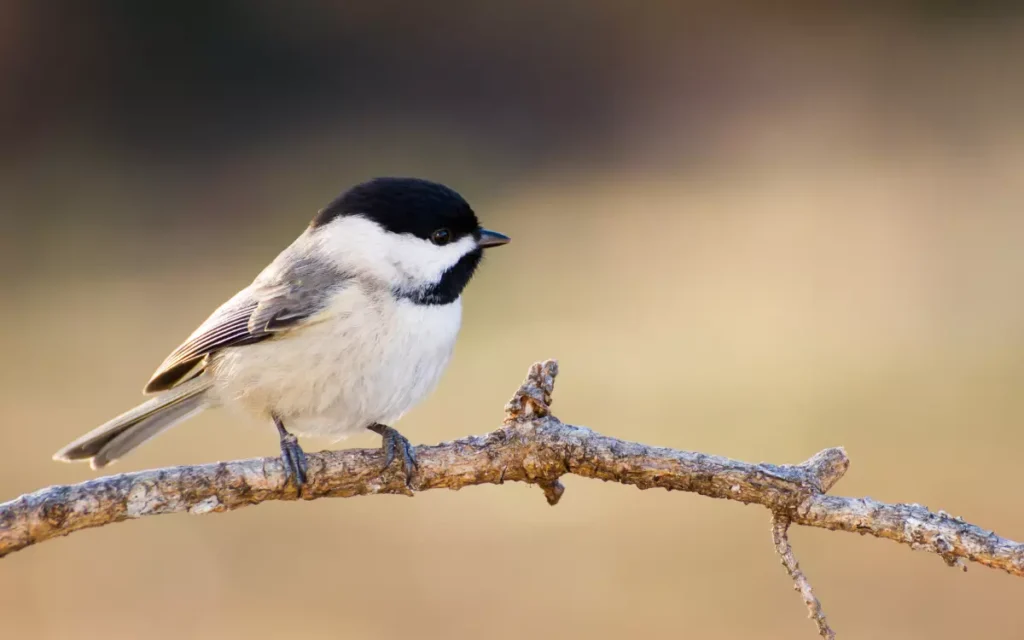
The Carolina Chickadee is one of Delaware’s best-known small birds. Only about four inches long, it’s instantly recognized by its black cap, bib, and white cheeks. You’ll often see them darting around feeders or hanging upside down on branches. These curious little birds live in Delaware year-round and are especially common in neighborhoods with mature trees. Their cheerful “chick-a-dee-dee-dee” call gives them their name.
2. Tufted Titmouse
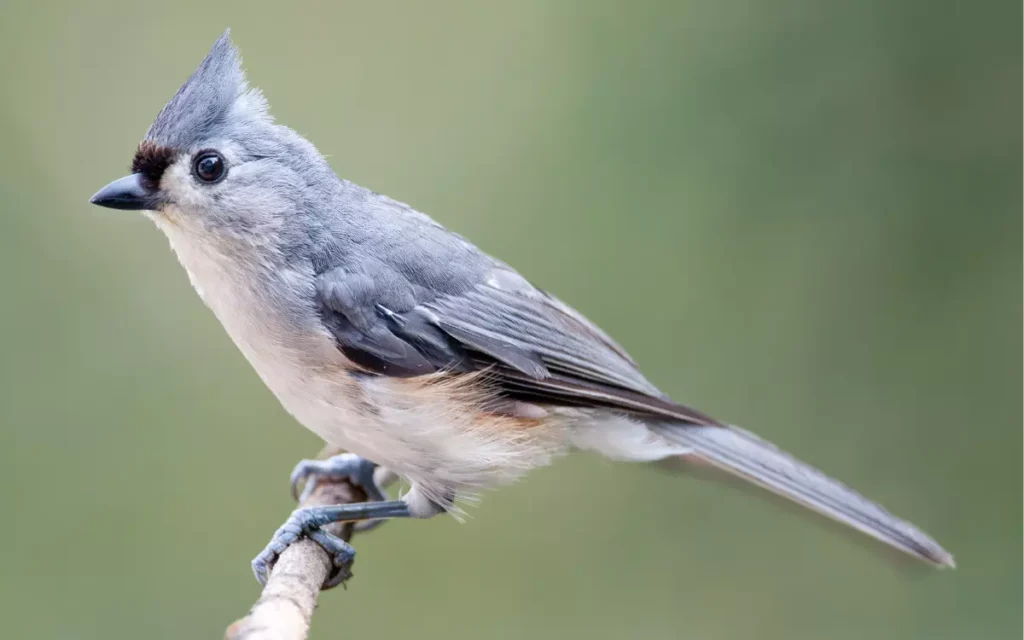
Slightly larger than the chickadee but still considered a small songbird, the Tufted Titmouse has a gray body, white belly, and a small crest on its head. It’s quick, bold, and loves sunflower seeds. They often appear with chickadees and nuthatches, forming mixed feeding flocks that brighten up winter days across Delaware’s parks and backyards.
3. House Finch
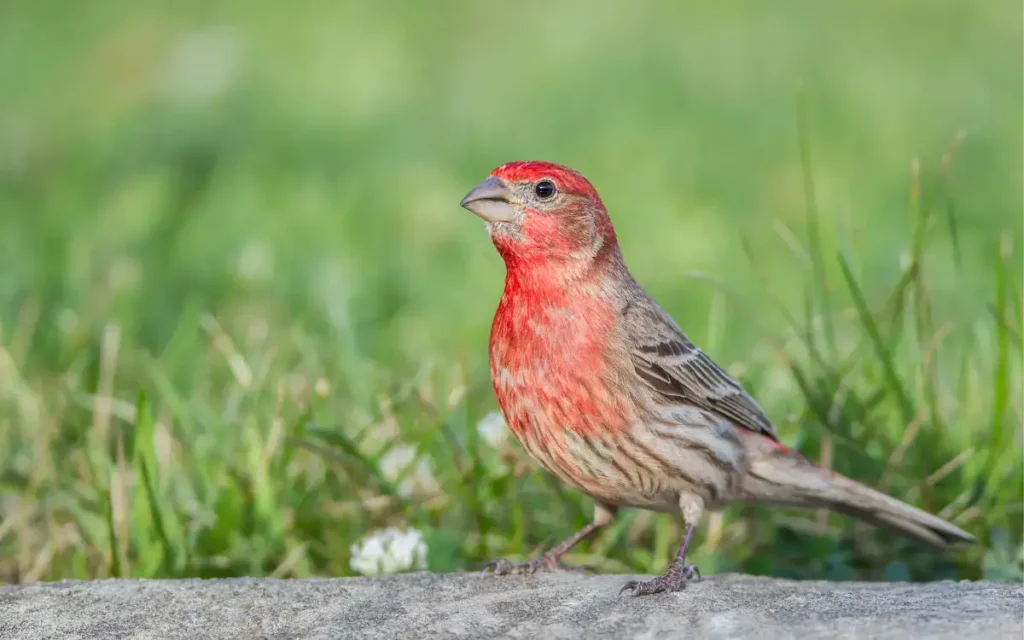
The House Finch is a small, friendly bird that adapts easily to suburban life. Males have rosy-red heads and chests, while females wear soft brown streaks. They’re active year-round and often visit hanging feeders filled with black oil sunflower seeds. Their cheerful warbling songs can be heard in almost every Delaware neighborhood.
4. American Goldfinch
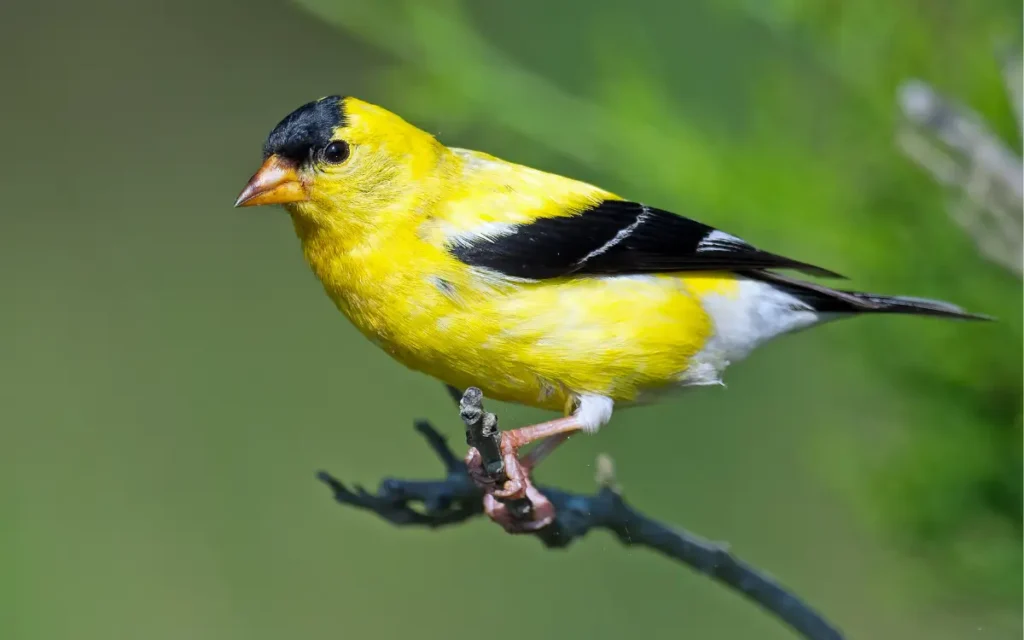
The American Goldfinch changes with the seasons bright yellow in summer and dull olive in winter. Despite its small size, this bird’s flight call, a musical “per-chick-o-ree,” makes it easy to spot. They love thistle and sunflower seeds, and you can find them throughout Delaware, especially in open fields and gardens.
5. Dark-eyed Junco
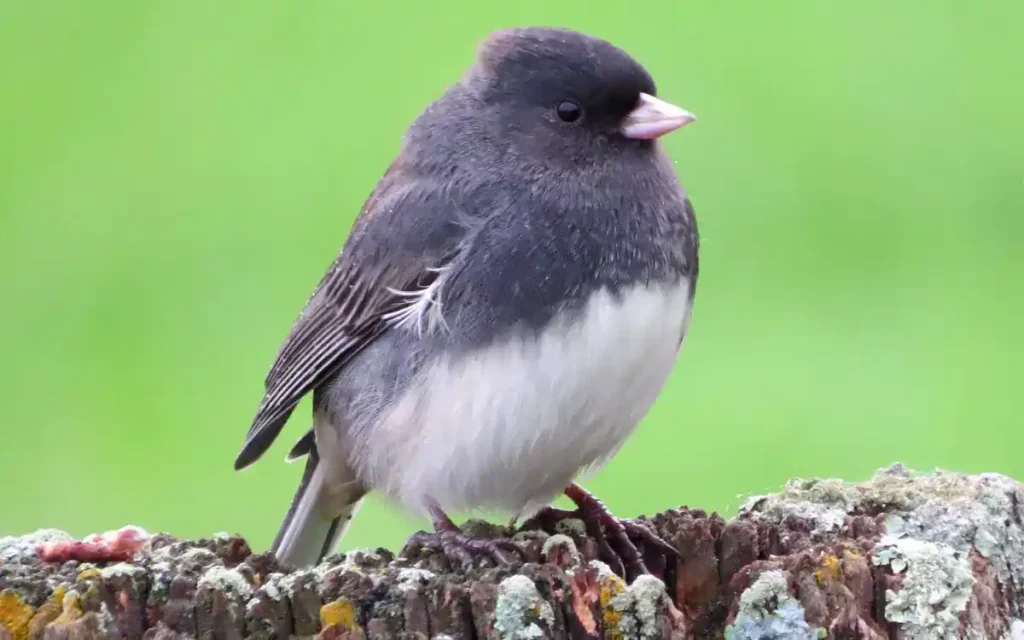
This small winter visitor, nicknamed the “snowbird,” is easy to recognize with its gray back and white belly. Juncos arrive in Delaware when the weather turns cold and spend their days hopping beneath feeders or searching for seeds on the ground. By early spring, most migrate north to breed, leaving behind quieter backyards until next winter.
6. Ruby-crowned Kinglet

Tiny and energetic, the Ruby-crowned Kinglet is one of North America’s smallest birds. It’s olive-gray overall, but males flash a hidden red crown when excited. These quick-moving birds are often found in Delaware during migration seasons, darting through shrubs and low branches as they snap up insects. Listen for their fast, high-pitched chatter in early spring or late fall.
7. Carolina Wren
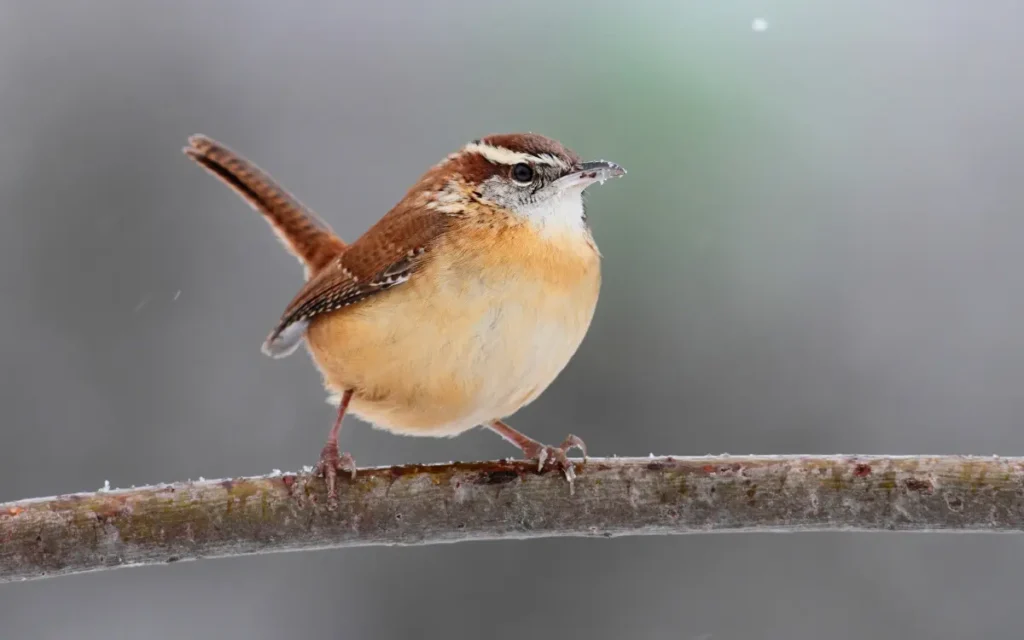
The Carolina Wren may be small, but it has a powerful voice. Its warm brown feathers and slightly curved bill make it easy to recognize once you know it. Wrens love porches, sheds, and brush piles anywhere that offers cover. They live in Delaware year-round, often singing “teakettle-teakettle-teakettle” even on cold mornings.
8. White-breasted Nuthatch
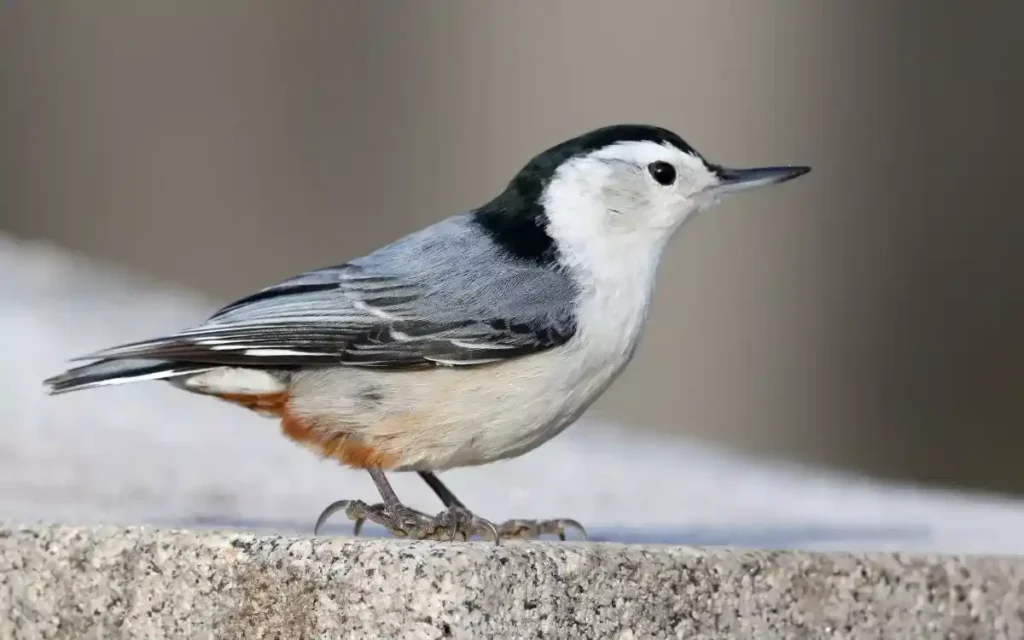
A regular at backyard feeders, the White-breasted Nuthatch has a blue-gray back, white face, and a short tail. These small but agile birds are famous for climbing down tree trunks head-first while searching for insects. You’ll find them throughout Delaware’s woodlands, parks, and neighborhoods at any time of year.
9. Downy Woodpecker
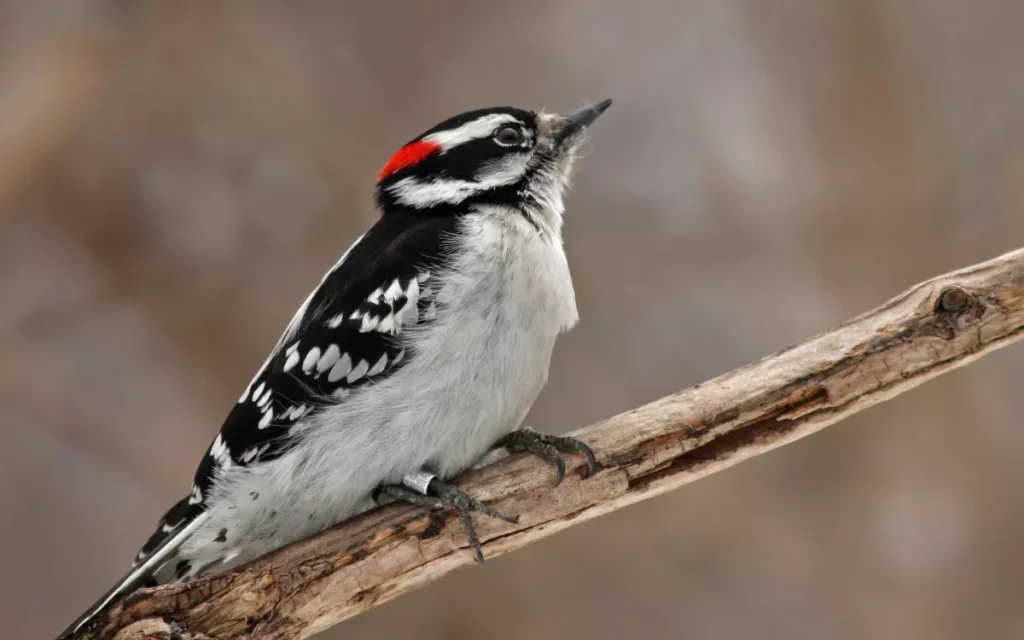
The Downy Woodpecker is the smallest woodpecker in Delaware, about six inches long. It has black and white plumage with a small red patch on the back of the male’s head. Despite its size, it drums loudly on trees and feeders. They visit suet blocks and are easy to spot throughout the state, often in the company of chickadees and titmice.
10. Eastern Bluebird
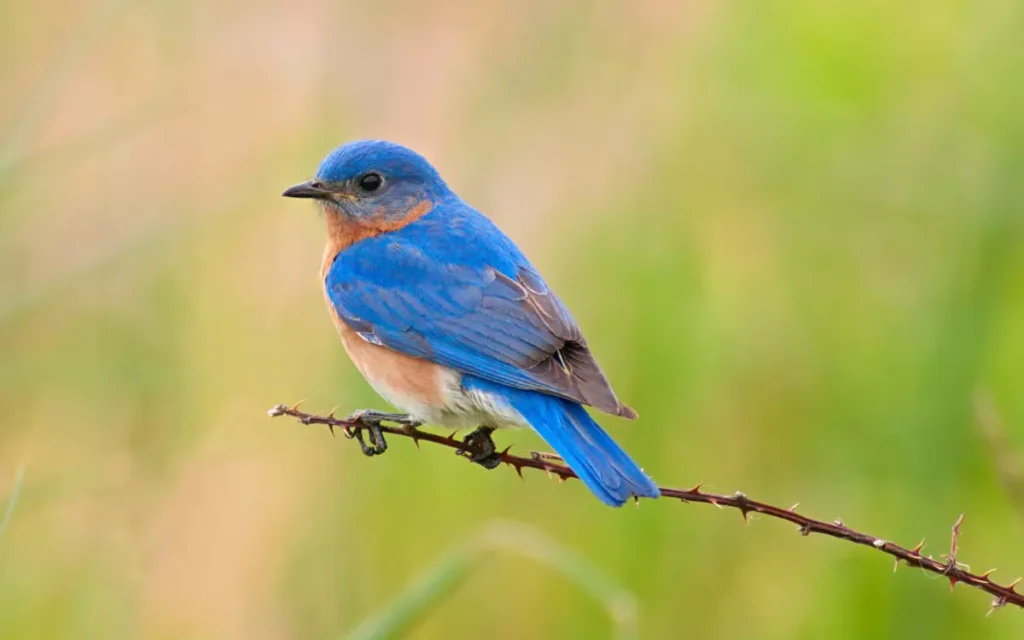
Slightly larger than a sparrow but still considered a small bird, the Eastern Bluebird is a Delaware favorite. Males have bright blue backs and rusty chests, while females are softer in color. They prefer open fields and nest in boxes or tree cavities. Delaware’s bluebird population has rebounded thanks to nest box programs in parks and neighborhoods.
11. House Sparrow
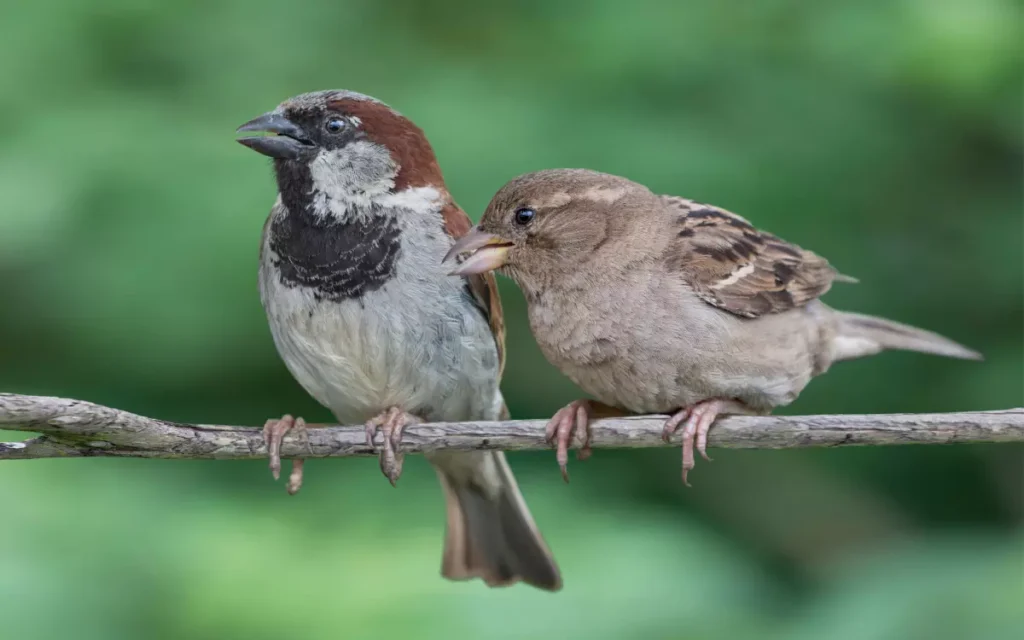
Though not native to North America, the House Sparrow is now one of Delaware’s most common small birds. These stocky, social birds gather around homes, barns, and city streets. Males have gray crowns and black bibs, while females are plainer brown. Their chirping chatter is a familiar sound in both towns and rural areas.
12. Song Sparrow
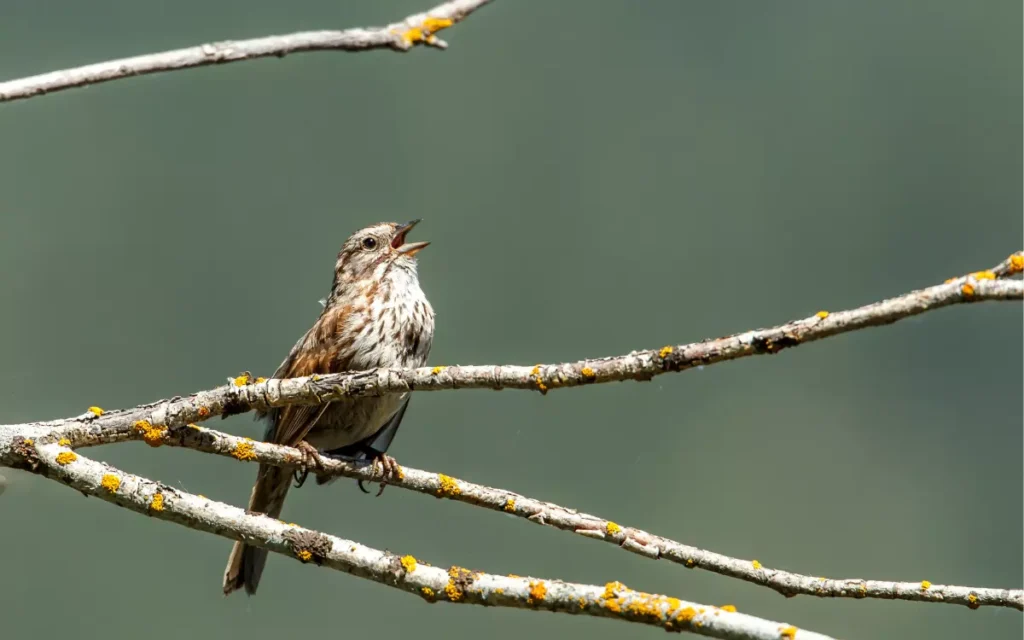
The Song Sparrow is a year-round resident in Delaware, easily recognized by its streaked chest and melodious song. These small brown birds prefer brushy edges and wetlands, often perching on tall weeds or low branches while singing. Even in winter, their steady calls bring a sense of liveliness to quiet landscapes.
13. Eastern Phoebe
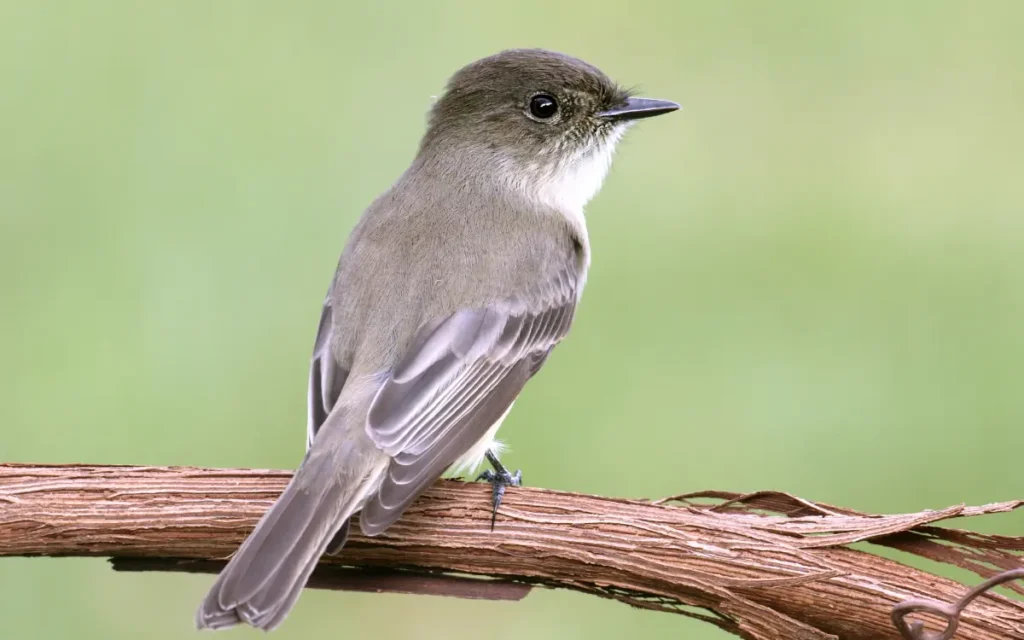
The Eastern Phoebe is a small flycatcher with grayish-brown plumage and a gentle personality. It’s known for its habit of wagging its tail while perched. Phoebes arrive in Delaware early in spring and can often be seen nesting on bridges or porch ledges. Their soft “fee-bee” song marks the change of seasons for many birdwatchers.
14. Chipping Sparrow
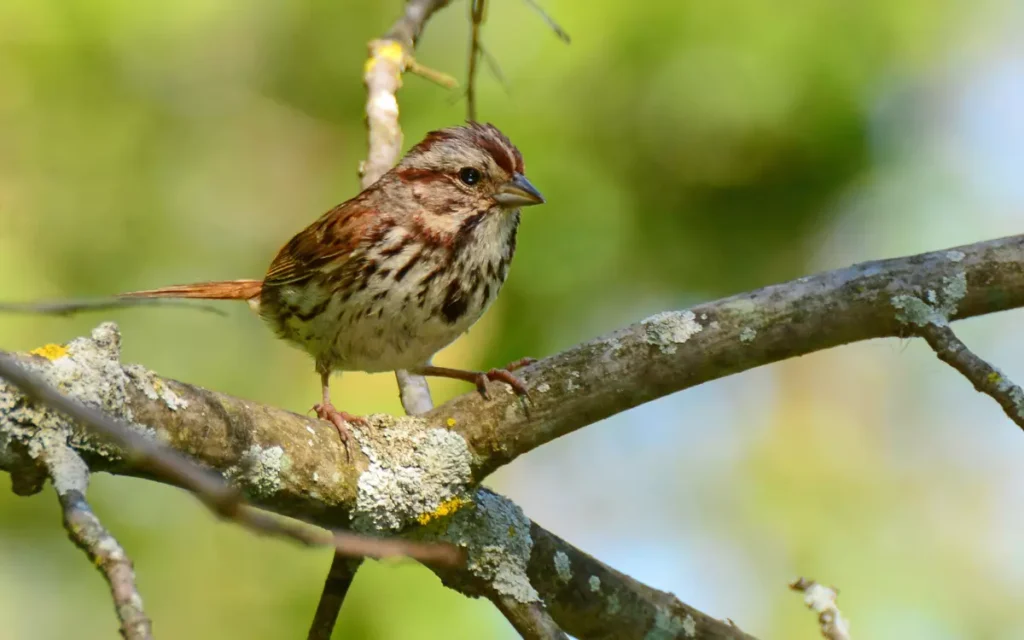
This small sparrow has a clean gray belly, rusty crown, and a black eye line. Common across Delaware in warmer months, Chipping Sparrows love open lawns and woodland edges. They feed mainly on seeds and insects, and their simple, dry trill is a familiar background sound from April to October.
15. Northern Cardinal (Female)
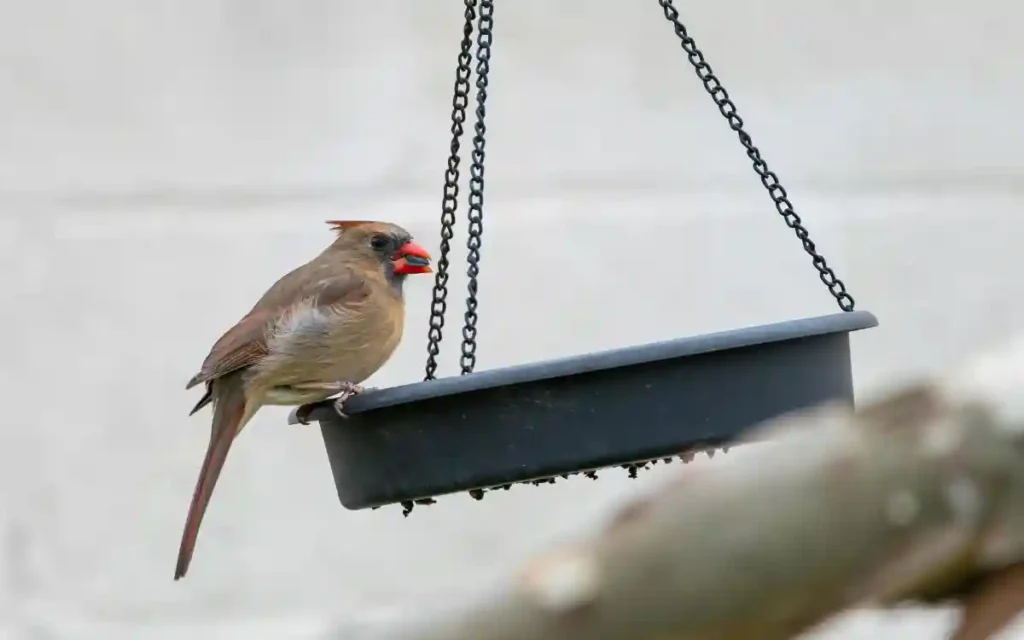
While the bright red male cardinal steals attention, the female smaller and cloaked in soft brown with gray tones is equally beautiful. She sings a similar tune to her mate and is a loyal backyard resident across Delaware. Cardinals stay year-round, pairing up early in spring and visiting feeders daily during winter.
Small Birds in Delaware
| Bird | Season Seen | Common Habitat | Size |
| Carolina Chickadee | Year-round | Woodlands, suburbs | 4–5 in |
| Tufted Titmouse | Year-round | Forests, feeders | 5–6 in |
| House Finch | Year-round | Yards, towns | 5 in |
| American Goldfinch | All year | Fields, gardens | 4–5 in |
| Dark-eyed Junco | Winter | Forest edges | 5–6 in |
| Ruby-crowned Kinglet | Spring/Fall | Shrubs, woods | 4 in |
| Carolina Wren | Year-round | Bushy yards | 5 in |
| White-breasted Nuthatch | Year-round | Woods, feeders | 5–6 in |
| Downy Woodpecker | Year-round | Trees, feeders | 6 in |
| Eastern Bluebird | Year-round | Fields, parks | 6–7 in |
| House Sparrow | Year-round | Urban areas | 6 in |
| Song Sparrow | Year-round | Wetlands, fields | 5–6 in |
| Eastern Phoebe | Spring–Fall | Streams, bridges | 6 in |
| Chipping Sparrow | Spring–Fall | Yards, parks | 5 in |
| Northern Cardinal (Female) | Year-round | Backyards, woods | 7–8 in |
Where to See Small Birds in Delaware
Delaware’s compact geography makes birding easy and rewarding. White Clay Creek State Park and Brandywine Creek State Park in the north offer forested trails full of chickadees, titmice, and nuthatches. In central Delaware, Bombay Hook National Wildlife Refuge is a top spot for sparrows, phoebes, and wrens. Along the coast, Cape Henlopen State Park draws migratory finches and kinglets in spring and fall.
For those who prefer to watch from home, a few simple feeders can bring in many of these small birds. Offer black oil sunflower seeds, suet, and nyjer seed, and keep fresh water available. A quiet morning on the porch can reveal more species than you expect.
Tips for Attracting Small Birds
Provide a mix of native plants like coneflower, goldenrod, and winterberry for natural food and shelter. Avoid pesticides—they reduce the insect supply that many small birds rely on. Clean your feeders regularly and place them near shrubs or trees for quick cover. If you enjoy photography, early morning light offers the best chances to capture these quick, colorful birds in motion.
Frequently Asked Questions
What are the most common small birds in Delaware?
Carolina Chickadees, House Finches, Tufted Titmice, and American Goldfinches are among the most widespread small birds found across the state all year.
Do small birds stay through winter in Delaware?
Many do. Chickadees, titmice, nuthatches, and wrens remain active even on cold days, while migratory species like juncos visit only during winter.
Which small birds visit backyard feeders the most?
Chickadees, titmice, finches, nuthatches, and downy woodpeckers are regular feeder visitors in both rural and urban settings.
What’s the smallest bird found in Delaware?
The Ruby-crowned Kinglet is one of Delaware’s tiniest birds, weighing less than a quarter of an ounce but full of energy.
Where should I go to see small birds in Delaware?
Try Bombay Hook, Cape Henlopen, or White Clay Creek for year-round birdwatching. These locations host diverse habitats perfect for spotting small songbirds and seasonal migrants.
Final Thoughts
Small birds add constant movement and music to Delaware’s landscapes. From the lively chickadee’s chatter to the goldfinch’s fluttering call, their presence brings warmth to every season. Watching them is not just a hobby—it’s a reminder of how much life thrives in even the smallest corners of the state. So grab your binoculars or refill your feeders, and let Delaware’s little songbirds bring their cheerful energy to your day.