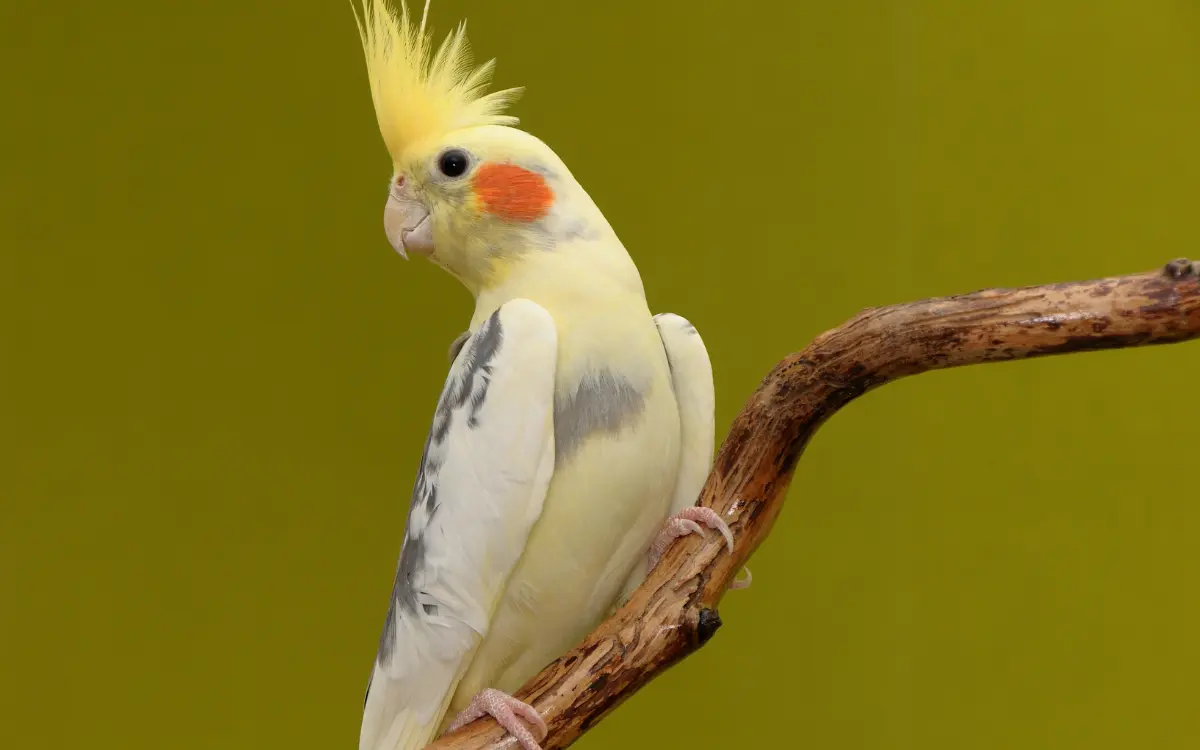
20 Types of Blue Birds
Blue birds instantly stand out. Their color feels calm, powerful, and rare all at once. Around the world, blue-feathered birds appear in many forms from tiny songbirds to large parrots and each one has unique traits that make it worth knowing.
This guide showcases 20 blue birds, with clear information people actually care about, including behavior, appearance, and interesting facts that help readers remember each species.
List of 20 Types of Blue Birds
1.Eastern Bluebird
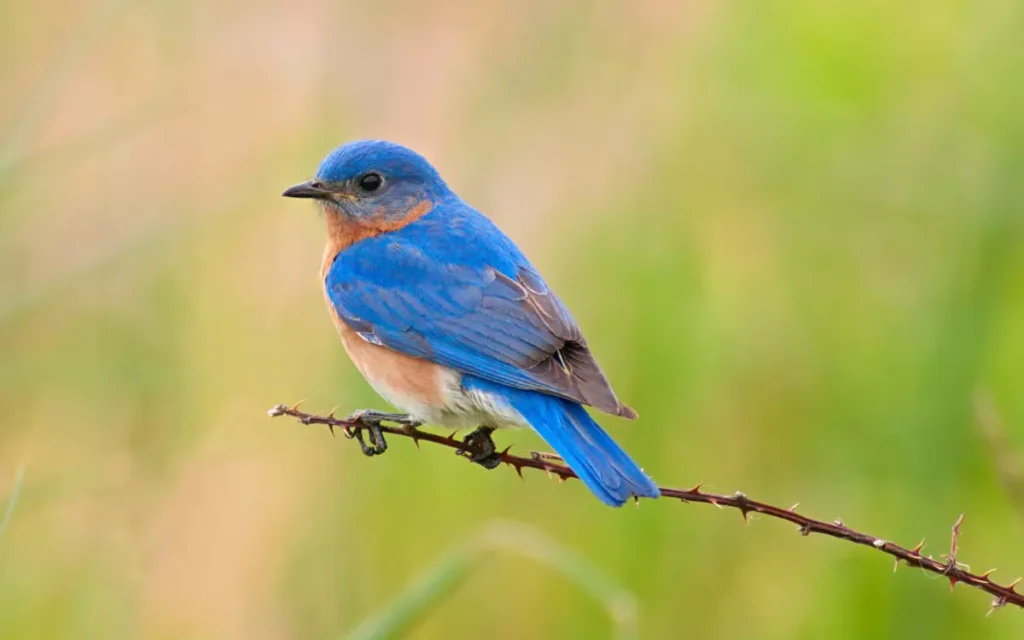
The Eastern Bluebird is known for its soft blue back and warm orange chest. It has a calm personality and often sits quietly on fences or low branches while searching for insects. These birds rely heavily on nesting cavities, which is why nest boxes have helped their populations recover. They are often seen as symbols of happiness and gentle balance.
2.Blue Jay
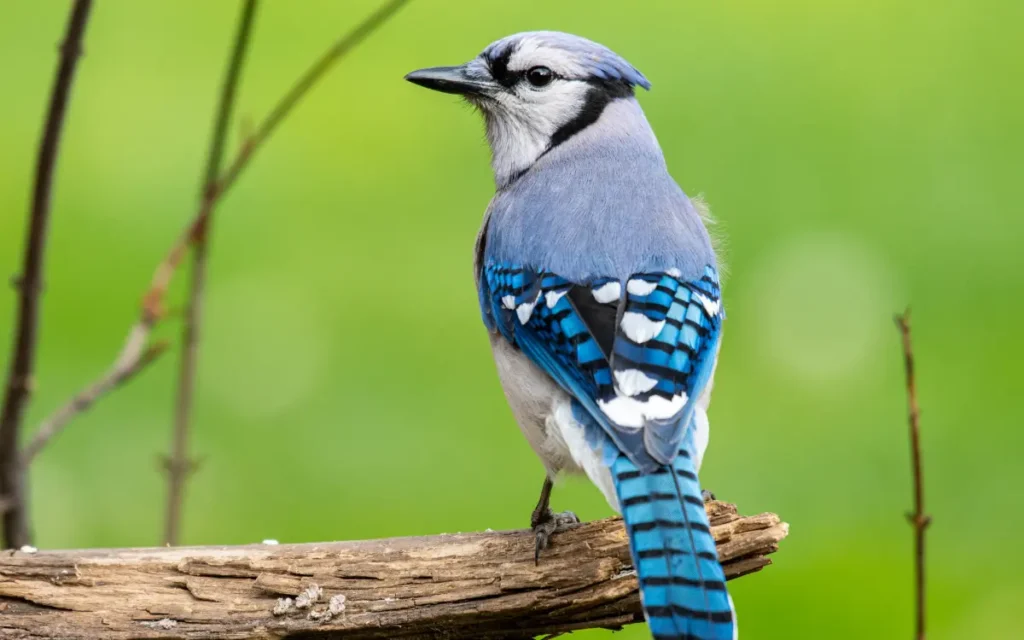
Blue Jays are bold, intelligent, and highly vocal. Their bright blue feathers and strong black markings make them easy to recognize. They are excellent mimics and sometimes imitate hawks to scare other birds away from food. Blue Jays also play an important role in nature by spreading oak trees through acorn caching.
Read also:
- Blue Jay Spiritual Meaning: Symbolism and Love Revealed
- 13 Types of Jays
- 6 Simple Steps to Attract Bluebirds to Your Backyard
3.Indigo Bunting
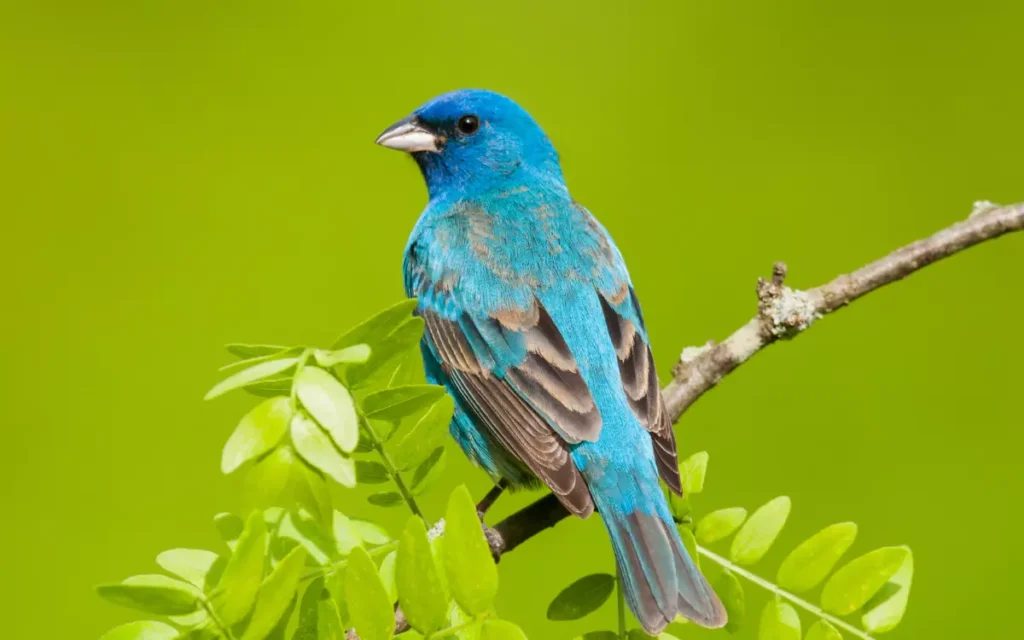
Male Indigo Buntings appear deep blue in sunlight, almost glowing when they move. Females are brown, which helps them stay hidden while nesting. These birds are active singers and are often heard before they are seen. Interestingly, they navigate during migration using the stars at night.
4.Mountain Bluebird
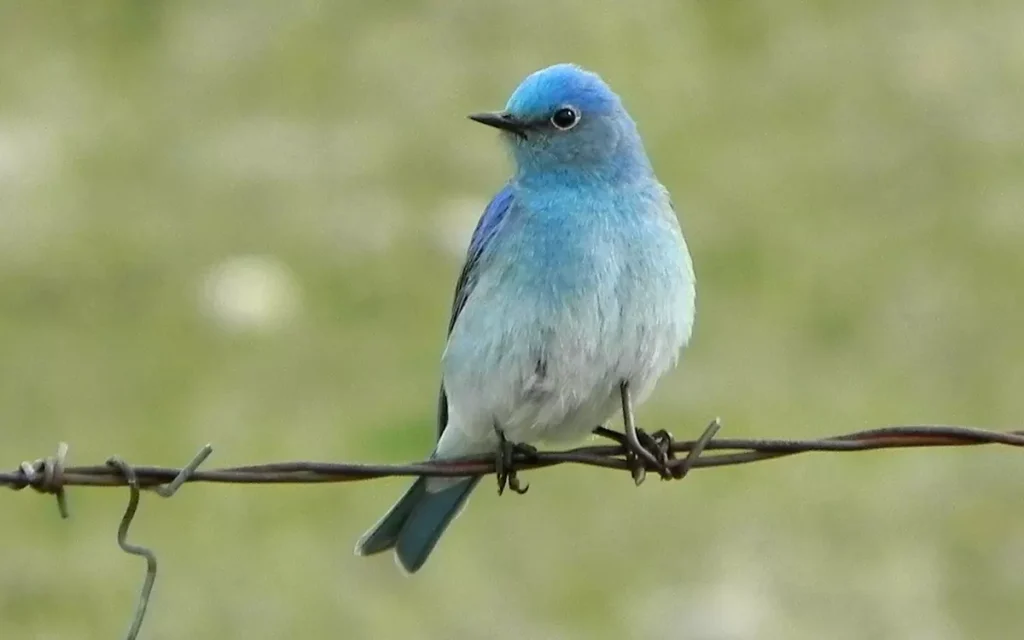
Mountain Bluebirds have soft, sky-blue feathers that give them a gentle look. They are often seen hovering briefly in the air before dropping to the ground to catch insects. Unlike many birds, they prefer wide open spaces, which makes them easier to spot against open landscapes.
5.Tree Swallow
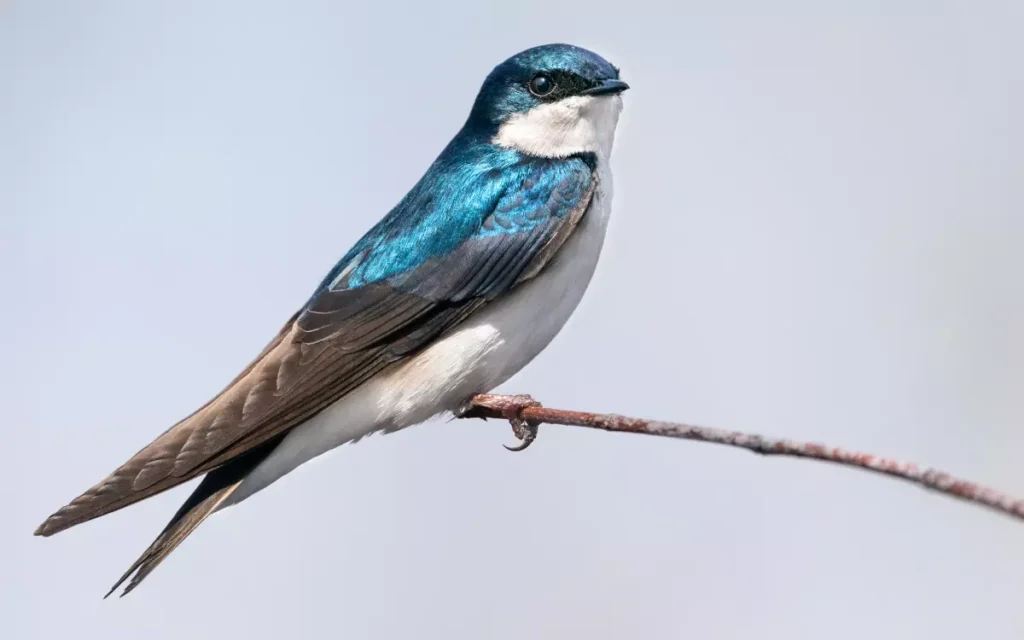
Tree Swallows are sleek and fast, spending most of their time flying while catching insects midair. Their glossy blue-green feathers shine in sunlight. They are highly social and often gather in large flocks outside the breeding season. Nesting cavities near water are especially important for them.
6.Belted Kingfisher
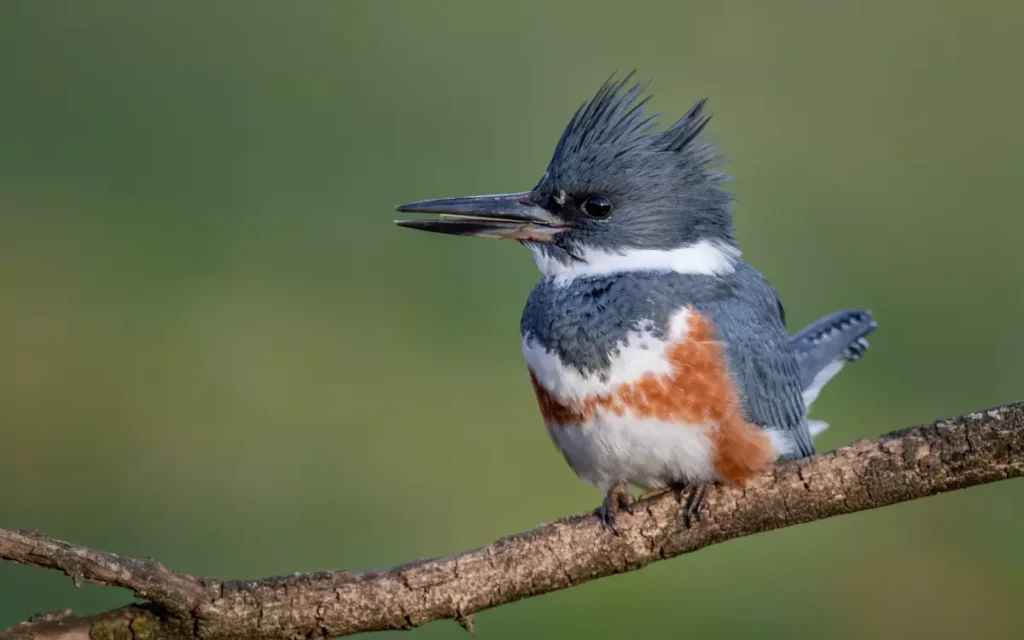
This bird is known for its loud, rattling call and dramatic fishing dives. It perches above water, watching patiently before plunging headfirst to catch fish. One unusual fact is that female Belted Kingfishers are more colorful than males, which is rare among birds.
7.Blue Grosbeak
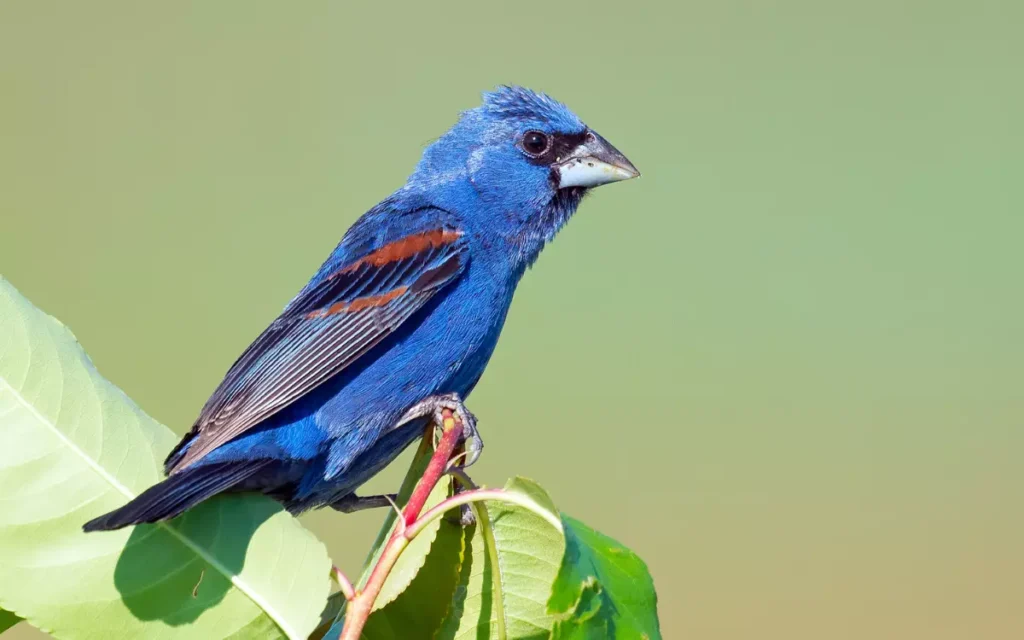
The Blue Grosbeak has rich blue feathers paired with chestnut wing bars, giving it a bold appearance. It has a strong, thick beak designed for cracking seeds. These birds often sing from exposed perches and are easier to hear than see during breeding season.
Related: Bluebird Spiritual Meaning: Everything You Need to Know
8.Steller’s Jay
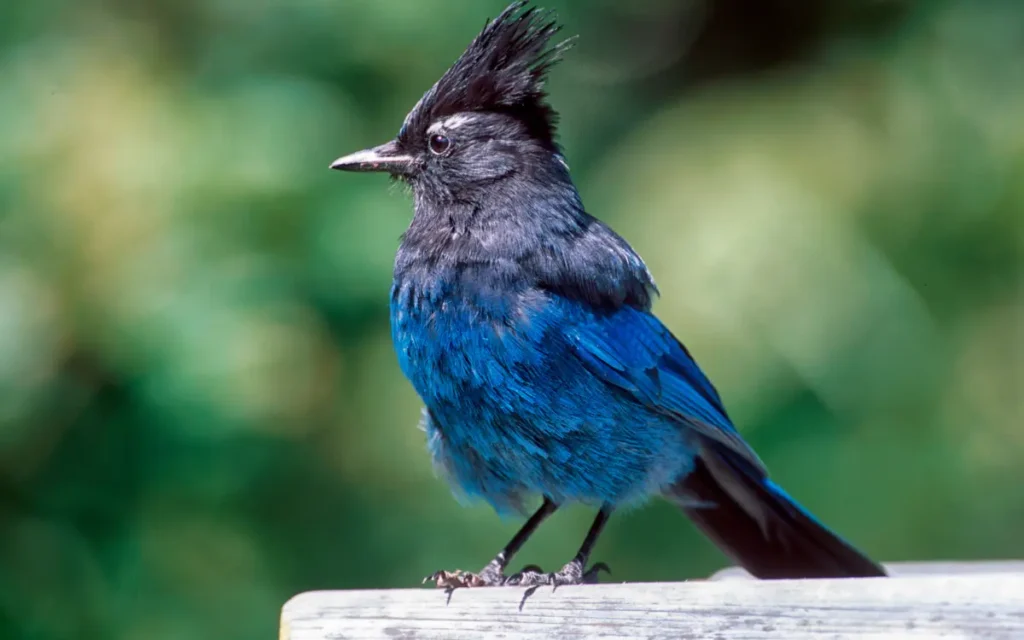
Steller’s Jays are dark blue with tall crests and strong personalities. They are curious, intelligent, and often fearless around people. Known for their loud calls, they are quick to investigate campsites and picnic areas. They can remember food locations for long periods.
9.Lazuli Bunting
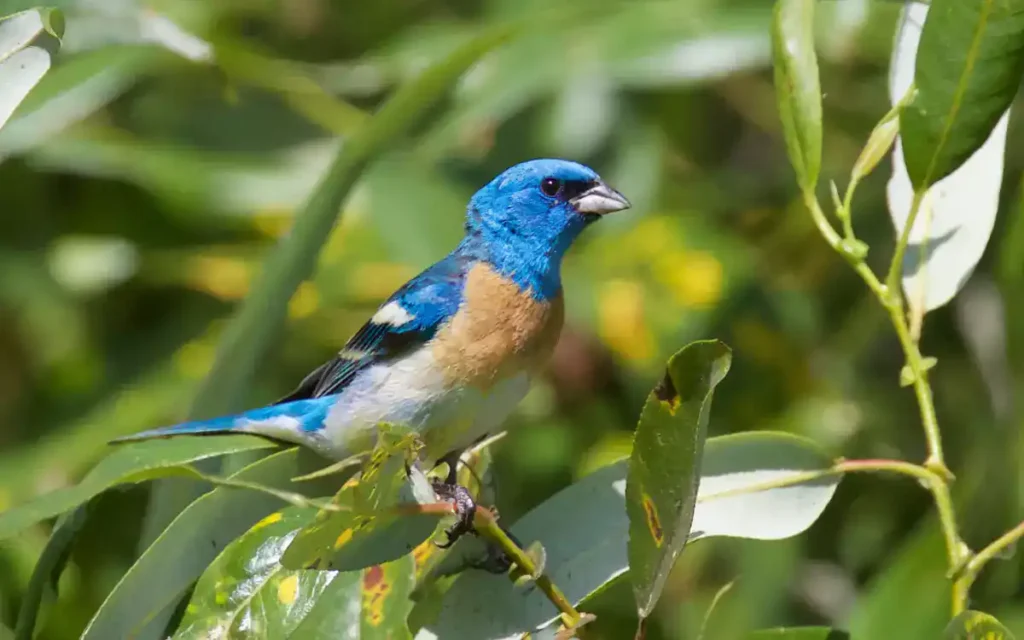
Lazuli Buntings combine soft blue coloring with warm orange tones. They move quickly through brushy areas and are more often heard singing than seen sitting still. Their coloring is brightest during breeding season, helping males attract mates.
10.Cerulean Warbler
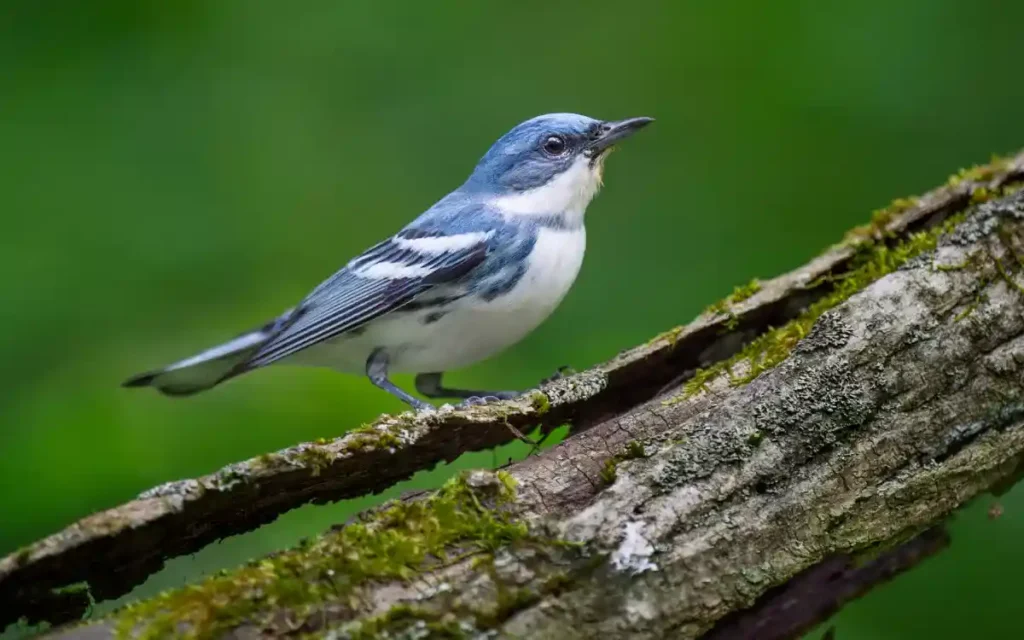
This small bird has pale blue feathers and lives high in forest canopies. It moves quickly and is difficult to spot, even when present. Because it relies on mature forests, habitat loss has greatly affected its population, making sightings more special.
Read also: 20 Birds With Colorful Beaks (Picture & Call)
11.Blue-winged Teal
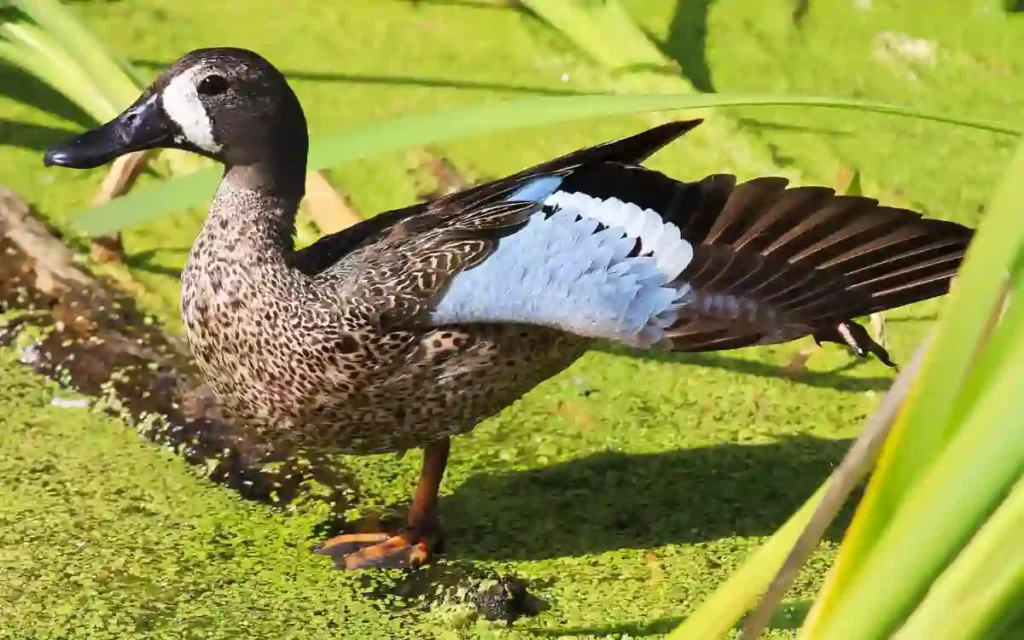
The Blue-winged Teal is a small duck that shows bright blue patches on its wings during flight. It is one of the earliest migrating ducks each year. These birds feed by dabbling in shallow water rather than diving.
12.California Scrub-Jay
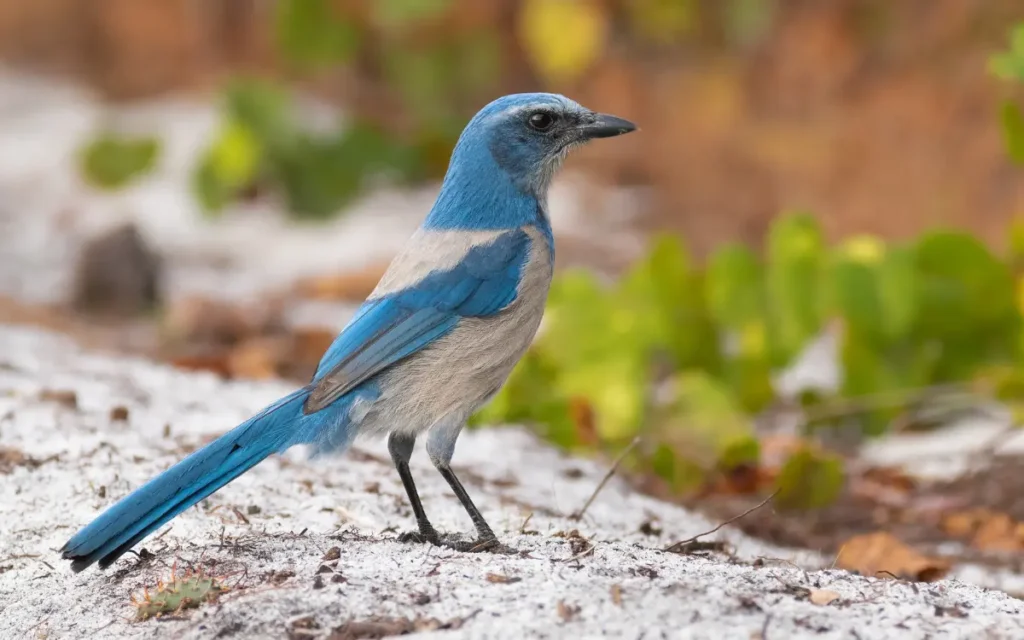
This bird has bright blue feathers, a long tail, and a confident attitude. It often forages on the ground and is known for its sharp calls. California Scrub-Jays are highly intelligent and can remember hundreds of hidden food locations.
13.Purple Martin (Male)
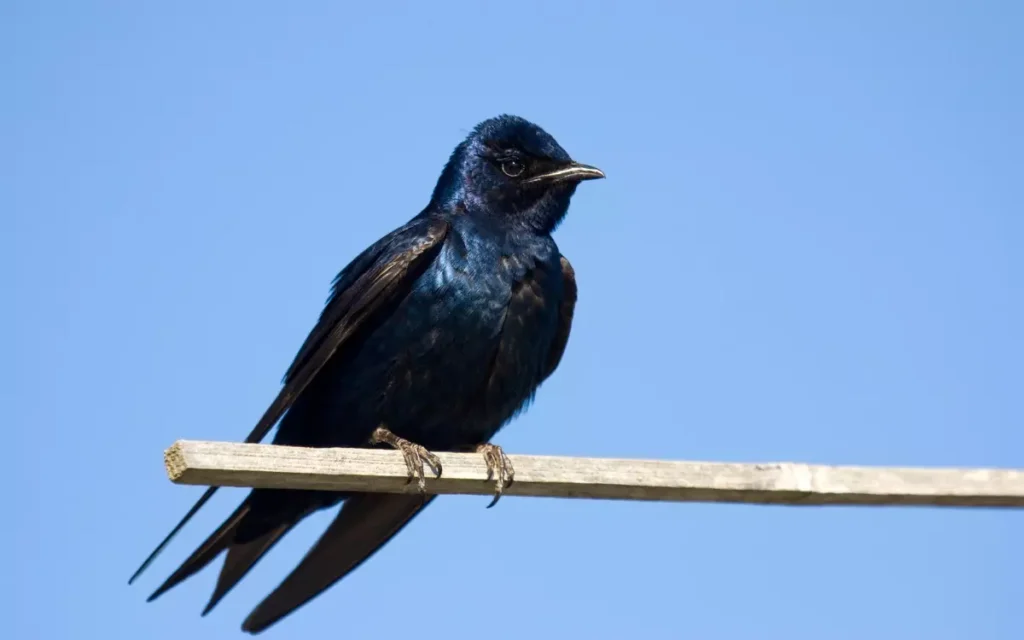
Male Purple Martins appear deep blue-black in strong light. They are graceful flyers and catch insects while soaring high in the air. In many areas, they rely almost entirely on human-provided nesting houses, making them closely tied to people.
14.Eastern Indigo Bunting

The Eastern Indigo Bunting is a vibrant bird with deep blue feathers that shimmer in sunlight. It is often seen singing from high perches during the breeding season.
- Location: Open woodlands, fields, and edges across eastern United States.
- Size: 4.5–5 inches long, wingspan 7.5–8.5 inches.
- Migration: Migrates to Central and South America in winter.
15.Common Kingfisher

Small but striking, the Common Kingfisher flashes electric blue as it flies low over water. It hunts by diving precisely for fish and returning to a perch. Its bright coloring often makes it appear like a quick streak of light.
Read also: 25 Birds with Red Heads: A Comprehensive Guide
16.Barn Swallow
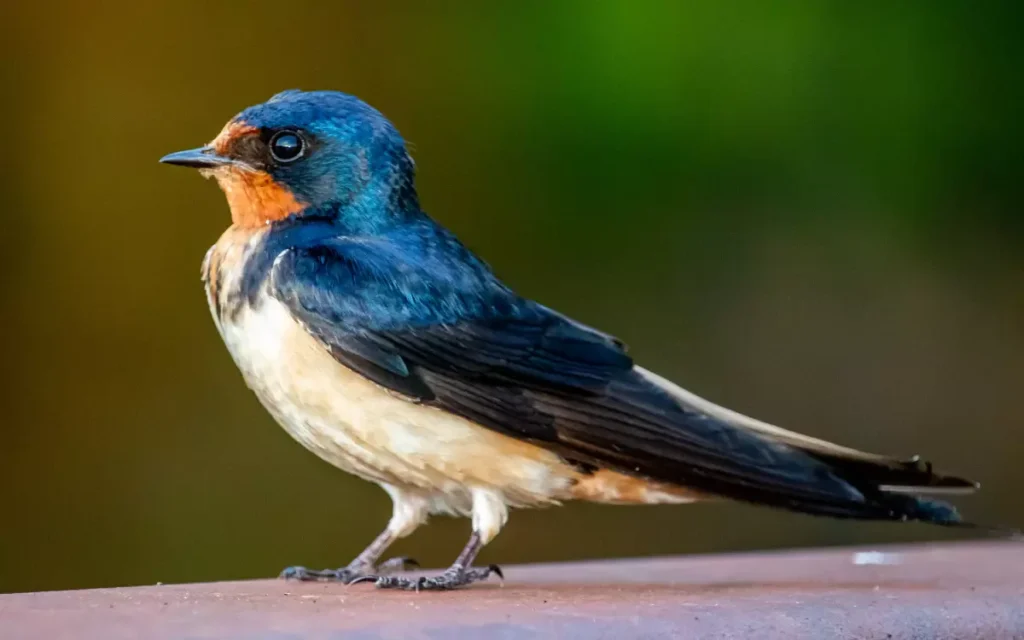
Barn Swallows are known for their deeply forked tails and glossy blue backs. They are incredibly agile flyers and spend much of their time catching insects in open spaces. Their mud nests are often built on buildings, bridges, and barns.
17.Indian Roller
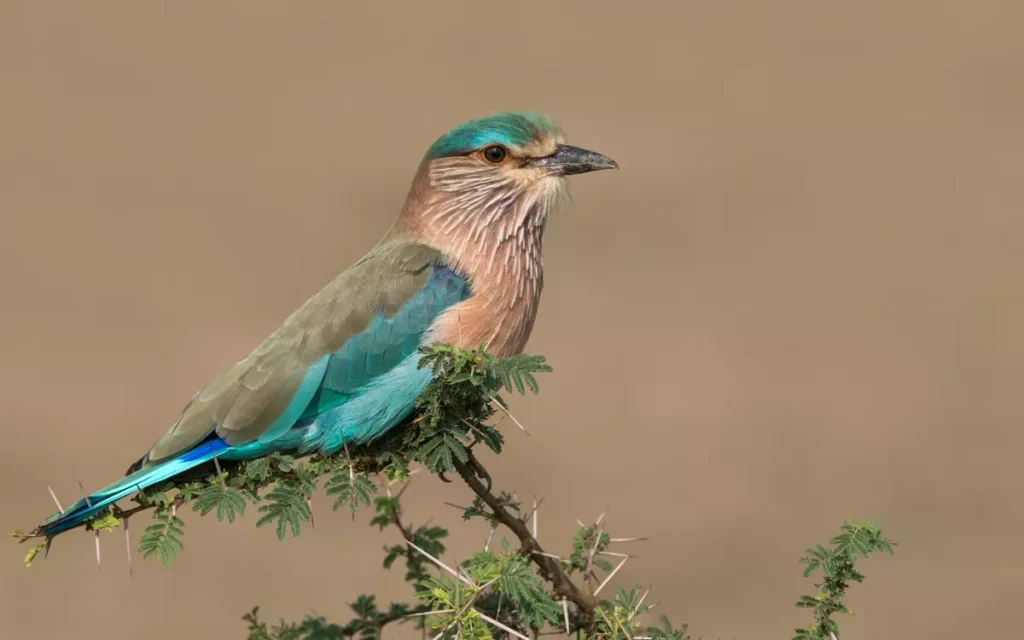
The Indian Roller is famous for its bright blue wings, which are especially noticeable in flight. It performs rolling aerial displays during breeding season. This bird often perches on wires or trees while scanning the ground for insects.
18.Blue-and-Yellow Macaw
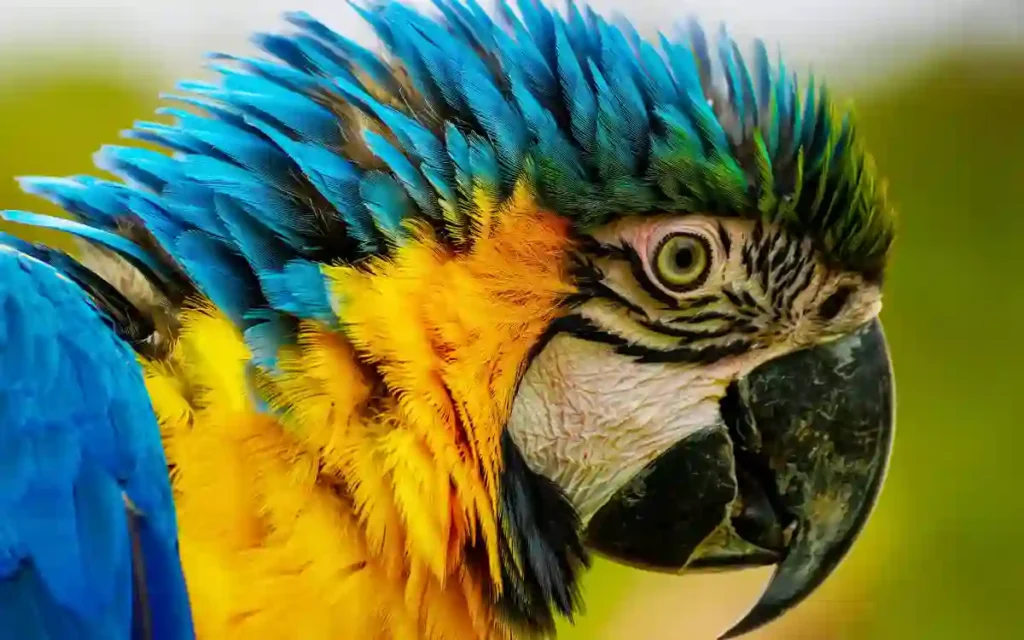
This large parrot is instantly recognizable with its vivid blue wings and bright yellow chest. Blue-and-Yellow Macaws are highly social, intelligent, and form strong bonds with mates. Their loud calls help them communicate across dense forests.
19.Tree Pipit (Breeding Plumage)

The Tree Pipit is a small songbird with subtle blue hues during breeding. It is often seen perched on treetops or fluttering down to the ground.
- Location: Open fields, woodlands, and grasslands in Europe and Asia.
- Size: 6–7 inches long, wingspan 9–11 inches.
- Migration: Migrates to Africa or South Asia during winter.
20.Verditer Flycatcher

This bird stands out due to its turquoise-blue feathers. It uses a sit-and-wait hunting style, perching quietly before darting out to catch insects. Its color makes it easy to recognize even when sitting still.
FAQs
What is the most common blue bird in North America?
The Eastern Bluebird is one of the most common and recognizable blue birds in North America.
Do blue birds migrate?
Yes, many blue birds like the Eastern Bluebird and Indigo Bunting migrate south during the winter.
Where can I see blue birds?
Blue birds are commonly found in open woodlands, farmlands, and suburban areas with scattered trees.
What do blue birds eat?
Blue birds typically eat insects, seeds, berries, and small fruits.
Are male blue birds always more colorful?
Yes, in most species, male blue birds have brighter plumage to attract mates, while females are more subdued for camouflage.