
Bird Comparisons: Tell Similar-Looking Birds Apart
Some birds are genuinely hard to tell apart at a glance. This guide pairs up commonly confused species side by side, covering the specific field marks, size differences, and behaviors that separate them.
Explore Bird Comparisons




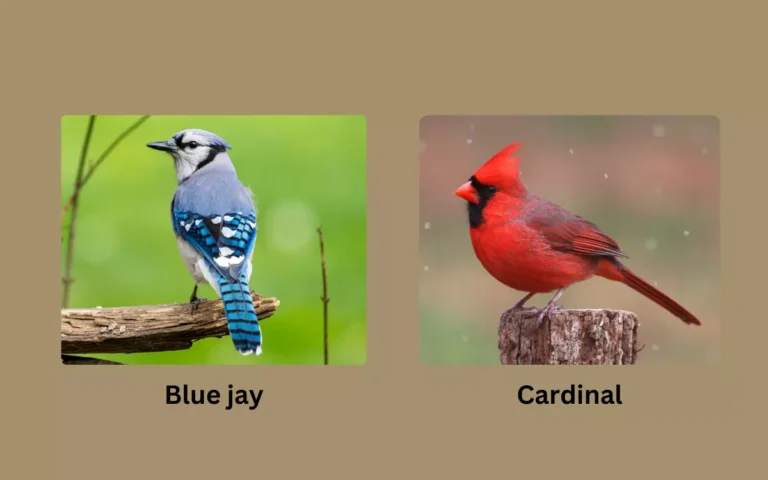
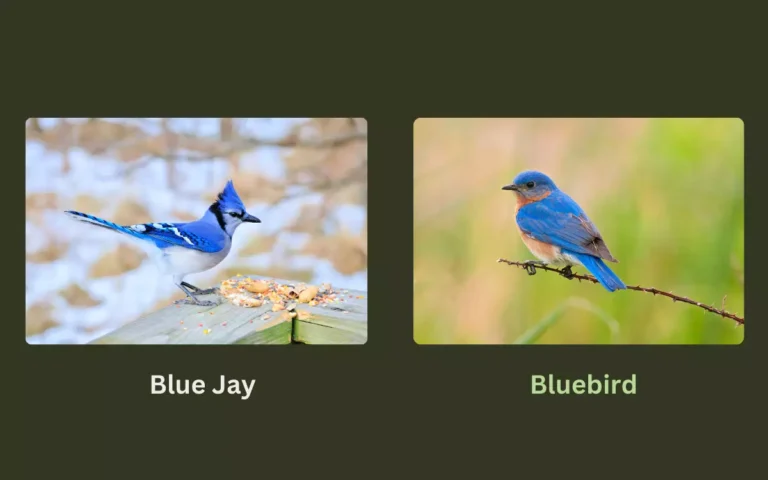
| Comparison | Guide |
| Raven vs. Crow | Raven vs Crow: How to Tell the Difference |
| Rock Pigeon vs. Eurasian Collared Dove | Rock Pigeon vs Eurasian Collared Dove |
| Red-Tailed Hawk vs. Cooper’s Hawk | Red-Tailed Hawk vs Cooper’s Hawk |
| Osprey vs. Bald Eagle | Osprey vs Bald Eagle: ID, Behavior & Key Differences |
| Great Horned Owl vs. Barred Owl | Great Horned Owl vs Barred Owl |
| Sharp-Shinned Hawk vs. Cooper’s Hawk | Sharp-Shinned Hawk vs Cooper’s Hawk |
| Ducks vs. Geese | Ducks vs Geese: Size, Behavior & Identification |
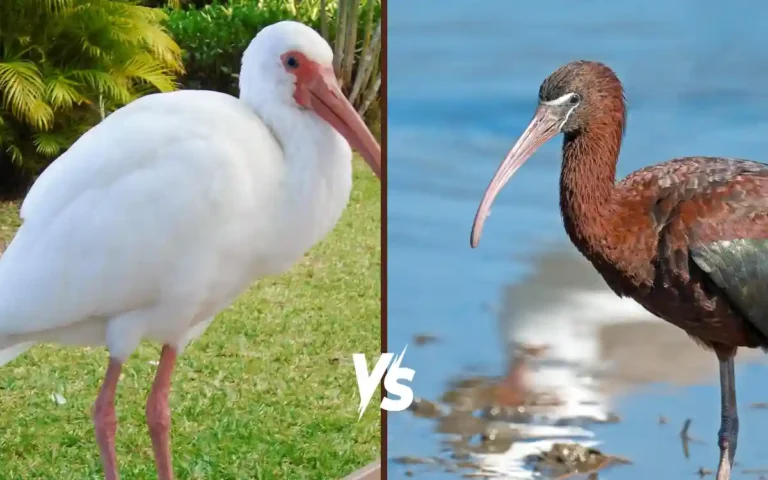
| White Ibis vs. Glossy Ibis | White Ibis vs Glossy Ibis |
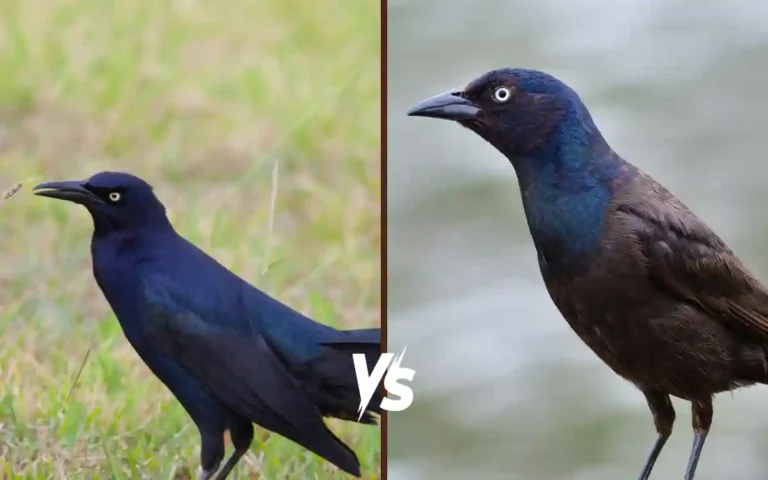
| Common Grackle vs. Great-Tailed Grackle | Common Grackle vs Great-Tailed Grackle |
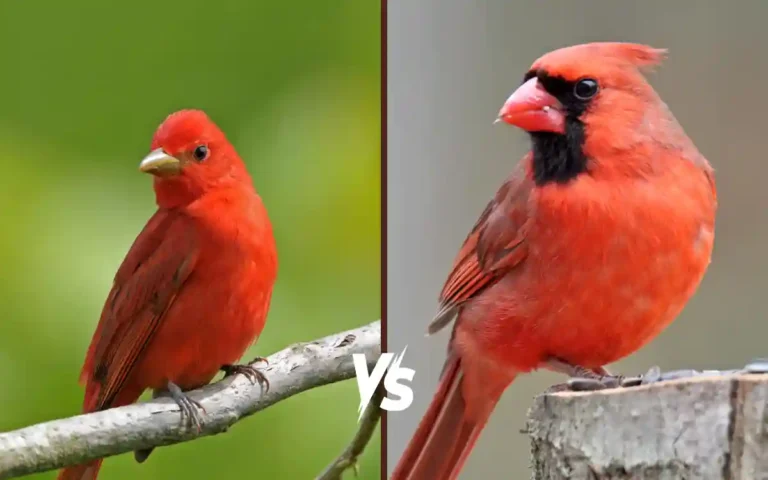
| Northern Cardinal vs. Summer Tanager | Northern Cardinal vs Summer Tanager |
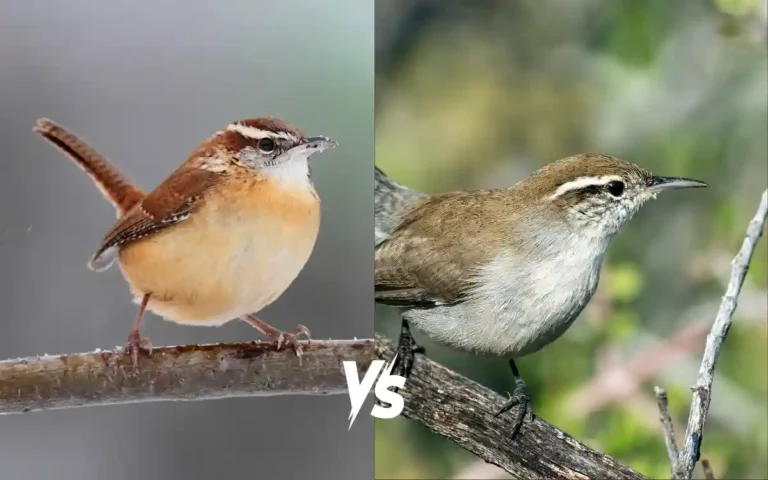
| Carolina Wren vs. Bewick’s Wren | Carolina Wren vs Bewick’s Wren |
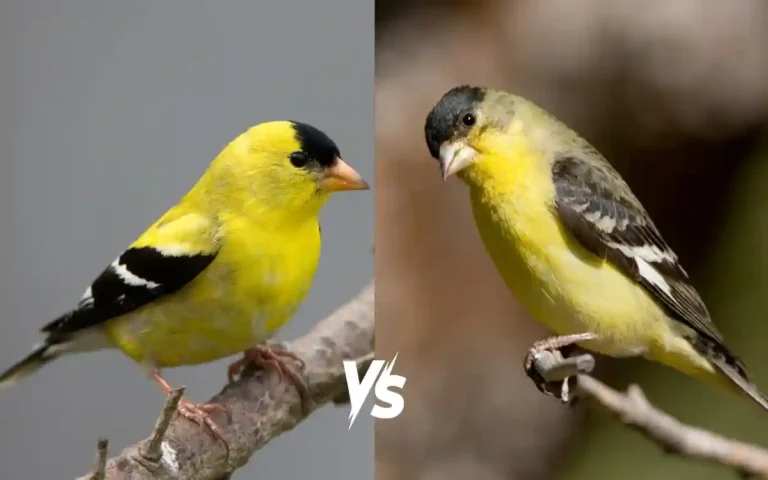
| American Goldfinch vs. Lesser Goldfinch | American Goldfinch vs Lesser Goldfinch |
| Mourning Dove vs. White-Winged Dove | Mourning Dove vs White-Winged Dove |
FAQs
Why are some of these birds so hard to tell apart?
Many look-alike pairs are closely related species that share habitat, size, or coloring like Cooper’s Hawk and Sharp-Shinned Hawk, which are often separated only by subtle size and proportion differences even experienced birders find tricky.
What’s the fastest way to use these guides in the field?
Each guide leads with the single most reliable field mark first (tail shape, size, call, or habitat) before going into secondary details check that one clue first before working through the rest.